Walnut Shell Sandblasting Media: Gentle Abrasive for Delicate Surfaces
Walnut shell sandblasting media is a versatile and environmentally friendly abrasive used extensively for delicate surface preparation. Its unique properties allow it to clean, polish, and finish surfaces without causing damage, making it an ideal choice in industries where precision and care are paramount. From aerospace components to classic car restoration, walnut shell media offers a natural, non-toxic, and cost-effective solution for a wide range of applications.
1. Introduction to Walnut Shell Sandblasting Media
Walnut shell media is derived from crushed, ground walnut shells. Unlike mineral abrasives such as aluminum oxide or garnet, walnut shells are soft, biodegradable, and non-sparking, which makes them safe for sensitive substrates. Its gentle abrasive nature ensures that surfaces like soft metals, composites, and wood are cleaned effectively without marring the underlying material. Professionals in automotive, aerospace, electronics, and furniture restoration often prefer walnut shell media due to its controlled aggressiveness and environmental friendliness.
2. What is Walnut Shell Sandblasting Media?
Definition and Composition
Walnut shell sandblasting media is produced by grinding the shells of walnuts into various particle sizes suitable for blasting. These particles retain a natural, semi-angular shape that allows them to abrade surfaces gently yet efficiently. As a 100% natural material, it is non-toxic, biodegradable, and environmentally safe, making it a responsible choice for sustainable manufacturing processes.
Physical Properties
- Mohs Hardness: 2–3, soft enough to protect delicate surfaces
- Density: 40–55 lb/ft³, lightweight and easy to handle
- Shape: Semi-angular to angular granules, ensuring even cleaning and minimal surface scratching
- Color: Natural tan to brown, which can help track media usage visually
Environmental Benefits
- Biodegradable and eco-friendly, reducing waste disposal concerns
- Non-toxic with minimal dust generation
- Non-sparking, reducing fire risk in sensitive environments
3. Technical Specifications
| Grit Size / Mesh | Applications | Surface Finish Achieved | Reusability |
|---|---|---|---|
| Coarse (16/30) | Heavy-duty cleaning, paint stripping on durable surfaces | Medium matte finish | 3–5 cycles |
| Medium (30/60) | General-purpose cleaning of soft metals and composites | Smooth, satin finish | 4–6 cycles |
| Fine (60/120) | Delicate surface finishing, polishing, finishing wood and furniture | Polished, even finish without surface damage | 5–8 cycles |
4. Advantages of Walnut Shell Media
Walnut shell media offers several advantages over traditional abrasives, especially in applications requiring precision and care:
- Gentle on substrates, preventing scratches and surface damage
- Environmentally friendly and biodegradable
- Minimal dust production, creating a safer work environment
- Non-sparking and safe to use on flammable surfaces
- Recyclable and reusable, providing cost savings over time
- Adaptable to a wide range of applications from soft metals to wood and composites
5. Applications of Walnut Shell Sandblasting Media
Automotive Restoration
Walnut shell media is widely used in automotive restoration projects. Its gentle abrasive quality allows for the removal of paint, dirt, and corrosion from soft metals like aluminum engine blocks, classic car bodies, and alloy wheels without compromising structural integrity. Professionals can achieve clean surfaces ready for refinishing while preserving delicate detailing.
Aerospace Maintenance
In the aerospace industry, walnut shell media is ideal for cleaning composite panels, turbine blades, and landing gear components. The low hardness ensures that sensitive parts are not scratched, maintaining aerodynamics and structural reliability. Its non-sparking properties are particularly advantageous when working near fuel lines or flammable hydraulic fluids.
Wood and Furniture Refinishing
Furniture craftsmen use walnut shell media to remove old paint, stains, or varnish from wooden surfaces. The fine grit grades provide a smooth finish without gouging or splintering the wood, making it perfect for antique restoration and custom furniture preparation.
Electronics and Precision Parts
For electronics or precision assemblies, walnut shell media can remove contaminants from housings, casings, and delicate components without causing damage. Its non-conductive and non-toxic nature ensures compatibility with sensitive electronic materials.
6. Comparison with Other Abrasives
When evaluating walnut shell media against other sandblasting abrasives, several differences become clear:
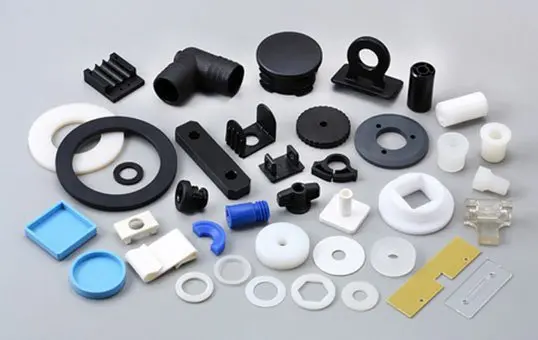
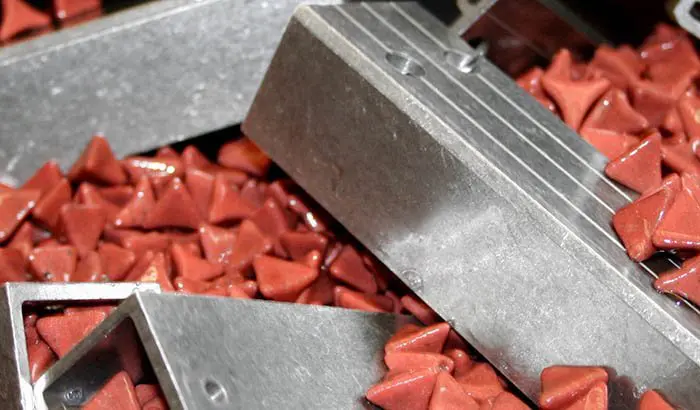
- Versus Plastic Media: Both are gentle, but walnut shell is softer and biodegradable. Plastic media offers uniform particle shape and slightly more aggressive cutting on mid-hard surfaces.
- Versus Aluminum Oxide or Garnet: Walnut shell is far less aggressive, making it ideal for delicate substrates. Aluminum oxide and garnet are better suited for hard metals or heavy-duty cleaning.
- Internal Links: Learn more about Plastic Sandblasting Media and return to the Ultimate Guide to Sandblasting Media.
7. Equipment and Blasting Parameters
Optimizing equipment settings is crucial to achieve consistent results with walnut shell media:
- Blasting Pressure: 20–60 PSI depending on substrate sensitivity
- Nozzle Distance: 6–12 inches to control abrasiveness
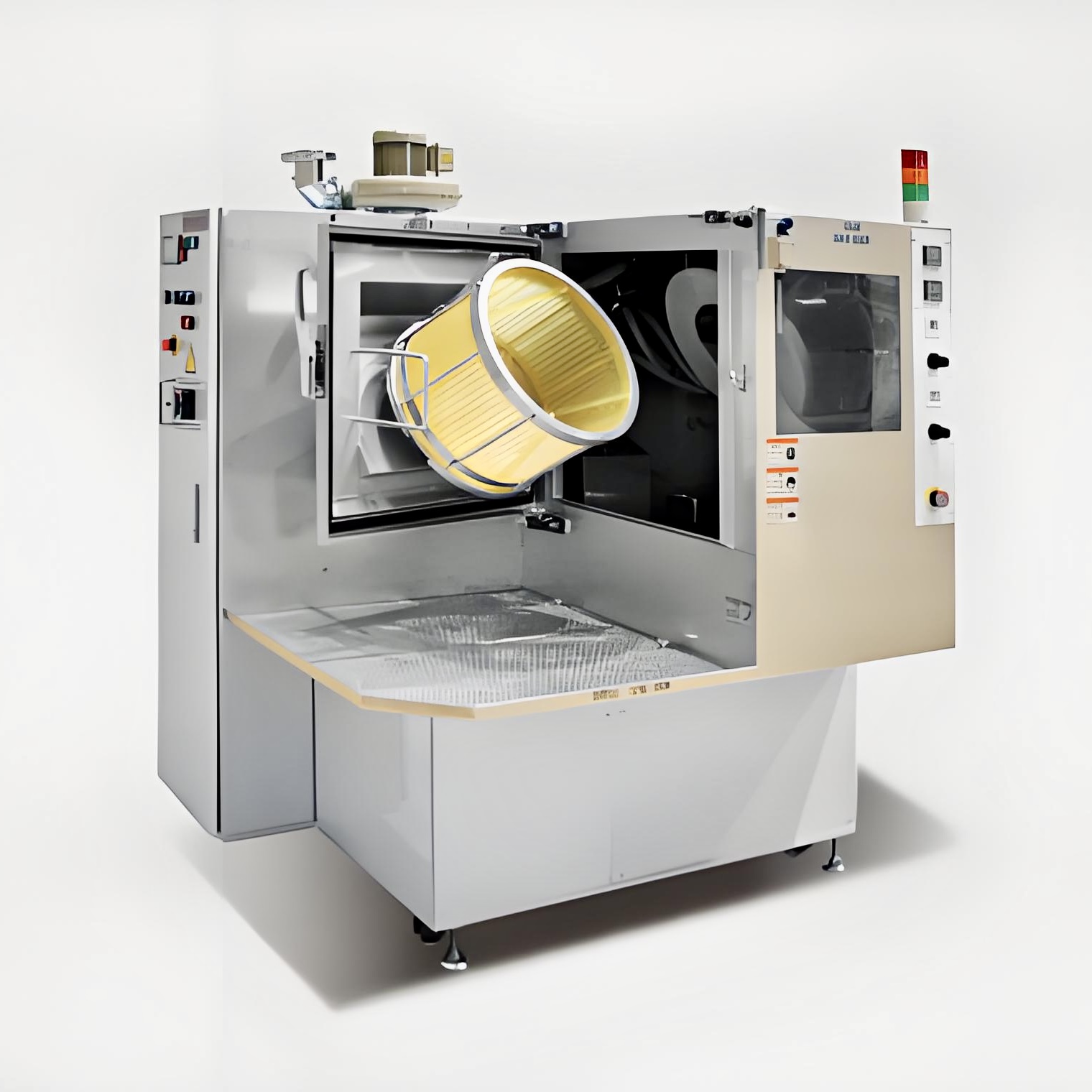
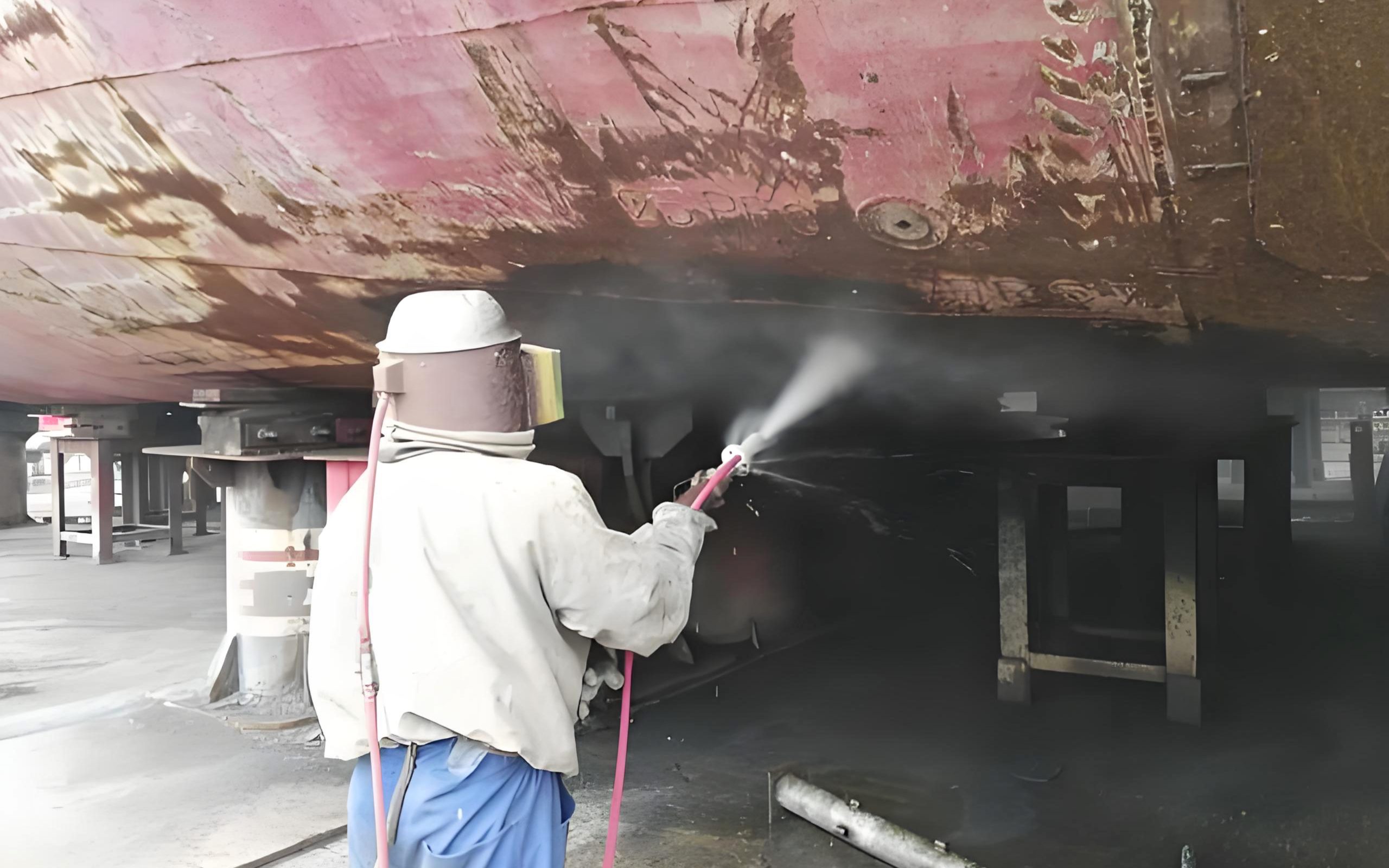
- Equipment Compatibility: Air-blast, suction blast, and wheel blast systems
- Media Recovery: Use closed-loop recycling systems to extend media life
8. Safety Considerations
Despite its natural and non-toxic nature, safety precautions are essential:
- Wear PPE including respirators, goggles, gloves, and protective clothing
- Ensure proper ventilation and dust collection in enclosed areas
- Although non-sparking, maintain standard safety protocols for all blasting operations
9. Practical Tips for Effective Use
To maximize performance with walnut shell media:
- Test a small area before full-scale application
- Select the correct grit size based on surface sensitivity and desired finish
- Keep media dry to prevent clumping and uneven blasting
- Follow recommended reuse cycles to maintain consistent performance
- Regularly inspect and clean blasting equipment to avoid media contamination
10. Case Studies and Success Examples
Numerous industries have achieved excellent results with walnut shell media:
- Aerospace: Composite panels cleaned without any surface defects, maintaining aerodynamics
- Automotive: Classic car restoration projects with uniform surface finishes and minimal substrate wear
- Woodworking: Antique furniture refinishing with smooth, undamaged surfaces
11. Summary and Key Takeaways
Walnut shell sandblasting media provides a safe, eco-friendly, and gentle abrasive solution for delicate surface applications. Its low hardness, biodegradability, and minimal dust production make it ideal for aerospace, automotive, woodworking, and precision cleaning industries. By selecting the appropriate grit size and equipment parameters, professionals can achieve consistent, high-quality finishes while protecting both the substrate and the environment.
Filters