Sandblasting Abrasives for Wood Surfaces
Abrasive blasting on wood is a specialised technique for cleaning, grain-opening, and restoration that produces results unobtainable with sanding or chemical strippers. Complete guide to media selection, pressure settings, and technique for log homes, decking, furniture, and wood restoration projects.
Blasting Wood: When and Why
Abrasive blasting is the most effective method for removing weathered grey surface fibres, old stain, mill glaze, and light paint from wood without the chemical hazards of strippers or the directional scratching of mechanical sanding. When done correctly with the right media at appropriate pressure, blasting opens the wood grain, removes contamination, and leaves a clean surface that accepts new stain or paint more uniformly and deeply than any other preparation method.
The key to successful wood blasting is media selection: wood’s Janka hardness ranges from 450 lbf (western red cedar) to 1,360 lbf (white oak), but even the hardest common wood species are dramatically softer than any mineral abrasive. The appropriate abrasives for wood are soft organic media — walnut shell, corn cob — that remove surface contamination and grey fibres without excessive fibre raising, grain crushing, or dimensional removal of the wood substrate itself.
Media Selection for Wood Blasting
| Application | Recommended Media | Grit/Grade | Max Pressure |
|---|---|---|---|
| Log home exterior cleaning | Walnut shell or corn cob | Coarse (8–20 mesh) | 60–80 psi |
| Deck boards (softwood) | Walnut shell | Medium (20–40 mesh) | 40–60 psi |
| Deck boards (hardwood) | Walnut shell | Medium-coarse (16–30 mesh) | 50–70 psi |
| Old paint removal (wood) | Walnut shell coarse + plastic media | Coarse / Type III | 50–70 psi |
| Furniture (fine hardwood) | Walnut shell fine or corn cob | Fine (40–80 mesh) | 30–50 psi |
| Wood siding (painted) | Walnut shell medium | Medium (20–40 mesh) | 40–60 psi |
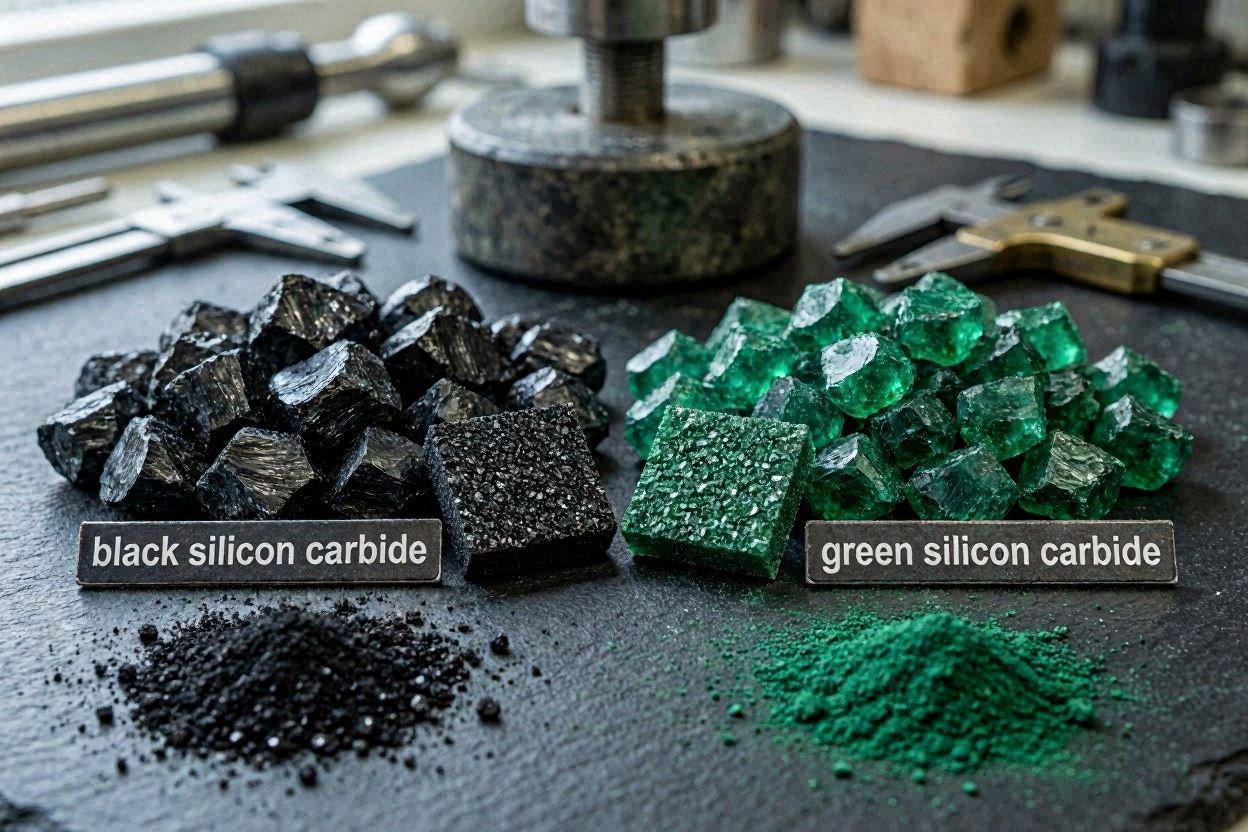
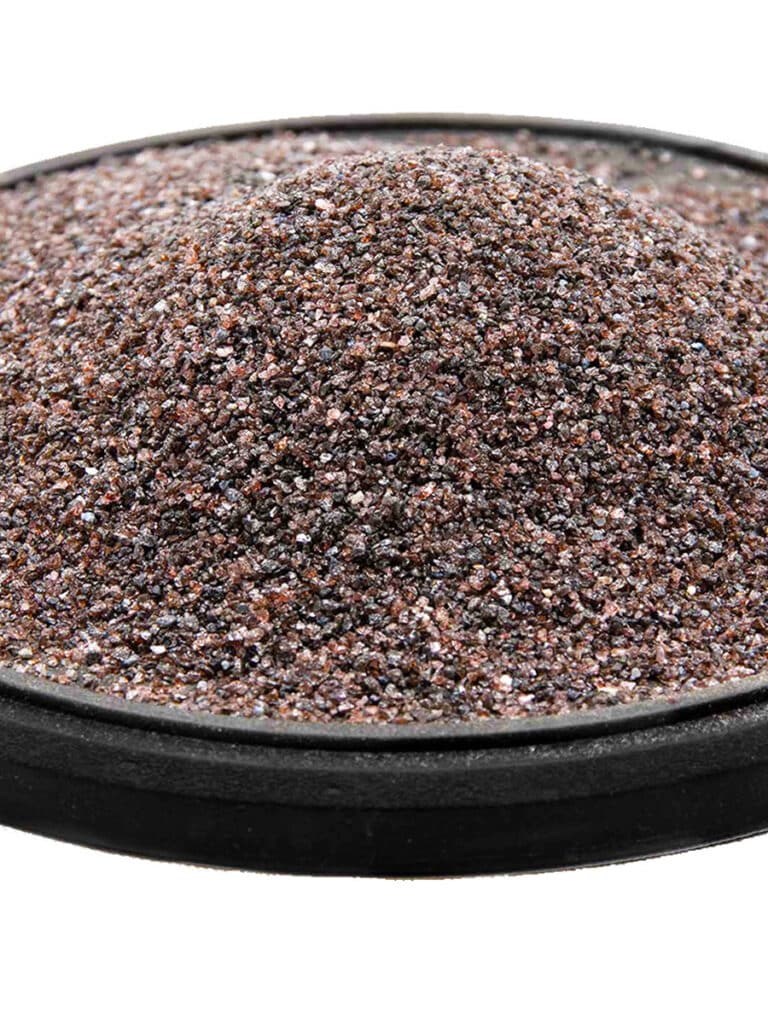
Mineral abrasives (aluminum oxide, garnet, silicon carbide) must not be used on wood — their hardness will aggressively erode wood fibres, leaving a fibrous, raised surface that requires extensive sanding correction and makes uniform stain absorption impossible. For the full walnut shell technical guide, see Walnut Shell Blasting Abrasive.
Log Home Restoration
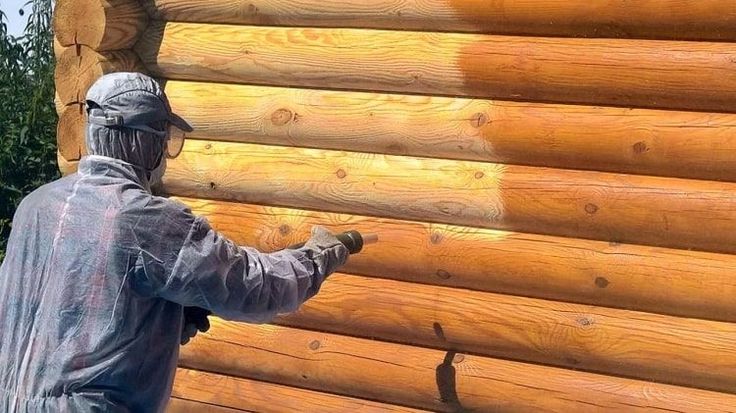
Log home restoration is the highest-volume application of wood blasting. Weathered log exteriors accumulate grey surface wood (photodegraded lignin), old stain or paint, mould, mildew, and insect contamination that conventional pressure washing cannot fully remove. Walnut shell or corn cob coarse grade (8–20 mesh) at 60–80 psi removes all surface contamination and grey fibres, exposing the fresh, honey-coloured wood beneath and creating a uniform surface that accepts new log oil or stain evenly.
Key technique considerations for log homes: blast with the nozzle moving along the grain direction where possible to minimise cross-grain fibre raising; maintain consistent 8–12 inch nozzle-to-surface distance; use a wide-angle nozzle (60° or wider) for broad surface coverage on flat log faces; and follow blasting with a thorough rinse with low-pressure clean water to remove spent media and debris before stain application.
Deck & Fence Cleaning
Wood decks accumulate mould, mildew, grey weathered surface fibres, old sealers, and embedded dirt that compromise the adhesion and appearance of new deck finishes. Walnut shell medium grade (20–40 mesh) at 40–60 psi removes all of these without the excessive fibre raising that pressure washing causes on softwood decks. Blasting also cleans between deck board gaps — areas that pressure washing directs contaminants further into rather than removing them.
For hardwood decking (ipe, teak, cumaru), which is significantly denser than softwood, slightly coarser media (16–30 mesh) or higher pressure (60–70 psi) may be needed for effective cleaning. Always test on a concealed area first to calibrate the process for the specific wood species and its condition.
Wood Furniture & Fine Surfaces
Antique furniture restoration and fine woodwork can benefit from very gentle abrasive cleaning with walnut shell fine grade (40–80 mesh) at 30–50 psi to remove old finish, grease, and surface grime without sanding through delicate figure or veneer. This is a niche application requiring careful technique: short burst intervals rather than continuous blasting, frequent inspection, and thorough masking of joints, hardware, and adjacent surfaces. For very delicate veneer or intricate carved surfaces, professional assessment of whether blasting is appropriate is advised before proceeding — chemical cleaning may be safer for extremely fragile or valuable pieces.
Pressure & Technique for Wood Blasting
- Always test on an inconspicuous area before blasting the full surface
- Begin at the lower end of the pressure range and increase only if cleaning is inadequate
- Maintain consistent nozzle movement — never dwell in one spot
- Blast along the grain direction to minimise fibre raising
- Rinse thoroughly after blasting — spent organic media left on the wood surface can promote mould growth before the new finish is applied
- Allow the wood to dry completely (typically 48–72 hours in good drying conditions) before applying stain, oil, or paint
FAQ
With the correct media (walnut shell or corn cob), appropriate pressure (40–70 psi depending on wood species and condition), and proper technique, wood blasting removes surface contamination without damaging the underlying wood. Using mineral abrasives, excessive pressure, or dwelling in one spot will damage wood fibres. The risk of damage is highest on soft, weathered, or structurally weakened wood — always inspect the wood condition before blasting and test on an inconspicuous area first.
Yes — walnut shell blasting is the preferred method for removing old paint, stain, and weathered surface from log cabins and log homes. The process removes paint more completely and uniformly than chemical strippers (which can be absorbed unevenly into the log surface) and does not raise wood grain as aggressively as mechanical sanding. Multiple passes may be required for thick or well-adhered paint systems; inspect after each pass before continuing.
Source Wood Blasting Media from Jiangsu Henglihong Technology
Walnut shell in coarse through fine grades for log home restoration, deck cleaning, and furniture work. Available in 25 kg bags and bulk packaging for wholesale buyers.
Filters