Sandblasting Abrasive Disposal & Environmental Compliance
Spent abrasive disposal is one of the most frequently overlooked cost and compliance factors in blasting project planning. Misclassification of spent media as non-hazardous when it should be hazardous can result in significant regulatory penalties and remediation liability. Complete guide to waste classification, TCLP testing, and disposal pathways — updated April 2026.
Why Disposal Compliance Matters
Spent blasting abrasive is not simply waste sand — it is a mixture of fractured media particles, removed substrate material (rust, mill scale), and stripped coating residue that may contain heavy metals, organic compounds, or other regulated substances at concentrations that require hazardous waste management. Failure to properly characterise and dispose of spent blasting media is an environmental violation that can result in civil penalties, criminal prosecution, and significant remediation liability under RCRA, CERCLA (Superfund), and state/local environmental laws in the United States, with equivalent frameworks in most countries.
The good news: with the right media selection and systematic waste characterisation, many blasting operations produce spent media that classifies as non-hazardous and can be disposed of at a fraction of the cost of hazardous waste. Understanding the classification process is the foundation of cost-effective, compliant waste management.
Waste Classification Framework (RCRA, USA)
Under the Resource Conservation and Recovery Act (RCRA), spent blasting media is evaluated as a solid waste that may be classified as hazardous if it exhibits any of four characteristics: ignitability, corrosivity, reactivity, or toxicity. For blasting abrasive, the relevant characteristic is almost always toxicity — specifically, whether the leachate from the spent media exceeds regulatory thresholds for heavy metals including lead, cadmium, chromium (hexavalent), barium, silver, selenium, arsenic, and mercury.
The key regulatory test is the TCLP (Toxicity Characteristic Leaching Procedure, EPA Method 1311), which simulates the leaching of contaminants from waste in a landfill environment. If any analyte in the TCLP leachate exceeds its regulatory threshold, the spent abrasive must be managed as hazardous waste.
| Contaminant | TCLP Regulatory Threshold (mg/L) | Common Source in Spent Abrasive |
|---|---|---|
| Lead (Pb) | 5.0 | Lead-based paint on blasted substrate |
| Cadmium (Cd) | 1.0 | Cadmium-pigmented coatings |
| Chromium (Cr total) | 5.0 | Chromate primer, stainless steel |
| Barium (Ba) | 100.0 | Barium sulfate in some paints |
| Silver (Ag) | 5.0 | Rare in blasting applications |
| Arsenic (As) | 5.0 | Some slags; CCA-treated wood blasting |
TCLP Testing: When and How
TCLP testing should be performed on a representative composite sample of spent abrasive from each distinct blasting project type — defined by the combination of abrasive media, substrate metal, and coating system being removed. Projects with identical combinations can share existing TCLP data if the coating system composition is confirmed equivalent. Key sampling requirements:
- Collect representative samples at multiple points across the blasting area — beginning, middle, and end of the project
- Composite the samples in proportion to the relative area blasted at each point
- Submit to an EPA-certified laboratory for TCLP analysis (Method 1311 extraction followed by Method 6010 or 7000 series metals analysis)
- Document the sampling methodology, sample custody chain, and laboratory results in your waste management file
- If any TCLP result exceeds its regulatory threshold, classify all spent media from that project as RCRA hazardous waste (D004–D011 characteristic codes)
For projects involving coatings of unknown composition — common in bridge and infrastructure maintenance blasting — assume hazardous waste classification and arrange hazardous waste disposal until TCLP testing confirms the classification. Retroactive reclassification from hazardous to non-hazardous is possible with verified test data; the reverse (discovering hazardous waste was disposed of as non-hazardous) creates severe regulatory exposure.
Disposal Guide by Abrasive Media Type
| Abrasive Media | Bare Steel Blasting | Lead Paint Blasting | Disposal Complexity |
|---|---|---|---|
| Garnet (GMA) | Usually non-hazardous — TCLP passes | Hazardous — TCLP lead failure | Low (bare steel) |
| Aluminum Oxide | Usually non-hazardous | Hazardous — TCLP lead failure | Low (bare steel) |
| Steel Grit | Usually non-hazardous | Hazardous | Medium (iron content) |
| Coal Slag | Verify — variable heavy metals | Hazardous | Medium (variable) |
| Copper Slag | Verify — copper content | Hazardous | Medium (copper) |
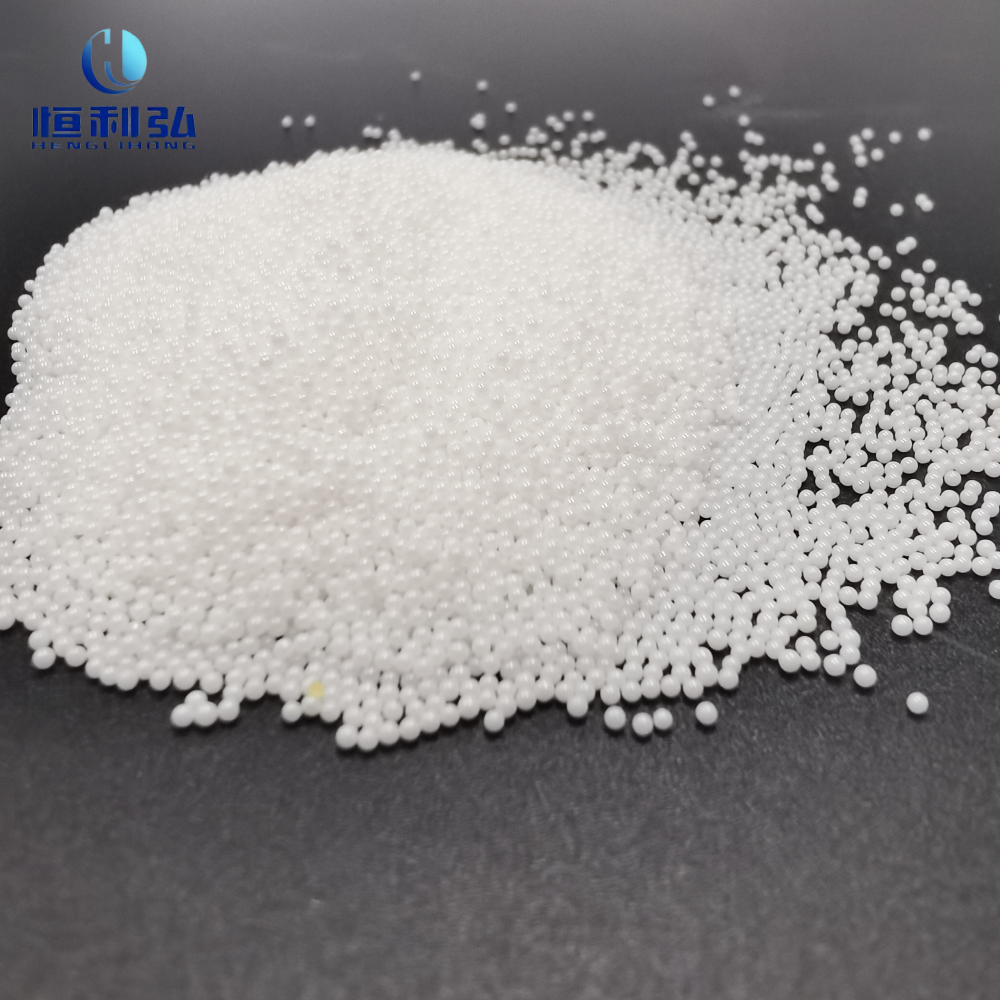
| Glass Beads | Non-hazardous (amorphous silica) | Hazardous | Low (bare substrate) |
| Walnut Shell | Non-hazardous; biodegradable | Hazardous | Very Low (clean use) |
| Plastic Media | Non-hazardous | Hazardous | Low (clean use) |
For the full environmental profile of garnet — the lowest-disposal-risk mineral blasting abrasive — see the Garnet Abrasive guide. For the recyclability analysis that shows how reducing spent media volume reduces disposal cost, see the Recyclable Media Comparison.
Lead Paint Blasting: Special Compliance Requirements
Blasting lead-based paint from steel structures (bridges, water towers, industrial buildings) is one of the most regulated activities in the construction and maintenance industry. In addition to RCRA hazardous waste requirements for spent abrasive, additional regulatory frameworks apply:
- OSHA 29 CFR 1910.1025 (Lead Standard): Mandatory engineering controls, PPE, biological monitoring, medical surveillance, and written compliance programs when airborne lead exposure is reasonably anticipated above the Action Level (30 µg/m³)
- EPA NESHAP (40 CFR Part 63, Subpart XXXXXX): Hazardous Air Pollutant standards for lead paint removal from structures
- State and local lead abatement licensing: Many jurisdictions require contractor certification for lead paint removal work
- SSPC Guide 6: Industry consensus guide for lead paint removal from steel structures, including abrasive selection, containment, and waste management requirements
The combination of OSHA lead standard compliance, hazardous waste management, and specialty disposal makes lead paint blasting projects significantly more expensive per square foot than clean steel blasting. Accurate cost estimation requires including all regulatory compliance costs — not just the abrasive price.
Approved Disposal Pathways
Non-Hazardous Landfill
Spent abrasive confirmed non-hazardous by TCLP testing can be disposed of at permitted solid waste landfills. Many large-volume operations negotiate directly with landfill operators for volume disposal rates. Garnet, aluminum oxide, and glass beads from clean substrate blasting typically qualify for this pathway.
Beneficial Reuse
Clean spent abrasive — particularly garnet and steel grit — can sometimes be beneficially reused as landfill cover material, road base aggregate, or concrete filler, subject to state beneficial reuse approval. This pathway eliminates disposal cost and may generate revenue in high-volume operations.
Hazardous Waste Disposal
RCRA hazardous waste must be transported by licensed hazardous waste haulers and disposed of at permitted Treatment, Storage, and Disposal Facilities (TSDFs) — typically hazardous waste landfills or stabilisation/solidification facilities. All waste movements require EPA Uniform Hazardous Waste Manifest documentation.
Lead Smelter Reclamation
Spent abrasive with high lead content from lead paint blasting may be accepted by secondary lead smelters as a feed material, potentially at zero or reduced disposal cost compared to TSDF disposal. Economic viability depends on lead content in the spent abrasive and current lead smelter acceptance terms.
International Disposal Frameworks
European Union: Spent blasting abrasive is classified under the European Waste Catalogue (EWC/LoW). Codes relevant to blasting include 12 01 17 (spent blasting grit, non-hazardous) and 12 01 18* (metallic sludge from grinding/honing/lapping — hazardous, if contaminated). EU Waste Framework Directive 2008/98/EC and its transposing national legislation governs classification, transport, and disposal. The Basel Convention restricts transboundary movement of hazardous waste.
Australia: State environmental protection agencies regulate waste classification and disposal; classification equivalent to TCLP is performed using Leachate Toxicity (TCLP equivalent) under AS 4439.3. Spent abrasive from clean steel blasting typically classifies as controlled waste (non-hazardous); from lead paint blasting as prescribed or listed hazardous waste.
China: Spent blasting abrasive from industrial operations is regulated under the Law on the Prevention and Control of Environmental Pollution by Solid Wastes (2020 revision). Hazardous solid waste (危险固体废物) requires hazardous waste management licences for collection, transport, and disposal by certified units. For Chinese manufacturing operations using Henglihong blasting media, consult the local ecological environment bureau for applicable waste classification codes.
FAQ
Not always — but you always need to make a defensible waste characterisation determination. If you have existing, validated TCLP data for an identical combination of abrasive type, substrate, and coating system, that data may support classification without re-testing. For new combinations — new abrasive type, different coating system, different substrate — TCLP testing is the only reliable way to confirm non-hazardous classification. The cost of TCLP testing ($200–500 per sample) is trivial compared to the cost of incorrectly disposing of hazardous waste as non-hazardous ($10,000+ per violation in RCRA enforcement actions).
Spent garnet from blasting bare, uncoated steel typically classifies as non-hazardous by TCLP — garnet’s own heavy metal content is low, and rust and mill scale from bare steel do not typically contribute TCLP-exceedance concentrations of regulated metals. However, if the blasted surface had lead-based paint, chromate primer, or other regulated coating residue, the spent garnet will absorb those contaminants and will likely fail TCLP — requiring hazardous waste disposal regardless of the abrasive type used. The coating history of the blasted substrate determines hazardous classification; the abrasive type alone does not.
No — in virtually every jurisdiction, on-site disposal (land application or burial) of spent blasting abrasive without regulatory approval is illegal solid waste disposal. Even non-hazardous spent abrasive must be disposed of at a permitted solid waste facility. Some states permit beneficial reuse on-site (as road base or fill) with pre-approval from the environmental agency; this requires a written determination of non-hazardous status and often an environmental assessment. Consult your state or regional environmental agency before considering any on-site disposal approach.
Source Low-Disposal-Risk Blasting Abrasives from Jiangsu Henglihong Technology
All abrasives supplied with current SDS, chemical analysis certificates, and free silica content verification. Garnet, aluminum oxide, and glass beads for operations where disposal cost and environmental compliance are project priorities.
Filters