Ceramic Polishing Media Ra Chart: Surface Roughness Control, Achievable Ranges, and Process Predictability
Why Ra Matters in Ceramic Polishing Media Selection
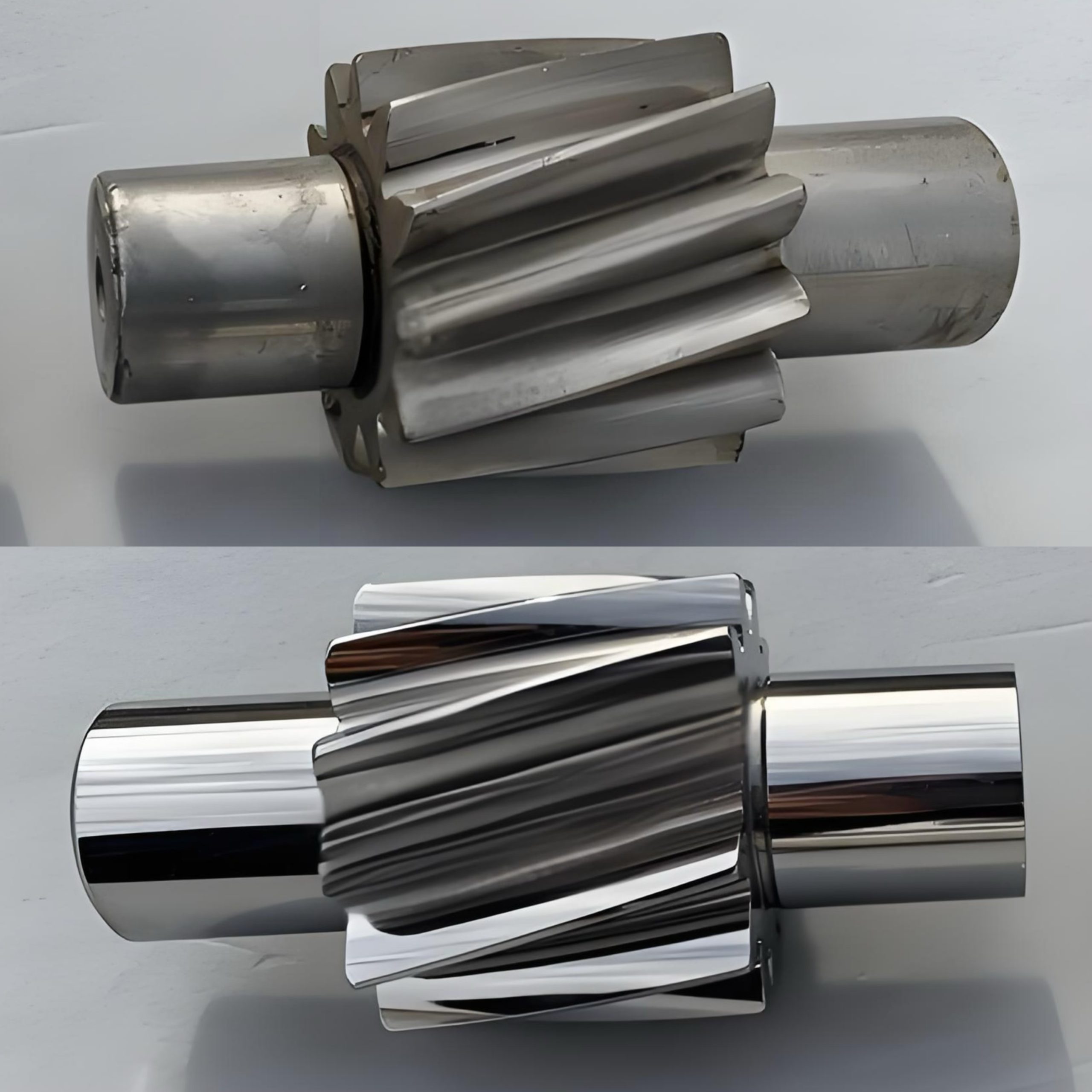
In polishing applications, visual appearance, coating adhesion, corrosion resistance, and tactile quality are all directly correlated with Ra. Selecting ceramic polishing media without a defined Ra target often leads to inconsistent cosmetic results or unnecessary process iterations. The Ra chart presented here should be used together with the Ceramic Polishing Media pillar as a data-driven decision reference.
Understanding Ra Measurement in Mass Finishing
Ra represents the arithmetic average of absolute deviations from the mean surface profile over a defined sampling length. In mass finishing environments, Ra values are influenced by surface anisotropy, part geometry, and media contact frequency. Therefore, Ra outcomes should always be interpreted as ranges rather than absolute numbers.
Ceramic Polishing Media Ra Performance Overview
| Media Grade | Typical Abrasive Size | Cycle Time | Achievable Ra Range | Surface Appearance |
|---|---|---|---|---|
| Medium Polishing | F400–F600 | 60–120 min | Ra 1.0–1.2 µm | Uniform matte, machining marks reduced |
| Fine Polishing | F600–F800 | 90–180 min | Ra 0.6–0.8 µm | Smooth matte to satin finish |
| Ultra-Fine Polishing | F800–F1000 | 120–240 min | Ra 0.4–0.6 µm | High cosmetic smoothness |
Grade definitions and abrasive composition details are explained in Ceramic Polishing Media Grades.
Ra Outcomes by Material Type
Different materials respond differently to identical polishing conditions. The following Ra chart summarizes typical outcomes by material when using ceramic polishing media.
| Material | Initial Surface Condition | Media Grade | Final Ra Range |
|---|---|---|---|
| Aluminum 6061 | Pre-tumbled | Fine polishing | Ra 0.6–0.8 µm |
| Aluminum ADC12 | As-cast | Medium polishing | Ra 1.0–1.2 µm |
| Stainless steel 304 | Machined | Ultra-fine polishing | Ra 0.4–0.6 µm |
| Carbon steel | Deburred | Fine polishing | Ra 0.7–0.9 µm |
Aluminum-specific polishing behavior and optimization strategies are detailed in Ceramic Polishing Media for Aluminum.
Effect of Cycle Time on Ra Reduction
Cycle time has a diminishing-return relationship with Ra reduction. Initial Ra improvement is rapid, followed by a plateau where additional polishing time yields minimal benefit.
| Cycle Time | Typical Ra Reduction Trend |
|---|---|
| 0–60 min | Rapid removal of surface peaks |
| 60–120 min | Progressive smoothing |
| 120–240 min | Ra stabilization and plateau |
Influence of Media Density and Size on Ra
Media density directly affects impact energy, while media size influences contact frequency. Lower-density and smaller media sizes generally produce smoother Ra outcomes but require longer cycle times.
| Media Property | Effect on Ra |
|---|---|
| Higher density | Faster Ra reduction, higher risk of over-polishing |
| Lower density | More controlled surface refinement |
| Smaller size | Improved surface uniformity |
Ra Predictability and Process Stability
Achieving consistent Ra outcomes requires stable process control. Variations in compound chemistry, water flow, or media wear can shift Ra results over time. Engineers should periodically revalidate Ra performance using standardized measurement procedures.
Process tuning recommendations are provided in Ceramic Polishing Media Process Parameters.
Common Misinterpretations of Ra Charts
- Assuming Ra values are independent of initial surface condition
- Expecting ultra-fine Ra with insufficient cycle time
- Ignoring media wear and replacement intervals
- Comparing Ra values across different measurement standards
Using the Ra Chart for Media Selection
The Ra chart should be used as a screening tool to narrow down suitable media grades before final selection. Final validation should always be conducted through pilot testing or sample trials.
For grade-specific boundaries and performance limits, refer back to Ceramic Polishing Media Grades and the main Ceramic Polishing Media guide.
Request Ra-Based Media Recommendation
If your application has a defined Ra target or surface appearance requirement, provide your material type, initial Ra, target Ra, and machine configuration. Our technical team can recommend a ceramic polishing media grade and process window based on Ra performance data.
Filters