Abrasive Blasting for Orthopedic Implants: Surface Preparation for Bone Ingrowth and Osseointegration
A cementless orthopedic implant — a hip stem pressed into the femoral canal, an acetabular cup seated in the pelvis, a tibial tray anchored to the proximal tibia — achieves long-term fixation through one mechanism: bone grows directly into the implant surface. That process, osseointegration, is not passive. It is driven by the surface topography the implant presents to surrounding bone tissue. Abrasive blasting is the primary manufacturing process for engineering that topography, and the parameters of the blasting operation — media type, particle size, pressure, angle, dwell time — are among the most consequential engineering decisions in orthopedic implant production. This guide covers the science, the process, the media, the contamination issues, and the compliance requirements in full.
1. The Science of Osseointegration: Why Surface Topography Determines Fixation
Osseointegration — the direct structural and functional connection between living bone and the surface of a load-bearing implant — was first characterized by Per-Ingvar Brånemark in the 1960s through meticulous histological study of titanium chambers implanted in rabbit fibulae. What Brånemark observed was that under controlled conditions, bone tissue grew into direct, intimate contact with titanium oxide surfaces without any intervening fibrous tissue layer. That observation transformed orthopedic surgery: it meant implants could be fixed directly to bone rather than relying on bone cement (acrylic polymer), which degrades over time and generates particulate debris that drives periprosthetic osteolysis.
The mechanism by which osseointegration occurs operates across multiple length scales and biological time points. When a blasted titanium implant is seated in prepared bone, a cascade of events unfolds:
- Immediate (0–6 hours): Blood fills the gap between implant and bone. Plasma proteins — fibronectin, vitronectin, osteopontin — adsorb onto the implant surface within seconds. The rough, high-surface-area topography created by blasting adsorbs significantly more protein per unit geometric area than a smooth surface, and the adsorbed protein layer adopts a conformation that exposes integrin-binding domains to arriving cells.
- Early healing (6–72 hours): Platelets adhere to the protein-coated surface, activating the coagulation cascade and releasing growth factors including TGF-β and PDGF. A fibrin clot forms across the implant-bone gap, and mesenchymal stem cells migrate into the fibrin scaffold along concentration gradients of these growth factors. The micro-scale peaks and valleys of the blasted surface provide mechanical anchoring sites for the fibrin clot that prevent its detachment under early loading.
- Primary ossification (1–4 weeks): Mesenchymal stem cells in contact with the implant surface differentiate toward osteoblasts rather than fibroblasts, driven in part by mechanotransduction signals from surface topography. Surface roughness in the 1–4 μm Ra range has been shown to activate integrin signaling pathways that upregulate expression of osteogenic transcription factors (Runx2, Osterix) and downregulate fibrogenic factors. Osteoblasts begin depositing collagen matrix and mineralizing it to woven bone directly on the implant surface.
- Remodeling (4 weeks – years): Woven bone is replaced by lamellar bone through osteoclast-osteoblast coupling. The final implant-bone interface consists of lamellar bone in direct contact with the titanium oxide surface, with no intervening fibrous tissue layer — true osseointegration.
The critical implication for manufacturing is that surface topography is a biological signal, not merely a mechanical feature. The Ra value of the implant surface is not just an engineering tolerance — it is a variable that directly modulates cell behavior and determines the rate, completeness, and mechanical strength of bone tissue formation at the interface. This is why abrasive blasting parameters are defined and validated with the same rigor as any other critical manufacturing process.
2. Orthopedic Implant Types and Their Surface Requirements
The orthopedic implant category encompasses a wide range of devices across hip, knee, and spine anatomy, each with distinct surface treatment requirements driven by their fixation mechanism, substrate material, and anatomical loading environment.
Hip Stem (Femoral Component)
Ti-6Al-4V or Ti-6Al-4V ELI. Proximal metaphyseal portion: blasted Ra 3–5 μm for bone ingrowth or HA coating adhesion. Distal diaphyseal portion: blasted or smooth depending on fixation design.
Acetabular Cup (Outer Shell)
Ti-6Al-4V. Entire outer convex surface blasted Ra 2–4 μm for direct bone ingrowth. Inner surface holds UHMWPE liner; finish not critical for osseointegration.
Tibial Tray (Knee)
Ti-6Al-4V or titanium alloy. Flat bone-contact undersurface and keel blasted Ra 2–4 μm. Articular surface holds UHMWPE insert; not blasted.
Femoral Knee Component
CoCr alloy (ASTM F75). Bone-contact chamfers and posterior condyles blasted for bone ingrowth/cement adhesion depending on design. Articulating condylar surface polished to Ra < 0.05 μm.
Spinal Fusion Cage
PEEK, Ti-6Al-4V, or PEEK with Ti endplates. Outer ridged surfaces blasted Ra 4–8 μm for maximum bone ingrowth and endplate grip. 3D-printed Ti cages may have additional porous structure.
Pedicle Screw
Ti-6Al-4V. Thread surfaces blasted Ra 1–3 μm to increase bone-to-screw contact area and pull-out strength. Screw head may be polished. HA coating is sometimes applied over blasted threads.
The unifying principle across all of these implant types is that blasting is applied to surfaces designed for bone contact, and the target Ra is set based on the desired fixation mechanism. Surfaces designed for cement fixation benefit from blasting too — rougher surfaces provide better mechanical interlock with bone cement — but the Ra targets for cementless bone ingrowth surfaces are typically higher.
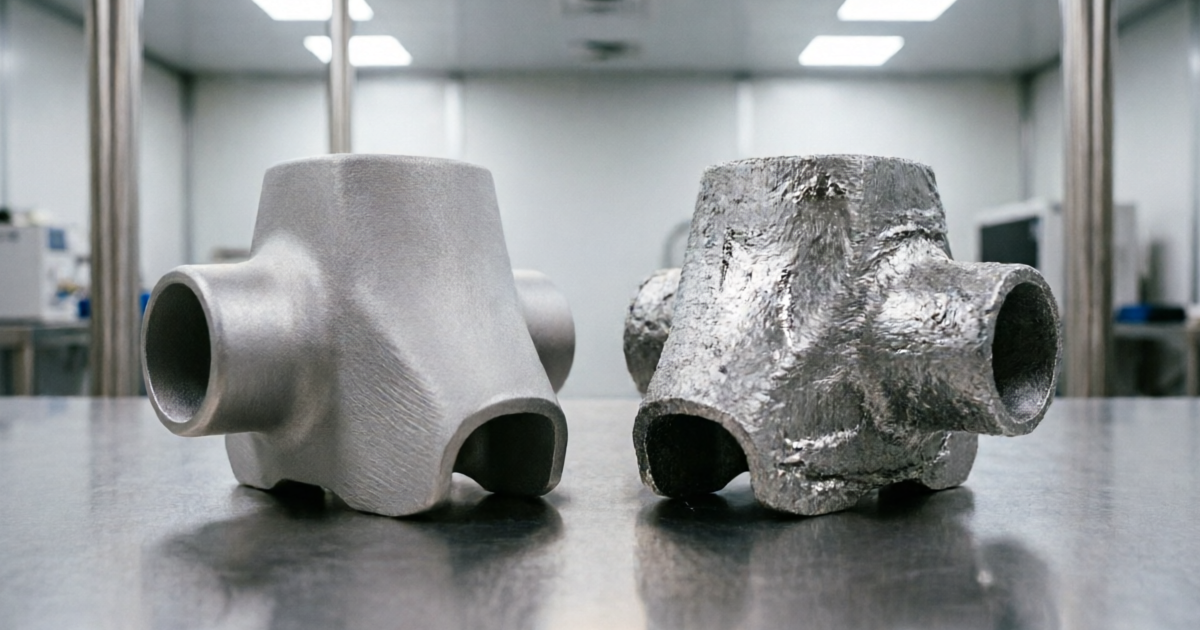
An important distinction in implant surface treatment is between macro-roughness (Ra 2–10 μm, created primarily by blasting), micro-roughness (Ra 0.5–2 μm, created by acid etching or electrochemical treatment), and nano-roughness (features < 100 nm, created by chemical or anodizing treatments). Current evidence suggests that optimal osseointegration is supported by surfaces with roughness at multiple scales simultaneously, which is why blasting (macro) is often combined with acid etching (micro) in advanced implant surface protocols.
3. The Abrasive Blasting Process for Orthopedic Implants
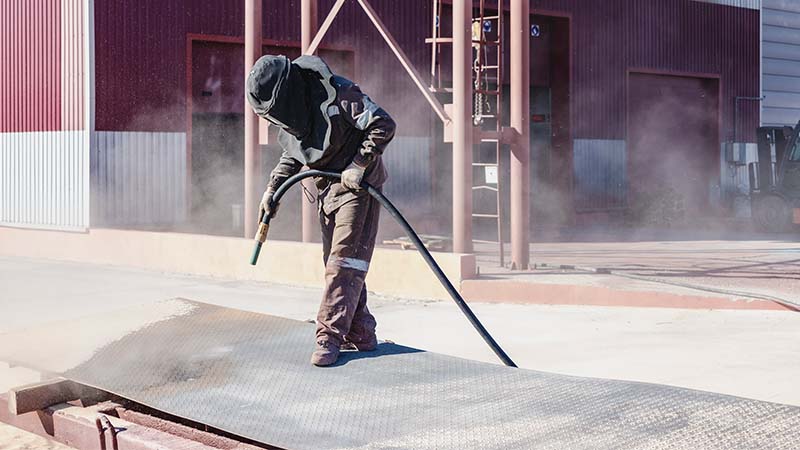
Abrasive blasting for orthopedic implant surface preparation differs from industrial blasting in three fundamental respects: the process is fully validated and locked, automated or semi-automated equipment is used rather than hand blasting, and every batch is traceable to a device history record. Beyond those framework requirements, the physics of the blasting operation are the same: compressed-air-accelerated particles impact the titanium surface, causing local plastic deformation, fracture, and erosion that creates the target surface topography.
Pre-blast cleaning
Machined implant components are cleaned to remove cutting fluids, machining debris, and handling contamination. Ultrasonic cleaning in aqueous detergent followed by deionized water rinse and drying is standard. Contaminated surfaces produce non-uniform blasting results because lubricant films alter the particle impact dynamics.
Masking critical features
Surfaces that must not be blasted — precision bearing surfaces, taper junctions, thread regions with dimensional tolerances — are masked with plugs, caps, or protective fixtures before blasting. On hip stems, the Morse taper that accepts the femoral head is always masked. On tibial trays, the articular surface mounting features are masked.
Automated blasting
Components are loaded into a programmed blasting cabinet or rotary blasting machine. Nozzle position, pressure, media flow rate, part rotation speed, and pass count are controlled by the validated program. For complex geometries like hip stems, multi-axis nozzle motion ensures uniform coverage of all bone-contact surfaces without shadow zones.
Post-blast inspection
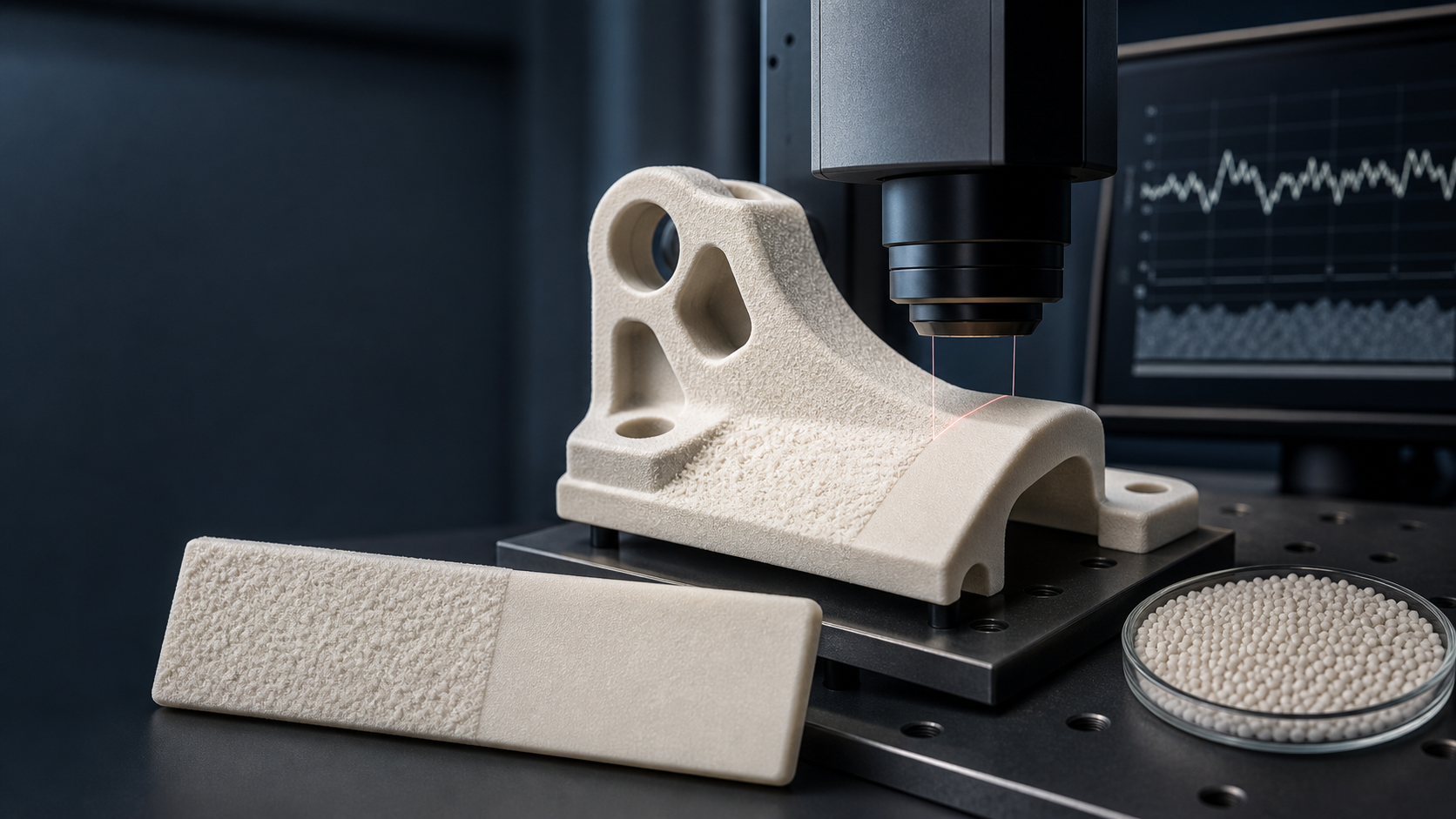
Surface roughness Ra is measured on each lot (or statistically sampled, per the validated sampling plan) using calibrated contact profilometry per ISO 4287. Visual inspection verifies uniform coverage without missed zones, over-blasting, or dimensional distortion on masked-adjacent features.
Post-blast processing
Depending on the device design, blasted components proceed to acid etching (for SLA-type surfaces), anodizing, hydroxyapatite plasma spray coating, or directly to ultrasonic cleaning and packaging. The sequence is fixed in the device master record and must not be altered without re-validation.
Equipment Types
Two principal equipment types are used for orthopedic implant blasting. Pressure blast cabinets use a pressurized media vessel to accelerate particles through a nozzle; they offer high blast velocity, precise pressure control, and consistent media flow, making them the most common choice for validated medical device production. Rotary blast machines use a rotating impeller wheel to propel media by centrifugal force; they offer higher throughput for simple geometries but less flexibility for complex three-dimensional implant surfaces. Both types must be equipped with media classification systems (screens, separators) that continuously remove broken media fragments to maintain consistent particle size distribution throughout the production run.
4. Process Parameters and Ra Achievement
The relationship between blasting process parameters and the resulting surface roughness Ra must be formally characterized during process validation, producing a documented parameter window within which the process reliably achieves the target Ra specification. The key variables are:
A key parameter that is often overlooked in industrial blasting but critical in medical device production is media condition. New angular aluminum oxide media cuts aggressively and produces a relatively high Ra for a given pressure. As the media is recycled through the blasting cabinet, angular particles break down into rounder, finer fragments that cut less efficiently and produce a lower Ra. If the media change interval is not defined and enforced, Ra will drift downward over the course of a production campaign. Medical device blasting operations define a media change interval based on validation data — either by cycle count, throughput weight, or periodic Ra measurement on a reference coupon — and discard media that has undergone sufficient breakdown to fall outside the validated particle size distribution.
| Parameter | Effect on Ra | Effect on Surface Texture | Medical Device Control |
|---|---|---|---|
| Media particle size ↑ | Ra increases | Deeper, wider craters; more macro-roughness | Fixed by media specification; screen-verified at use |
| Blast pressure ↑ | Ra increases | More aggressive material removal; risk of over-blast on thin walls | Pressure gauge on blast cabinet; validated window ±0.3 bar |
| Nozzle distance ↓ (closer) | Ra increases | Higher local energy density at impact zone | Fixed nozzle mount or CNC-controlled arm position |
| Impact angle → perpendicular | Ra increases slightly | Max material removal; sharper crater walls | Fixed by nozzle geometry and part fixture design |
| Dwell time ↑ | Ra stabilizes after saturation | Rapid increase then plateau; over-blasting rounds peaks | Cycle time validated; CNC program controls pass count |
| Media breakdown ↑ (worn media) | Ra decreases | Finer, shallower texture as particles become rounded | Media change interval validated; particle size verified |
5. The Alumina Contamination Problem: Mechanisms, Detection, and Solutions
The alumina contamination problem is one of the most important quality and biocompatibility considerations in titanium orthopedic implant manufacturing, and it has driven a significant shift in media selection practice over the past two decades. Understanding the problem — its mechanism, its biological significance, and its solutions — is essential for anyone specifying or performing blasting on titanium implants.
⚠ The Contamination Mechanism
- Embedding during impact: When angular Al₂O₃ particles impact titanium at 50–150 m/s, the local contact pressure at the impact point exceeds the hardness of both materials. The titanium substrate deforms plastically and flows around the impacting particle. Fine Al₂O₃ fragments — broken from the impacting particle by the collision — become mechanically trapped in the deformed titanium matrix.
- Depth of embedding: Embedded alumina particles have been detected by electron microscopy and surface analytical methods (XPS, AES, EDS) at depths of 1–5 μm below the titanium surface. They are not surface films — they are subsurface inclusions that survive standard cleaning operations.
- Persistence after acid etching: The acid etching step in SLA protocols removes some surface alumina but does not completely eliminate embedded subsurface particles. Post-etch XPS spectra of Al₂O₃-blasted titanium consistently show residual aluminum signals above background, even after extended acid etch times.
- Biological implications: In vitro studies using osteoblast and pre-osteoblast cell lines (MG-63, MC3T3-E1, primary rat osteoblasts) have shown that alumina particles at implant surfaces can inhibit cell spreading, reduce alkaline phosphatase activity (a marker of osteoblast differentiation), and decrease mineralization. The mechanism is not fully established but likely involves integrin receptor occupancy by alumina particles competing with the titanium oxide surface for cell attachment, and possible inflammatory cytokine release.
✓ Solutions and Mitigation Strategies
- Switch to TiO₂ blasting media: The most direct solution. TiO₂ particles that become embedded in titanium are chemically identical to the native titanium dioxide layer — there is no foreign material introduced. TiO₂ blasting achieves equivalent macro-roughness to Al₂O₃ at similar process parameters and eliminates the contamination concern entirely.
- Switch to zirconia (ZrO₂) blasting media: Zirconia produces equivalent surface topography to alumina with no alumina contamination. Zirconia is biocompatible per ISO 10993. However, zirconia residues in the surface layer require verification of their own — ZrO₂ is far less concerning than Al₂O₃ but should still be characterized.
- Aggressive fluoride acid treatment: HF-containing acid mixtures are more effective at dissolving embedded alumina from titanium surfaces than standard HCl/H₂SO₄ etching. Some manufacturers use HF-containing etch steps specifically to address alumina contamination, though this requires careful process control and handling due to HF hazards.
- XPS verification as in-process control: X-ray photoelectron spectroscopy (XPS) can quantify the surface aluminum atomic concentration after blasting and etching. Setting an in-process specification for maximum Al 2p signal intensity from XPS as a release criterion for each lot provides objective verification that contamination is below a defined threshold.
- Limit acid etch duration to optimize alumina removal: Process development studies can identify the acid etch time at which alumina surface concentration reaches its minimum — typically a plateau where continued etching removes no additional alumina. Optimizing etch time to this plateau ensures maximum alumina removal without over-etching the titanium substrate.
6. Media Selection: Al₂O₃, TiO₂, and Zirconia Compared
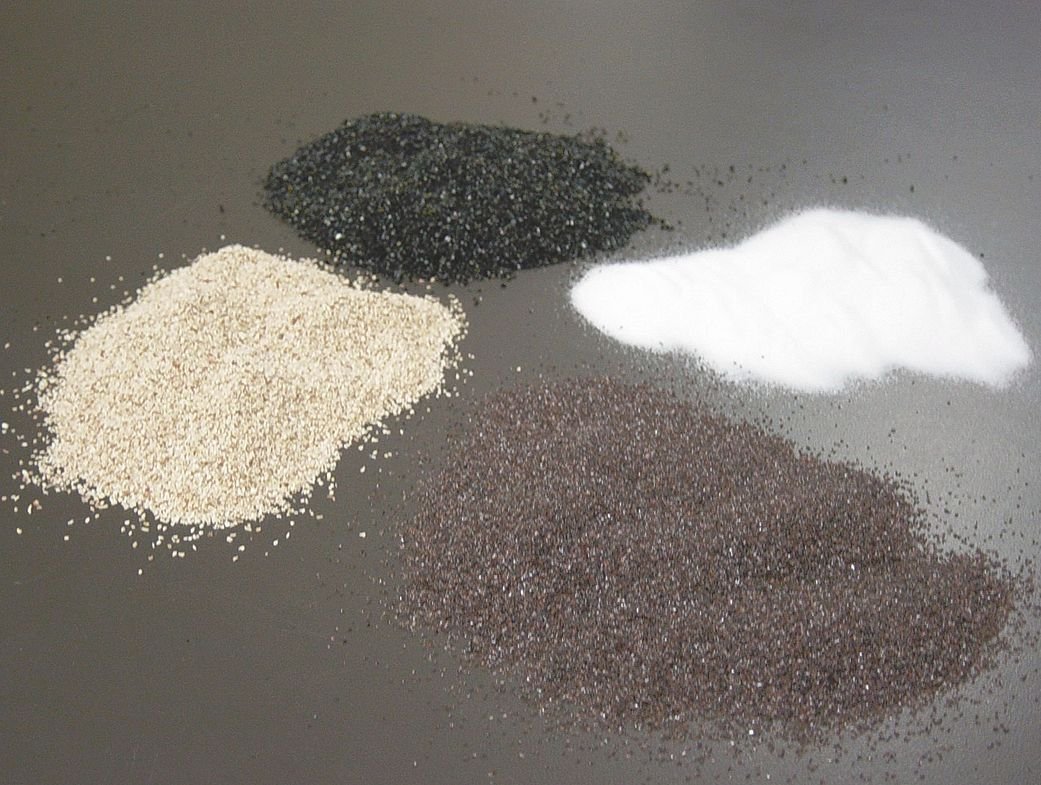
Aluminum Oxide (Al₂O₃)
- Most widely used; decades of SLA process data
- High cut rate; achieves Ra 2–4 μm readily
- Available in multiple grades; cost-effective
- Contamination risk in Ti surface layer
- Partially mitigated by acid etching but not eliminated
- Best suited where acid etching follows and XPS verification is routine
Titanium Dioxide (TiO₂)
- No foreign contamination risk — chemically Ti-compatible
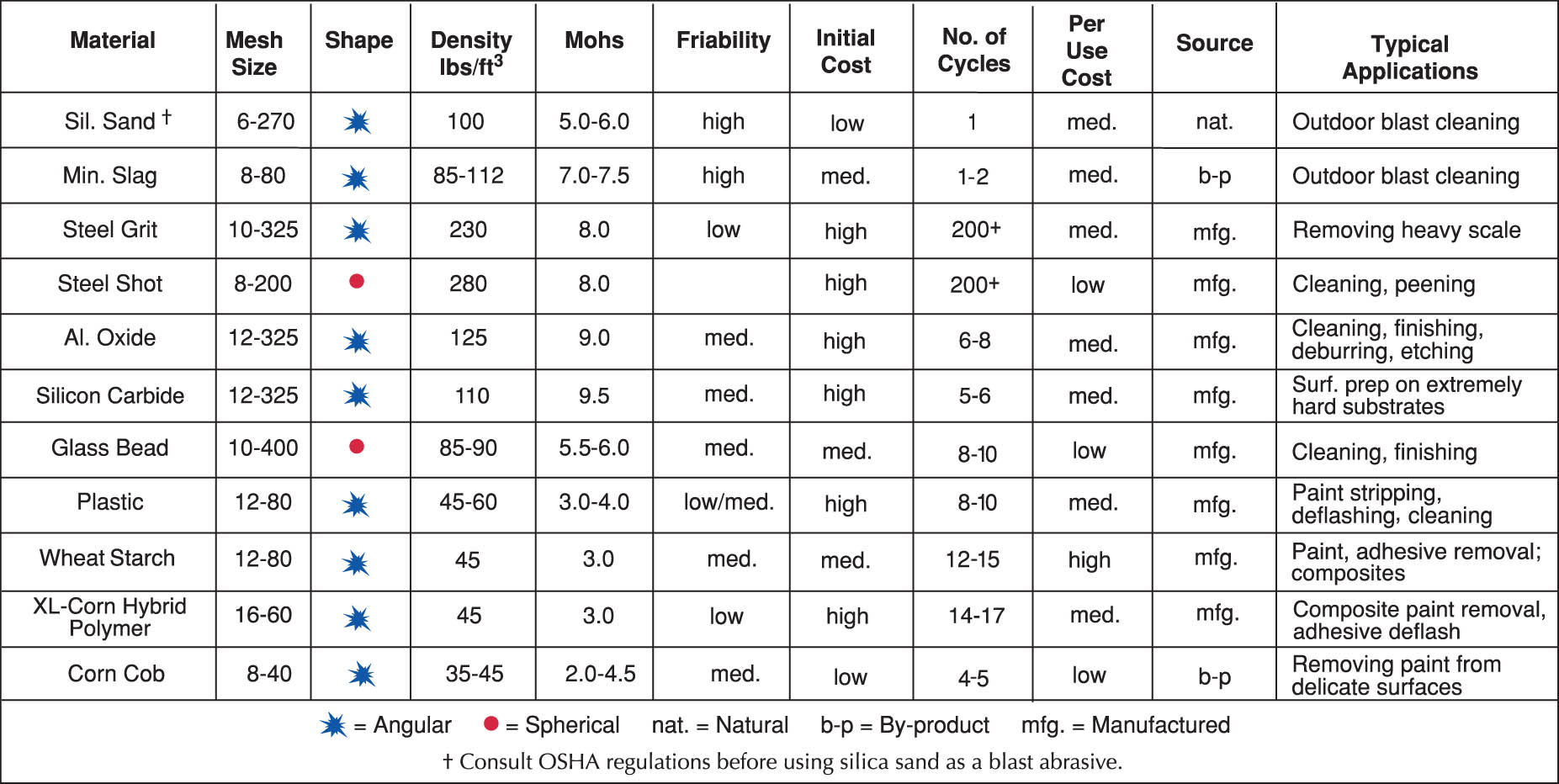
- Lower hardness than Al₂O₃ (Mohs ~6 vs ~9)
- Slightly lower cut rate; may require higher pressure
- Equivalent Ra achievable with optimized parameters
- Higher cost per kg; less widely available
- Preferred for alumina-free process specifications
Zirconia (ZrO₂)
- Higher hardness than TiO₂ (Mohs ~8.5); better cut rate
- Biocompatible; well-characterized per ISO 10993
- No alumina contamination; Zr residues less concerning
- More fragmentation risk at high pressures vs Al₂O₃
- Higher cost than Al₂O₃; growing availability
- Good choice for zirconia dental implant blasting
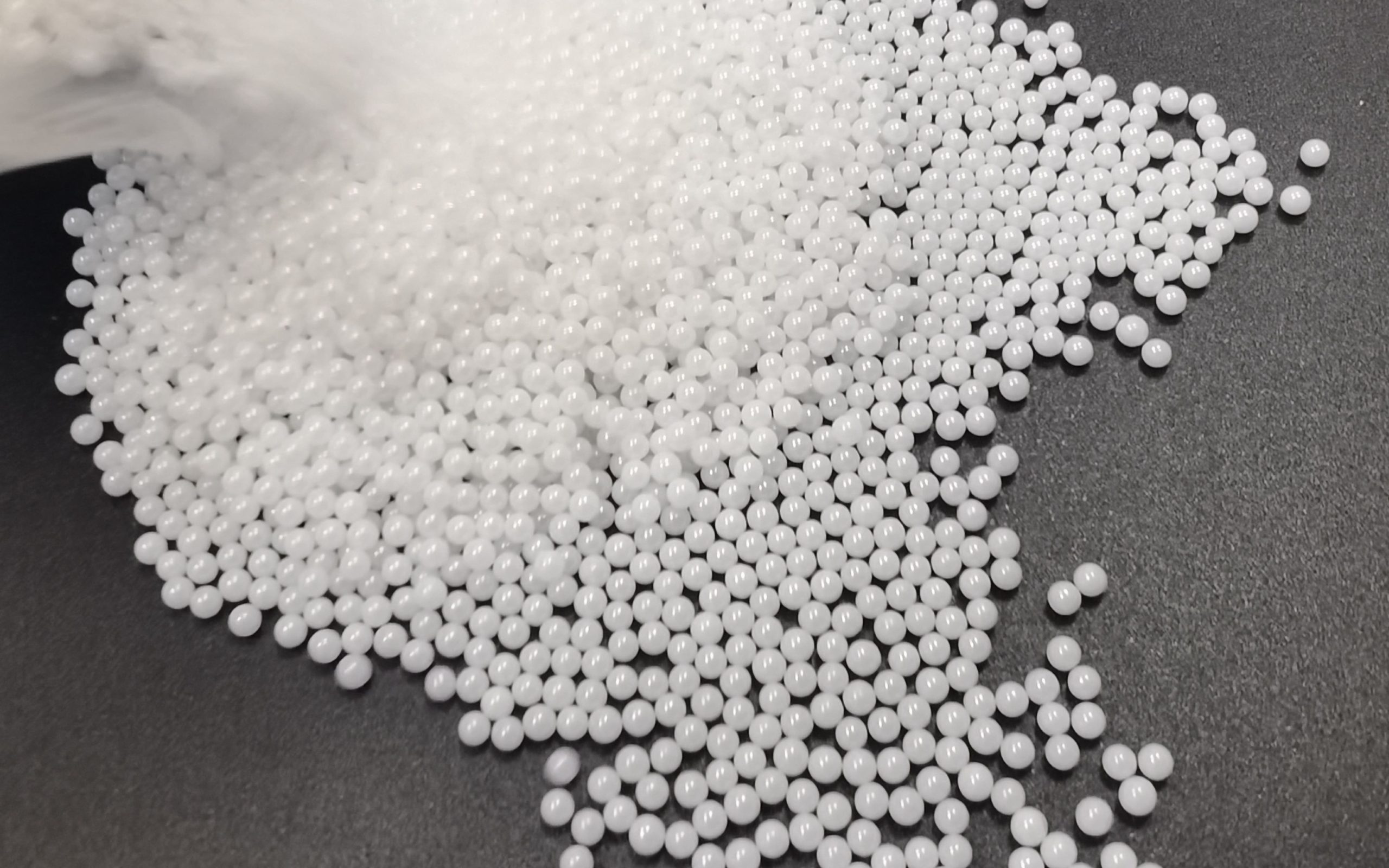
Glass Beads
- Not suitable for implant bone-ingrowth roughening
- Spherical morphology produces peened, compressed surface rather than rough, ablated craters
- Achieves Ra 0.4–1.5 μm — below the 2–4 μm target
- Appropriate for titanium device housings, non-bone-contact surfaces
- Used on pacemaker Ti cans, VAD housings, structural frames
| Property | Al₂O₃ | TiO₂ | ZrO₂ |
|---|---|---|---|
| Mohs hardness | 9 | 5.5–6.5 | 8–8.5 |
| Morphology | Angular | Angular to sub-angular | Angular to spherical (varies by grade) |
| Cut rate (relative) | High | Moderate | Moderate–High |
| Ra achievable on Ti (μm) | 1.5–5+ | 1.5–4 | 1.5–4.5 |
| Alumina contamination risk | High | None | None |
| Relative cost | Low | High | High |
| ISO 10993 biocompatibility | Concern if embedded | Compatible (native Ti oxide) | Compatible |
| Typical medical use | Most orthopedic/dental implants globally | Alumina-free implant processes | Zirconia implants; alumina-free Ti implants |
For a comprehensive side-by-side comparison of all abrasive media qualified for medical device use, including glass beads, plastic media, stainless steel shot, and sodium bicarbonate, see our dedicated media comparison guide: Abrasive Media for Medical Device Blasting: Full Comparison Guide.
7. Post-Blast Treatment: Acid Etching, Anodizing, and HA Coating
In orthopedic implant manufacturing, abrasive blasting is rarely the final surface treatment step. The blasted surface is almost always followed by one or more additional processes that either refine the surface chemistry, add a bioactive coating, or achieve regulatory compliance for cleanliness. The combination of blasting with these downstream processes defines the implant’s final biological surface.
Acid Etching (SLA Concept Applied to Orthopedics)
Acid etching after blasting — the SLA principle — is increasingly applied to orthopedic implant surfaces as well as dental implants. A mixture of HCl and H₂SO₄ at controlled concentration and temperature is applied for a validated time to the blasted titanium surface. The acid selectively attacks grain boundaries and crystal slip planes in the titanium, creating a fine micro-rough texture (Ra 0.5–1 μm) at a scale too fine to be produced by blasting alone. The result is a dual-scale surface: macro-rough from blasting, micro-rough from etching. For orthopedic applications, the etch conditions are typically more aggressive than for dental implants because the larger bone-contact areas and higher peri-implant stresses favor more robust topographic features. The acid etch also partially removes embedded alumina particles from Al₂O₃-blasted surfaces, improving surface biocompatibility.
Titanium Anodizing
Type II or Type III anodizing of the blasted titanium surface creates a controlled TiO₂ oxide layer (typically 5–20 nm for Type II, up to several hundred nanometers for thicker anodize) that can be used to encode nano-scale surface features and to adjust the oxide layer chemistry for enhanced protein adsorption and cell response. Anodizing over a blasted substrate preserves the macro-roughness of the blasted surface while adding a well-defined, controlled oxide chemistry at the outermost surface layer. Some manufacturers use colored anodize (exploiting the iridescent optical effect of thin-film interference in TiO₂) for component identification; the color corresponds to oxide layer thickness and is visible as a quality indicator.
Hydroxyapatite (HA) Plasma Spray Coating
Plasma-sprayed hydroxyapatite (HA) coating is one of the most widely used surface treatments for cementless hip stems and acetabular cups. HA — the calcium phosphate mineral component of bone — is applied by atmospheric plasma spray (APS) as a 50–200 μm thick coating over the blasted titanium substrate. Abrasive blasting of the titanium surface before HA coating serves a critical function: it creates the Ra 3–6 μm roughness needed for mechanical adhesion of the HA coating to the substrate (HA bonding depends on mechanical interlocking, not chemical adhesion) and removes the native oxide and contamination that would reduce coating adhesion strength. ASTM F1609 defines HA coating properties (crystallinity ≥ 62%, Ca/P ratio 1.67–1.76, phase purity, tensile adhesion strength ≥ 15 MPa), and the surface preparation specification for the substrate — including blasting parameters — is defined in the device master record.
Titanium Plasma Spray (TPS)
Titanium plasma spray creates a porous macro-rough coating (Ra 40–80 μm, pore size 100–400 μm) over the blasted titanium substrate, simulating the trabecular architecture of cancellous bone. TPS is used on some femoral hip stems and acetabular cups designed for maximum bone ingrowth. The underlying blasted surface provides the adhesion foundation for the plasma-sprayed Ti particles. TPS-coated implants have shown excellent long-term osseointegration in clinical studies, with bone ingrowth into the inter-particle pore spaces providing both mechanical and biological fixation.
8. Regulatory Standards and Quality Compliance
Abrasive blasting of orthopedic implants is performed within a multi-layer regulatory framework that governs both the substrate material and the surface treatment process.
| Standard | Scope | Relevance to Blasting |
|---|---|---|
| ASTM F136 / ISO 5832-3 | Wrought Ti-6Al-4V ELI for surgical implants | Material specification for the blasting substrate; sets chemical and mechanical requirements that blasting must not compromise |
| ASTM F1108 / ISO 5832-2 | Ti-6Al-4V alloy castings for surgical implants | Cast Ti substrate specification; blasting is standard post-cast surface preparation |
| ASTM F86 | Surface preparation and marking of metallic surgical implants | Requires blasting to be followed by appropriate cleaning; specifies passivation for stainless steel; addresses contamination requirements |
| ASTM F1609 | Hydroxyapatite coatings for surgical implants | HA coating properties; substrate surface preparation (blasting) is a prerequisite for meeting adhesion strength requirements |
| ISO 13485 | Medical device quality management systems | Blasting is a special process requiring validation, equipment qualification, operator qualification, and retained process records |
| ISO 10993 | Biological evaluation of medical devices | Governs biocompatibility of the finished surface including any blasting media residues; drives media selection and cleaning validation |
| ISO 4287 / ISO 25178 | Surface texture measurement | Defines Ra and 3D surface texture parameters used to specify and verify blasting outcome; measurement must be per these standards |
| FDA 21 CFR Part 820 / QMSR | U.S. quality system regulation for medical devices | Requires validated special process controls for surface treatment; applies to U.S. market Class II and III devices |
A key compliance point specific to blasting operations is the management of process change. Under ISO 13485, any change to a validated process — including a change in blasting media supplier, media lot, nozzle type, or blast cabinet — requires a formal change control assessment and, if the change is determined to affect the validated process parameters or output, re-validation. This means that switching from Al₂O₃ to TiO₂ media — even for better biocompatibility — requires a documented process re-validation demonstrating that the new media achieves equivalent Ra within the specification range and that the cleaned surface meets cleanliness requirements.
For a complete treatment of ISO 13485 validation requirements for abrasive blasting as a special process, including IQ/OQ/PQ protocol design, parameter range setting, and supplier qualification, see our dedicated compliance guide: ISO 13485 Compliance for Abrasive Blasting: Validating Surface Treatment as a Special Process.
9. Frequently Asked Questions
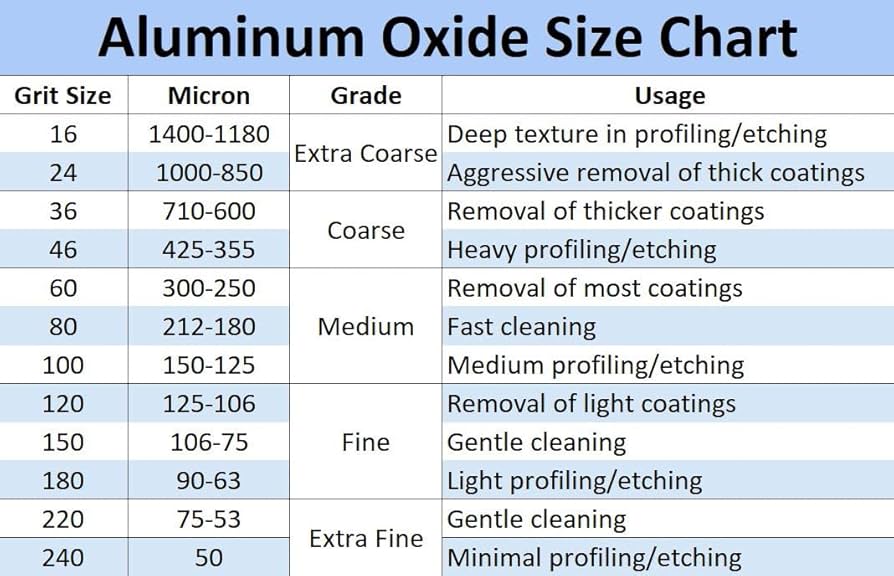
Aluminum oxide (corundum, Al₂O₃) in the 250–750 μm particle size range is the most widely used blasting media for orthopedic implant roughening. It is applied at 3–6 bar pressure to create Ra values in the 2–4 μm range needed for bone ingrowth. However, because alumina particles can become embedded in titanium surfaces and raise biocompatibility concerns, many manufacturers have adopted titanium dioxide (TiO₂) or zirconia (ZrO₂) blasting media as alumina-free alternatives that produce equivalent surface topography without contamination risk.
Cementless orthopedic implants designed for direct bone ingrowth target Ra values in the 2–4 μm range on bone-contact surfaces. This range has been established through histomorphometric and biomechanical studies as the optimal zone for osteoblast attachment and bone tissue formation. Spinal fusion cages may target Ra values up to 6 μm on their outer fusion surfaces. Specifications are defined by each manufacturer and verified using calibrated contact profilometry per ISO 4287 or optical profilometry per ISO 25178.
When aluminum oxide blasting media impacts a titanium substrate at high velocity, fine Al₂O₃ particles become mechanically embedded in the titanium surface layer to depths of 1–5 μm. These embedded particles are detectable by XPS and EDS/EDX analysis. In vitro studies have shown that surface alumina can inhibit osteoblast differentiation and proliferation. Acid etching partially removes surface alumina but does not eliminate all embedded particles. The primary solutions are switching to TiO₂ or zirconia blasting media, or performing a more aggressive fluoride acid treatment after blasting.
Yes. Titanium dioxide (TiO₂) blasting media is a direct alumina-free substitute for Al₂O₃ in titanium implant roughening. TiO₂ is chemically compatible with titanium — embedded TiO₂ residues are identical in composition to the native implant oxide — and produces equivalent macro-roughness at similar process parameters while eliminating alumina contamination concerns. TiO₂ media costs more than Al₂O₃ and has a somewhat lower cut rate per unit mass, requiring slightly adjusted process parameters. The switch from Al₂O₃ to TiO₂ requires re-validation under ISO 13485 to demonstrate equivalent Ra achievement and cleanliness on the new media.
Abrasive blasting of the titanium substrate before hydroxyapatite plasma spray coating serves two functions: it creates the surface roughness (Ra 3–6 μm) needed for mechanical adhesion of the plasma-sprayed HA coating layer, and it removes the native oxide and machining contamination to present a chemically clean, reactive titanium surface to the coating process. ASTM F1609 specifies the HA coating properties including minimum tensile adhesion strength of 15 MPa, and the surface preparation specification is defined in the device master record to ensure consistent coating adhesion across production lots.
Surface roughness affects osseointegration through mechanical, biological, and chemical mechanisms simultaneously. Mechanically, the micro-scale peaks and valleys of a blasted surface provide physical interlocking sites for fibrin clot organization and bone tissue infiltration. Biologically, osteoprogenitor cells sense surface topography through integrin-mediated mechanotransduction: rougher surfaces activate osteogenic signaling pathways that promote bone formation rather than fibrous tissue at the implant interface. Chemically, the increased surface area of a rough surface supports greater protein adsorption, amplifying biological recruitment signals. In vivo pull-out and push-out studies consistently demonstrate higher implant-bone interface shear strength for blasted surfaces compared to polished or turned controls of the same material.
Source Qualified Abrasive Media for Orthopedic Implant Production
Jiangsu Henglihong Technology supplies aluminum oxide, titanium dioxide, and glass bead blasting media with full material certifications, particle size distribution data, and purity documentation to support orthopedic implant process validation under ISO 13485. Technical data sheets available on request.
Request Media Specifications & QuoteFilters