Abrasive Blasting Media Comparison Chart: Hardness, Profile & Cost
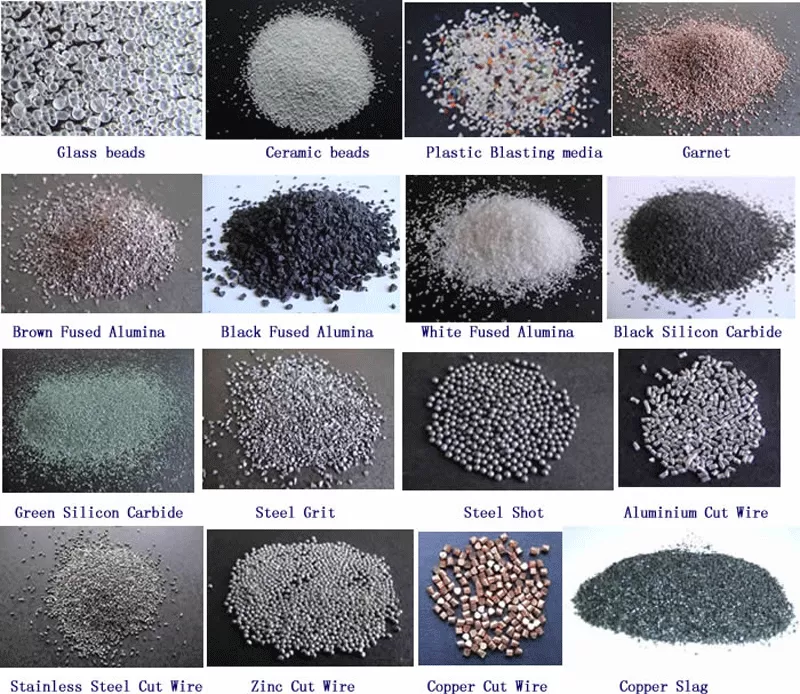
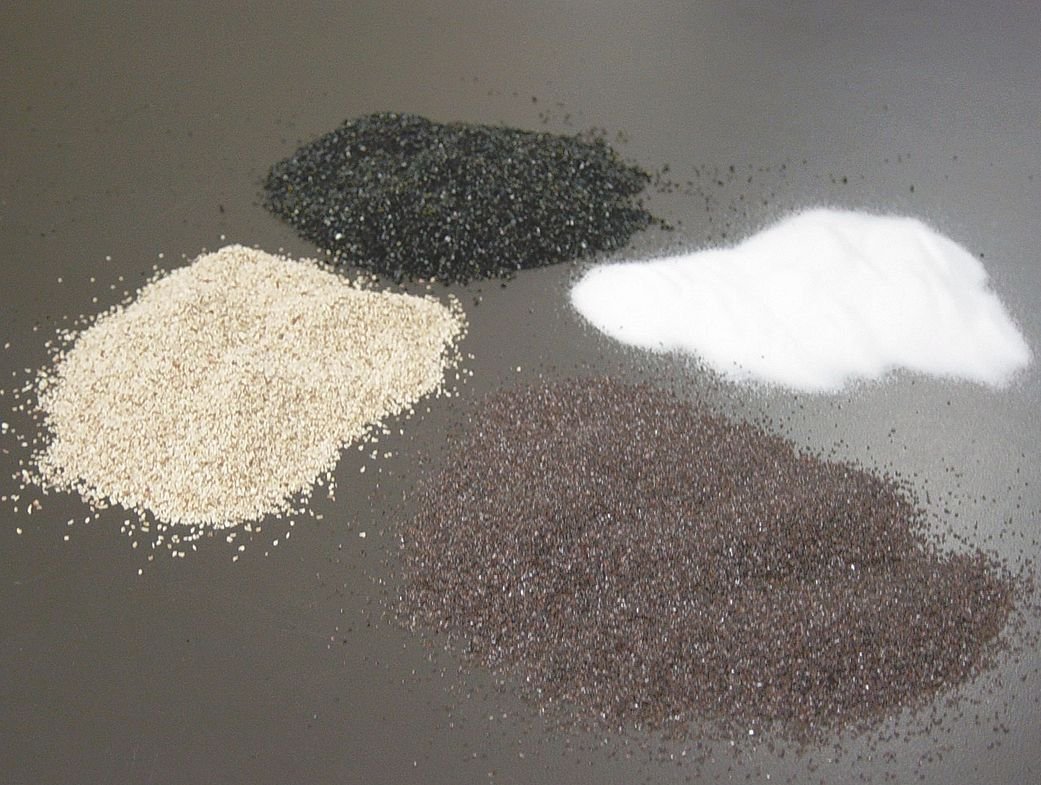
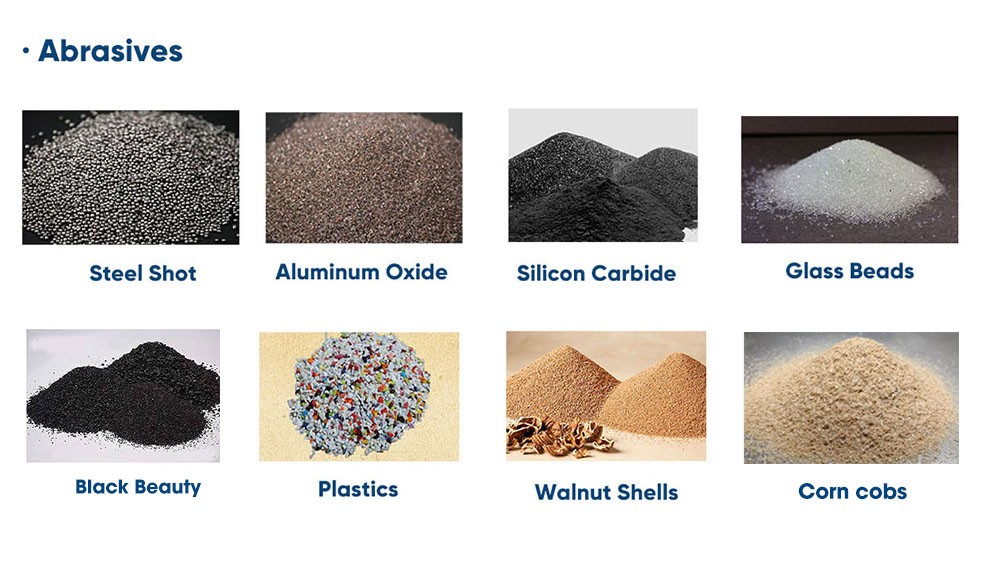
A complete side-by-side reference comparing all major abrasive blasting media across the dimensions that matter most for selection: hardness, surface profile, particle shape, reuse cycles, dust generation, and cost per effective cycle.
How to Use This Comparison
Selecting abrasive blasting media requires balancing multiple competing variables simultaneously. No single media type wins across every dimension — the right choice depends entirely on your specific substrate, required surface condition, throughput volume, safety environment, and cost constraints.
This guide provides structured comparison across six key dimensions: hardness, surface profile depth, particle shape, reuse cycles, dust generation, and cost per effective cycle. For each dimension, we rank all major media types and explain the practical implications of the differences. Use the master chart as your reference, then read the section relevant to your primary selection driver.
If you are new to abrasive blasting media selection, start with the Complete Guide to Abrasive Blasting Media before using this comparison. If you already know which property matters most to you, use the section index above to navigate directly.
Master Comparison Chart
The following table provides a comprehensive at-a-glance comparison of all major abrasive blasting media types. All ratings are relative to each other, not absolute scores.
| Media Type | Mohs Hardness | Shape | Profile Depth | Reuse Cycles | Dust Level | Iron Contam. | Free Silica | Cost/Cycle | Best Substrate |
|---|---|---|---|---|---|---|---|---|---|
| Aluminum Oxide | 9 | Angular | Deep | 4–8× | Medium | Brown: Yes / White: No | <1% | Low–Med | Steel, ceramics, glass |
| Silicon Carbide | 9–9.5 | Angular | Very Deep | 2–5× | Med–High | No | <0.5% | High | Ceramics, carbides, hard steel |
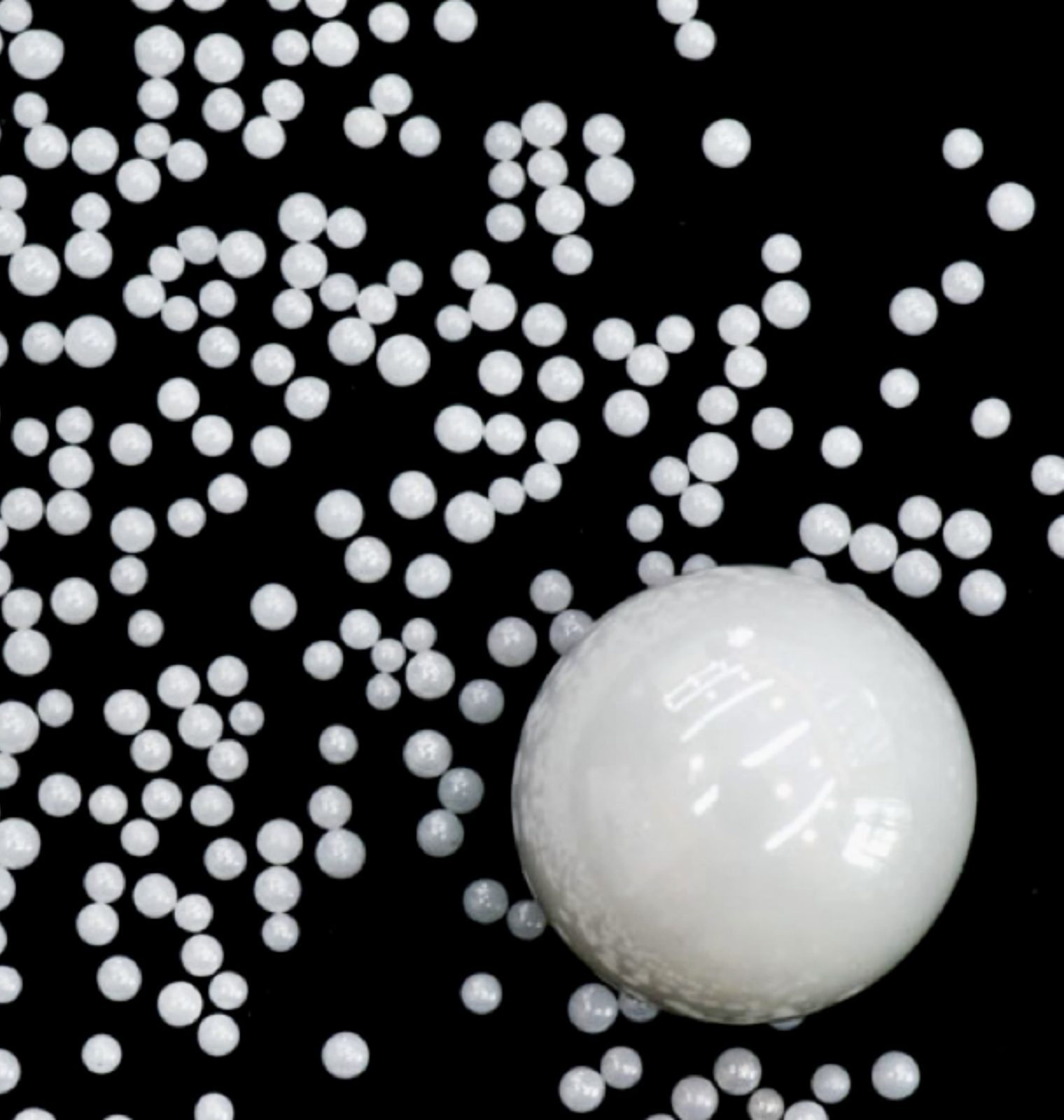
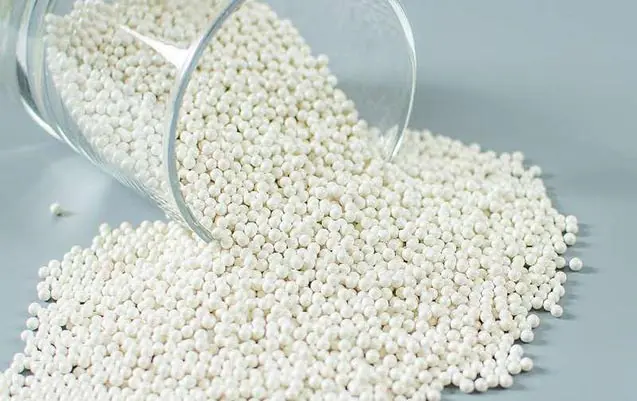
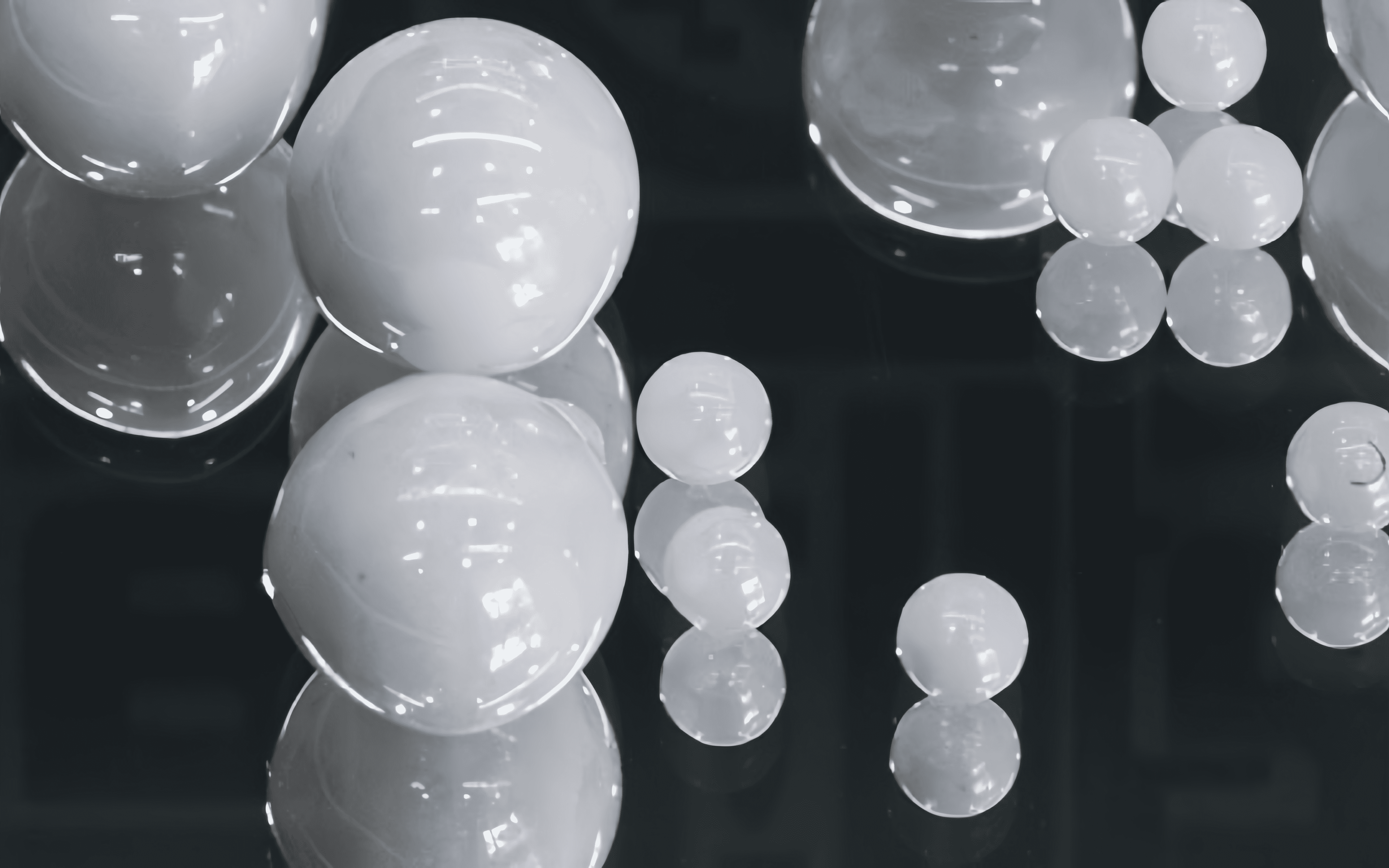
| Glass Bead | 5.5–6 | Spherical | Peened / Smooth | 3–6× | Low | No | ~70% (amorphous) | Medium | Stainless, aluminum, precision |
| Steel Shot | 7–8 | Spherical | Peened / Smooth | 200–300× | Low | Yes | None | Very Low/cycle | Carbon steel (peening) |
| Steel Grit | 7–8 | Angular | Deep | 200–300× | Low | Yes | None | Very Low/cycle | Carbon steel (coating prep) |
| Garnet | 7–8 | Angular | Medium–Deep | 3–5× | Very Low | No | <1% | Medium | Marine, offshore, eco-sensitive |
| Walnut Shell | 3–4 | Sub-angular | Minimal | 1× (single) | Low–Med | No | None | Low | Engine parts, wood, food equip. |
| Corn Cob | 2.5–3 | Irregular | None | 1× (single) | Very Low | No | None | Very Low | Soft metals, plastic, drying |
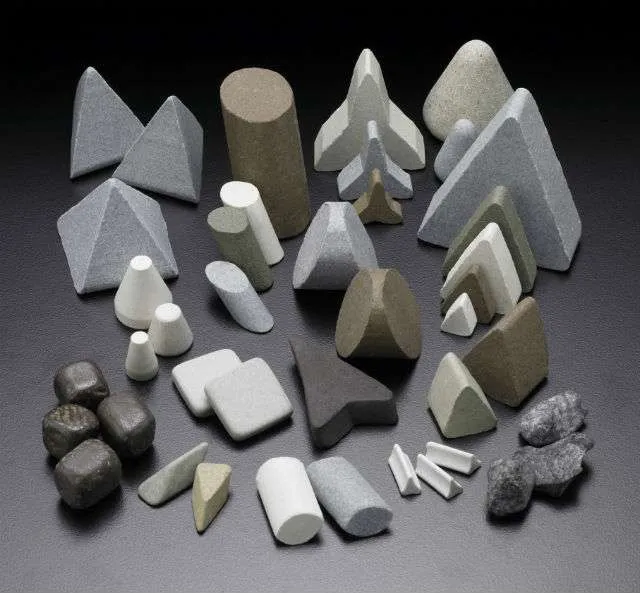
| Plastic Grit (Melamine) | 3.5–4 | Angular | Minimal | 3–5× | Low | No | None | Med–High | Aerospace composites, molds |
| Sodium Bicarbonate | 2.5 | Irregular | None | 1× (single) | Very Low | No | None | Med–High | Heritage, food equipment |
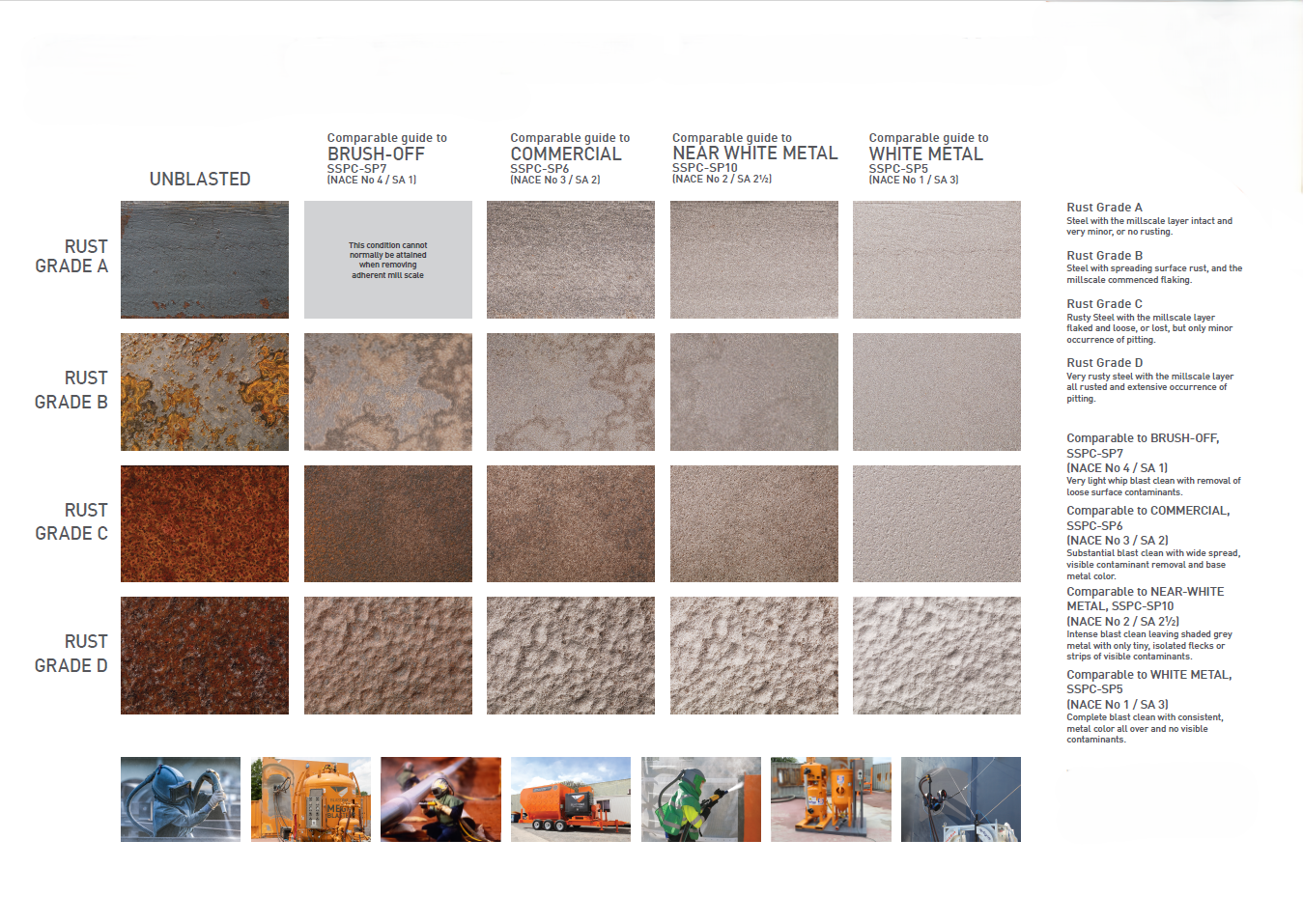
Profile Depth describes the anchor profile roughness the media creates — “Deep” means aggressive profiling suitable for heavy-duty coatings; “Peened/Smooth” means the media compresses rather than cuts the surface; “Minimal/None” means near-zero substrate alteration.
Iron Contamination indicates whether the media introduces ferrous particles into the blasted surface — critical for stainless steel, non-ferrous metals, and applications where rust staining cannot be tolerated.
Free Silica refers to crystalline silica content — the primary driver of silicosis risk. Note that glass beads contain amorphous silica (not crystalline), which carries a different and substantially lower health risk than quartz or cristobalite.
Hardness Comparison
Hardness is the most fundamental property of any abrasive blasting media. The Mohs scale runs from 1 (talc) to 10 (diamond). For practical reference, the substrate hardness sets the lower bound on effective media hardness — the media must be harder than the contamination being removed (rust, scale, paint) to cut through it, and ideally harder than the substrate where profiling is required.
| Rank | Media Type | Mohs Hardness | Knoop Hardness (kg/mm²) | Relative Position |
|---|---|---|---|---|
| 1 | Silicon Carbide | 9.0–9.5 | 2,400–2,600 | Hardest commonly used abrasive |
| 2 | Aluminum Oxide | 9.0 | 2,000–2,100 | Second hardest — general industrial standard |
| 3 | Steel Grit / Steel Shot | 7–8 (HRC 40–65) | ~700–900 | Hard metallic — effective on most steels |
| 3 | Garnet | 7.0–8.0 | ~1,350 | Moderate — effective on steel and softer metals |
| 5 | Glass Bead | 5.5–6.0 | ~600 | Moderate — peens rather than cuts |
| 6 | Plastic Grit (Melamine) | 3.5–4.0 | ~300 | Soft — coating removal only, no substrate cutting |
| 7 | Walnut Shell | 3.0–4.0 | ~250 | Soft — deposit cleaning without profiling |
| 8 | Corn Cob | 2.5–3.0 | ~150 | Softest — polishing and drying only |
| 8 | Sodium Bicarbonate | 2.5 | ~100 | Softest — zero substrate impact |
Practical implication: Any media at Mohs 7 or above will effectively cut and profile most carbon and alloy steels. For ceramics, carbides, and hardened tool steels (HRC 58+), only aluminum oxide or silicon carbide achieve adequate processing rates. For substrates softer than Mohs 5 — aluminum alloys, composites, plastics — glass beads or soft media must be used to avoid substrate damage.
Surface Profile Comparison
Surface profile — the microscopic roughness created by blasting — is the critical parameter for coating adhesion. Most industrial protective coating specifications define a minimum profile depth (Ra or Rz in microns, or Almen intensity for peening) that must be achieved before coating application. The profile is driven by both media hardness and particle shape.
| Media Type | Profile Type | Typical Ra Range (µm) | Typical Rz Range (µm) | ISO 8501-1 Achievable |
|---|---|---|---|---|
| Silicon Carbide (coarse F16–F36) | Angular anchor | 8–20 | 50–150+ | Sa 3 |
| Aluminum Oxide (F36–F80) | Angular anchor | 4–12 | 30–90 | Sa 2.5–Sa 3 |
| Steel Grit GH (G-18–G-25) | Angular anchor | 8–18 | 60–140 | Sa 2.5–Sa 3 |
| Steel Grit GL (G-25–G-50) | Angular anchor | 5–12 | 35–80 | Sa 2.5 |
| Garnet (20/40–36/60 mesh) | Angular anchor | 4–10 | 30–70 | Sa 2.5 |
| Steel Shot (S-230–S-460) | Peened dimples | 1–4 | 8–25 | Sa 2.5 (w/ prior grit) |
| Glass Bead (US 80–170 mesh) | Peened dimples | 0.4–2.0 | 3–15 | Not profiling |
| Plastic / Organic | None / Negligible | <0.5 | <3 | Not applicable |
Always verify the required profile depth against the coating manufacturer’s technical data sheet before specifying blasting media and grit size. Most heavy-duty epoxy primers require a minimum Rz of 40–75 µm (Sa 2.5). Zinc-rich primers often require 50–100 µm Rz. Thermal spray bond coats may require 60–120 µm Ra. Using media that cannot achieve the required profile depth will result in premature coating failure regardless of how thorough the blasting operation was.
Reusability Comparison
The number of times blast media can be recycled and reused before requiring replacement is one of the most economically significant variables in total blasting cost. The difference between 2 cycles and 250 cycles, at the same purchase price per kilogram, is a 125× difference in effective cost per kg of media consumed.
| Media Type | Reuse Cycles | Key Limitation | Reclaim System Required |
|---|---|---|---|
| Steel Shot / Steel Grit | 200–300× | Mechanical deformation and size reduction over time | Full closed-loop: elevator, cyclone, classifier |
| Aluminum Oxide | 4–8× | Particle fracture reduces grit size progressively | Air wash classifier and dust collector |
| Glass Bead | 3–6× | Sphere fracture — broken beads must be removed promptly | Spiral separator or air wash to remove non-spherical particles |
| Garnet | 3–5× | Progressive fracture and size reduction | Air wash classifier and dust collector |
| Silicon Carbide | 2–5× | High friability — fractures rapidly under impact | Air wash classifier and dust collector |
| Melamine Plastic Grit | 3–5× | Fracture and size reduction; contaminant absorption | Cabinet reclaim with dust collection |
| Walnut Shell | 1× (single) | Rapid fracture and contaminant absorption | Not practical |
| Corn Cob | 1× (single) | High absorbency — saturates with contaminants | Not practical |
| Sodium Bicarbonate | 1× (single) | Dissolves on impact — designed for single use | Not applicable |
For a detailed economic model of how reuse cycles translate into per-cycle cost, see: Reusable vs Single-Use Blasting Media: Cost Analysis & ROI. For guidance on reclaim system design and operation: Abrasive Blasting Media Recycling & Reclaim Systems.
Cost Per Cycle Analysis
Raw purchase price per kilogram is a misleading metric for media selection. The economically correct metric is cost per effective blasting cycle — the purchase price divided by the number of times the media can be reused. The table below illustrates representative costs based on typical market pricing as of April 2026. Actual prices vary by supplier, grade, quantity, and geography.
| Media Type | Typical Purchase Price (USD/kg) | Reuse Cycles | Est. Cost Per Effective Cycle (USD/kg) | Relative Cost Rank |
|---|---|---|---|---|
| Steel Shot / Steel Grit | $1.20–$1.80 | 250 | $0.005–$0.007 | 1st — Lowest |
| Aluminum Oxide | $0.90–$1.50 | 6 | $0.15–$0.25 | 3rd |
| Garnet | $0.25–$0.50 | 4 | $0.06–$0.13 | 2nd |
| Glass Bead | $0.80–$1.40 | 4 | $0.20–$0.35 | 4th |
| Silicon Carbide | $1.50–$2.80 | 3 | $0.50–$0.93 | 7th |
| Melamine Plastic Grit | $1.80–$3.50 | 4 | $0.45–$0.88 | 6th |
| Walnut Shell | $0.40–$0.90 | 1 | $0.40–$0.90 | 5th |
| Corn Cob | $0.25–$0.60 | 1 | $0.25–$0.60 | 5th |
| Sodium Bicarbonate | $1.00–$2.00 | 1 | $1.00–$2.00 | 8th — Highest |
At a cost per effective cycle of $0.005–$0.007/kg, steel shot and grit are 10–30× cheaper per cycle than any alternative except garnet (used in low-volume open-site applications). The caveat is capital cost: a closed-loop steel media reclaim system (elevator, cyclone, classifier) adds $50,000–$300,000+ in equipment cost, which only pays off above a certain monthly blasting volume threshold. For operations processing less than 100 tonnes of steel per month, alternative media may be more economical on a total cost basis.
Dust & Health Risk Comparison
Dust generation during blasting is both a health risk and an operational challenge. Fine airborne particles — particularly those in the respirable fraction below 10 µm — can penetrate deep into the lungs and cause serious long-term respiratory disease. The severity of the risk depends on both the quantity of dust generated and its chemical composition, particularly crystalline silica content.
| Media Type | Dust Generation | Free Crystalline Silica | Primary Health Concern | OSHA Regulatory Tier |
|---|---|---|---|---|
| Silica Sand | Very High | 70–99% | Silicosis (fatal) | Banned or stringent controls |
| Coal Slag | High | 1–3% | Silicosis risk; potential heavy metals | Enhanced controls; TCLP testing |
| Aluminum Oxide | Medium | <1% | Nuisance dust; low silicosis risk | Standard controls |
| Silicon Carbide | Medium–High | <0.5% | Nuisance dust; low silicosis risk | Standard controls |
| Glass Bead | Low | ~70% (amorphous only) | Amorphous silica — lower risk than crystalline | Standard controls |
| Garnet | Very Low | <1% | Nuisance dust; very low silicosis risk | Standard controls |
| Steel Shot / Grit | Low | None | Metal dust; nuisance inhalation | Standard controls |
| Plastic / Organic | Low–Very Low | None | Organic / polymer dust — nuisance | Standard controls |
For full regulatory guidance and safe alternatives to silica sand, see: Silica Sand in Abrasive Blasting: Health Risks, OSHA Rules & Safe Alternatives. For PPE and ventilation requirements across all media types: Abrasive Blasting Media Safety: PPE, Ventilation & Dust Control.
Application Decision Matrix
Use this matrix to rapidly identify the most appropriate media category for common application scenarios. Each scenario assumes optimal grit size selection within the recommended media type. For precise grit size guidance, see: Blasting Media Grit Size & Mesh Size Guide.
| Application Scenario | Primary Recommendation | Alternative | Do Not Use |
|---|---|---|---|
| Heavy rust removal from carbon steel (structural) | Steel Grit GL/GH | Aluminum Oxide (F36–F60) | Silica sand; glass bead |
| Coating prep before epoxy primer (Sa 2.5) | Steel Grit / Garnet | Aluminum Oxide | Glass bead; organic media |
| Thermal spray bond coat preparation | Aluminum Oxide (F46–F60) | Garnet | Steel shot; glass bead |
| Stainless steel satin finish | Glass Bead (US 100–170) | White Aluminum Oxide | Steel shot/grit (iron contamination) |
| Shot peening for fatigue life | Steel Shot (SAE spec) | Glass Bead (AMS 2431) | Angular media |
| Aircraft composite paint stripping | Melamine Plastic Grit | Urea Plastic Grit | Any mineral or metallic media |
| Ceramic / carbide surface preparation | Silicon Carbide | Aluminum Oxide (harder grades) | Steel; garnet; glass bead |
| Marine hull preparation (offshore spec) | Garnet | Steel Grit (w/ full reclaim) | Coal slag; silica sand |
| Engine carbon deposit removal | Walnut Shell | Fine glass bead | Aluminum oxide; steel media |
| Heritage building restoration | Sodium Bicarbonate | Walnut Shell / Corn Cob | Any hard or angular media |
| High-volume structural steel (pipe mill / shipyard) | Steel Grit (closed-loop) | Garnet (portable work) | Single-use mineral media |
Iron Contamination Risk
Iron contamination of blasted surfaces is a critical quality issue for stainless steel, non-ferrous metals, and any substrate where subsequent coatings or processes are sensitive to ferrous particles. Steel shot and steel grit embed microscopic ferrous particles into the substrate during blasting — particles that will cause rust staining and can destroy the passivation layer on stainless steel. This risk is binary: either the media contains iron, or it does not.
| Media Type | Iron Content | Safe for Stainless? | Safe for Aluminum? | Safe for CFRP/Composite? |
|---|---|---|---|---|
| Steel Shot / Steel Grit | High (ferrous) | No | No | No |
| Brown Aluminum Oxide | Trace (Fe₂O₃ ~1–3%) | Caution | Yes | Yes |
| White Aluminum Oxide | None (<0.1%) | Yes | Yes | Yes |
| Silicon Carbide | None | Yes | Yes | Yes |
| Glass Bead | None | Yes | Yes | Yes |
| Garnet | None (non-ferrous mineral) | Yes | Yes | Yes |
| Plastic / Organic Media | None | Yes | Yes | Yes |
Need Help Selecting the Right Blasting Media?
Jiangsu Henglihong Technology supplies aluminum oxide, silicon carbide, glass beads, and steel shot/grit — the four highest-volume industrial blasting media types. Our technical team can help you match the right media and grade to your specific application, substrate, and performance specification.
Request a Free Technical ConsultationFrequently Asked Questions
Filters