Rust Removal Methods – Industrial Surface Treatment Guide
Primary keyword: rust removal · Secondary: abrasive blasting, chemical pickling, phosphating
Importance of Rust Removal
Rust compromises structural integrity, accelerates wear, and reduces coating adhesion. Effective rust removal ensures part longevity and downstream process reliability. Neglecting rust removal can reduce coating adhesion by 40–60%, increase defect rates, and shorten service life.

Rust removal also prevents contamination in assembly lines, especially in automotive, aerospace, and heavy machinery industries.
Abrasive Blasting Methods
Abrasive blasting removes rust via high-velocity particles impacting the surface. Key parameters include grit type, particle size, pressure, nozzle type, and stand-off distance.
- Aluminum oxide blasting: Medium-hard abrasive for heavy rust removal on steel
- Steel shot blasting: High-energy for thick oxide layers and surface preparation
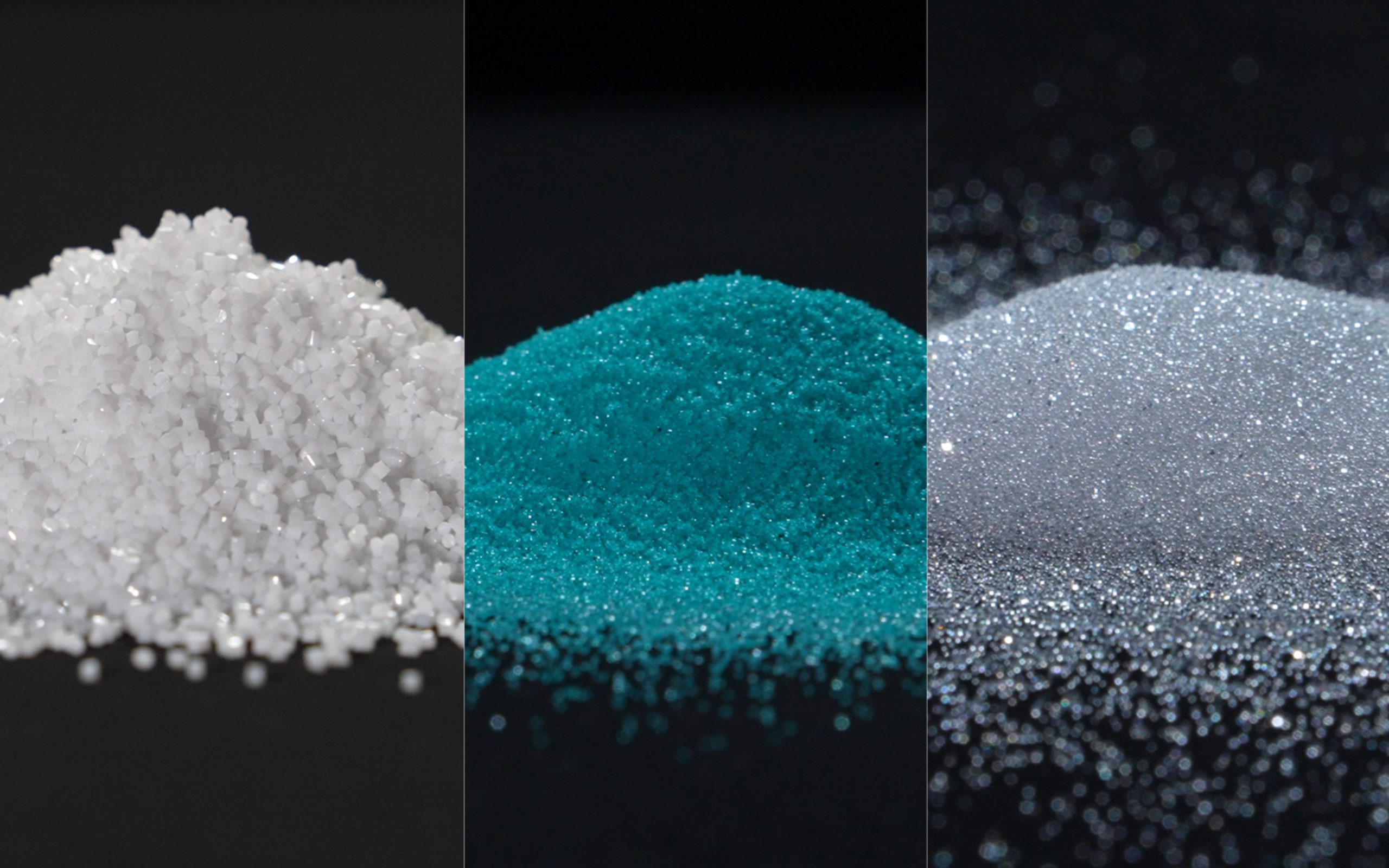
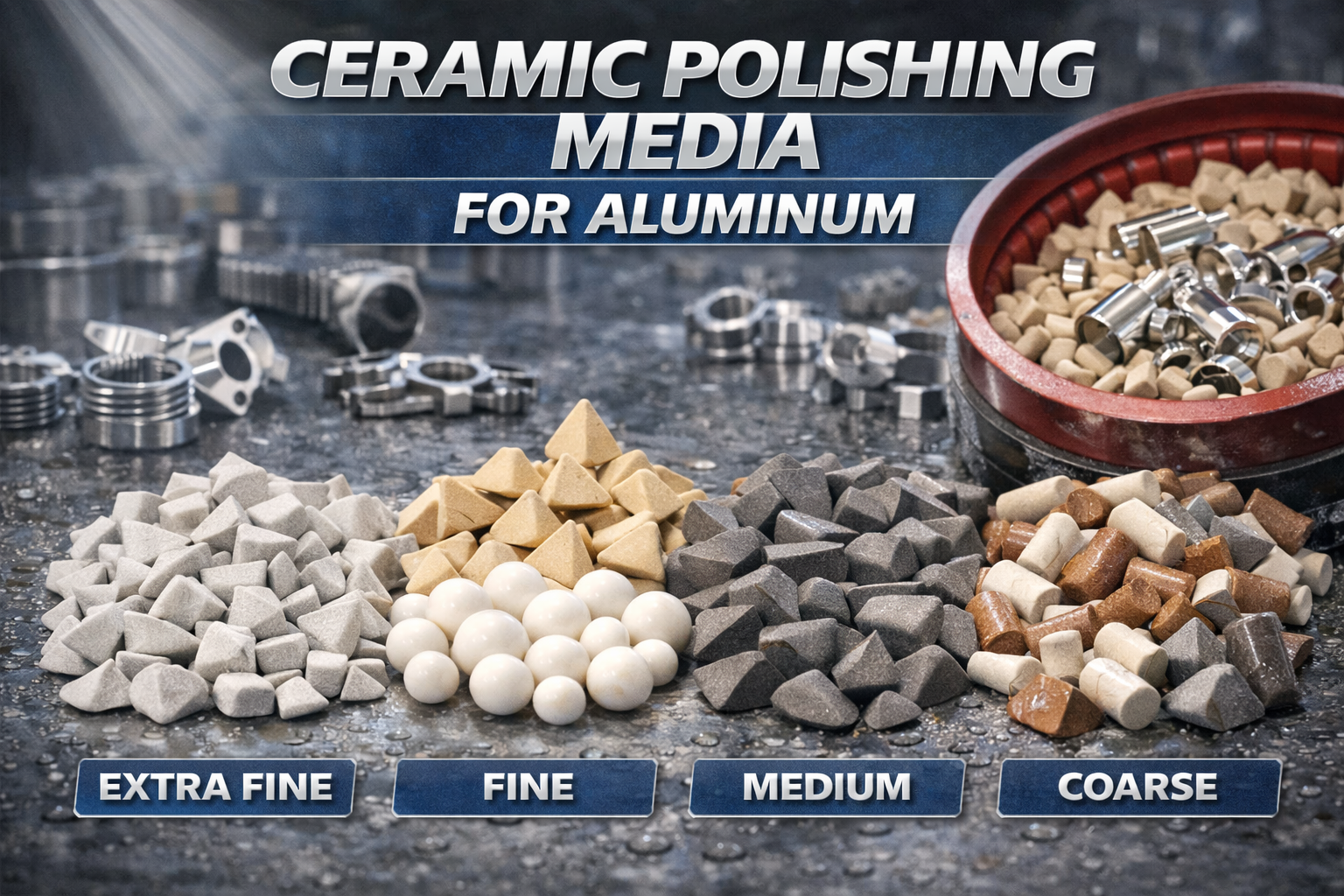
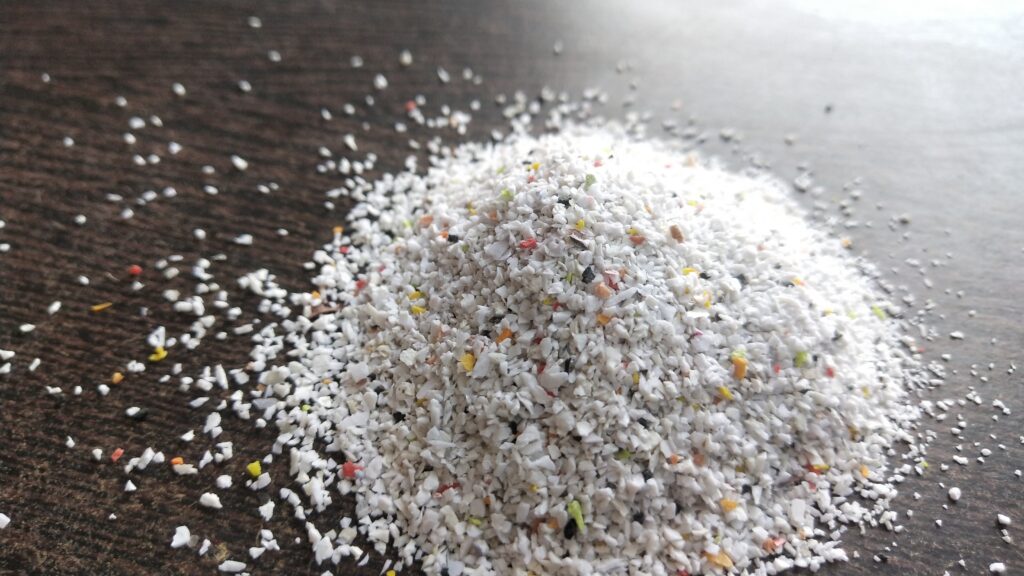
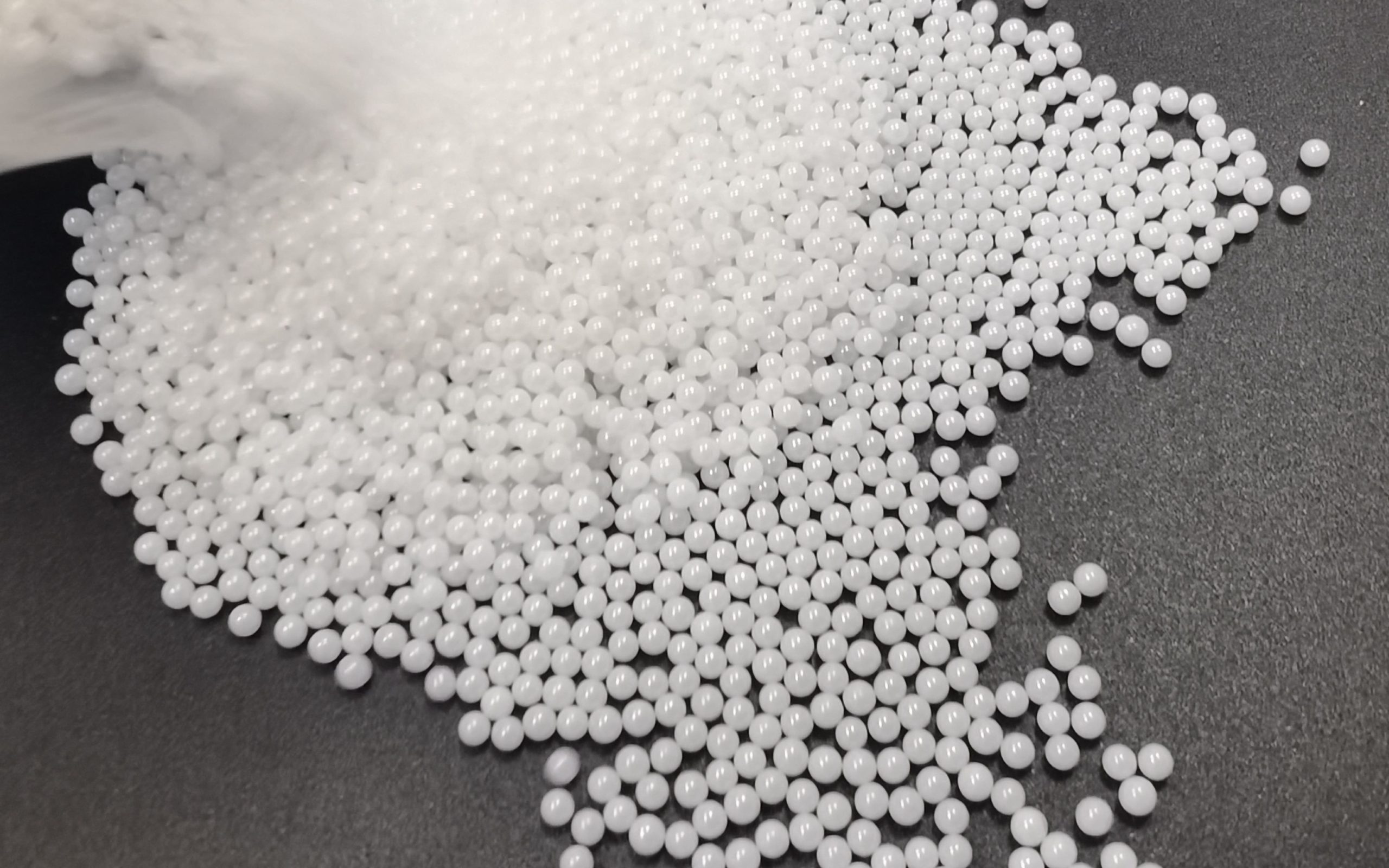
- Plastic or ceramic media: Gentle removal, preserves base metal geometry
| Media | Pressure | Nozzle / Distance | Notes |
|---|---|---|---|
| Aluminum oxide 80–120 µm | 3.5–6 bar | 6–12 mm nozzle, 150–300 mm | Heavy rust removal, pre-paint prep |
| Steel shot S110–S230 | 4–7 bar | 8–14 mm nozzle, 200 mm | Improves fatigue performance on shafts and springs |
| Plastic beads 1–2 mm | 2–4 bar | Fine nozzle, 100–200 mm | Light rust, sensitive surfaces |

Chemical Pickling Techniques
Pickling dissolves rust and scale using acids or proprietary chemical baths. Common chemistries:
- Hydrochloric acid (HCl) 5–15% for mild steel rust
- Sulfuric acid (H2SO4) 5–10% for oxide layers
- Phosphoric acid for conversion coating and light rust
Important parameters: concentration, temperature, dwell time, and agitation.
| Chemical | Concentration | Temperature | Dwell Time |
|---|---|---|---|
| HCl | 5–15% | 20–35°C | 5–15 min |
| H2SO4 | 5–10% | 25–40°C | 5–12 min |
| Phosphoric acid | 5–12% | 25–35°C | 10–20 min |
Phosphating & Conversion Coatings
Phosphating applies a protective phosphate layer after rust removal, improving corrosion resistance and coating adhesion.
- Zinc phosphate: standard for steel automotive parts
- Manganese phosphate: wear-resistant surfaces, often for gear components
- Iron phosphate: general pre-coating application
| Type | Temp | Time | Film Thickness |
|---|---|---|---|
| Zinc phosphate | 65–75°C | 5–10 min | 5–10 μm |
| Manganese phosphate | 95–100°C | 10–30 min | 10–20 μm |
| Iron phosphate | 60–70°C | 5–15 min | 2–5 μm |

Mechanical Rust Removal
Techniques include wire brushing, sanding, grinding, and buffing. Mechanical methods are typically used for localized rust or thin layers where chemical/abrasive processes are overkill.
- Wire brushes: handheld or automated for surface cleaning
- Sanders / grinders: for medium corrosion layers
- Rotary tools with abrasives: precision removal

Choosing the Right Rust Removal Method
Consider:
- Material type (steel, cast iron, aluminum)
- Rust thickness / severity
- Geometry and precision requirements
- Throughput requirements
- Downstream coating or assembly needs
Pilot Protocol for Rust Removal
- Select representative parts (n=30–100)
- Run small-scale test for each candidate method (abrasive, chemical, phosphating, mechanical)
- Measure rust residual, surface roughness, and coating adhesion if downstream process is applied
- Optimize parameters: grit size, pressure, chemical concentration, temperature, dwell time
- Document process window for production
Quality Control Metrics
| Metric | Unit | Target | Measurement |
|---|---|---|---|
| Residual rust | % area | <2% | Visual inspection / image analysis |
| Surface roughness (Ra) | μm | 0.8–2.5 | Profilometer |
| Coating adhesion | MPa | >8 | Pull-off adhesion test |
| Process yield | % pass | >98% | Inspection records |
Industrial Case Studies
1. Automotive Chassis: Aluminum oxide blasting removed 100% surface rust; zinc phosphating improved adhesion to paint.
2. Steel Gears: Manganese phosphating post mechanical brushing enhanced wear resistance; cycle time optimized to 25 min per batch.
3. Ship Hull Panels: Acid pickling with HCl dissolved heavy rust; abrasive blasting for final profile; corrosion tests confirmed <10 μm penetration.
Safety & Environmental Considerations
- PPE: respirators, gloves, goggles for dust and chemicals
- Ventilation: LEV for dust and acid fumes
- Waste: neutralize spent acids, segregate metal fines, comply with local regulations
- Training: ensure operators understand handling of high-pressure equipment, acids, and phosphating baths
For integration into broader finishing workflows, see the surface treatment processes guide.
Filters