Aluminum Oxide – Industrial Abrasive Solution
Aluminum oxide, also known as alumina, is one of the most commonly used abrasive media in industrial processes. Thanks to its high hardness, chemical stability, and versatility, aluminum oxide is the go-to solution for applications such as surface cleaning, rust removal, grinding, and precision polishing. This article provides a detailed guide to its properties, types, applications, and practical selection tips.
What is Aluminum Oxide?
Aluminum oxide is a chemical compound of aluminum and oxygen, with the formula Al₂O₃. It occurs naturally in minerals like corundum but is typically manufactured for industrial use. In abrasive media, aluminum oxide is processed into grains or powders with sharp edges that cut efficiently through surfaces.
Key properties include:
- Hardness: With a Mohs rating of 9, aluminum oxide is almost as hard as diamond, making it highly effective for abrasive tasks.
- Durability: Can be reused multiple times without losing efficiency, depending on the blasting process.
- Chemical resistance: Resistant to acids, alkalis, and high temperatures.
- Versatility: Suitable for metals, plastics, glass, ceramics, and even wood.

Types and Specifications
Different types of aluminum oxide are designed to meet the needs of various industries. The main categories include:
1. Brown Aluminum Oxide
Brown aluminum oxide is the most common type. It is produced by fusing bauxite in electric arc furnaces. It is tough, durable, and widely used for surface cleaning, rust removal, and general blasting.
2. White Aluminum Oxide
White aluminum oxide is purer and sharper than brown aluminum oxide. It has higher hardness and is ideal for applications requiring precision and fine finishes, such as polishing delicate medical instruments or aerospace components.
3. Specialty Grades
Specialty aluminum oxide products are customized for specific industries. They may come in micro-powders for electronics, or in coarse grains for heavy-duty grinding applications.
| Type | Color | Hardness | Typical Applications |
|---|---|---|---|
| Brown Aluminum Oxide | Brown | High | Rust removal, deburring, paint stripping |
| White Aluminum Oxide | White | Very High | Polishing, surface finishing of delicate parts |
| Specialty Grades | Varies | Medium–High | Electronics, aerospace, custom blasting processes |
For a broader overview of abrasive media, see our Abrasive Media Guide.
Industrial Applications
Aluminum oxide’s strength and versatility make it suitable for almost every major industry. Here are some common use cases:
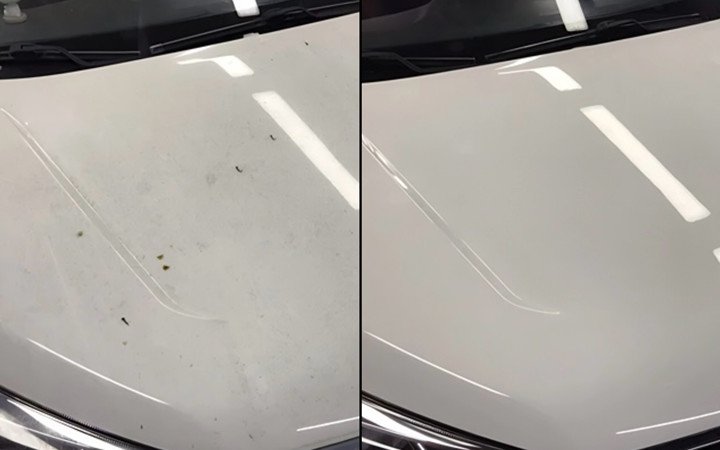
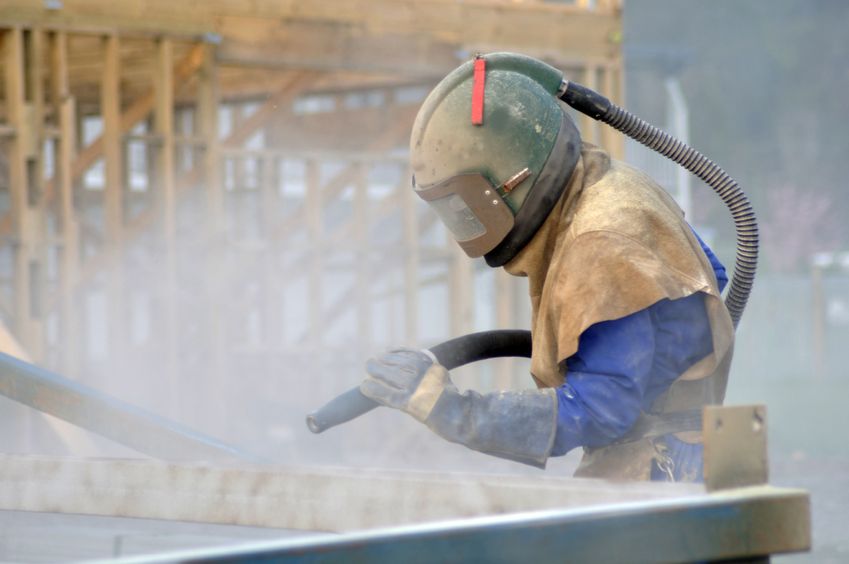
- Automotive: Removing rust and old paint from car bodies, polishing engine components, and preparing metal surfaces for coating.
- Aerospace: Treating turbine blades, lightweight alloys, and critical components that require precision finishing.
- Electronics: Used in micro-powder form for cleaning printed circuit boards and polishing delicate parts without contamination.
- Medical equipment: White aluminum oxide is preferred for surgical tools and implants due to its purity and precision finish.
- General manufacturing: Deburring and finishing castings, molds, and fabricated parts.

Explore real-world success stories in our Industry Applications section.
Advantages vs Other Media
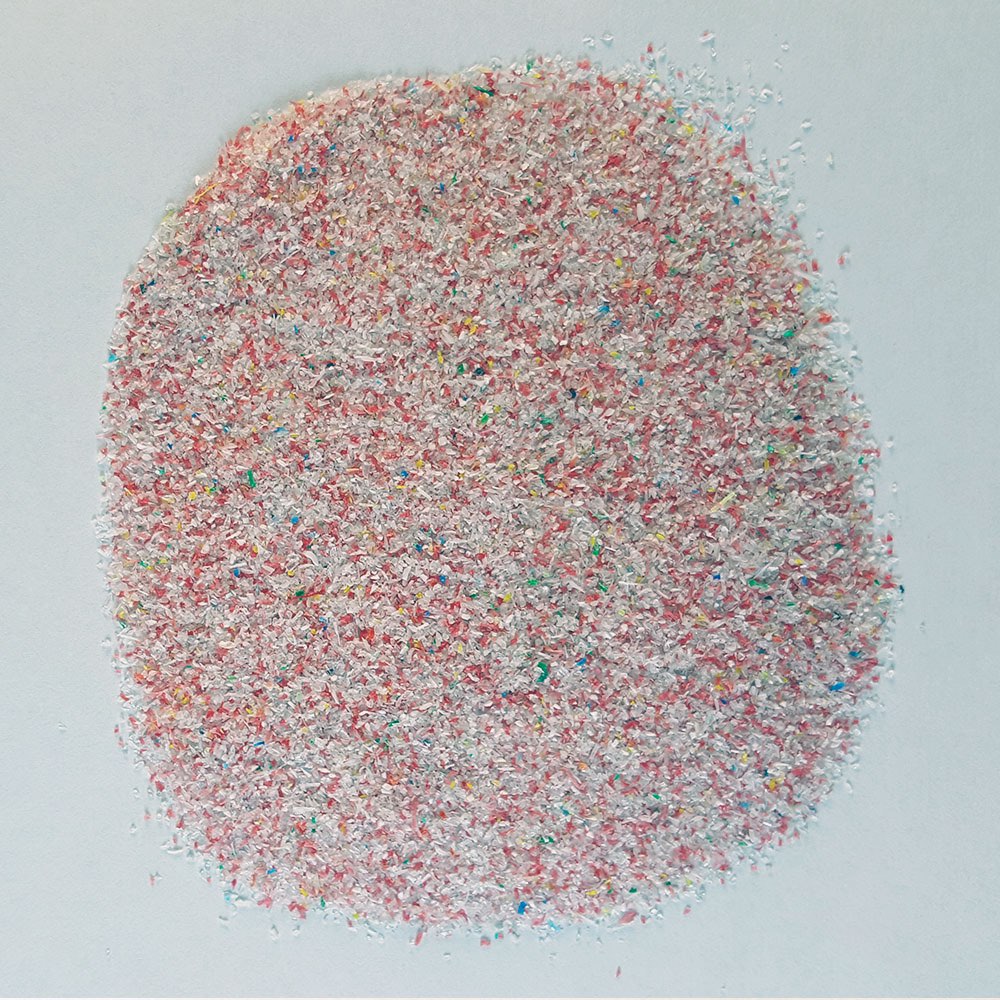
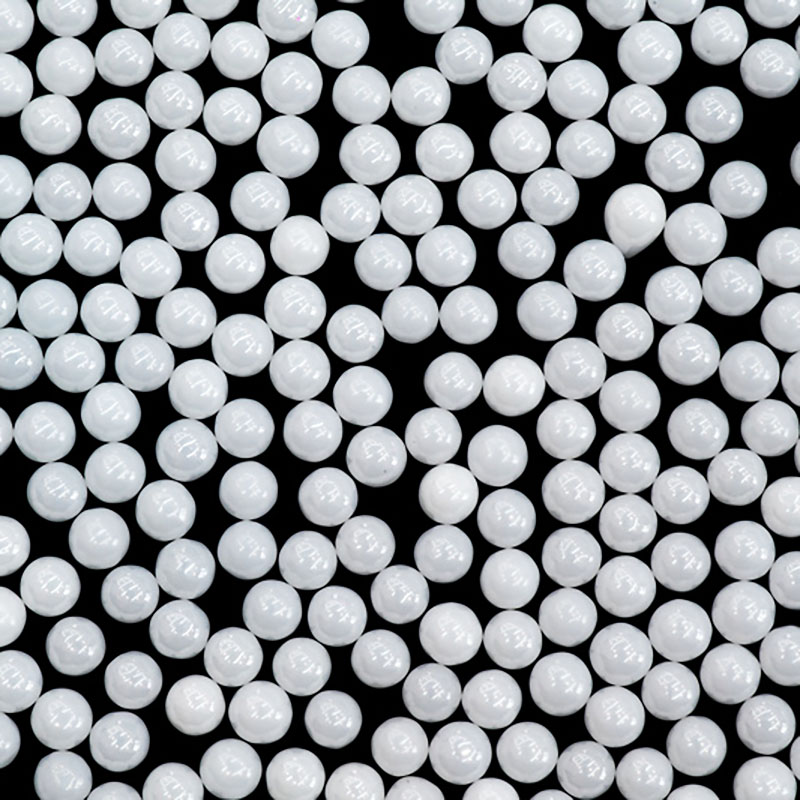
While ceramic media, plastic media, and zirconia beads are all popular abrasive solutions, aluminum oxide has its unique advantages:
- Cost-effective: Aluminum oxide is generally more affordable than zirconia or ceramic options.
- Versatile: Works well across metals, plastics, wood, and ceramics.
- Reusable: Can be recycled several times, reducing overall cost.
However, for extremely heavy-duty or precision polishing tasks, ceramic and zirconia may offer longer life or higher performance.

Selection Guide & FAQ
Choosing the right aluminum oxide grade depends on the task, material, and finish requirements. Here are some general guidelines:
- Rust removal: Use coarse brown aluminum oxide for aggressive cleaning.
- Fine polishing: Select white aluminum oxide for precision work.
- Cost efficiency: Brown aluminum oxide offers the best balance of price and durability for general tasks.
- Specialized applications: Micro-powder aluminum oxide is best for electronics and sensitive components.
FAQ
- Q: How many times can aluminum oxide be reused?
- A: It depends on the blasting process, but typically aluminum oxide can be recycled 5–10 times before losing efficiency.
- Q: Is aluminum oxide safe for delicate parts?
- A: Yes, white aluminum oxide is pure and sharp, making it suitable for delicate or precision polishing tasks without contamination.
- Q: Can aluminum oxide be used for glass etching?
- A: Absolutely. Fine-grain aluminum oxide is often used for etching patterns on glass and ceramics.
Request a Quote
If you’re looking for a reliable aluminum oxide supplier, we provide a full range of grades and specifications tailored to different industries. Whether you need coarse blasting media or ultra-fine polishing powders, our team can recommend the right solution for your application.
Filters