Ceramic Polishing Media for Aluminum: Surface Finish Control, Ra Targets, and Process Optimization
Why Aluminum Requires Dedicated Polishing Media Selection
Unlike steel or stainless steel, aluminum exhibits low hardness, high ductility, and a strong tendency to form surface smear layers during finishing. Aggressive polishing media can easily collapse surface asperities rather than uniformly refining them, resulting in inconsistent Ra values and poor cosmetic appearance. Therefore, ceramic polishing media for aluminum must operate within a tightly controlled aggressiveness window.
This aluminum-specific guidance should be used together with the main Ceramic Polishing Media pillar to ensure consistent surface quality.
Common Aluminum Alloys Processed with Ceramic Polishing Media
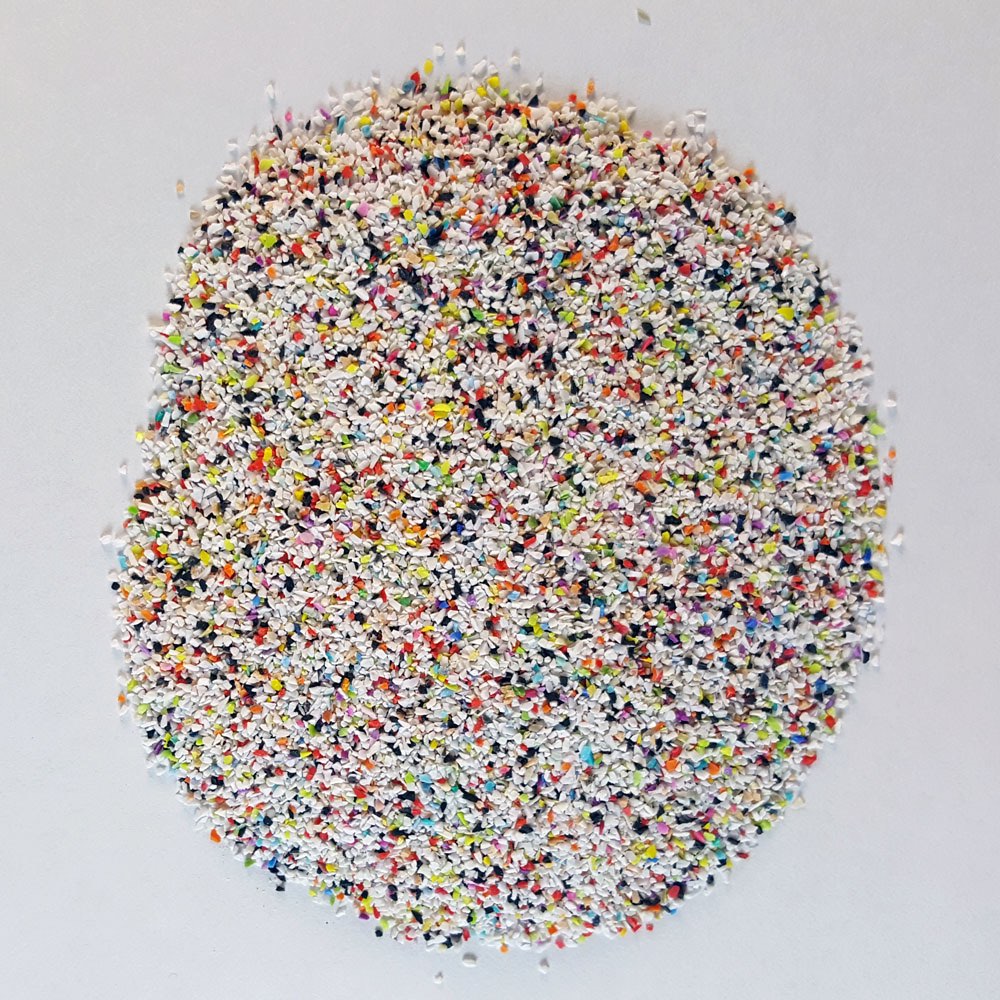
Ceramic polishing media can be applied to a wide range of aluminum alloys when properly matched by grade and density.
| Aluminum Alloy | Typical Application | Polishing Sensitivity |
|---|---|---|
| 6061 / 6063 | Machined parts, extrusions | Medium |
| 7075 | Structural and aerospace parts | High |
| ADC12 / A380 | Die cast components | Medium to high |
| Pure aluminum | Decorative components | Very high |
Recommended Ceramic Polishing Media Grades for Aluminum
Grade selection is the most critical factor in aluminum polishing performance. The table below summarizes recommended ceramic polishing media grades for typical aluminum surface targets.
| Initial Surface Condition | Target Ra | Recommended Grade | Risk if Over-Aggressive |
|---|---|---|---|
| Post-machining | Ra 1.0–1.2 µm | Medium polishing | Edge rounding, material smear |
| Pre-tumbled surface | Ra 0.6–0.8 µm | Fine polishing | Surface haze |
| High cosmetic requirement | Ra 0.4–0.6 µm | Ultra-fine polishing | Over-polishing, gloss inconsistency |
Grade definitions and boundaries are detailed in Ceramic Polishing Media Grades.
Achievable Ra Ranges for Aluminum Polishing
Ra outcomes for aluminum depend on alloy type, initial surface condition, and process stability. Typical achievable ranges are summarized below.
| Aluminum Condition | Media Grade | Cycle Time | Final Ra Range |
|---|---|---|---|
| Machined 6061 | Medium polishing | 60–120 min | Ra 1.0–1.2 µm |
| Pre-tumbled 6061 | Fine polishing | 90–180 min | Ra 0.6–0.8 µm |
| Die-cast ADC12 | Medium polishing | 90–150 min | Ra 1.0–1.3 µm |
| Decorative aluminum | Ultra-fine polishing | 120–240 min | Ra 0.4–0.6 µm |
For a broader Ra mapping across grades and materials, refer to the Ceramic Polishing Media Ra Chart.
Media Density and Size Considerations for Aluminum
Aluminum parts are highly sensitive to impact energy. Media density and size must be carefully controlled to avoid deformation or excessive edge rounding.
| Parameter | Recommended Range | Engineering Rationale |
|---|---|---|
| Bulk density | 1.7–2.0 g/cm³ | Limits impact force on soft substrate |
| Media size | Smaller than smallest feature opening | Prevents lodging and shadowing |
| Shape complexity | Smooth, rounded profiles | Reduces point loading |
Process Parameters for Aluminum Polishing
Stable aluminum polishing requires conservative process settings and continuous monitoring.
| Machine type | Vibratory bowl or trough preferred |
| Media-to-part ratio | 4:1 to 6:1 |
| Water flow | Continuous, moderate |
| Compound type | Mild alkaline or neutral |
| Cycle time | 60–240 minutes |
Detailed tuning recommendations are available in Ceramic Polishing Media Process Parameters.
Common Polishing Issues with Aluminum and Mitigation
- Surface smear: reduce media density or abrasive content
- Uneven Ra distribution: improve media size uniformity
- Edge rounding: shorten cycle time or lower machine amplitude
- Cosmetic haze: switch to finer grade or improve rinsing
Using Ceramic Polishing Media Before Anodizing or Coating
For anodizing or coating applications, ceramic polishing media must produce a uniform Ra without sealing surface pores. Fine polishing grades are typically preferred, as they provide consistent matte finishes and predictable coating adhesion.
Grade boundaries and surface preparation guidelines can be cross-checked using Ceramic Polishing Media Grades.
Request Aluminum Polishing Media Recommendation
If your aluminum components require a specific Ra target or cosmetic appearance, provide alloy type, initial surface condition, target Ra, and machine configuration. Our technical team can recommend a ceramic polishing media grade and process window optimized for aluminum.
Filters