Blasting Media Safety Guide: Silica Risks, PPE Requirements & Regulatory Compliance
Abrasive blasting is one of the highest-risk industrial operations for occupational lung disease. This guide covers silicosis pathology, the global regulatory framework, mandatory PPE specifications, engineering controls, medical surveillance requirements, and how correct media selection eliminates the silica hazard entirely.
1. Silicosis — The Disease That Makes Blasting Safety Non-Negotiable
Silicosis is a progressive, irreversible, and potentially fatal fibrotic lung disease caused by inhaling respirable crystalline silica (RCS) particles. It is one of the oldest known occupational diseases and remains, as of March 2026, a significant cause of occupational mortality globally — including in highly industrialized countries with comprehensive safety regulations.
The disease mechanism operates through particle size. Crystalline silica particles in the respirable fraction — aerodynamic diameter below 10 µm, with the most hazardous particles below 4 µm — are small enough to penetrate the lung’s natural clearance defenses and deposit in the alveolar spaces. There, they are engulfed by macrophages in an immune response that fails to clear the silica but produces progressively accumulating scar tissue (fibrosis). As the fibrosis spreads, lung capacity decreases, gas exchange efficiency falls, and the patient develops progressively worsening shortness of breath, fatigue, and susceptibility to tuberculosis — which causes accelerated silicosis progression — and elevated lung cancer risk.
There Is No Cure and No Reversal
Once silicosis develops, it cannot be cured, reversed, or stopped from progressing. Medical management addresses symptoms — oxygen therapy, bronchodilators, treatment of opportunistic infections — but no treatment restores lost lung function. Acute silicosis (caused by very high short-term exposure) can progress to death within months. Chronic silicosis typically progresses over years to decades. The only effective intervention is preventing RCS exposure before any disease develops.
Three clinical forms are recognized:
- Chronic silicosis — the most common form, developing after 10+ years of exposure to moderate RCS concentrations. Nodular fibrosis visible on chest X-ray. May progress to progressive massive fibrosis (PMF) even after exposure ceases.
- Accelerated silicosis — develops within 5–10 years following exposure to higher concentrations. Faster progression than chronic form; higher risk of tuberculosis co-infection and PMF.
- Acute silicosis — caused by very high RCS concentrations over weeks to months. Presents with rapid lung failure, similar clinically to pulmonary edema. Can be fatal within months. Has occurred in blasters working in confined spaces without adequate respiratory protection.
Abrasive blasting with silica-containing media — particularly silica sand — generates one of the highest workplace RCS exposure potentials of any industrial operation. Blast nozzle RCS concentrations during open-air sand blasting routinely exceed the OSHA PEL (50 µg/m³) by factors of 100–1,000 under typical working conditions without engineering controls. This is why silica sand blasting is banned in most industrialized countries and why correct media selection and respiratory protection are life-critical decisions, not compliance formalities.
2. Regulatory Framework — OSHA, EU & Global Standards
| Jurisdiction | Primary Regulation | PEL / WEL (RCS) | Action Level | Key Requirements |
|---|---|---|---|---|
| USA (OSHA) | 29 CFR 1926.1153 (Construction); 1910.1053 (General Industry) | 50 µg/m³ (8h TWA) | 25 µg/m³ (8h TWA) | Written exposure control plan, air monitoring, medical surveillance, supplied-air respirator, silica-free alternatives where feasible |
| European Union | Directive 2017/2398 (CMD); EN 15011 (blast rooms) | 0.1 mg/m³ (8h TWA) | 0.05 mg/m³ | Prohibition on silica sand for professional blasting; LEV mandatory; health surveillance; substitution required |
| United Kingdom | COSHH Regulations 2002; EH40 (4th ed.); HSG 247 | 0.1 mg/m³ (8h TWA) | 0.05 mg/m³ | Risk assessment, LEV mandatory for enclosed blasting, RPE mandatory, health surveillance for exposed workers |
| Australia | Safe Work Australia WES; Model WHS Regs | 0.05 mg/m³ (8h TWA) | 0.02 mg/m³ | Strictest global limit; silica sand blasting banned in all states; health monitoring mandatory for all exposed workers |
| Canada | Provincial OHS Acts (varies by province) | 0.025–0.1 mg/m³ | Varies | Silica sand blasting prohibited in most provinces; engineering controls and RPE mandatory; medical surveillance varies by province |
3. Media Substitution — The Most Effective Control
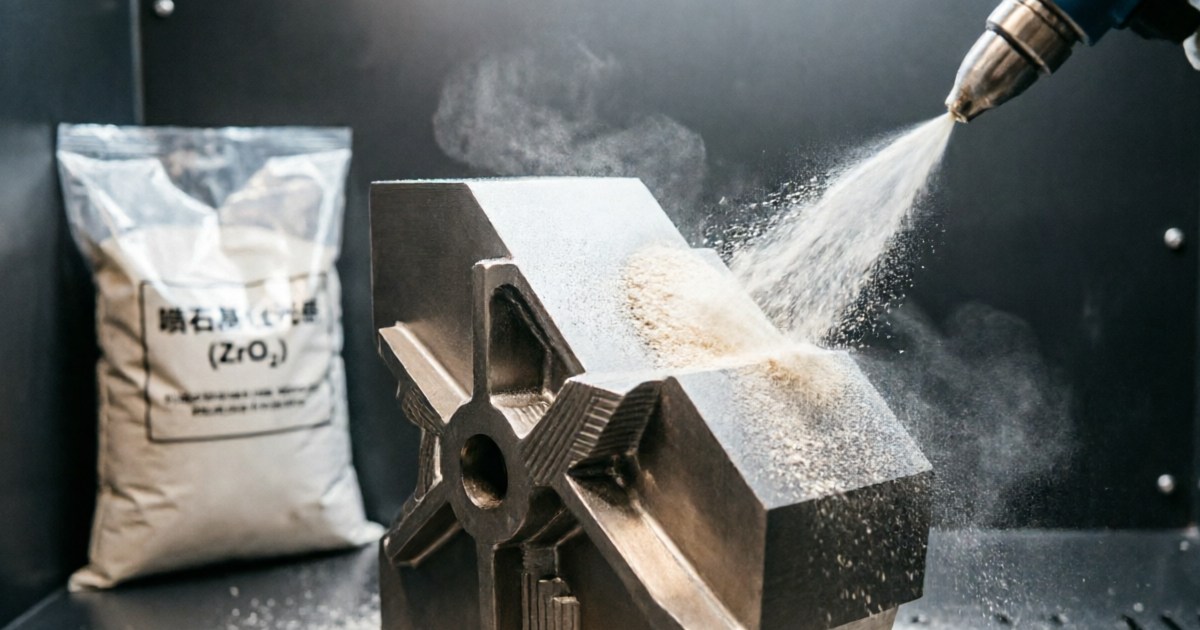
In the hierarchy of controls, elimination and substitution rank above all engineering controls and PPE because they remove the hazard at source rather than controlling exposure to it. Replacing silica sand with a silica-free blasting media is the single most effective silica control measure available — it eliminates the RCS hazard entirely, removes the regulatory compliance burden associated with RCS monitoring and medical surveillance, and eliminates the liability associated with worker silicosis claims.
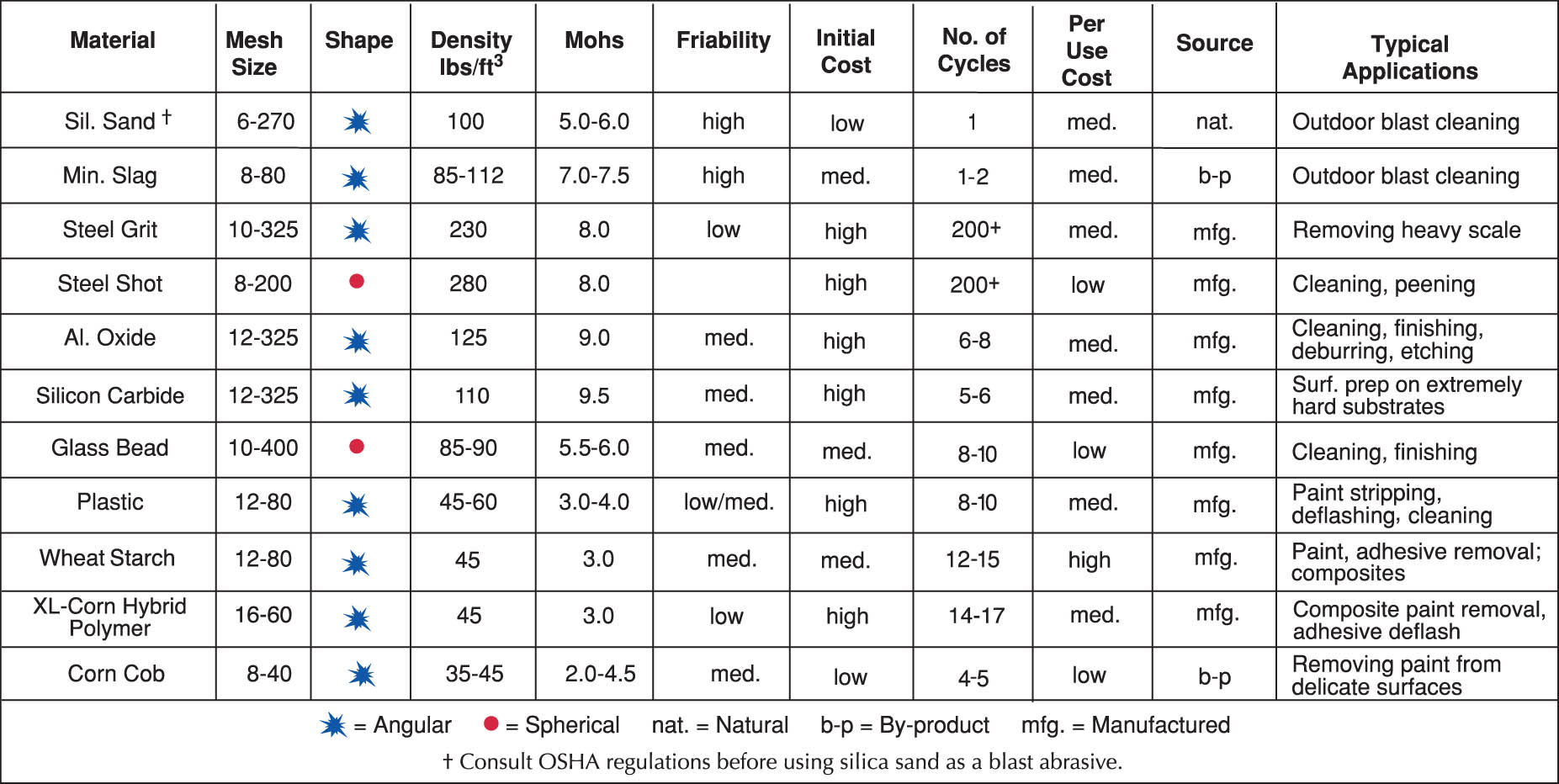
All of the following are certified silica-free and have been adopted as sand replacements in regulated markets worldwide:
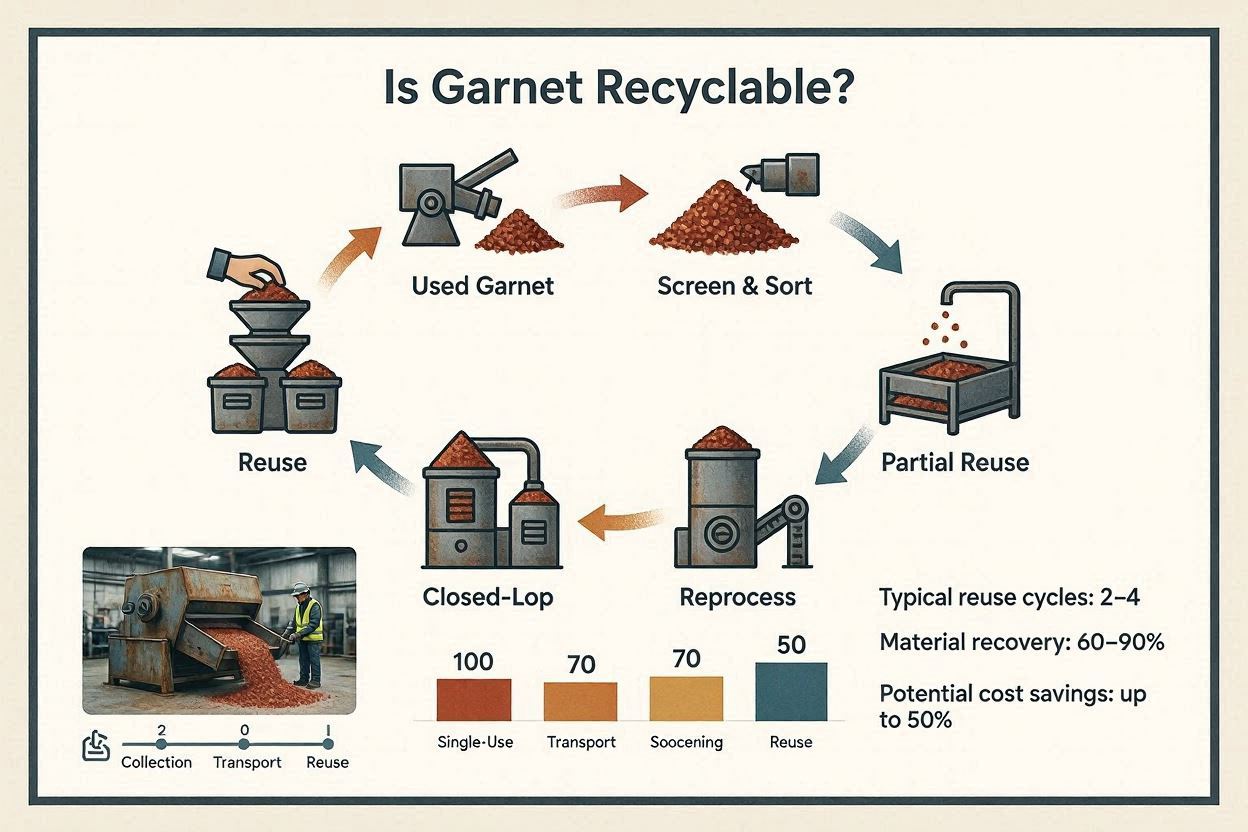
- Garnet — <1% free silica, the lowest-dust option for open-air steel blasting and pipeline work
- Aluminum oxide — <0.1% free silica, highest performance and recyclability for cabinet blast systems
- Glass bead — 0% free crystalline silica (amorphous glass), ideal for stainless steel and aluminum finishing
- Steel grit and steel shot — metallic, no silica, suitable for carbon steel in automated blast rooms
- Silicon carbide — <0.1% free silica, for glass, ceramics, and hard substrates
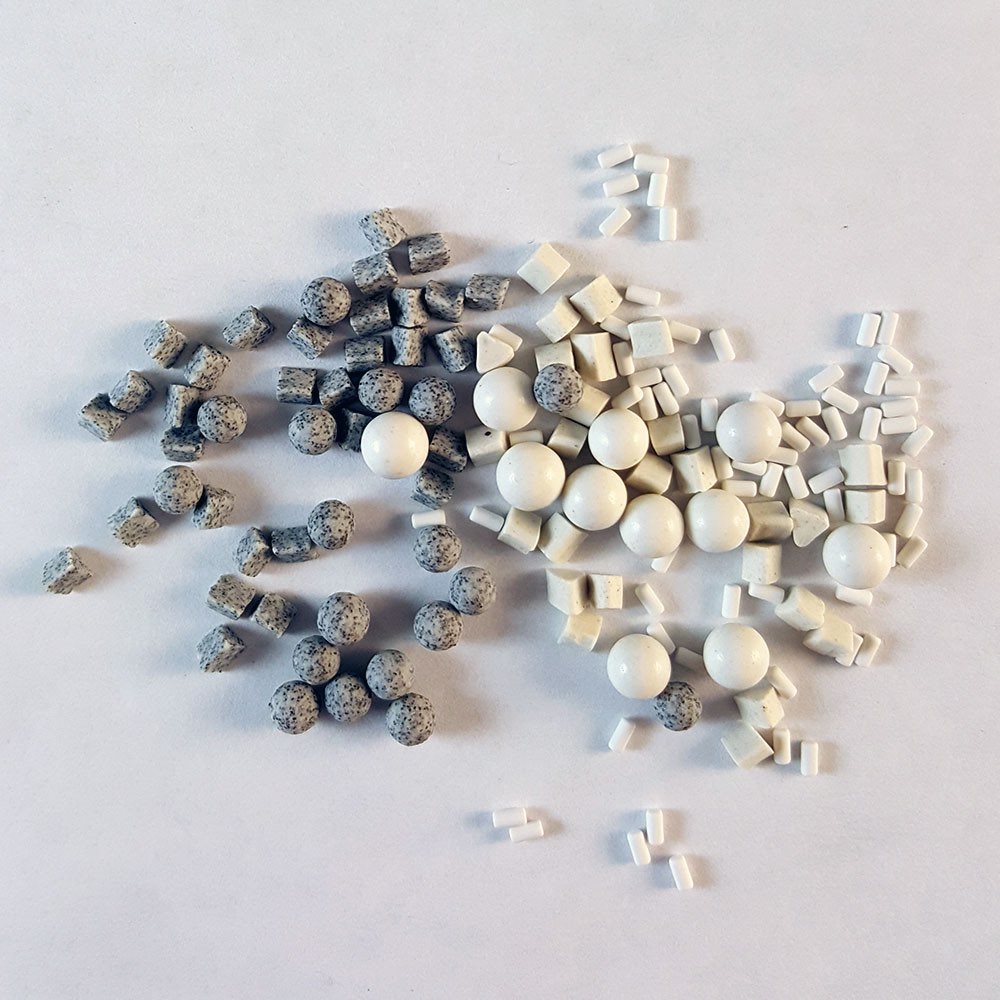
- Plastic blast media — 0% silica, for composite and thin-gauge aluminum applications
None of these substitutes require the same level of RCS-specific engineering controls, air monitoring, or medical surveillance as silica sand operations — though standard blasting hazard controls (noise, blast pressure, dust from non-silica media) still apply.
4. PPE Requirements — What Is Mandatory and What Is Inadequate
Personal protective equipment for abrasive blasting is not optional — it is the last line of defense when engineering controls cannot reduce exposures to safe levels. The critical point is that standard filtering respirators (dust masks) are completely inadequate for blasting. Only supplied-air respirators provide the protection factor required.
Air supply: Grade D breathing air minimum (OSHA 29 CFR 1910.134(i)); oil-free compressor or filtered airline; carbon monoxide alarm mandatory on gasoline-powered compressors.
Standards: EN ISO 11611 (welding/blast protective clothing) or equivalent national standard. Look for suits specifically rated for abrasive blasting rather than general chemical protective suits, which do not withstand abrasive impact.
Inspection: Check for wear, holes, and weakened seams before each use — abrasive penetration through suit damage causes serious abrasion injuries.
Note: Noise-induced hearing loss is permanent, progressive, and as incurable as silicosis. Many experienced blasters suffer significant hearing impairment from years of inadequate noise protection. Do not compromise on this point.
Footwear: Steel-toed safety boots (ISO 20345 S3 or ANSI Z41 equivalent); ankle protection to prevent abrasive penetrating above the boot collar in high-rebound environments such as floor blasting.
Shin guards: Recommended for floor-level work where abrasive rebound from horizontal surfaces concentrates on the lower leg.
5. Engineering Controls for Blast Operations
Engineering controls reduce RCS and general dust exposure at the source before it reaches the worker’s breathing zone. They are more reliable than PPE because they do not depend on correct daily use and maintenance by the individual worker. OSHA and EU regulations both require employers to implement feasible engineering controls before relying on PPE alone.
Engineering Controls — Priority Order (Most to Least Effective)
6. Medical Surveillance Requirements
Medical surveillance for silica-exposed workers is a mandatory requirement under OSHA’s Silica Standard and equivalent EU, UK, and Australian regulations. The purpose is to detect early signs of silicosis and other silica-related diseases before they progress to irreversible or fatal stages.
OSHA Requirements (29 CFR 1926.1153 and 1910.1053)
Employers must offer medical examinations to workers who will be occupationally exposed to RCS at or above the action level (25 µg/m³) for 30 or more days per year. Medical examinations must include:
- Baseline examination — before or within 30 days of initial assignment to silica-exposed work; establishes a baseline lung function reference
- Periodic examinations — every 3 years for workers exposed at or above the action level
- Content: Medical and occupational history; physical examination with emphasis on respiratory system; chest X-ray (ILO classification); pulmonary function testing (spirometry); and the licensed physician’s written medical opinion
- Employer obligations: Provide the examining physician with the written exposure control plan, a description of the worker’s job duties, information on PPE used, and results of any exposure monitoring performed
Workers who use respirators must additionally be medically evaluated for respirator fitness before being assigned to any work requiring respiratory protection, per OSHA 29 CFR 1910.134. This evaluation must be performed by a licensed healthcare provider and confirms that the worker does not have a medical condition that prevents safe use of a supplied-air respirator.
7. Written Exposure Control Plan
OSHA’s Silica Standard requires every employer whose workers may be exposed to RCS at or above the action level to maintain a Written Exposure Control Plan (ECP). This is not an optional best-practice document — it is a legally required instrument, and its absence is one of the most commonly cited OSHA silica violations.
A compliant ECP must contain at minimum:
- A description of all tasks in the workplace that involve potential RCS exposure
- The engineering controls, work practices, and respiratory protection measures in place to protect workers performing each task
- A schedule for implementing any additional controls needed to achieve compliance
- A description of the procedures used for restricting access to work areas where high exposures may occur
- Procedures for housekeeping to prevent RCS accumulation and re-suspension
- Identification of the competent person responsible for implementing the ECP
The ECP must be made available to workers and their representatives on request, and must be reviewed and updated whenever there is a change in tasks, processes, or controls that affects RCS exposure. For operations that have achieved compliance through complete media substitution with silica-free abrasives, the ECP can document this substitution as the primary control and confirm that RCS exposure from blasting operations has been eliminated — simplifying the compliance burden significantly.
8. Pre-Blast Safety Checklist
Complete this checklist before every blasting operation
9. Frequently Asked Questions
Related Resources
Explore the full blasting media resource library from Jiangsu Henglihong Technology for media selection, cost analysis, and application guidance:
- Blasting Media: Complete Industry Guide — full overview of all media types and applications
- Eco-Friendly Blasting Media: Low-Dust & Silica-Free Options — all silica-free alternatives with regulatory compliance data
- Types of Blasting Media: Complete Guide — technical data on all major abrasive types
- How to Choose the Right Blasting Media — selection framework including regulatory compliance considerations
- Garnet Blasting Media — leading silica-free option for open-air steel blasting
- Aluminum Oxide Blast Media — silica-free, high recyclability for cabinet systems
- Glass Bead Blasting Media — silica-free, for stainless and aluminum finishing
- Steel Grit vs Steel Shot — silica-free metallic abrasives for high-volume blast rooms
- Plastic Blast Media for Aerospace & Automotive
- Silicon Carbide Blast Media
- Blasting Media Comparison Chart — side-by-side data including silica content and dust generation
- Blasting Media Cost Guide & ROI Analysis
- Industrial Surface Prep: Best Blasting Media for Metal
- Blasting Media for Automotive Restoration
Source Certified Silica-Free Blasting Media
Jiangsu Henglihong Technology supplies garnet, aluminum oxide, glass bead, silicon carbide, and other certified silica-free abrasives with full batch analysis documentation, SDS, and reliable export logistics to North America, Europe, the Middle East, and beyond.
Request a Quote or Compliance DocumentationFilters