How Much Does Blasting Sand Cost? Price Breakdown by Type & Quantity
A complete pricing guide for abrasive blasting media in 2026 — covering retail, online, and bulk prices for every major media type, with cost-per-use calculations that reveal which media is actually cheapest for your operation.
2026 Price Snapshot
Abrasive blasting media prices in May 2026 reflect both commodity input costs and logistics. The figures below represent North American market averages at retail, online specialist, and bulk procurement tiers. International factory-direct pricing (FOB China) is included where applicable.
Why Sticker Price Misleads
A 50 lb bag of silica sand costs $4–$8 at Home Depot. A 50 lb bag of garnet costs $25–$45 online. Many buyers look at these two numbers and conclude silica sand is 4–6 times cheaper. This conclusion is wrong — and it leads to systematically poor purchasing decisions.
The correct metric is cost per effective square foot of properly prepared surface, which accounts for media consumption rate, reusability, and disposal cost. A single-use abrasive that costs $6 per bag but covers 20 sq ft per 50 lb charge costs $0.30 per sq ft. A recyclable abrasive that costs $35 per bag but covers 80 sq ft across four cycles costs $0.11 per sq ft — less than half the apparent cheaper option.
The sections below show both sticker price and cost-per-use calculations for each major media type, so you can make an informed comparison before purchasing. For sourcing guidance at each price tier, see: Where to Buy Blasting Sand: The Complete Buyer’s Guide.
Silica Sand Pricing
Silica Sand — Price by Channel (May 2026)
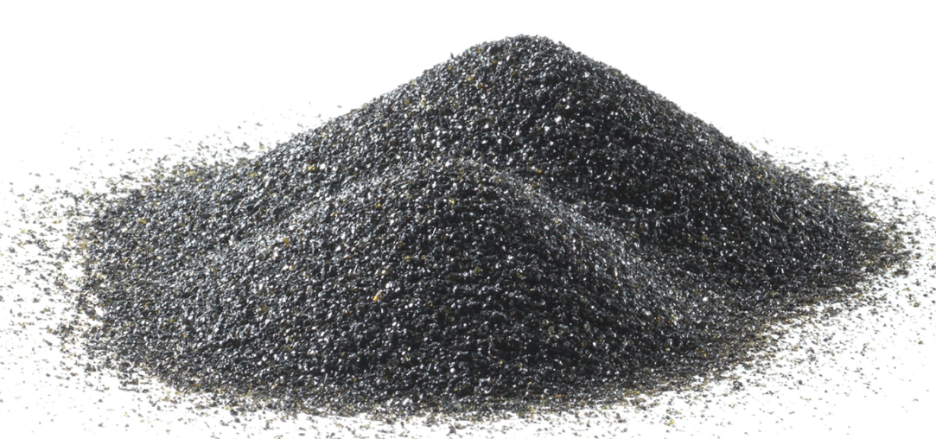
Silica sand is the cheapest media by purchase price at every tier. However, it is single-use, requires disposal after one pass, generates the highest dust levels of any media (increasing PPE and dust control costs), and carries the highest health liability — including potential OSHA compliance costs, medical surveillance, and workers’ compensation exposure. When these factors are included in total cost, silica sand is rarely the cheapest option. For health and safety detail, see: Is Blasting Sand Safe?
Coal Slag Pricing
Coal Slag (Black Diamond) — Price by Channel
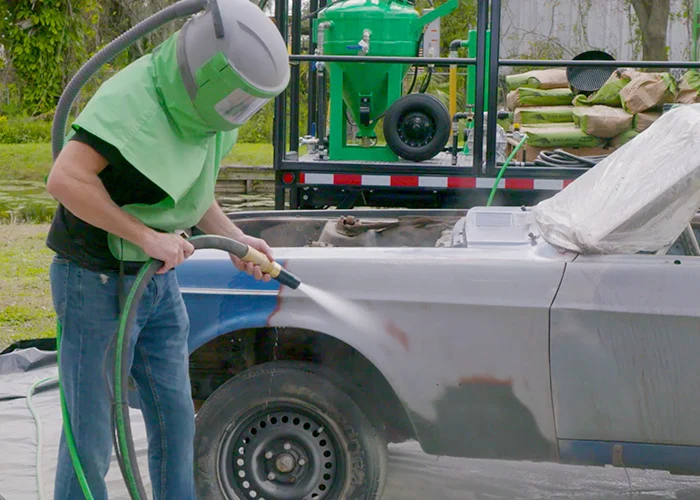
Coal slag offers an excellent balance of low purchase cost and improved health profile versus silica sand. At $7–$12 per 50 lb retail, it is the most affordable non-silica abrasive widely available at retail chains. For open blasting where media recovery is impractical, coal slag is typically the most economical single-use option. For local sourcing, see: Where to Buy Blasting Sand Near Me.
Garnet Pricing
Garnet Abrasive — Price by Channel
Garnet’s purchase price is 3–5× higher than silica sand or coal slag per bag. However, its 3–5 reuse cycles in an open blast system (with media screening between passes) reduce effective cost per use to approximately $5–$15 per 50 lb equivalent charge — competitive with coal slag. In a closed cabinet system, garnet’s recyclability increases further, making it one of the better-value media options for operations that blast regularly. For bulk procurement guidance, see: How to Buy Blasting Sand in Bulk.
Factory-direct sourcing of garnet from Jiangsu Henglihong Technology Co., Ltd. delivers the lowest landed cost for high-volume buyers, with full ISO documentation and batch certificates included. Contact for current pricing and minimum order quantities on garnet blasting media.
Glass Beads Pricing
Glass Beads — Price by Channel
Glass beads have one of the highest purchase prices per bag — but with 20–30 reuse cycles in a properly maintained cabinet, their cost per cycle drops to $1–$3 per 50 lb equivalent — by far the lowest of any common abrasive media. For operations running a blast cabinet daily, glass beads are the most economical media option despite their high sticker price. Henglihong supplies glass beads for sandblasting in bulk quantities with MIL-PRF-9954 and AMS 2431 certification.
Aluminum Oxide Pricing
Aluminum Oxide — Price by Channel
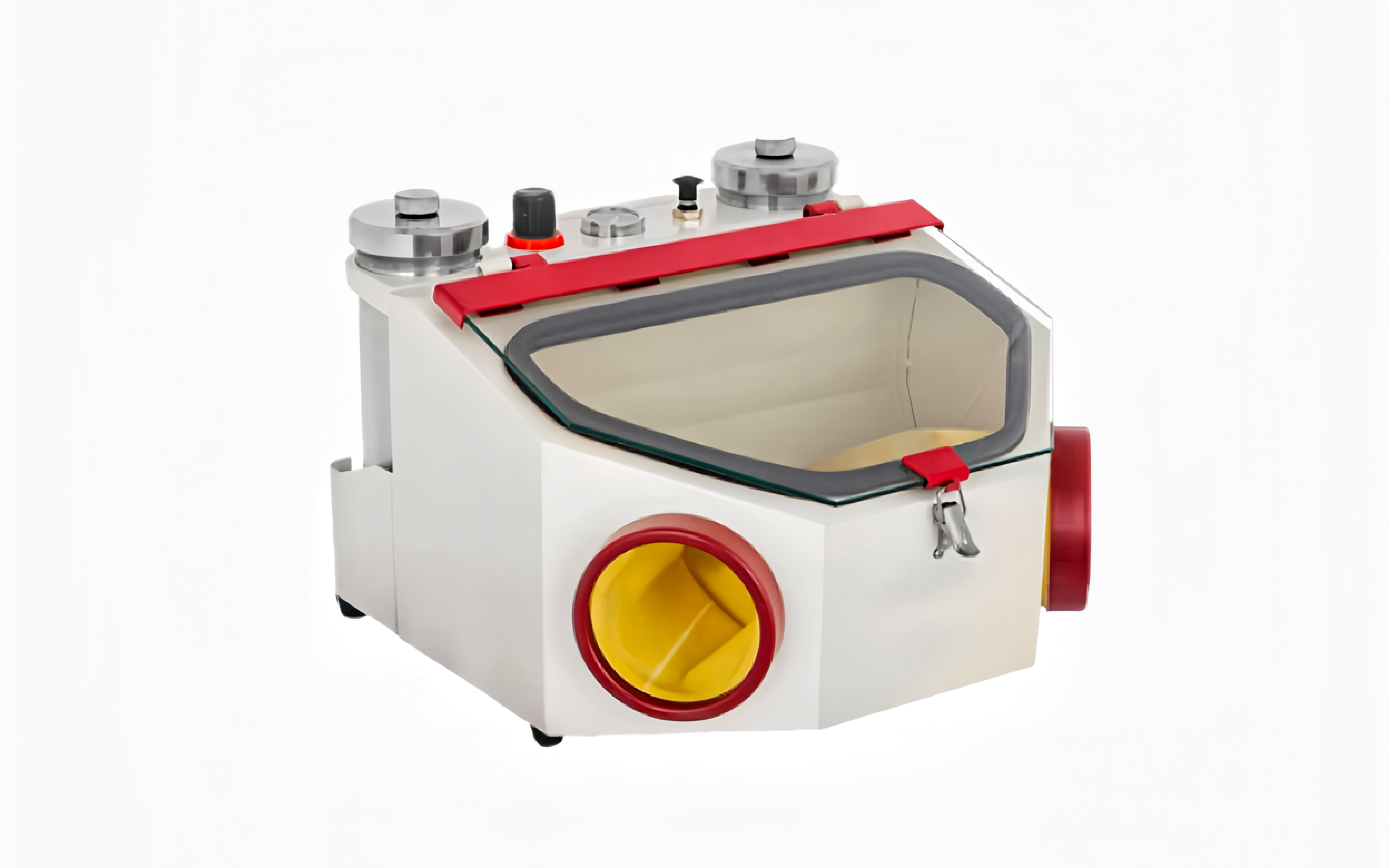
Aluminum oxide’s 10–20 reuse cycles in cabinet systems bring its cost per cycle to approximately $2–$6 per 50 lb equivalent — lower than garnet or coal slag, and competitive with glass beads. Its extreme hardness also means it removes material faster than softer abrasives at the same grit size, effectively increasing productivity per dollar spent. For general shop cabinet blasting, aluminum oxide typically delivers lower total cost than any single-use media option.
Steel Grit & Shot Pricing
Steel Grit / Steel Shot — Price by Channel
Steel grit and shot carry the highest purchase price per unit — but their 100+ reuse cycles make them the lowest cost-per-cycle option for blast room operations, often below $0.50 per 50 lb equivalent at steady-state operation. The economics are compelling but require the infrastructure investment of a closed-loop blast system with magnetic separator. Henglihong manufactures steel shot and grit to SAE J444 across the full grade and hardness range for industrial applications.
True Cost Per Use: Full Comparison
| Medienart | Purchase (50 lb) | Reuse Cycles | Cost Per Cycle (50 lb) | Disposal Cost | True Cost Rank |
|---|---|---|---|---|---|
| Quarzsand | $4–$8 | 1 | $4–$8 | Low–High* | 4th (health costs excluded) |
| Coal Slag | $7–$12 | 1–2 | $4–$12 | Low–Medium | 3rd |
| Granat | $25–$45 | 3–5 | $5–$15 | Niedrig | 3rd (equal to coal slag) |
| Glasperlen | $30–$55 | 20–30 | $1–$3 | Sehr niedrig | 1st (cabinet operations) |
| Aluminium-Oxid | $35–$60 | 10–20 | $2–$6 | Sehr niedrig | 2nd (cabinet operations) |
| Steel Grit / Shot | $40–$80 | 100+ | <$1 | Minimal | 1st (blast room operations) |
*Silica sand disposal cost varies significantly by jurisdiction. In states with strict silica and hazardous waste regulations, disposal of spent silica sand contaminated with rust, lead paint, or other surface contaminants may be classified as hazardous waste — with disposal costs that can equal or exceed the original media purchase price.
How to Reduce Your Blasting Media Cost
Switch to recyclable media for cabinet operations. If you are currently using coal slag or silica sand in a blast cabinet, switching to aluminum oxide or glass beads will reduce your total media cost within the first 3–5 uses. The upfront investment in the higher-priced media pays back quickly through reduced consumption and disposal.
Buy in bulk when you blast regularly. Moving from retail bags to pallet quantities cuts per-unit cost by 20–35% for most media types. For contractors blasting more than 50 hours per month, the logistics of pallet storage are worth the savings. See: How to Buy Blasting Sand in Bulk.
Use in-store pickup to eliminate shipping charges. For retail-scale purchases, collecting from Tractor Supply, Home Depot, or Northern Tool eliminates shipping costs that can add 30–100% to the effective price of heavy abrasive media ordered online.
Source factory-direct for container quantities. At 20+ metric ton volume, factory-direct procurement from a manufacturer like Jiangsu Henglihong Technology Co., Ltd. typically delivers 30–50% savings versus domestic distributor pricing for garnet, glass beads, and steel media, with full documentation included.
Maintain your screening equipment. For recyclable media, media quality degrades faster when screening equipment is not maintained. Clogged screens allow fines contamination that reduces cutting efficiency and forces early media replacement. Regular separator and screen maintenance extends the effective life of each media charge.
Häufig gestellte Fragen
Bottom Line
Blasting sand pricing ranges from $4 per 50 lb bag for silica sand to over $80 for premium steel media — a 20× span that makes direct price comparison meaningless without the cost-per-use lens. For cabinet blasting, glass beads and aluminum oxide are consistently the most economical choice once recyclability is factored in. For open blasting on a budget, coal slag from Tractor Supply is the most accessible low-cost option. For industrial volume, factory-direct procurement of garnet, glass beads, or steel media delivers the lowest landed cost with the highest specification consistency.
Return to the complete guide for full sourcing options across all channels and quantities: Where to Buy Blasting Sand: The Complete Buyer’s Guide.
Filter