Plastic Blast Media for Aerospace & Automotive: Complete Technical Guide
The only commercially available blasting abrasive that strips paint and coatings from thin aluminum aircraft skins, carbon fiber composites, and fiberglass panels without substrate damage — covering resin types, mesh grade selection, aerospace specifications, operating parameters, and substrate compatibility.
1. What Is Plastic Blast Media?
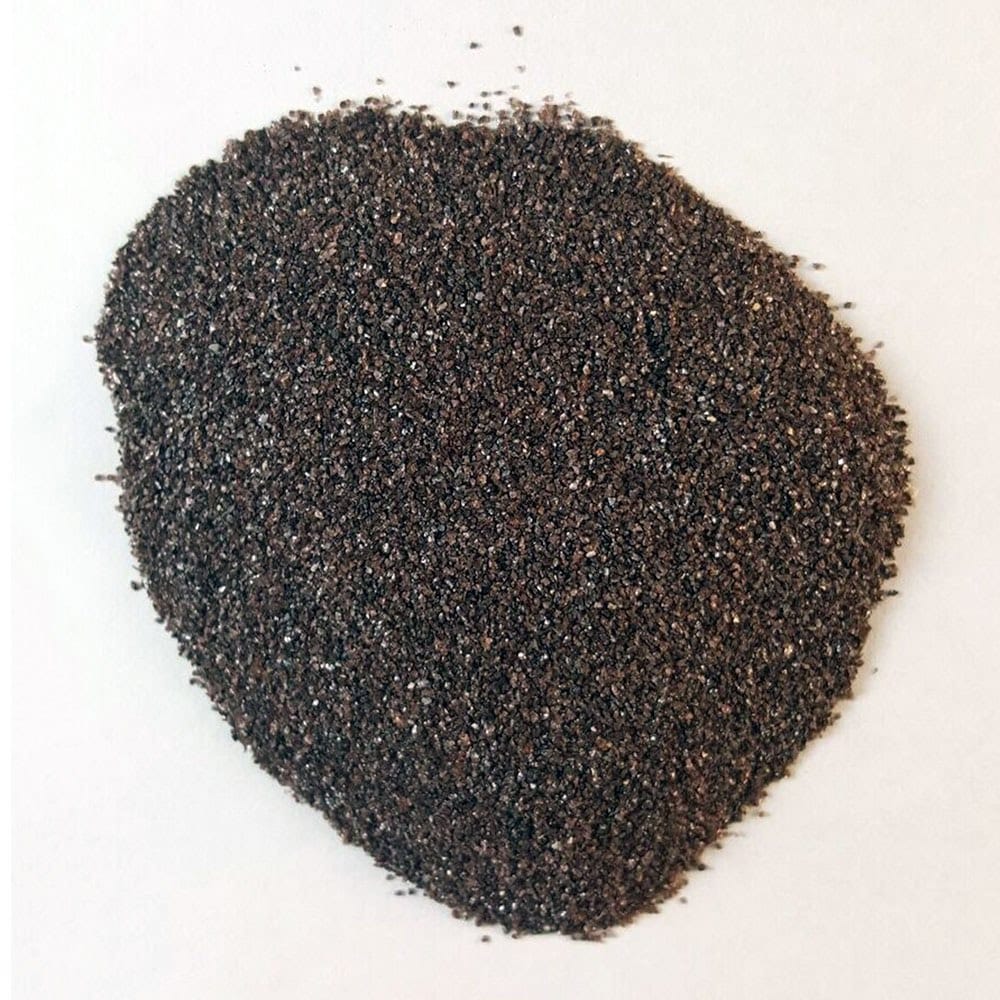
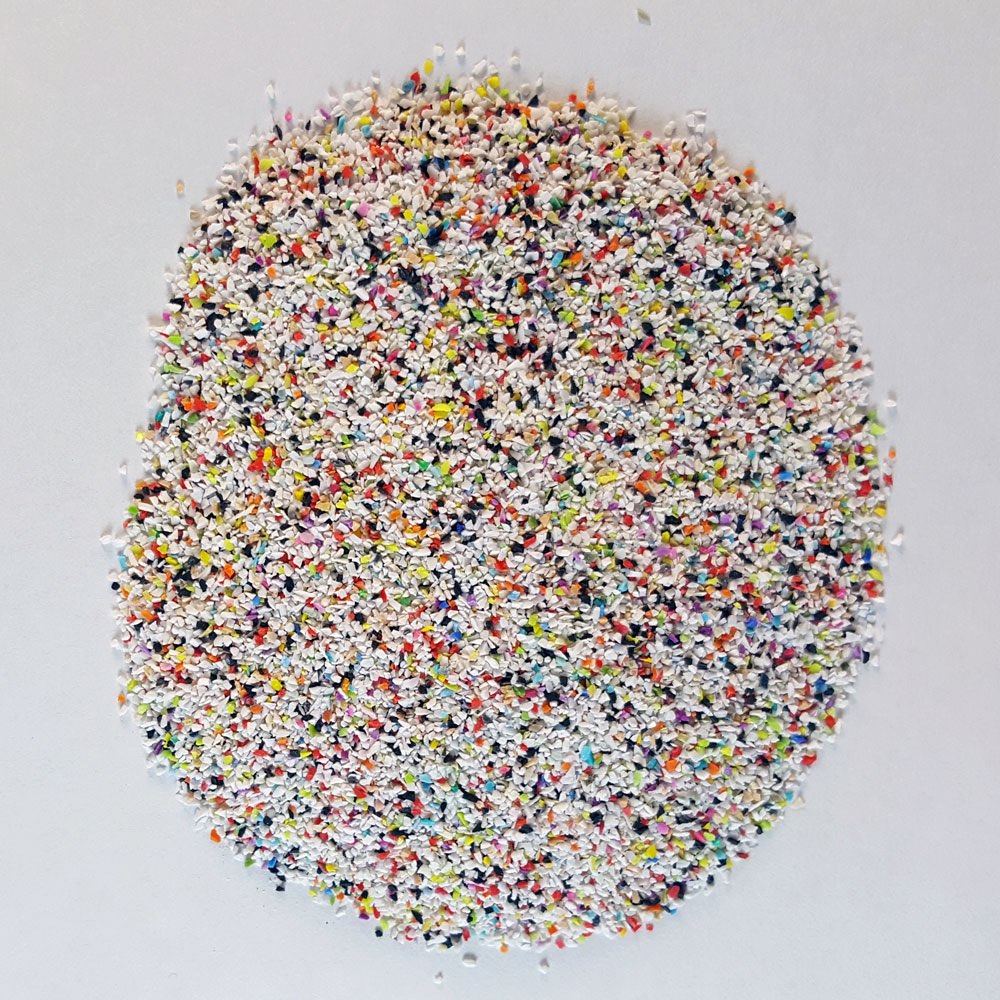
Plastic blast media — also called plastic abrasive media, plastic grit, or by its military designation MIL-P-85891 — consists of angular particles manufactured from thermosetting plastic resins, primarily urea formaldehyde, melamine formaldehyde, and acrylic. The particles are produced by polymerizing the resin under heat and pressure, then crushing and sizing the resulting solid into the angular, blocky particle shape used for blasting.
The defining property of plastic blast media is its very low hardness (Mohs 3–4) — significantly softer than the aluminum, titanium, magnesium, steel, and composite substrates it is used to treat. This means that when plastic media particles impact a coated surface, they break up the paint or coating film through repeated impact energy without being hard enough to cut, scratch, or dimensionally alter the underlying substrate. It is the only commercially available blasting abrasive capable of stripping coatings from thin aluminum aircraft skin panels, carbon fiber reinforced polymer (CFRP) fuselage sections, and fiberglass composite structures without causing substrate damage.
As of March 2026, plastic blast media is mandated or strongly preferred in aerospace maintenance, repair, and overhaul (MRO) operations under specifications including MIL-P-85891, Boeing BSS 7039, Airbus ABP 09-03-006, and SAE AMS 2441. It is also widely used in automotive refinishing, defense vehicle refurbishment, marine composite repair, and the electronics industry for deflashing of plastic-encapsulated components.
2. Three Resin Types — Urea, Melamine & Acrylic
The three commercially available resin systems produce meaningfully different cutting action, particle toughness, and application suitability. Selecting the correct resin type is as important as selecting the correct mesh size — the wrong resin for the substrate can result in either insufficient coating removal rate or, at the other extreme, surface etching that should not occur.
For the majority of aerospace paint stripping applications on aluminum airframes, melamine formaldehyde in 16–20 mesh is the workhorse specification. It provides the right balance of coating removal rate and substrate safety for the polyurethane topcoats and epoxy primer systems used on commercial and military aircraft. Urea is reserved for the most delicate substrates or thinnest coatings; acrylic is used when faster stripping of harder or thicker coatings justifies the slight increase in aggression, typically on automotive or ground vehicle components.
3. Mesh Grade Selection Guide
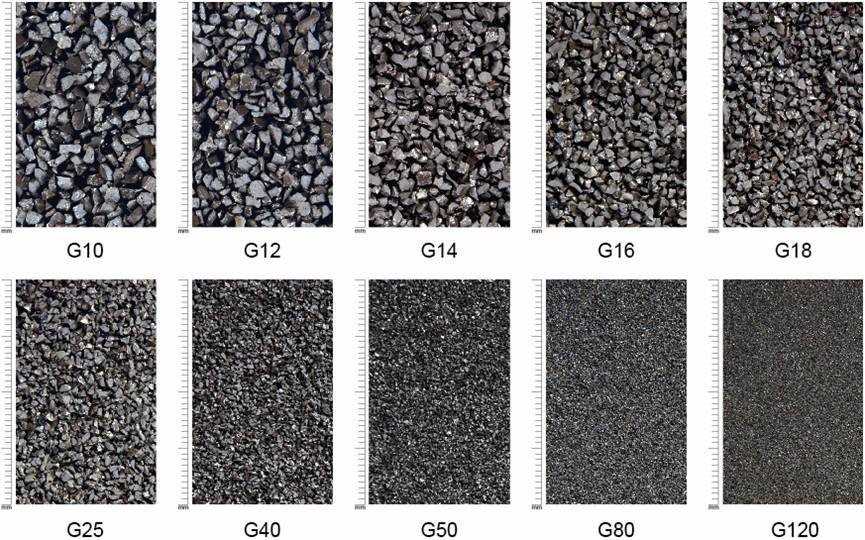
Plastic blast media is sized by US mesh, with coarser grades removing coatings faster at the cost of slightly more surface texture on the stripped substrate, and finer grades producing a gentler action for the most sensitive applications. The practical range for most industrial applications spans 12 to 80 mesh.
| Mesh Size | Particle Size (µm) | Coating Removal Rate | Substrate Impact | Typical Application |
|---|---|---|---|---|
| 12–16 Mesh | 1,180–1,680 | Fast | Low-medium | Thick multi-layer coatings on aluminum and steel, automotive frame stripping |
| 16–20 Mesh Aerospace standard | 850–1,180 | Medium-fast | Low | Aircraft aluminum skin stripping, polyurethane topcoat and epoxy primer removal |
| 20–30 Mesh Most versatile | 600-850 | Medium | Very low | CFRP, fiberglass, general composite paint stripping, automotive body panels |
| 30–40 Mesh | 425-600 | Medium-slow | Minimal | Thin coatings on delicate composites, magnesium components, marine fiberglass |
| 40–60 Mesh | 250–425 | Slow | Negligible | Ultra-thin coatings, surface conditioning of very sensitive substrates |
| 60–80 Mesh | 180-250 | Very slow | Negligible | Electronics deflashing, precision plastic component cleaning |
Coating removal rate and substrate impact ratings are relative within plastic media at standard operating pressure (2–4 bar). Actual performance depends on resin type, blast pressure, standoff distance, nozzle angle, and coating system composition.
4. Substrate Compatibility
5. Aerospace Applications & Specifications
Regulatory and Specification Framework for Aerospace Plastic Blast Media
Aerospace plastic blast media use is governed by a comprehensive set of military, OEM, and industry specifications that define approved media types, operating parameters, and inspection requirements. Key references as of March 2026 include:
- MIL-P-85891: The primary US military specification for plastic blast media used in aircraft coating removal. Defines resin type classifications (Type I = urea, Type II = melamine, Type III = acrylic), size grades, and performance requirements.
- Boeing BSS 7039: Boeing’s process specification for paint removal from aircraft structures using plastic media blasting, with defined pressure limits, nozzle types, and inspection requirements by substrate type.
- Airbus ABP 09-03-006: Airbus equivalent process specification for plastic media blasting on commercial aircraft structures.
- SAE AMS 2441: Society of Automotive Engineers specification for plastic media blasting, covering approved media, process parameters, and quality requirements.
- DEF STAN 03-16 (UK): UK Ministry of Defence specification for plastic media blasting of military aircraft.
Always verify that both the specific media product and the operating procedure are approved under the applicable OEM specification for the aircraft type before commencing plastic media blasting on certificated aircraft structures.
In aerospace MRO operations, plastic media blasting is used for complete paint removal from aircraft fuselage, wing, and empennage surfaces between scheduled repainting cycles — typically every 5–8 years on commercial aircraft. The process allows paint removal from an entire narrow-body fuselage in 2–4 days, compared to 7–14 days for chemical stripping, with significantly reduced chemical waste and worker exposure.
Aircraft Paint Stripping
Complete removal of topcoat, primer, and conversion coating from aluminum, CFRP, and composite aircraft structures between scheduled repainting. Melamine 16–20 mesh is the standard specification for commercial aircraft.
Helicopter Components
Paint stripping from aluminum rotor blades, magnesium gearbox housings, and composite fuselage panels. Urea media is often specified for magnesium to minimize any risk of surface interaction.
Composite Radomes & Fairings
Removal of radar-transparent paint systems from fiberglass and CFRP radomes without affecting the electromagnetic transparency of the composite structure. Very fine mesh (30–40) at minimum pressure.
Automotive Body Panels
Paint stripping from aluminum hoods, doors, fenders, and rooflines in automotive refinishing and restoration shops. Prevents the warping and stress that angular abrasives cause on thin-gauge sheet. See our automotive restoration guide for component recommendations.
Marine Composite Hulls
Antifouling and topcoat removal from fiberglass and composite boat hulls between maintenance cycles. Plastic media avoids the osmotic blister damage that high-pressure water jetting can cause on fiberglass laminates.
Electronics Deflashing
Removal of flash and burrs from plastic-encapsulated electronic components (ICs, connectors, relays) after injection molding. Very fine mesh (60–80) at low pressure — the only abrasive process that achieves this without component damage.
6. Automotive & Refinishing Applications
Beyond the aerospace sector, plastic blast media has established a strong position in automotive restoration, professional refinishing, and defense vehicle refurbishment. The common thread across these applications is the need to remove paint from substrates that would be damaged by conventional abrasive blasting.
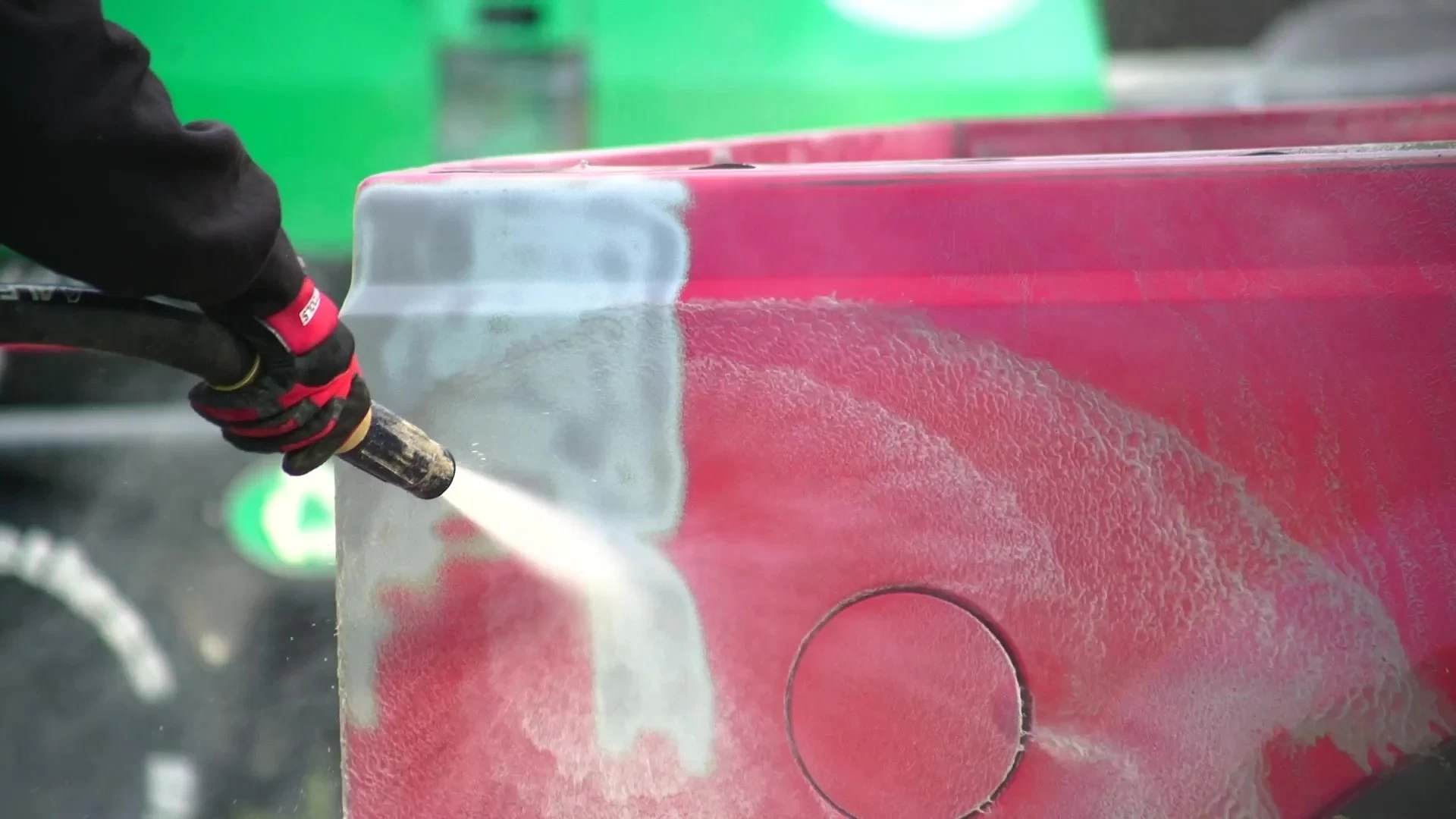
In classic and vintage car restoration, thin-gauge steel and aluminum body panels are particularly vulnerable to heat and mechanical stress during blasting. Coarse mineral abrasives at normal blast pressures can warp panels to the point where they require expensive straightening — sometimes beyond economical repair. Plastic media at the correct parameters strips the paint without inducing substrate stress, leaving the original panel geometry intact for priming and repainting. For panels with multiple layers of filler, primer, and topcoat, a 12–20 mesh melamine or acrylic media is typically the most efficient specification.
Military and defense vehicle refurbishment programs have also adopted plastic media blasting extensively for stripping camouflage coatings from aluminum-bodied vehicles (HMMWV, armored personnel carriers, light tactical vehicles) before repainting or corrosion inspection. The process is faster than chemical stripping, generates less hazardous waste, and causes no substrate damage in fleet-scale operations.
7. Operating Parameters — Pressure, Distance & Angle
Getting the operating parameters right is critical with plastic media. Unlike mineral abrasives where the main concern is achieving sufficient aggression, with plastic media the concern is equally about not exceeding the threshold that causes substrate damage. Operating outside the recommended envelope — particularly at excessive blast pressure — can cause surface stress, etching, or micro-cracking of sensitive composites.
Recommended Operating Envelope for Plastic Blast Media
8. Plastic Media vs Mineral Abrasives
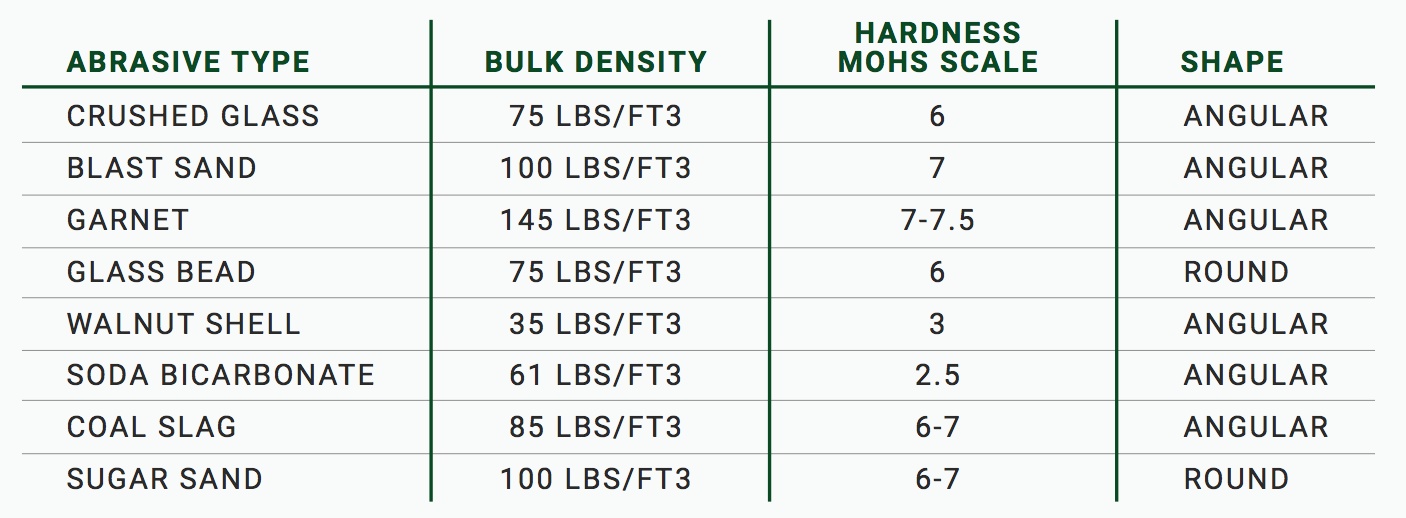
The comparison between plastic blast media and mineral abrasives such as 氧化铝 或 石榴石 is not about which is superior in absolute terms — it is about which is appropriate for the specific substrate and task. They serve completely different functions and are not interchangeable on sensitive substrates.
- Coating removal on composites and thin aluminum: Plastic media wins by default — no mineral abrasive can do this safely. Using aluminum oxide on CFRP at any grit size will sever carbon fibers and cause sub-surface delamination invisible to visual inspection.
- Rust and mill scale removal from structural steel: Mineral abrasives win — plastic media has insufficient hardness to remove corrosion or scale. It will simply bounce off heavy rust deposits without effect.
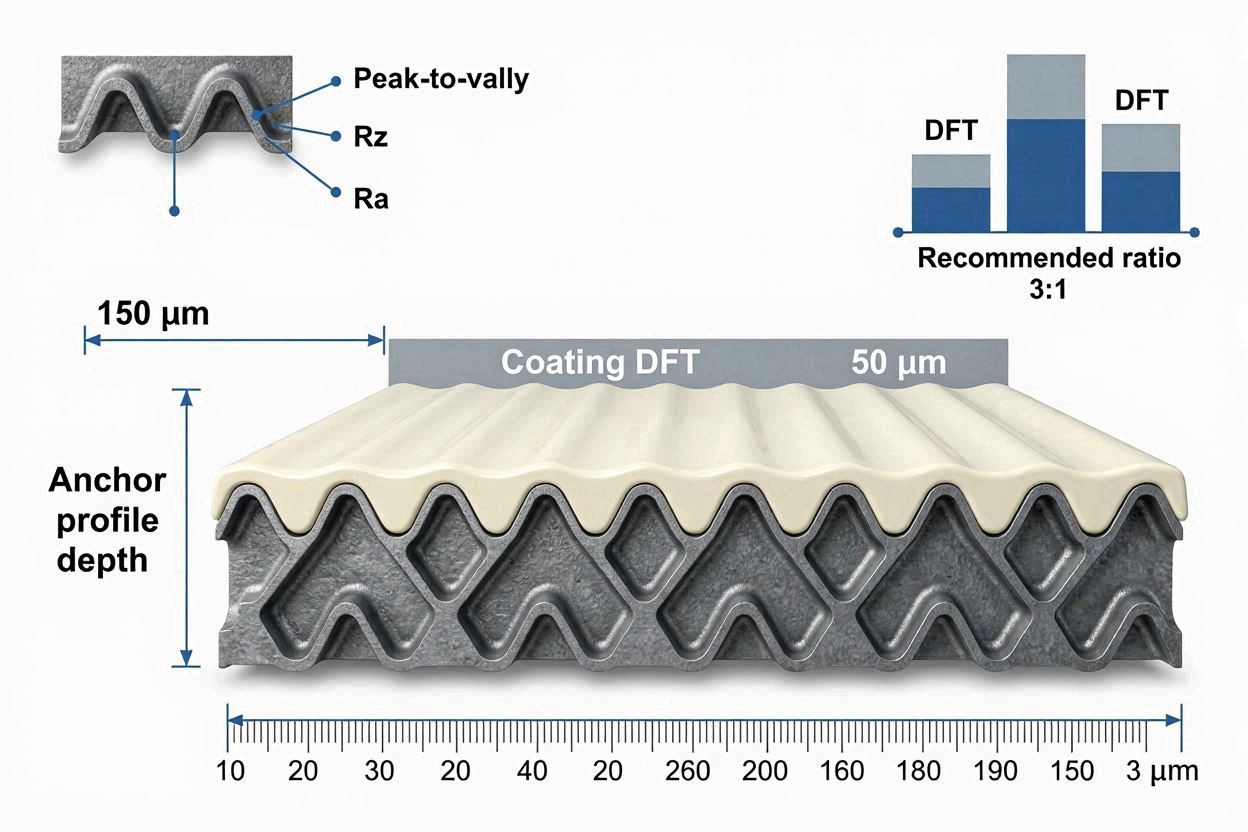
- Anchor profile creation for heavy coatings: Mineral or metallic abrasives are required — plastic media produces a negligible surface profile inadequate for heavy-build epoxy or zinc-rich primer adhesion on structural steel.
- Cost per m²: Plastic media has a higher unit price than most mineral abrasives and lower recyclability (20–50 cycles vs 100–200 for aluminum oxide). However, for the applications where it is the correct specification, there is no alternative — the comparison is irrelevant.
- Waste management: Spent plastic media mixed with stripped paint is non-hazardous waste in most jurisdictions, simplifying disposal. However, if stripping lead-containing paint, the spent media becomes contaminated hazardous waste regardless of the media type.
For a comprehensive side-by-side comparison of plastic media against all major abrasive types across key technical parameters, see the Blasting Media Comparison Chart. For guidance on selecting the right media for your specific substrate and application, refer to the complete blasting media selection guide.
9. Frequently Asked Questions
Related Resources
Explore the full blasting media resource library from Jiangsu Henglihong Technology for further selection guidance and application-specific recommendations:
- Blasting Media: Complete Industry Guide — full overview of all media types and applications
- Types of Blasting Media: Complete Guide — how plastic media compares to all other abrasive types
- How to Choose the Right Blasting Media — step-by-step selection framework and substrate matrix
- Aluminum Oxide Blast Media — angular mineral abrasive for steel and hard substrate preparation
- Glass Bead Blasting Media — spherical media for smooth finishing on aluminum and stainless
- Garnet Blasting Media — low-dust mineral abrasive for steel and pipeline applications
- Silicon Carbide Blast Media — for glass, ceramics, and the hardest substrates
- Blasting Media for Automotive Restoration — component-by-component media recommendations
- Steel Grit vs Steel Shot — metallic abrasives for high-volume production blasting
- Blasting Media Comparison Chart — side-by-side data for all major abrasives
- Blasting Media Cost Guide & ROI Analysis — cost-per-m² benchmarks
- Eco-Friendly Blasting Media — silica-free and low-dust options for regulated environments
- Industrial Surface Prep: Best Blasting Media for Metal
- Blasting Media Safety Guide: Silica Risks & PPE
Source Plastic Blast Media from a Trusted Manufacturer
Jiangsu Henglihong Technology supplies urea, melamine, and acrylic plastic blast media in MIL-P-85891 grades, with full documentation and reliable sea freight export to North America, Europe, the Middle East, and beyond.
Request a Quote or Technical Sample过滤器