Sandblasting Abrasives: Types, Grit Sizes & Selection Guide
Everything industrial buyers, surface preparation engineers, and project managers need to know about selecting the right abrasive media — from substrate compatibility and grit sizing to true cost-per-cycle calculations. Backed by decades of manufacturing experience at Jiangsu Henglihong Technology Co., Ltd.
What Are Sandblasting Abrasives?
Sandblasting abrasives — also referred to as blasting media, blast abrasives, or abrasive blasting media — are the granular materials propelled at high velocity against a surface to clean, profile, deburr, peen, or finish it. The term “sandblasting” is a legacy name derived from the earliest practice of using silica sand as the propellant media; today, the industry has moved decisively to engineered and natural abrasives that offer superior performance, safety, and environmental compliance.
At their core, sandblasting abrasives work through kinetic impact: compressed air, a centrifugal wheel, or pressurised water accelerates individual abrasive particles toward the workpiece. Each particle impacts the surface, transferring energy that fractures or displaces contaminants, mill scale, rust, coatings, or base material. The aggregate effect of millions of these micro-impacts per second is what cleans, etches, and profiles the surface.
Choosing the wrong abrasive is one of the most costly mistakes in surface preparation. Using an overly aggressive media on a delicate substrate causes irreversible damage; using an underpowered media on heavy mill scale wastes time, money, and compressed air. This guide exists to eliminate that guesswork and help you match the right abrasive to your specific substrate, coating system, and production requirements.
Why “sandblasting” no longer means sand: Crystalline silica (quartz sand) is classified as a Group 1 human carcinogen by IARC and is banned or strictly regulated for blasting use in most countries, including across the European Union. Modern abrasives deliver better results without the silicosis risk. Throughout this guide, “sandblasting abrasives” refers to the full spectrum of engineered and natural media used in abrasive blasting operations.
How Abrasive Blasting Works
Understanding the mechanics of abrasive blasting helps you make better media selection decisions. The process involves three interacting variables: the abrasive particle itself, the delivery system, and the target substrate. The outcome — surface cleanliness grade, anchor profile depth, and processing speed — is determined by how well these three variables are matched to each other.
The Three Delivery Systems
Abrasive blasting equipment falls into three broad categories, each with different media requirements. Portable pressure pots use compressed air to propel abrasive through a nozzle; they accept almost any media but consume material quickly since recycling is impractical in the field. Blast cabinets recirculate media in a controlled enclosure, making reusability a critical selection criterion — media that fractures aggressively (like single-use slag) is poorly suited here. Centrifugal wheel blast machines use rotating paddles to throw media at very high velocity, typically using steel shot or steel grit for high-volume industrial applications such as structural steel fabrication.
Wet blasting systems add water to the abrasive stream, suppressing dust almost entirely and making them valuable for site work near occupied buildings, in confined spaces, or in jurisdictions with strict particulate emission limits. Not all abrasives are suitable for wet use — water-soluble media like sodium bicarbonate (soda) cannot be used in wet systems, while garnet, steel grit, and crushed glass perform well in both wet and dry modes.
What Happens at the Point of Impact
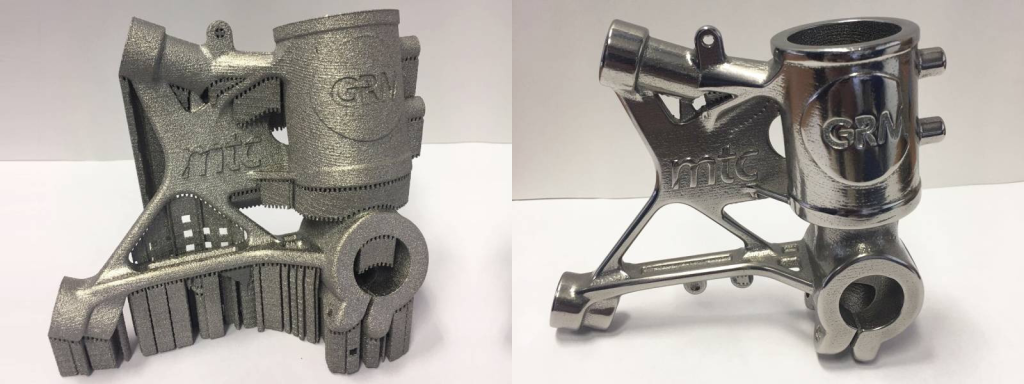
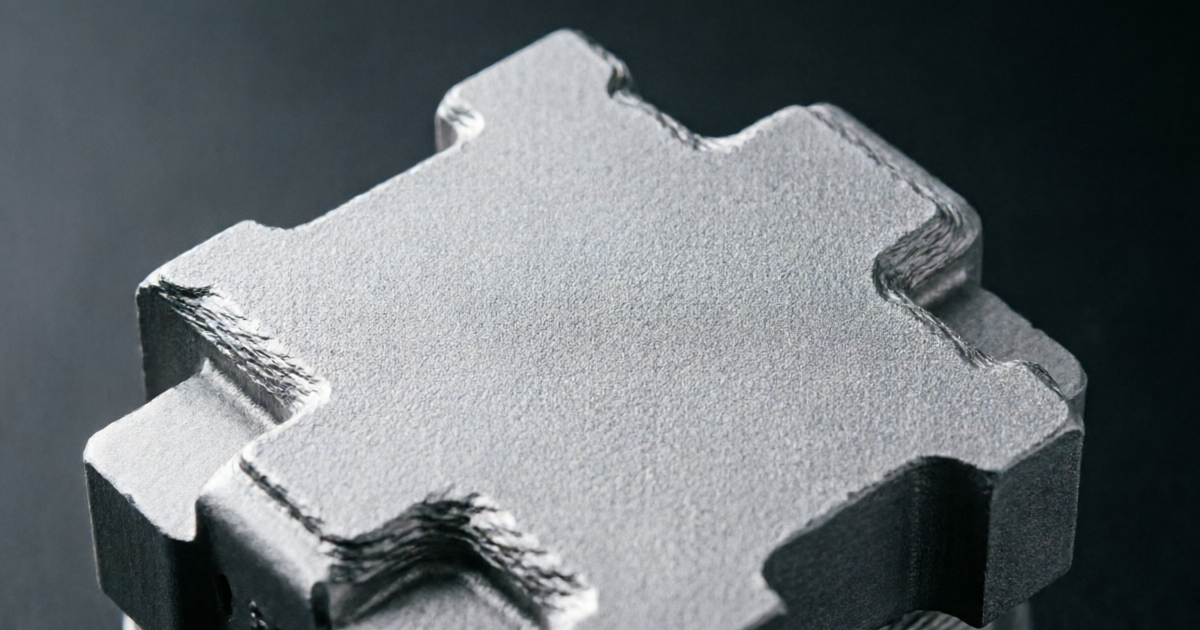
When an abrasive particle strikes a steel surface, several things happen simultaneously. Angular particles with sharp edges cut into the surface, creating a jagged anchor profile — the microscopic peaks and valleys that mechanical interlocking between a coating and its substrate relies on. Round particles peen the surface instead, compressing it without significant cutting, which is ideal for stress relief (shot peening) or brightening without profiling. Particle hardness determines how deeply the abrasive penetrates the substrate and whether the particle shatters on impact (producing dust and reducing effective grit size) or holds its shape across many blasting cycles.
Surface profile depth — measured in mils (thousandths of an inch) or micrometers — is the specification most coating manufacturers use to define acceptable surface preparation. Most industrial coating systems require a profile between 1.5 and 4.0 mils. Exceeding this range causes coating voids at the peak tips; falling short reduces adhesion. Your chosen abrasive and its grit size must produce a profile within the coating manufacturer’s specified range.
The 10 Main Types of Sandblasting Abrasives
The global sandblasting abrasives market encompasses metallic, mineral, synthetic, and organic media — each with a distinct combination of hardness, shape, density, and recyclability. The following overview covers the ten most widely used abrasive types, with links to dedicated in-depth guides for each.
Aluminum Oxide (Brown Corundum)
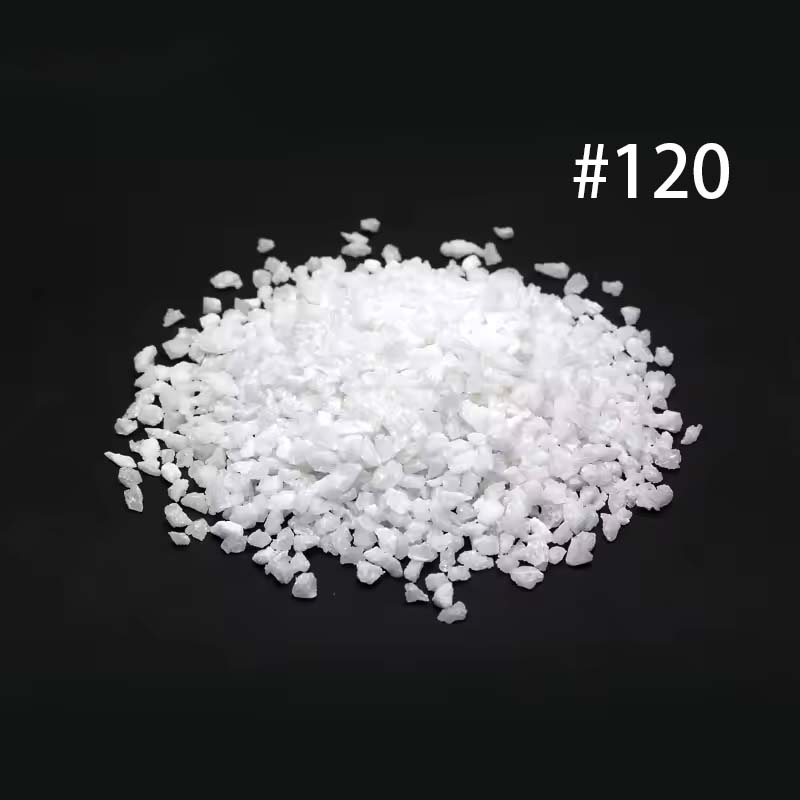
Synthetic mineral abrasive with a Mohs hardness of 9. Angular, fast-cutting, and recyclable up to 20–30 cycles. The industry benchmark for aggressive surface profiling and coating preparation on steel, aluminium, and composites.
Full Guide →Grain d'acier
Angular, high-hardness (HRC 40–66) metallic abrasive produced from quenched and tempered steel. Creates the deepest surface profiles of any media and lasts 100+ cycles in wheel-blast systems. The standard for structural steel, offshore platforms, and shipbuilding.
Full Guide →Perles de verre
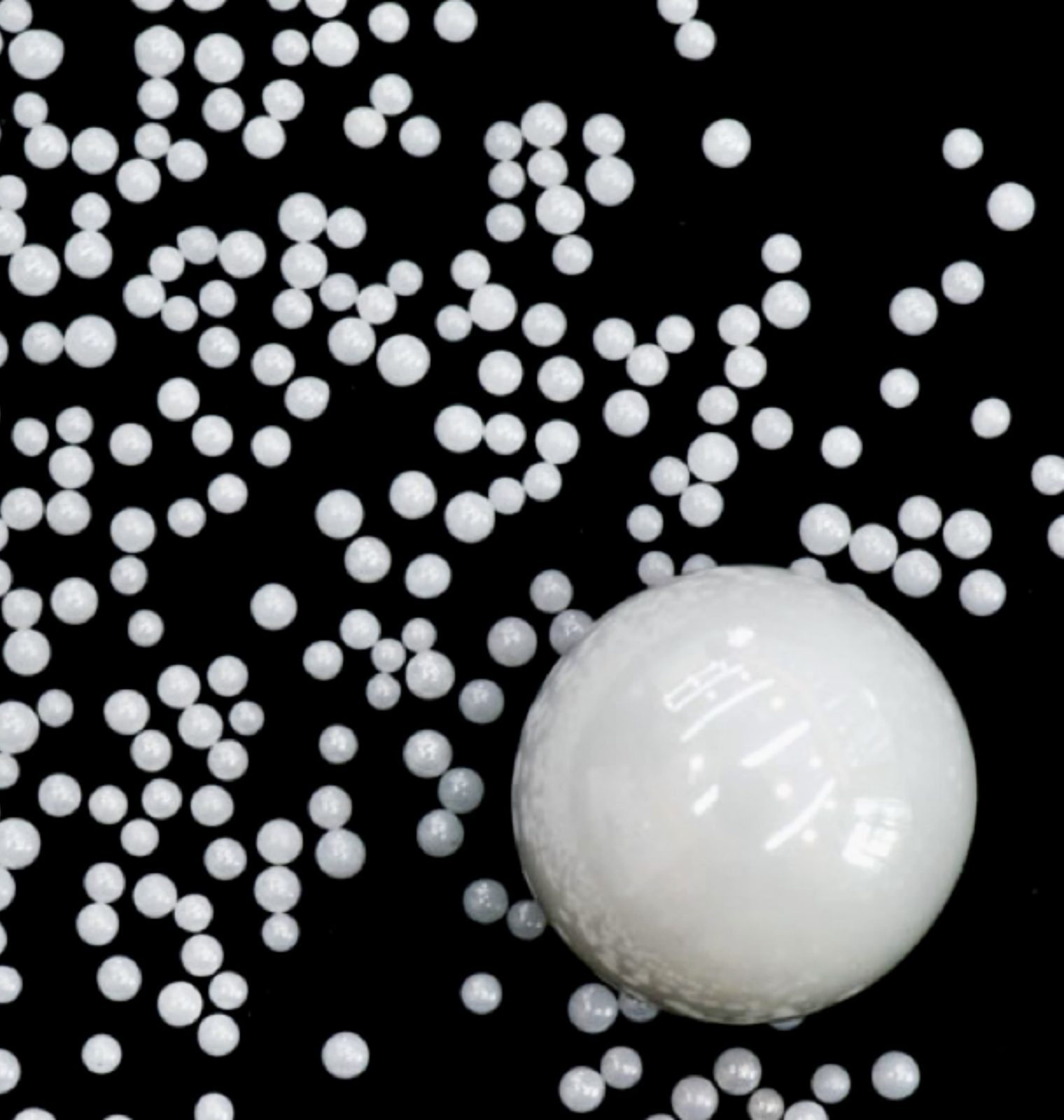
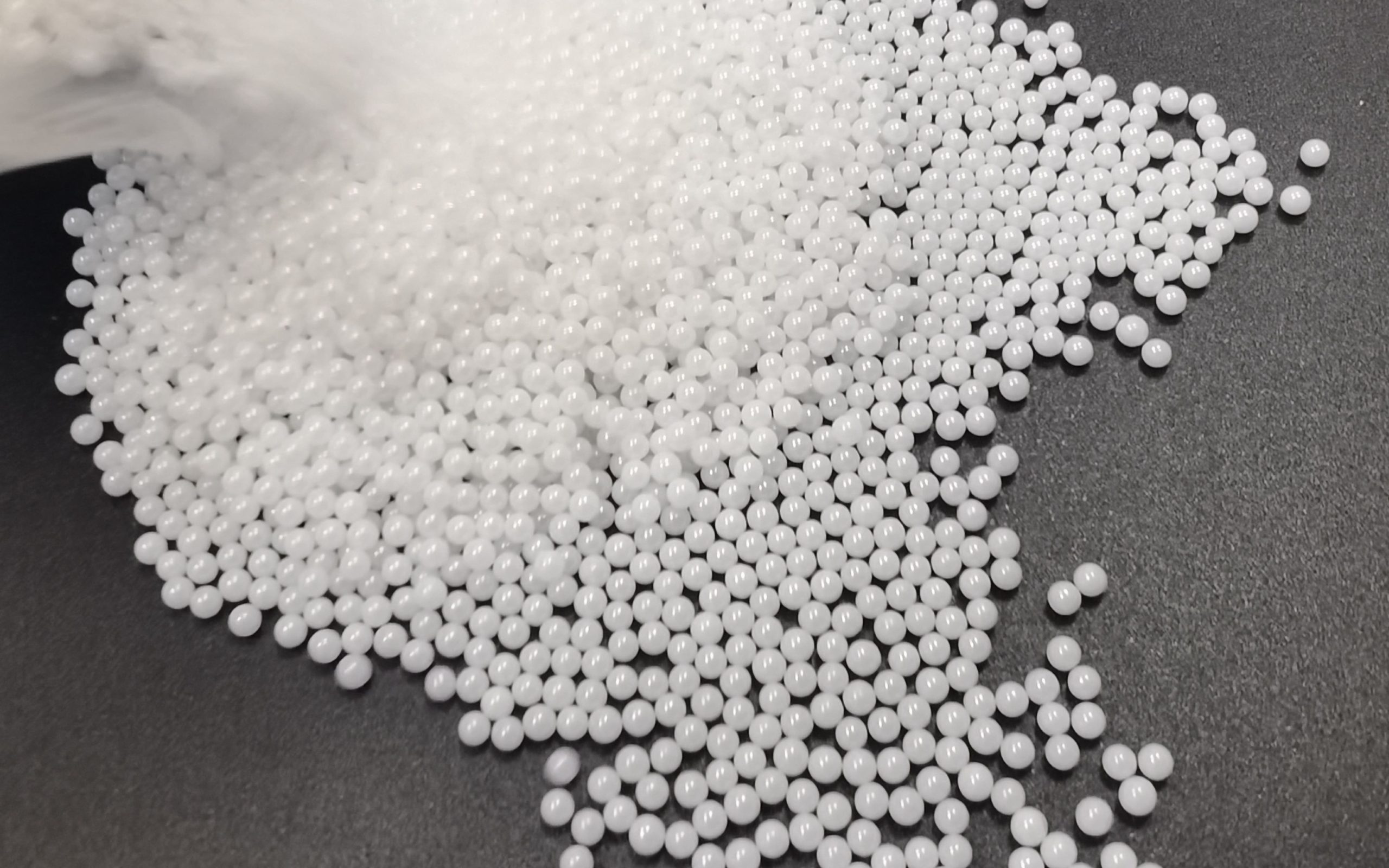
Spherical borosilicate glass, available in grit sizes from 40 to 400. Produces a bright, satin finish without an aggressive anchor profile. Ideal for stainless steel, aluminium, and any application where appearance is the primary objective. Recyclable 20–30 times.
Full Guide →Grenat
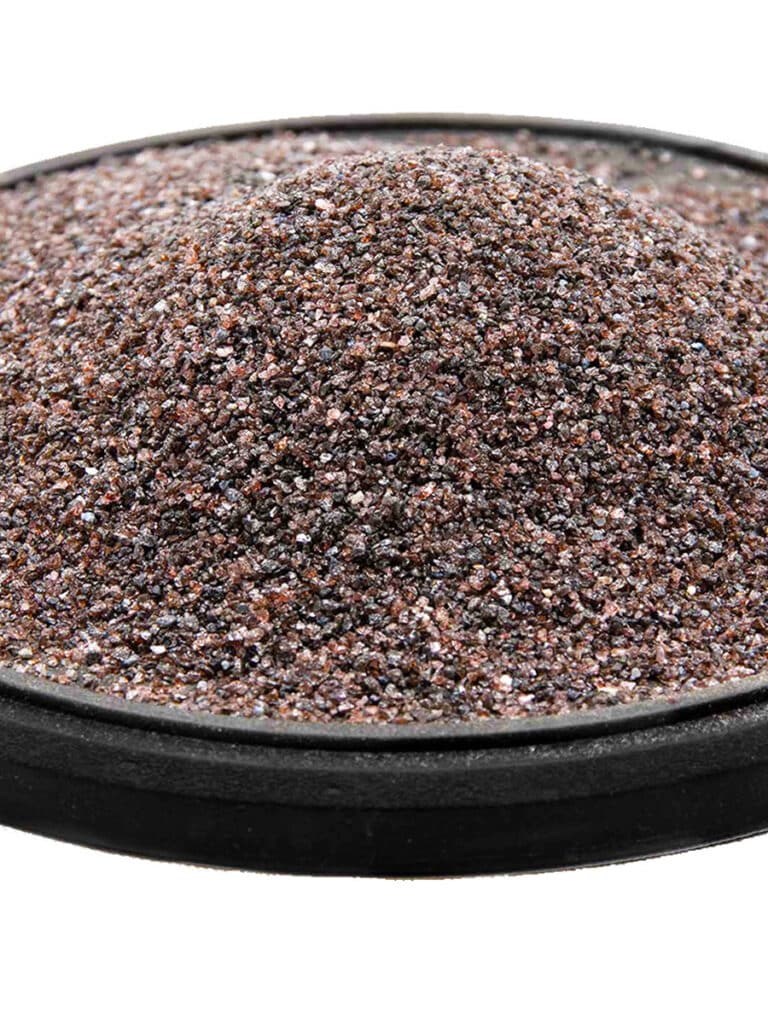
Natural semi-precious mineral with sharp, sub-angular edges and very low dust generation. GMA (alluvial) and hard rock garnet offer different hardness profiles. Widely used in waterjet cutting, marine blasting, and sensitive environments where silica-free, low-toxicity media is required.
Full Guide →Carbure de silicium
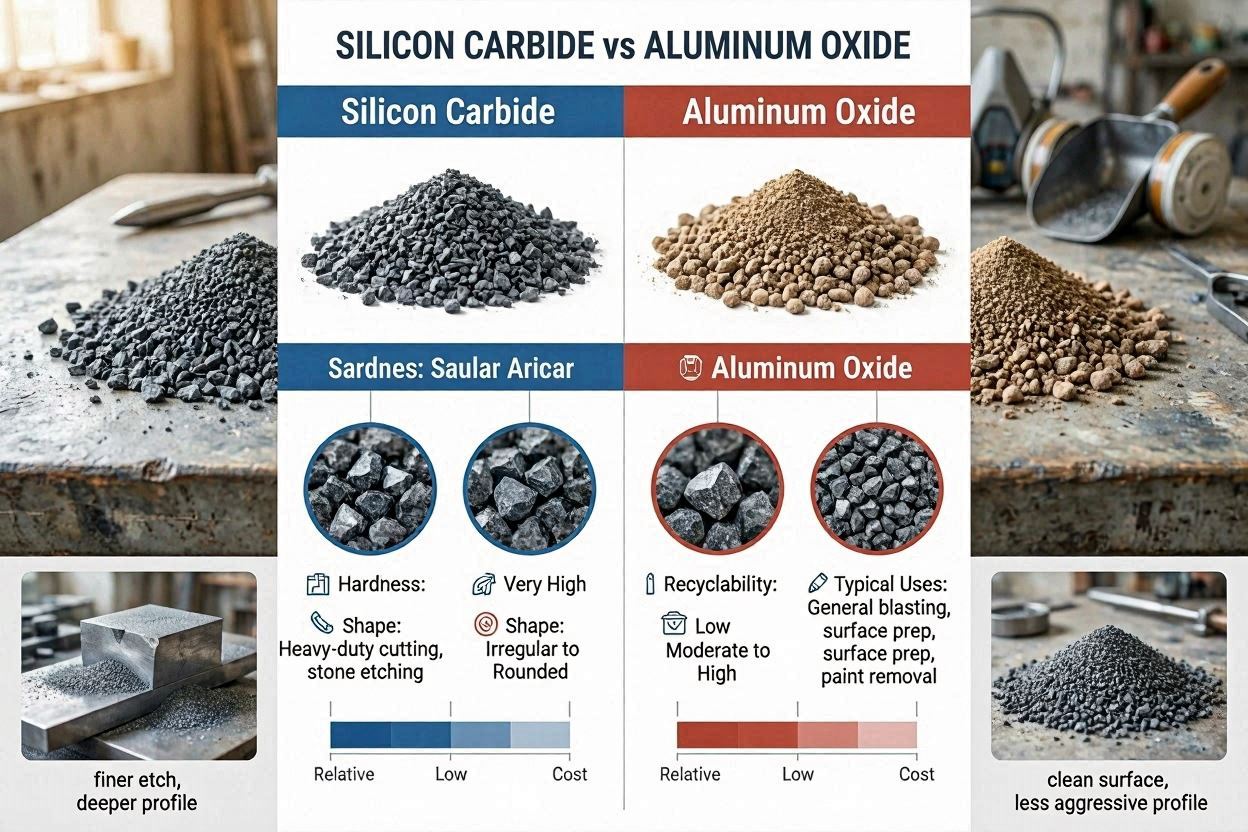
The hardest common blasting abrasive at Mohs 9–9.5. Extremely fast-cutting, producing sharp surface profiles on ceramics, carbide tooling, glass, and hardened steel. Higher cost limits it to specialty applications where aluminum oxide cannot achieve the required result.
Full Guide →Coal Slag
Angular, glassy by-product of coal combustion power generation. Available in coarse, medium, and fine grades. Very low cost per bag makes it popular for outdoor field blasting where recycling is impractical. Low recyclability (1–3 cycles) and higher disposal cost must be factored into total cost-of-use calculations.
Full Guide →Walnut Shell
Organic, biodegradable abrasive with a Mohs hardness of 2.5–4. Removes light surface contamination, carbon deposits, and coatings from soft substrates — wood, fibreglass, aircraft composites, and engine components — without etching or damaging the underlying material.
Full Guide →Plastic Blast Media
Thermoplastic urea or melamine particles engineered for aircraft paint stripping, mould cleaning, and composite repair. Softer than any mineral abrasive, plastic media removes coatings without damaging thin-gauge aluminium or fibreglass substrates. A safer, non-chemical alternative to solvent stripping in aviation MRO.
Full Guide →Grenaille d'acier
Spherical, heat-treated steel balls used primarily for peening, descaling, and cleaning castings and forgings. The round shape peens rather than cuts, inducing compressive residual stresses that extend component fatigue life. Extremely high recyclability (200+ cycles) makes it the most cost-efficient metallic media for high-volume operations.
Learn About Steel Media →Sodium Bicarbonate (Soda)
Water-soluble, food-safe abrasive ideal for fire restoration, delicate monument cleaning, and graffiti removal from sensitive stone surfaces. Leaves no embedded media, deodorises, and leaves the substrate completely residue-free. Cannot be used in wet-blasting systems and is not recyclable.
See Grit Size Reference →Key Technical Properties of Sandblasting Abrasives
Every abrasive data sheet reports a set of technical properties. Understanding what each property means — and how it interacts with your specific application — is essential to making a rational selection decision rather than relying on habit or the cheapest price per bag.
Dureté
Hardness is measured on the Mohs scale (1–10 for minerals) or the Rockwell C scale (HRC, for metallic abrasives). A harder abrasive cuts more aggressively, produces a deeper surface profile, and tends to last longer before breaking down. However, hardness must be matched to the substrate: an abrasive harder than the workpiece will always remove base material, which is desirable for profiling but destructive when cleaning thin-gauge components. Aluminium oxide (Mohs 9) is appropriate for blasting structural steel; walnut shell (Mohs 3) is correct for stripping paint from aluminium aircraft skin without dimensional damage.
Particle Shape: Angular vs. Round
Shape is often more important than hardness in determining the surface outcome. Angular particles have sharp cutting edges that bite into the substrate, creating a rough, jagged anchor profile — necessary for coating adhesion, especially for thick protective coatings on infrastructure. Round particles peen the surface, creating a series of dimples that compress the metal without removing base material. This compressive effect is exploited in shot peening to extend fatigue life of springs, gears, and turbine blades. For decorative finishing — stainless steel brightening, jewellery finishing, or automotive trim restoration — glass beads deliver a controlled, satin appearance without aggressive profiling.
Particle Size and Grit Designation
Abrasive particle size is expressed as a grit number, which corresponds to the mesh size of the screen through which the particles pass during grading. Confusingly, higher grit numbers indicate finer particles — a 320-grit abrasive is much finer than a 16-grit abrasive. Coarser grit produces a deeper, rougher profile and removes material faster but leaves a visually rough surface. Finer grit produces a smoother finish and is better suited for delicate substrates or final finishing steps. For detailed grit-to-application matching, see our dedicated Sandblasting Abrasives Grit Size Chart.
Densité en vrac
Bulk density — the weight of abrasive per unit volume — directly affects delivery rate, impact energy, and consumption rate. Heavier media (steel shot at 280–300 lb/ft³) delivers more kinetic energy per particle at the same velocity, enabling it to clean faster and profile deeper than lighter media (garnet at 140–150 lb/ft³). However, heavier media also wears equipment — nozzles, hoses, and blast pots — more rapidly, and increases compressed air demand for equivalent coverage rates.
Recyclabilité
Recyclability determines the true cost per square foot of blasted surface area — not the purchase price per bag. An abrasive that fractures on impact and degrades to dust after a single pass may be cheap per pound but extremely expensive per job. Aluminium oxide can be recycled 20–30 times; steel shot is viable for 200 or more cycles. Understanding recyclability is foundational to the cost analysis section of this guide. For a structured side-by-side recyclability analysis, see our Recyclable Sandblasting Media Comparison.
Full Abrasive Media Comparison Table
The table below summarises the key technical and economic properties of the eight primary sandblasting abrasives supplied by Jiangsu Henglihong Technology Co., Ltd., plus two additional media types for completeness. Use this as a quick-reference decision matrix; click through to each media’s dedicated guide for detailed specifications, grit range tables, and application case studies.
| Abrasive | Dureté | Shape | Profile Depth | Recyclabilité | Relative Cost/Cycle | Best For |
|---|---|---|---|---|---|---|
| Oxyde d'aluminium | Mohs 9 | Angulaire | 1.5–4.0 mil | 20–30 cycles | Faible | Steel, composites, glass etching |
| Grain d'acier | HRC 40–66 | Angulaire | 2.0–5.0 mil | 100+ cycles | Très faible | Structural steel, shipbuilding |
| Perles de verre | Mohs 5.5 | Round | 0.5–1.0 mil | 20–30 cycles | Medium | Stainless, aluminium, decorative |
| Grenat | Mohs 7.5–8 | Sub-angular | 1.5–3.0 mil | 3–5 cycles | Medium | Marine, waterjet, low-dust sites |
| Carbure de silicium | Mohs 9–9.5 | Angulaire | 2.0–4.5 mil | 10–15 cycles | Haut | Ceramics, carbide, glass engraving |
| Coal Slag | Mohs 6–7 | Angulaire | 1.5–3.5 mil | 1–3 cycles | Medium | Field blasting, bridges, tanks |
| Walnut Shell | Mohs 2.5–4 | Angulaire | < 0.5 mil | 3–5 cycles | Haut | Fibreglass, aircraft, wood |
| Supports en plastique | Mohs 2–4 | Various | < 0.5 mil | 5–10 cycles | Haut | Aircraft skin, composites, moulds |
| Grenaille d'acier | HRC 40–50 | Round | 0.5–2.0 mil | 200+ cycles | Très faible | Shot peening, casting cleaning |
| Bicarbonate de sodium | Mohs 2.5 | Cubic | Negligible | Single use | Very High | Food equipment, monuments, fire resto |
For a printable version of this comparison chart with full specification columns including mesh size ranges, specific gravity, and angle-of-repose data, see our dedicated Abrasive Media Comparison Chart.
When choosing between two closely matched media types, the comparison guides in our Series B resources provide a structured head-to-head analysis. Start with Aluminum Oxide vs Steel Grit — the most common comparison question we receive — or explore Garnet vs Aluminum Oxide if environmental performance and dust generation are primary concerns. For heavy industrial applications where both slag types are under consideration, the Coal Slag vs Copper Slag guide provides a rigorous side-by-side evaluation.
Sandblasting Abrasive Grit Size Guide
Grit size selection is the second most important decision after media type, and the two decisions are interdependent. The same abrasive type in different grit sizes produces dramatically different surface profiles, processing speeds, and finishing outcomes. The four broad categories below provide a starting framework; always verify against your coating system’s specified anchor profile before finalising media selection.
Maximum material removal rate. Deep anchor profiles (3–5 mil). Heavy rust, thick mill scale, structural steel. Short processing time, rough visual finish.
Balanced profile (1.5–3.0 mil). The most common range for industrial surface prep before protective coatings. Steel structures, marine, pipeline.
Light profiling (0.5–1.5 mil). Aluminium, stainless, automotive components. Good for final finish steps before paint or powder coat on non-ferrous substrates.
Minimal profile, near-mirror finish. Glass engraving, medical instruments, jewellery, precision electronics. Requires appropriate nozzle and pressure settings.
Grit size also affects abrasive consumption rate significantly. A counterintuitive rule of thumb: coarser media does not always deliver the fastest processing rate. A 16-grit bag contains roughly half the particle count of a 36-grit bag of the same mass, meaning fewer impacts per second from the nozzle. In many applications, medium grit sizes outperform very coarse media in both throughput and per-square-foot cost. For a complete mesh-to-micron conversion table and application-specific recommendations, consult our Sandblasting Abrasives Grit Size Chart.
How to Choose the Right Sandblasting Abrasive
Abrasive selection is a multi-variable engineering decision, not a matter of brand preference or convention. The following decision framework mirrors the consultation process used by Jiangsu Henglihong Technology’s technical team when supporting new project specifications.
- Define the substrate material and condition. What is being blasted? Is it carbon steel with heavy rust and mill scale, aluminium with worn paint, fibreglass with surface osmosis, or concrete with a failed coating? The substrate’s hardness and sensitivity set the upper boundary for acceptable abrasive aggression.
- Identify the desired surface cleanliness standard. Industrial standards such as SSPC-SP 6 (Commercial Blast), SSPC-SP 10 (Near-White Blast), and Sa 2.5 (ISO 8501-1) define the degree of contamination removal required. More stringent standards require harder, more angular abrasives.
- Specify the required surface profile depth. Your coating system’s technical data sheet will state a minimum and maximum anchor profile, typically 1.5–4.0 mil for most industrial protective coatings. Select a media and grit combination that reliably produces a profile within this range.
- Consider the operating environment. Is the work indoors (blast cabinet, blast room) or outdoors (field blasting)? Indoor recycling operations favour high-recyclability media. Outdoor near-waterway sites require low-toxicity, environmentally compliant abrasives. Occupied building adjacency points to low-dust or wet blasting options.
- Evaluate equipment compatibility. Not every abrasive works in every delivery system. Very heavy media (high-hardness steel grit) requires purpose-built equipment. Soda cannot be used in standard wet-blast machines. Your existing nozzle size, pot capacity, and air compressor output may constrain your options.
- Calculate true cost per square foot. Factor in purchase price, recyclability cycles, abrasive consumption per square foot, equipment wear, and disposal cost. The cheapest abrasive per bag is rarely the cheapest abrasive per completed job.
Quick Decision Guide by Substrate
Aluminum oxide or steel grit for profiling. Steel shot for cleaning castings. Coal slag for one-pass field work.
Al₂O₃ vs Steel Grit →Glass beads (satin finish) or fine aluminum oxide (40–80 grit). Avoid steel media — contamination risk.
Glass Bead Guide →Plastic blast media or walnut shell. Mineral abrasives will erode fibres and cause delamination.
Plastic Media Guide →Crushed glass, garnet, or coal slag. Profile depth depends on coating specification and substrate porosity.
Concrete Guide →Silicon carbide for deep etching. Aluminum oxide for moderate etching. Glass beads for light frosting.
Silicon Carbide Guide →Walnut shell for gentle cleaning and grain exposure without fibre damage. Corn cob for ultra-gentle.
Wood Surface Guide →The choice between wet and dry blasting also affects which abrasives are available to you. Our detailed guide on Wet Blasting vs Dry Blasting Abrasives covers the full implications of each system, including dust suppression, surface flash rusting, and media performance differences across both delivery modes.
Sandblasting Abrasives by Industry Application
Different industries have converged on preferred abrasive media based on decades of experience, regulatory requirements, and surface preparation standards specific to their coating systems and operating environments. The overview below summarises the dominant media choices in each major application sector.
Automotive Restoration
Panel work requires media gentle enough to remove rust and paint without warping thin sheet steel. Aluminum oxide (80–120 grit), glass beads, and walnut shell are all used depending on the substrate condition and proximity to body filler.
Automotive Guide →Marine & Shipbuilding
Hull preparation to Sa 2.5 or Sa 3 standard before anti-corrosion epoxy systems. Garnet and steel grit dominate, chosen for low chloride contamination risk and consistent anchor profile depth.
Marine Guide →Concrete Surface Preparation
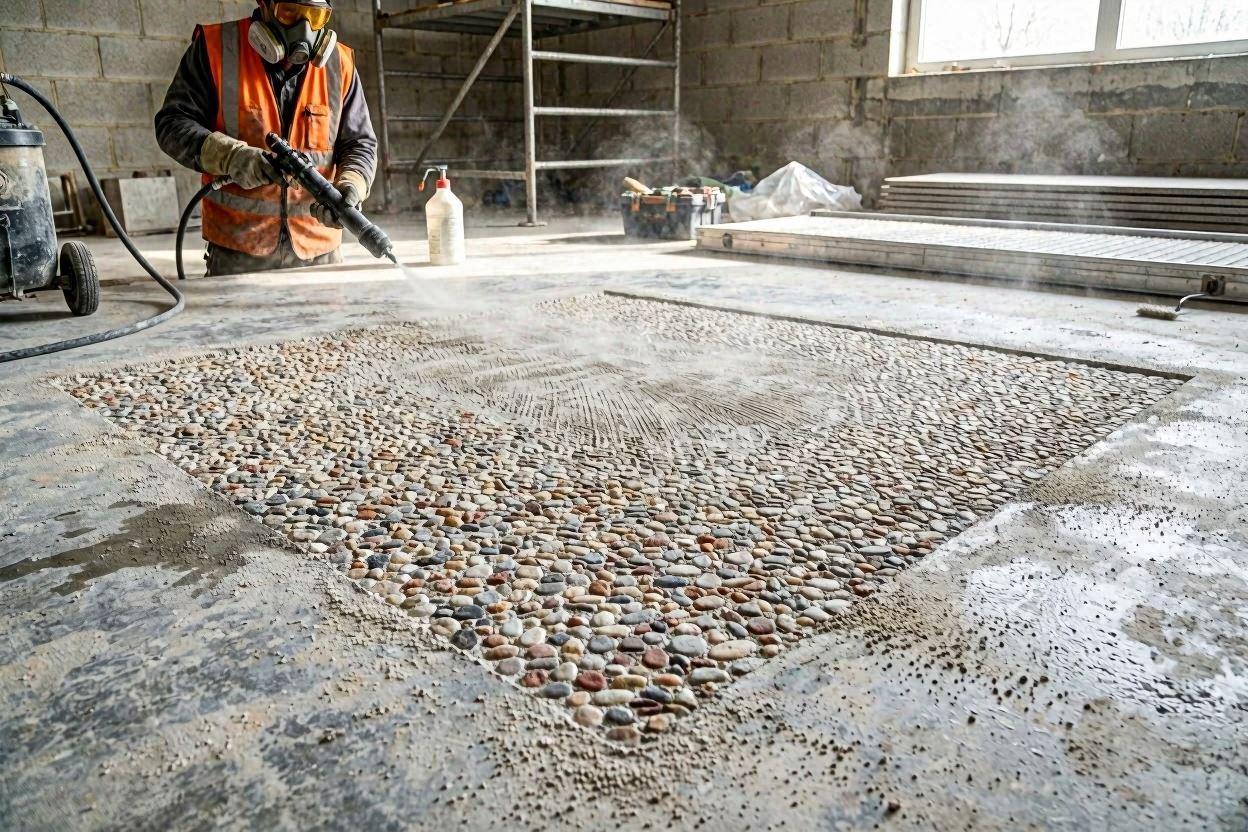
Coating adhesion on concrete requires controlled surface profile (CSP 3–9 per ICRI). Garnet, crushed glass, and steel shot are used depending on profile requirements and whether the surface will receive thin-film or thick-film coatings.
Concrete Guide →Aérospatiale
Aircraft MRO requires abrasives that strip coatings from aluminium without dimensional change. Plastic blast media (Type I and Type II) is the aerospace-standard answer, supplemented by glass beads for peening applications on high-cycle fatigue components.
Aerospace Guide →Wood & Timber
Furniture restoration, log home cleaning, and deck preparation use organic or soft mineral abrasives — walnut shell, corn cob, or fine glass bead — to open the grain, remove grey weathering, and clean without raising excessive fibres.
Wood Guide →Oil, Gas & Pipeline
Internal and external pipeline coating preparation demands consistent Sa 2.5 or Sa 3 cleanliness with anchor profiles matched to fusion-bonded epoxy (FBE) or coal-tar epoxy systems. Steel grit and garnet are the primary choices in this sector.
Pipeline Guide →Understanding True Cost-Per-Cycle and Recyclability
Purchase price per pound is almost meaningless as a standalone procurement metric. The number that determines profitability is cost per square foot of adequately prepared surface — a figure that incorporates media purchase price, consumption rate per square foot, number of usable cycles, disposal cost, and indirect costs such as equipment wear.
The Recyclability Multiplier
Consider two media options: Coal slag at $0.08/lb with 1–2 useful cycles, versus aluminum oxide at $0.35/lb with 25 useful cycles. At first glance, coal slag appears 4× cheaper. But on a per-cycle basis, aluminium oxide’s cost per pound of media consumed is approximately $0.014 (35 cents divided by 25 cycles) compared to coal slag’s $0.060 (8 cents divided by 1.33 cycles average). Aluminium oxide is actually 4× cheaper per unit of effective blasting work — before accounting for the higher disposal volume and associated cost of single-use slag.
This analysis changes in field environments where recycling is impractical (remote pipeline coating, bridge painting, outdoor tank work). In these scenarios, single-use abrasives are genuinely appropriate — the logistics of recycling outweigh the media cost differential. However, the same calculation almost never favours single-use media for blast room or blast cabinet operations.
Factors in the Full Cost Calculation
- Media purchase price — typically quoted per short ton or per 50 lb/25 kg bag at wholesale volume
- Consumption rate — pounds of fresh media consumed per 100 square feet of blasted surface, a function of abrasive hardness, particle size, and blast pressure
- Recyclabilité — number of useful cycles before the particle size distribution degrades below specification; varies from 1 (soda, single-use slag) to 200+ (steel shot in a maintained system)
- Disposal cost — regulated abrasive waste containing heavy metals requires classified disposal at significant cost; lead paint removal projects may classify spent abrasive as hazardous waste
- Equipment wear rate — harder abrasives wear nozzles, hoses, and blast pots faster; silicon carbide at Mohs 9.5 can consume a ceramic nozzle in hours at high operating pressure
- Labour productivity — faster-cutting media reduces labour hours per square foot; even expensive abrasives may deliver lower total project cost if they double blasting speed
For a complete side-by-side cost comparison across all major media types, including calculated cost-per-cycle breakdowns and a downloadable cost analysis worksheet, see our Recyclable Sandblasting Media Comparison guide.
Bulk purchasing note: For operations consuming more than 20 tonnes of abrasive per month, bulk supply arrangements typically reduce landed media cost by 15–30% compared to bagged pricing. Jiangsu Henglihong Technology Co., Ltd. supplies abrasive blasting media in 25 kg bags, 1,000 kg jumbo bags (super sacks), and full container loads for international B2B buyers. For volume pricing enquiries, visit our Bulk Wholesale Supplier page or contact our export team directly.
Safety, Environmental Compliance & Regulations
Abrasive blasting is one of the highest-risk activities in industrial surface preparation. The hazards are well-documented: respirable crystalline silica causes silicosis; spent blast media may be classified as hazardous waste; noise levels exceed 110 dB(A) within the blast zone; and high-velocity ricochet particles present severe impact injury risk. Regulatory compliance is not optional — it is the baseline for responsible operations in every jurisdiction.
Silica Dust (OSHA PEL)
OSHA’s PEL for respirable crystalline silica is 50 μg/m³ as an 8-hour TWA. Crystalline silica abrasives (quartz sand) are effectively banned for sandblasting in professional settings across North America, the EU, and Australia. All abrasives from Jiangsu Henglihong Technology contain < 1% free silica.
Respiratory Protection
Operators inside or adjacent to the blast zone must wear supplied-air respirators (airline respirators or SCBAs) rated for abrasive blasting use. Air-purifying respirators are not adequate protection for blasting operations. Bystanders require at minimum N95 or P100 filtering facepieces.
Spent Media Disposal
Spent abrasive media that has contacted lead paint, chromate coatings, or other heavy metal finishes is classified as a hazardous solid waste under RCRA (USA) and equivalent frameworks. Testing and disposal must comply with local environmental regulations. Garnet and recycled glass generate lower hazardous waste volumes than metal abrasives when blasting legacy coatings.
Environmental Site Restrictions
Work adjacent to waterways, storm drains, or sensitive habitats is subject to containment, vacuum blast, and/or wet blast requirements in most jurisdictions. Garnet and non-metallic mineral abrasives have lower ecotoxicity profiles and are preferred in environmentally sensitive operating zones. Always confirm local permit requirements before commencing field blasting.
For full regulatory guidance — including OSHA 29 CFR 1910.1053 requirements, EU REACH compliance for media imports, and a site-by-site hazard assessment checklist — see our dedicated Sandblasting Abrasive Safety Regulations guide. For post-project waste handling, the Abrasive Disposal and Environmental Compliance guide walks through classification testing, manifesting, and approved disposal pathways by region. Correct abrasive storage before use is equally important; our Storage and Handling Guide covers moisture control, contamination prevention, and shelf-life management for all media types.
Complete Sandblasting Abrasives Resource Library
The resources below form a comprehensive knowledge base covering every major aspect of sandblasting abrasive selection, application, and management. Each guide is written to production industry standards and reflects the technical expertise of Jiangsu Henglihong Technology Co., Ltd.’s engineering and export teams.
Series A — Abrasive Type Deep Dives
Detailed technical guides covering the properties, specifications, grit ranges, best applications, and economic analysis of each major abrasive type.
Series B — Comparison & Selection Tools
Side-by-side analyses and reference tools for the most common media selection decisions.
Series C — Industry Application Guides
Sector-specific abrasive selection guidance aligned with industry standards, coating systems, and regulatory environments.
Series D — Safety, Operations & Procurement
Operational and compliance resources for buyers, site managers, and HSE professionals.
Questions fréquemment posées
The terms are used interchangeably in industry. “Sandblasting abrasives,” “blasting media,” “abrasive media,” and “blast abrasives” all refer to the granular material propelled at a surface during abrasive blasting operations. The word “sandblasting” is a legacy term from when silica sand was the standard media; today, the industry uses a wide range of engineered and natural abrasives. The term “blasting media” is increasingly preferred in professional and regulatory contexts because it does not imply the use of silica sand.
For heavy rust removal from carbon steel, aluminum oxide (36–60 grit) and steel grit (G25–G40) are the two highest-performing options. Aluminum oxide is more accessible, works in any blast system, and delivers consistent Sa 2.5 cleanliness. Steel grit is preferred for high-volume operations using centrifugal wheel blast machines, where its 100+ cycle recyclability makes it dramatically more economical. For light surface rust on thinner steel where warping is a risk, medium-grit garnet (20–40 mesh) is a lower-aggression alternative. Avoid glass beads for rust removal — their round, non-cutting shape is designed for surface brightening, not aggressive contamination removal.
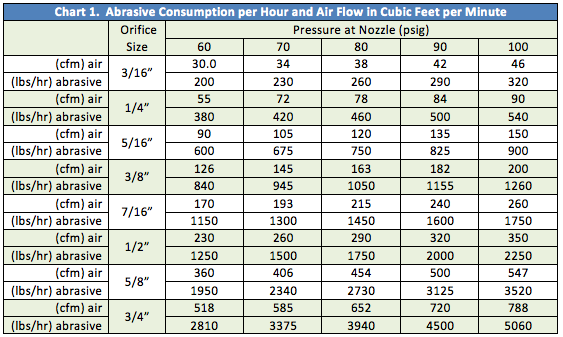
Abrasive consumption depends on the media type, grit size, blast pressure, nozzle diameter, substrate condition, and target cleanliness standard. As a general starting point, plan for 35–60 lb of aluminum oxide per 100 square feet of blasted surface for initial projects; steel grit consumption in a wheel blast system is lower due to its high recyclability. For a detailed estimation tool with adjustable variables for your specific media, grit, and substrate, use our Sandblasting Abrasive Quantity Calculator. Always order 15–20% more than your estimate to account for variability, handling losses, and startup waste at the beginning of a blasting run.
Recyclability varies widely by media type. Steel shot can be reused 200 or more times in a properly maintained wheel-blast system with a good separator. Steel grit lasts 100+ cycles. Aluminum oxide delivers 20–30 cycles in a blast cabinet with an effective reclaimer. Glass beads provide 20–30 cycles before size reduction impacts performance. Garnet is typically used 3–5 cycles before the particle shape degrades too much to produce a consistent profile. Coal slag and most slags are essentially single-use. Soda and some specialty media are by design single-use. For a full recyclability comparison with cost-per-cycle data, see our Recyclable Sandblasting Media Comparison.
From a respiratory health perspective, the primary hazard to avoid is crystalline silica (free silica content above 1%), which causes silicosis — an irreversible and potentially fatal lung disease. All responsible modern abrasive suppliers offer silica-free media. Among commonly used abrasives, GMA garnet and glass beads generate the least dust and present the lowest respiratory burden when used with appropriate ventilation; garnet is additionally low in heavy metals. Sodium bicarbonate (soda) is arguably the safest media from a toxicity standpoint — it is food-safe, non-toxic, and leaves no residue — but it is not suitable for most industrial surface preparation applications. Regardless of media choice, supplied-air respiratory protection and appropriate PPE are mandatory during any blasting operation per OSHA and equivalent standards.
For most industrial protective coating systems on carbon steel, a grit range of 36–80 (aluminum oxide or steel grit) produces a surface profile of 1.5–3.0 mils — within the specified range for most epoxy, polyurethane, and zinc-rich primer systems. Always verify against your specific coating manufacturer’s technical data sheet, which will state the required surface cleanliness standard (e.g., SSPC-SP 10) and anchor profile range. For thin-film coatings or on softer substrates, a finer grit (80–120) may be appropriate. For very thick coating systems such as glass flake epoxy on offshore structures, coarser grit (G18–G25 steel grit) producing a 3.0–4.5 mil profile may be specified. Our Grit Size Chart provides a full reference table for common coating system requirements.
Jiangsu Henglihong Technology Co., Ltd. exports abrasive blasting media worldwide in full container loads (FCL) and less-than-container loads (LCL). Typical packaging options include 25 kg kraft paper bags, 1,000 kg jumbo bags (FIBC), and customer-specified private label packaging. Lead times for standard media types range from 15 to 30 days ex-works. Export documentation — commercial invoice, packing list, bill of lading, certificate of origin, material safety data sheets (SDS), and quality inspection certificates — is provided as standard. For detailed specifications, minimum order quantities, and export pricing, visit our Bulk Wholesale Supplier page or submit an enquiry directly to our export team for a formal quotation within one business day.
Ready to Source the Right Abrasive for Your Project?
Jiangsu Henglihong Technology Co., Ltd. supplies industrial-grade sandblasting abrasives to buyers in over 40 countries. Get a formal quotation, technical specification sheet, or free media selection consultation from our export engineering team.
Filtres