Wet Blasting vs Dry Blasting Abrasives
Two fundamentally different abrasive delivery systems with distinct media requirements, surface outcomes, and operating economics. Complete guide to choosing between wet and dry blasting — and selecting the right abrasive for each system.
How Each System Works
Dry blasting propels abrasive media with compressed air through a nozzle onto the substrate surface. It is the dominant form of abrasive blasting globally, used in portable field applications, blast cabinets, blast rooms, and centrifugal wheel machines. Wet blasting — also called vapour blasting, slurry blasting, or dustless blasting — mixes abrasive media with water before propelling the slurry through the nozzle. The water envelope around each particle suppresses dust generation to near-zero and modifies the impact dynamics at the substrate surface.
The fundamental physics of each system produce different surface outcomes, different media requirements, and different operating economics. Neither is universally superior — the best choice depends on your application, environmental constraints, substrate type, and production volume.
System Comparison Table
| Factor | Chorreado en seco | Chorreado húmedo |
|---|---|---|
| Dust Generation | High to Very High | Near-Zero |
| Flash Rusting | Ninguno | Possible — inhibitor required |
| Surface Profile | Deeper, more angular | Slightly smoother, same cleanliness |
| Media Options | All types | Garnet, Al₂O₃, glass bead, steel media |
| Water-Soluble Media | Yes (soda, etc.) | No |
| Equipment Cost | Low–High (range) | Medium–High |
| Operating Cost | Lower | Higher (water, inhibitors, drying) |
| Best For | Most industrial applications | Occupied buildings, enclosed spaces, dust-sensitive sites |
| Post-Blast Drying | Not needed | Required before coating |
| Regulatory Compliance | Standard PPE required | Easier near waterways & buildings |
Dust Suppression: The Primary Case for Wet Blasting
Wet blasting’s ability to suppress airborne dust to near-zero levels is its defining advantage, and the primary reason it is specified for blasting in occupied building adjacency, confined spaces, indoor environments, and sites near schools, hospitals, or waterways. In dry blasting — even with low-dust abrasives like garnet — significant dust generation is unavoidable. Wet blasting eliminates the dust cloud entirely: the water envelope around each abrasive particle captures the fines generated on impact before they can become airborne.
In jurisdictions with strict particulate emission limits for blasting operations near occupied structures — common in EU member states, Australia, and many US municipalities — wet blasting enables project work that would be completely prohibited with dry blast methods. This regulatory advantage often justifies wet blasting’s higher operating cost on urban infrastructure projects. For OSHA dust limit guidance, see the Safety Regulations guide.
Abrasive Compatibility with Wet Blasting Systems
Not all abrasives are compatible with wet blasting. Key considerations:
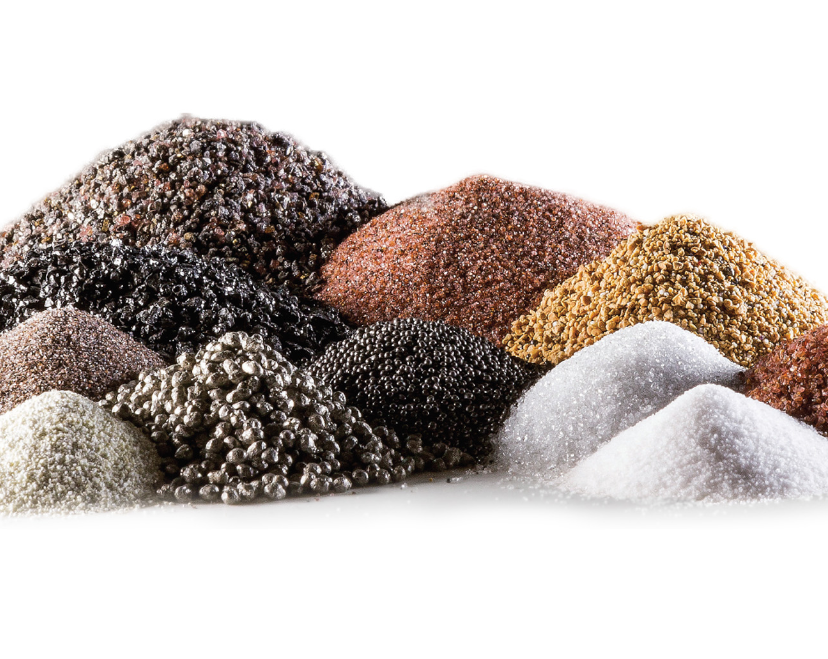
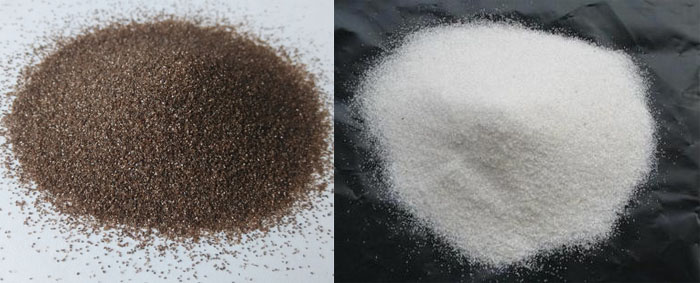
- Granate — excellent in wet systems; low dust, consistent profile, no chemical interaction with water. The most widely used media in wet/vapour blast applications.
- Óxido de aluminio — performs well in wet systems; profile and cleanliness results are comparable to dry blasting. Slightly increased recyclability in wet mode due to reduced particle fracture.
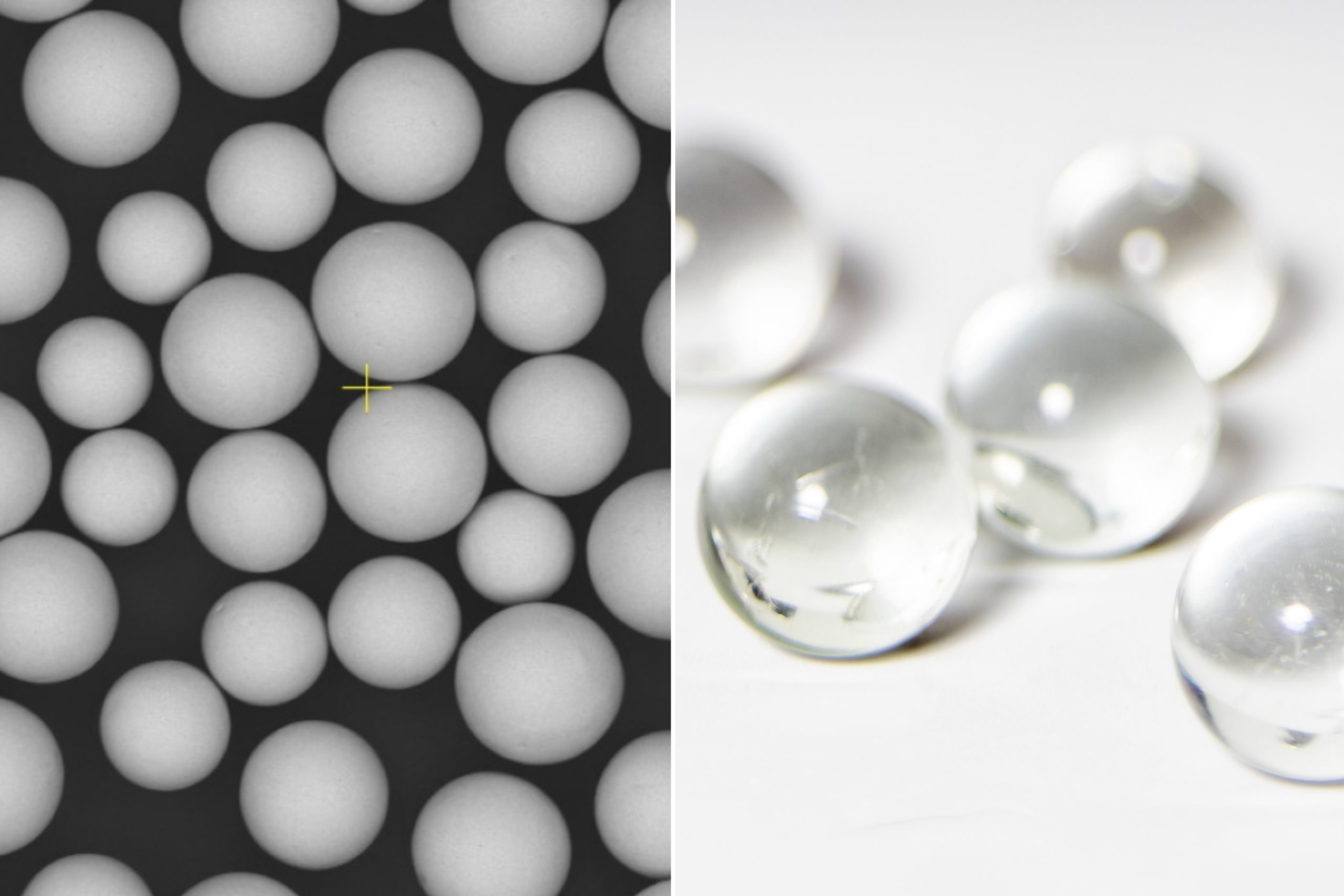
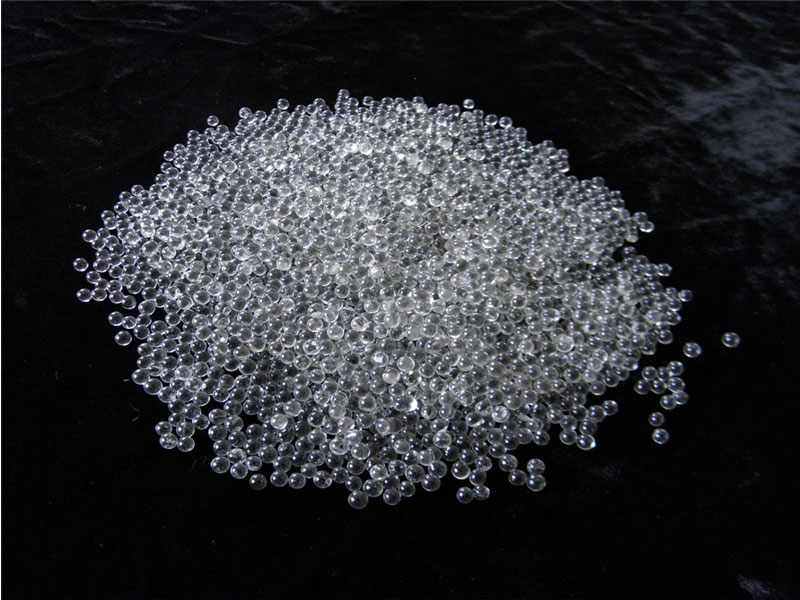
- Cuentas de vidrio — compatible; wet glass bead blasting produces an exceptionally clean satin finish on stainless and aluminium, favoured for automotive vapour blasting.
- Steel shot/grit — can be used in wet systems but flash rusting of the substrate is accelerated; corrosion inhibitors in the water are essential.
- Sodium bicarbonate (soda) — not compatible; dissolves in water.
- Walnut shell — can be used in wet systems; no chemical issues, but reduced recyclability due to swelling and softening.
Surface Quality Differences
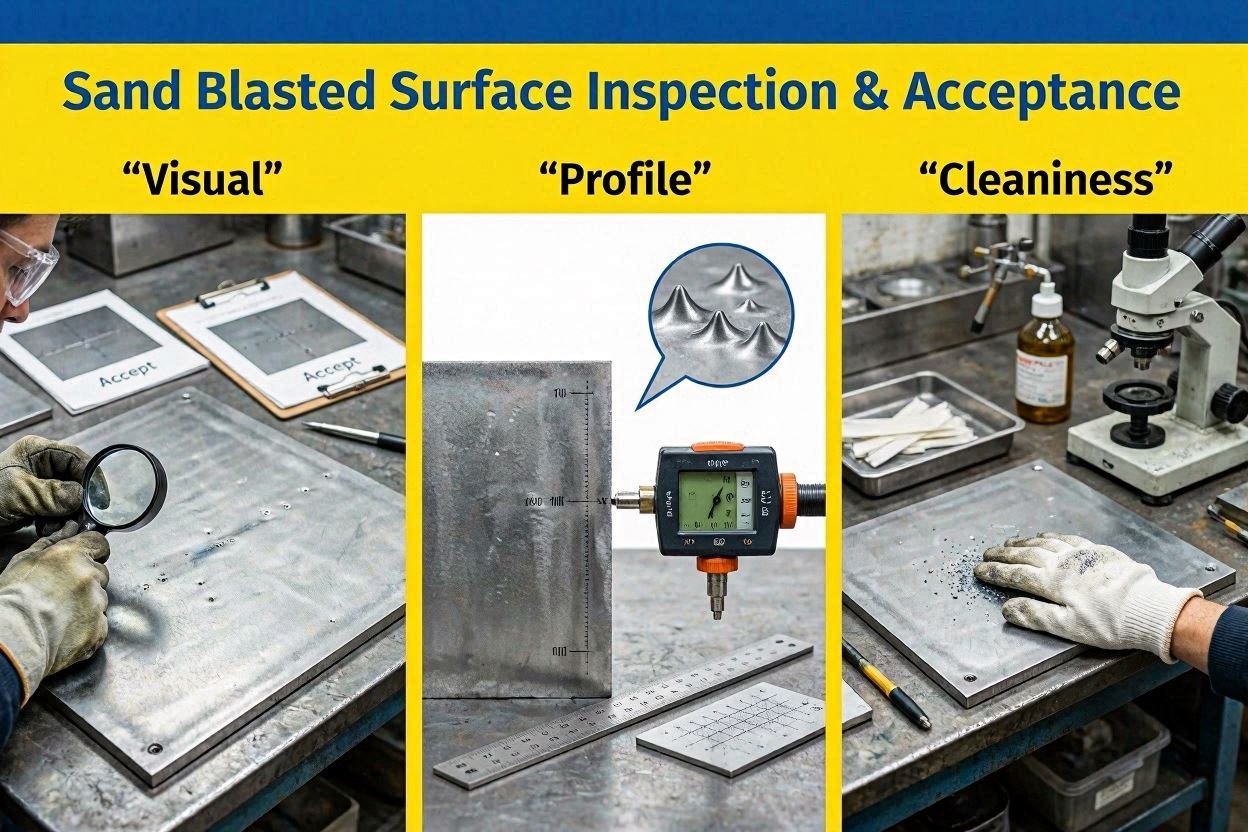
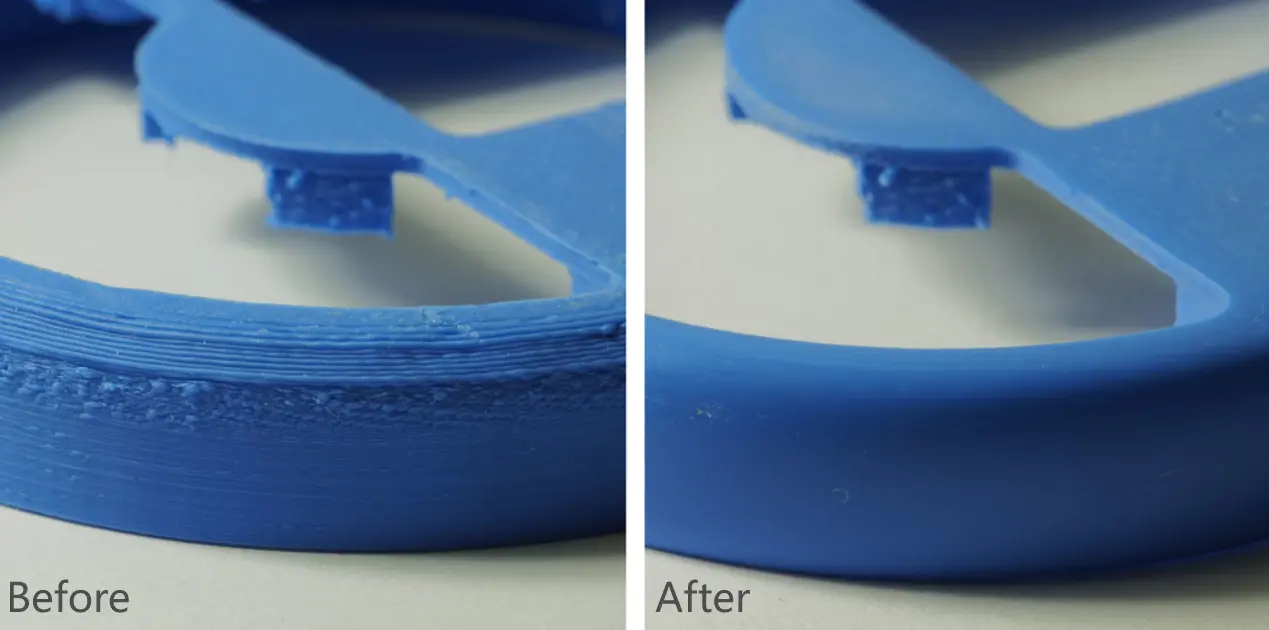
Wet blasting produces a slightly different surface character than dry blasting with the same abrasive. The water film on the substrate surface lubricates particle impact, resulting in a marginally smoother, more uniform surface texture at equivalent cleanliness grades. Profile depth is typically 10–15% shallower in wet mode at equivalent pressure settings compared to dry mode with the same media. For most standard protective coating systems, this difference is within specification tolerances. For very high-build coating systems requiring maximum profile depth, dry blasting may be preferable.
One consistent advantage of wet blasting: the water removes soluble salts, chlorides, and dust contamination from the surface simultaneously with abrasive cleaning — producing a surface that is both mechanically profiled and chemically clean in a single operation. Dry blasting does not provide this simultaneous chemical cleaning benefit.
Managing Flash Rusting in Wet Blasting
Flash rusting — the rapid formation of a thin rust layer on freshly blasted steel exposed to moisture — is the primary technical challenge of wet blasting on ferrous substrates. Water-borne oxygen reacts with the clean steel surface within minutes of blasting. Without intervention, flash rusting can degrade the surface from Sa 2.5 to Sa 2 quality within 30–60 minutes in humid conditions.
The standard solution is adding a corrosion inhibitor to the blast water — typically sodium nitrite, flash rust inhibitor, or a proprietary blend. The inhibitor passivates the clean steel surface temporarily, extending the coating window to several hours. The specific inhibitor, concentration, and coating compatibility must be verified with your coating manufacturer before use, as some inhibitors are incompatible with specific primer chemistries.
Operating Cost Comparison
Wet blasting carries higher operating costs than dry blasting in most configurations: water supply and management, inhibitor cost, post-blast drying (or time delay before coating), and equipment complexity all add to the per-square-foot cost. In urban environments where dust control measures for dry blasting (vacuum shrouds, containment tents, air scrubbers, additional PPE monitoring) are required by permit, however, these costs can exceed the premium of wet blasting — making wet blasting the economically rational choice for certain urban project types despite its higher baseline operating cost.
Which System to Choose
Choose Wet Blasting When
- Working adjacent to occupied buildings, schools, or healthcare facilities
- Site permit prohibits visible dust cloud generation
- Blasting in confined spaces with limited ventilation
- Simultaneous chloride removal and surface preparation is required
- Automotive vapour blasting for satin finish on engine parts
Choose Dry Blasting When
- Maximum profile depth is required (3.0+ mil)
- Substrate cannot tolerate moisture before coating
- Water-soluble media (soda) is specified
- Operating cost is a primary constraint on open, uncongested sites
- High-volume production blasting in enclosed facilities
For recommended abrasives in each system, see our guides for granate (the leading wet blast media) and óxido de aluminio (for dry systems).
Selecting Media for Wet or Dry Blasting? Get Expert Guidance.
Jiangsu Henglihong Technology Co., Ltd. supplies garnet, aluminum oxide, and glass bead abrasives compatible with both wet and dry blasting systems. Request a free consultation and bulk quotation.
Filtros