How to Buy Blasting Sand in Bulk: Pricing, Pallets & Supplier Options
Everything contractors, fabricators, and industrial operators need to know about sourcing abrasive blasting media in volume — from pallet pricing and freight logistics to supplier qualification and quality verification.
When Does Bulk Buying Make Sense?
Retail bags of blasting sand — the 50 lb and 100 lb options available at hardware stores and on Amazon — are practical for small jobs and occasional use. But the per-unit economics shift dramatically once you move into recurring or high-volume blasting operations. As a rule of thumb, bulk procurement starts making financial sense at approximately 10 bags (500 lb) per order, and becomes strongly preferable above 20 bags (1,000 lb).
Beyond the cost savings, bulk sourcing from a qualified supplier offers something retail cannot: specification consistency. For operations working to SSPC, NACE, or coating manufacturer surface preparation standards, having the same mesh size, hardness, and moisture content batch after batch is not optional — it is a quality requirement. Retail bags from the same brand can vary between production runs. Bulk orders from a documented supplier include batch certificates and SDS sheets that underpin your quality management system.
For a full overview of where to buy blasting sand at any scale, see the main guide: Where to Buy Blasting Sand: The Complete Buyer’s Guide.
Understanding Quantity Tiers
Bulk abrasive media is priced and shipped across several quantity tiers, each with different pricing, packaging, and logistics requirements.
Mini-Bulk: 500–2,000 lb
Multi-bag pallet orders from regional distributors or online specialists. Shipped via LTL freight. Pricing typically 15–25% below retail per unit. Suitable for small shops and contractors with occasional high-volume jobs.
Pallet: 1–2 metric tons
Standard industrial procurement unit. One pallet of 50 lb bags = approximately 40 bags (2,000 lb). LTL freight standard. Most distributors price by the pallet with volume discounts for 3+ pallet orders.
Super Sack: 1–2 metric tons
Flexible intermediate bulk container (FIBC). Eliminates individual bag handling — discharged directly into blasting equipment hoppers. Requires forklift. Common in shipyards, steel mills, and large-scale surface prep operations.
Container Load: 20–25 metric tons
Standard 20-foot container import quantity. Factory-direct pricing. Typical for large operations or distributors sourcing internationally. Requires port handling capability and adequate on-site storage.
Bulk Pricing Benchmarks by Media Type
Bulk pricing varies significantly by media type, quantity tier, and market conditions. The figures below reflect May 2026 market averages in North America for domestic procurement. International factory-direct pricing will differ.
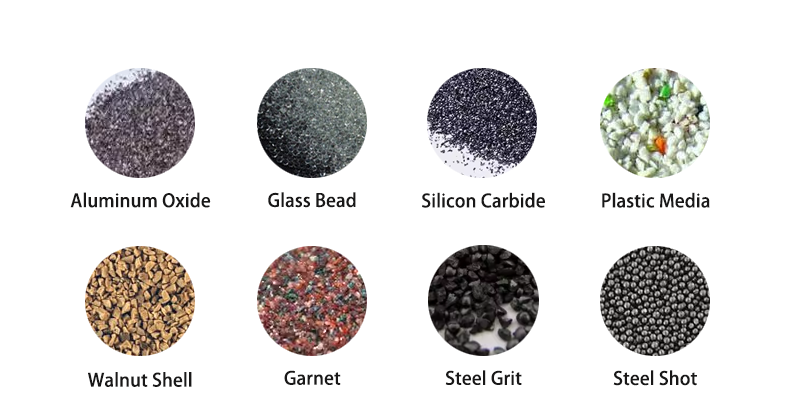
| Tipo de medio | Retail (per 50 lb) | Pallet Price (per 50 lb) | Container Price (per ton) | Reuse Cycles |
|---|---|---|---|---|
| Arena de sílice | $4–$8 | $3–$6 | $80–$140 | 1 |
| Coal Slag (Black Diamond) | $7–$12 | $5–$9 | $120–$180 | 1–2 |
| Garnet (30–60 mesh) | $25–$45 | $18–$32 | $400–$650 | 3–5 |
| Cuentas de vidrio | $30–$55 | $22–$42 | $500–$800 | 20–30 |
| Óxido de aluminio | $35–$60 | $26–$48 | $550–$900 | 10–20 |
| Steel Grit / Shot | $40–$80 | $28–$58 | $450–$750 | 100+ |
For a detailed cost analysis including cost-per-square-foot calculations for each media type, see our dedicated pricing guide: How Much Does Blasting Sand Cost? Price Breakdown by Type & Quantity.
Types of Bulk Suppliers
Regional Distributors
Regional abrasive distributors stock a range of media types and can deliver by truck within their geographic area. They typically offer 1–3 pallet minimum orders, local technical support, and next-day or same-week delivery. Pricing is higher than factory-direct but lower than retail, and the relationship value — consistent supply, flexible minimum orders, and knowledgeable sales reps — makes them the preferred channel for most domestic contractors.
National Industrial Suppliers
Companies like Grainger, Fastenal, and Wurth carry abrasive media alongside their broad MRO catalogues. They are useful for operations that prefer to consolidate suppliers, but their media pricing and selection depth is typically inferior to specialist abrasive distributors. Lead times can be longer for non-stock items.
Direct-From-Manufacturer
For the highest volume buyers — container load quantities and above — procurement directly from the manufacturer eliminates all distributor markup and allows full specification control across production runs. This is the standard approach for shipyards, large-scale blast-and-coat contractors, and distributors building their own supply chains.
Jiangsu Henglihong Technology Co., Ltd. manufactures and exports garnet blasting media, cuentas de cristaly steel shot and grit to industrial buyers globally, with full ISO documentation, batch certificates, and SDS on every shipment.
How to Qualify a Bulk Supplier
Bulk procurement from an unqualified supplier is a significant business risk. Off-spec media can fail surface preparation requirements, invalidate coating warranties, and create liability in safety-critical applications. Follow these steps when evaluating a new bulk supplier.
Request Full Product Documentation
Ask for: Safety Data Sheet (SDS), batch certificate with mesh analysis, free silica content report, moisture content report, and any applicable certifications (ISO 9001, MIL-SPEC, AMS). A supplier unwilling to provide these documents should not be considered for professional procurement.
Request a Sample Before Committing
Any reputable bulk supplier will provide a 5–10 lb sample for testing before you place a pallet or container order. Run the sample through your blasting equipment at standard operating conditions and evaluate surface profile, dust level, breakdown rate, and any equipment wear. This is a non-negotiable step for new supplier qualification.
Verify Production Consistency
Ask for batch-to-batch variation data — specifically mesh size distribution and silica content across multiple production runs. Consistent supply is as important as a single good sample. Ask whether the supplier manufactures its own media or sources from multiple sub-suppliers, as the latter introduces more variation risk.
Confirm Logistics Capability
Verify minimum order quantities, lead times, packaging options (bags, super sacks, bulk), freight terms (FOB, CIF, DDP), and whether the supplier can accommodate your delivery infrastructure — particularly if you require pallets or super sacks and do not have a loading dock.
Check References and Track Record
Ask for two or three references from existing clients in similar industries. For international suppliers, verify export history and check trade databases (Panjiva, ImportGenius) to confirm the supplier’s actual shipping activity matches their claimed volume and destinations.
Freight & Logistics for Bulk Orders
Abrasive blasting media is a dense, heavy commodity that carries specific freight classification requirements. Understanding the logistics landscape helps you negotiate better rates and avoid surprises.
LTL Freight (Less-Than-Truckload)
The standard shipping method for pallet quantities. LTL carriers price by freight class — abrasive media typically ships at NMFC class 60–70, which is moderately priced. Key considerations: ensure your delivery site can receive a standard 53-foot trailer; if not, request a lift-gate delivery (adds $50–$150 per shipment). Transit times for LTL typically run 3–7 business days depending on distance.
Full Truckload (FTL)
For quantities exceeding 20,000 lb (10 metric tons), full truckload pricing becomes competitive. FTL shipping offers faster transit, less handling (reducing bag damage), and no freight class surcharges. Request spot rate quotes from at least three carriers for large shipments.
International Container Freight
Factory-direct international procurement typically ships in 20-foot standard containers (payload approximately 22–24 metric tons for dense abrasives). Freight terms should be clearly defined — CIF (Cost, Insurance, Freight) is common for first-time international orders, as it places logistics responsibility on the supplier through to destination port. Ensure your customs broker is experienced with abrasive media import classifications (typically HS code 2505 for silica sand or 2619/8474 for processed abrasives).
Storage Requirements for Bulk Abrasive Media
Improper storage is one of the most common causes of blasting media performance problems. Abrasive media absorbs moisture, which leads to clumping, equipment clogging, and inconsistent blasting performance.
Keep media dry at all times. Store bagged media on pallets raised off the floor — never directly on concrete. Cover with waterproof sheeting if stored outdoors or in open structures. For super sack quantities, store under cover with the discharge spout sealed.
Moisture content above 0.5% causes significant problems in pressure blast systems — particularly in the blast pot valve and hose. Check moisture content with a basic moisture meter before loading suspect media. If in doubt, spread the media in thin layers in a warm, dry environment for 24–48 hours before use.
For recycled media (garnet, glass beads, steel grit), screen spent media before returning it to the hopper. Fines contamination reduces cutting efficiency and increases dust. Most operational blast systems include a separator — ensure it is properly maintained and calibrated for your media type.
Factory-Direct Procurement
For buyers sourcing at container-load scale, working directly with a manufacturer eliminates all intermediary costs and creates a direct quality management relationship. The manufacturer is fully accountable for specification compliance at source — not a distributor who may be reselling from multiple sub-suppliers.
Jiangsu Henglihong Technology Co., Ltd. is a China-based manufacturer specializing in abrasive blasting media for global industrial markets. Production capabilities include:
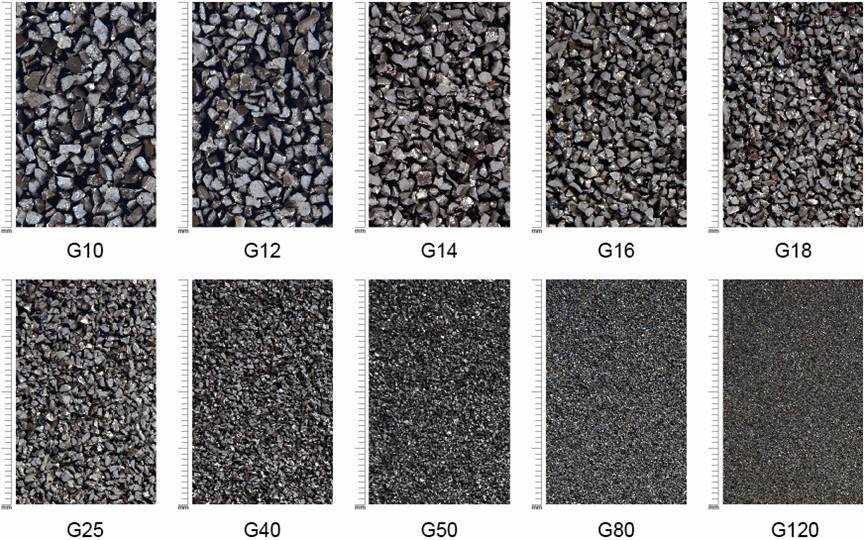
Garnet abrasive — available in mesh sizes from 12/20 through 80/100, certified for SSPC-SP 6, SP 10, and SP 5 surface preparation standards. Used in marine, infrastructure, and oil and gas coating systems globally.
Cuentas de vidrio — MIL-PRF-9954 and AMS 2431 compliant, available in sizes from 80 to 325 mesh. Consistent sphericity ensures predictable peening intensity and surface finish results.
Steel shot and grit — cast to SAE J444 standards across GP, GL, and GH hardness grades. Suitable for foundry, structural steel fabrication, and shipbuilding surface preparation applications.
All products are shipped with full documentation packages: ISO 9001 certificates, batch analysis reports, SDS, and product specification sheets. Minimum order quantities and current production lead times are available on request.
For guidance on which media type is right for your application before committing to a bulk order, see our type comparison guide: Blasting Sand Types Explained: Silica Sand vs Garnet vs Coal Slag.
Preguntas frecuentes
Bottom Line
Bulk procurement of blasting sand and abrasive media delivers real cost advantages — but only when done with the right supplier qualification process, freight planning, and storage protocols in place. Start with a sample, verify specifications fully, and always calculate cost per effective blasting cycle rather than per bag.
For operations ready to scale to industrial volumes, factory-direct sourcing from a manufacturer like Jiangsu Henglihong Technology Co., Ltd. delivers the lowest landed cost with the highest level of quality documentation. Return to the complete buyer’s guide for all sourcing options: Where to Buy Blasting Sand: The Complete Buyer’s Guide.
Filtros