Dry vs Wet Garnet Blasting: Which Method Should You Use?
Same abrasive, two very different processes. Dry maximises speed and recycling; wet crushes dust and suits sensitive sites. Here’s how to choose.
Ask a Specialist →Dry Garnet Blasting
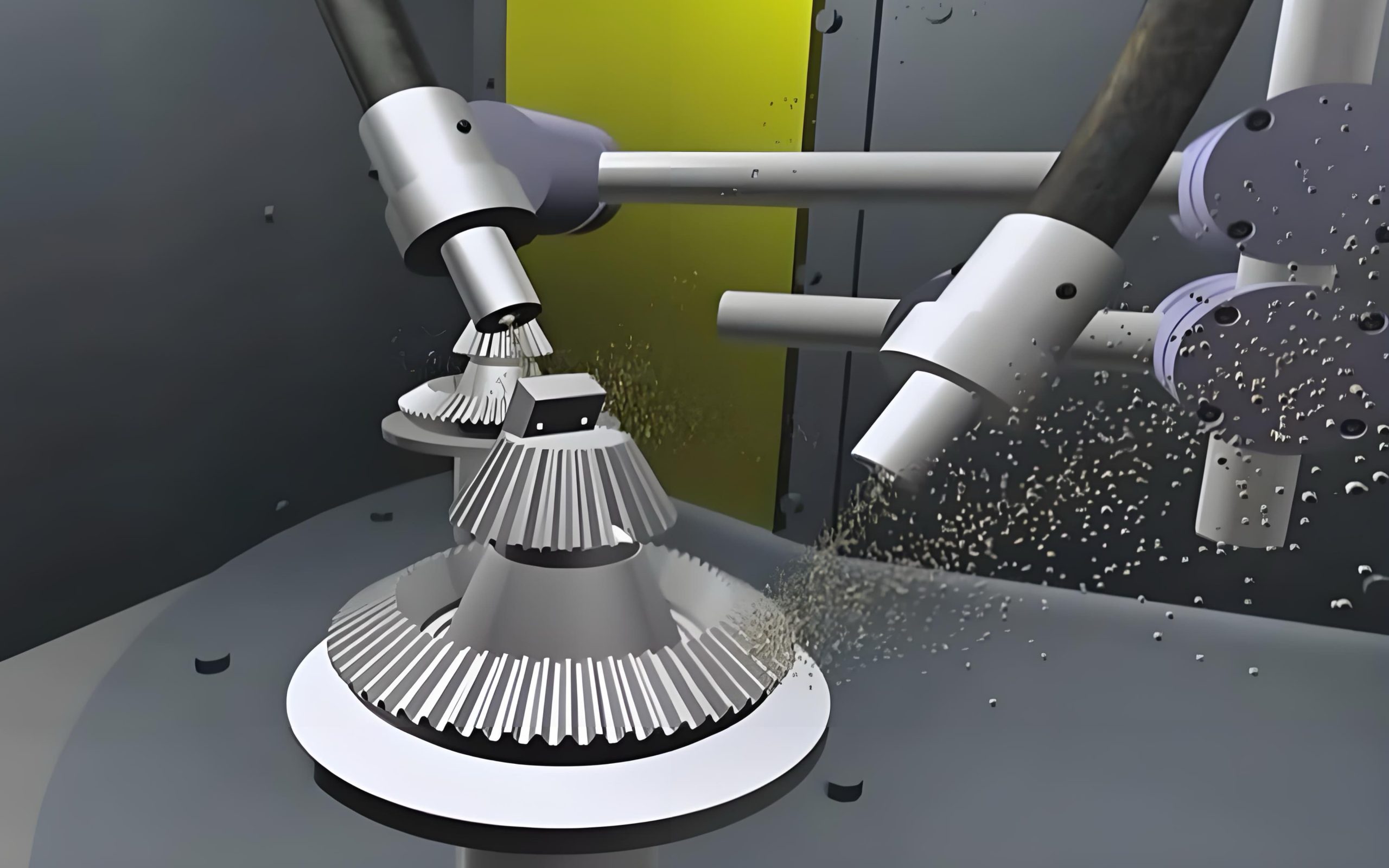
The traditional pressure-pot process, firing dry garnet through the nozzle with compressed air. It offers the fastest production rates and is the only method that lets you recover and reuse the abrasive — the basis of garnet’s strong cost-per-cycle economics in enclosed environments. The trade-off is dust, which must be controlled with ventilation, enclosures and respiratory protection.
Recovery is what makes dry blasting so economical — see how reuse stacks up in is garnet recyclable.
Wet (Slurry) Garnet Blasting
Wet blasting introduces water into the abrasive stream — either injected at the nozzle or pre-mixed as a slurry. Water encapsulates the particles and suppresses airborne dust dramatically, making it ideal for refineries, populated areas and dust-restricted sites. It also reduces static and the risk of sparking. The downsides: the garnet is generally used once, and flash rusting must be managed with a corrosion inhibitor or rapid coating.
Side-by-Side Comparison
| Factor | Dry | Wet |
|---|---|---|
| Poussière | Higher (control needed) | Very low |
| Production speed | Fastest | Slower |
| Recycling | Yes (3–5×) | Generally single use |
| Flash rust risk | Faible | Higher (manage it) |
| Best site | Blast rooms, open yards | Refineries, sensitive areas |
How to Choose
- Pick dry when speed and recycling matter most and you can contain or extract dust.
- Pick wet when dust suppression is critical — near operating plant, in occupied areas, or under strict environmental limits.
Same garnet, both ways: the abrasive specification is similar for each method, so your grade choice still follows the surface and profile you need. For the full material picture, see garnet abrasive blast media.
Questions fréquemment posées
Is wet blasting better than dry blasting?
Not universally. Wet blasting greatly reduces dust and suits sensitive sites, but dry blasting is faster and allows the garnet to be recycled.
Can I recycle garnet in wet blasting?
Generally no — wet-blast garnet is usually used once. Recycling is a key advantage of dry blasting with proper recovery.
How do I prevent flash rust after wet blasting?
Use a corrosion inhibitor in the water and apply the coating promptly, before atmospheric moisture causes the cleaned steel to flash rust.
The Right Garnet for Either Method
Jiangsu Henglihong Technology supplies graded garnet suited to dry and wet blasting alike. Tell us your method and we’ll recommend a grade, with pricing and a free sample.
Get a Quote →Filtres