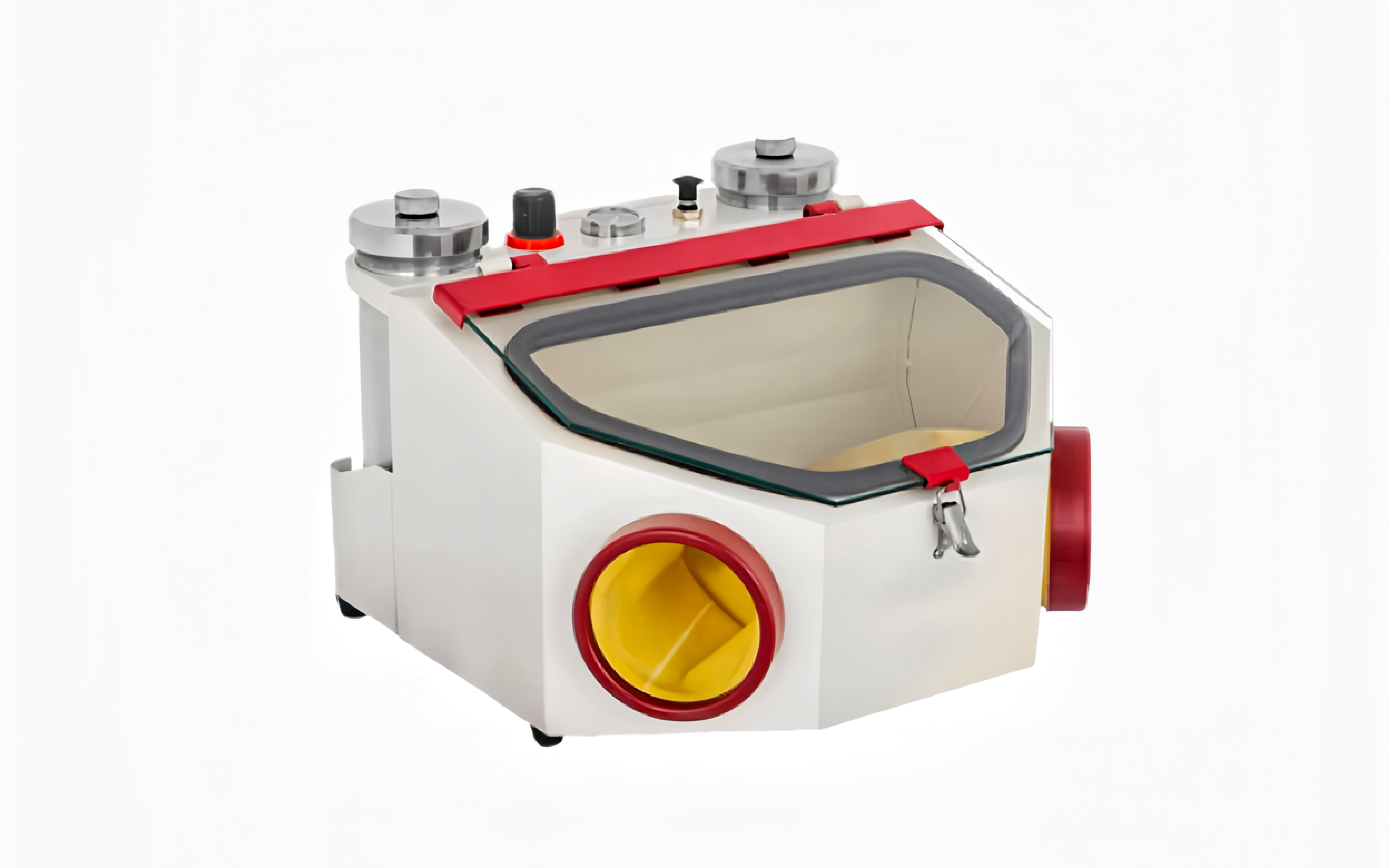
Plastic Blast Media for Sandblasting
The aerospace-standard abrasive for precision paint stripping without substrate damage. Plastic blast media removes coatings from aluminium aircraft skin, fibreglass composites, and injection moulds with controlled softness that no mineral abrasive can match. Complete technical guide from Jiangsu Henglihong Technology Co., Ltd.
What Is Plastic Blast Media?
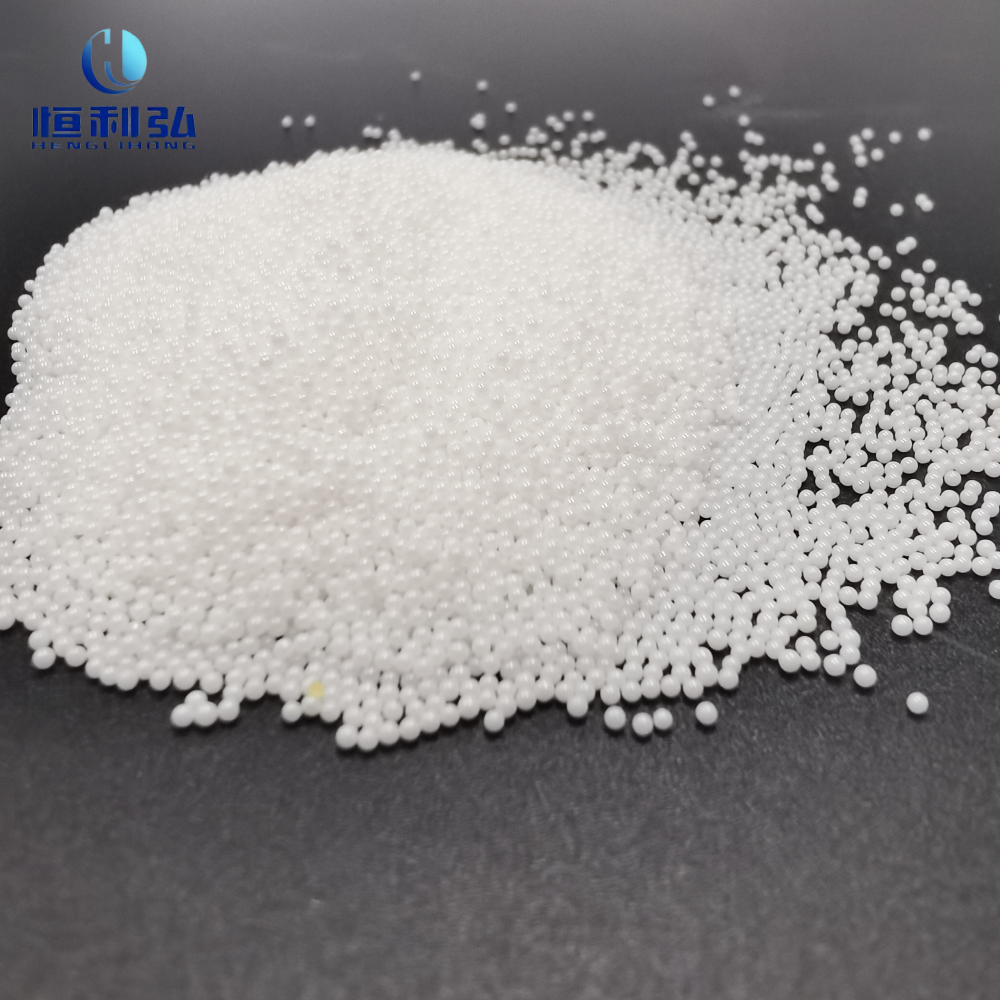
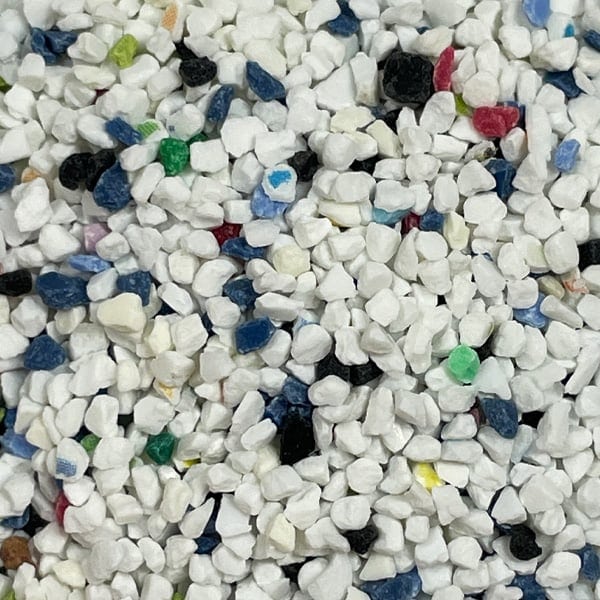
Plastic blast media (PBM) — also known as plastic abrasive media or thermoplastic media — is a category of engineered blasting abrasives made from thermoplastic resins, most commonly urea formaldehyde, melamine, acrylic, or polyester. Unlike natural organic abrasives such as walnut shell, plastic media is precision-manufactured to tight specifications for particle size, shape, density, and hardness — making it the controlled, repeatable, specification-driven choice for aerospace paint stripping, precision mould cleaning, and composite surface preparation.
The defining advantage of plastic blast media is its capacity to remove organic coatings (paint, primer, sealant) from substrates that are softer than or equal to the media’s hardness — primarily aluminium alloys, magnesium alloys, fibreglass-reinforced composites, and carbon fibre composites — without removing base material, altering surface dimensions, or introducing metallic contamination. In aerospace maintenance, repair, and overhaul (MRO), this capability is not merely convenient: it is a regulatory requirement. Stripping aircraft skin with any material that causes dimensional change to the substrate violates the aircraft manufacturer’s structural repair manual specifications.
Technical Specifications
| Property | Value |
|---|---|
| Materials | Urea, melamine, acrylic, polyester resins |
| Dureté Mohs | 2.0–4.0 (type dependent) |
| Gravité spécifique | 1.4–1.7 g/cm³ |
| Shape | Angular to sub-angular (type dependent) |
| Free Silica | Aucun |
| Recyclabilité | 5–10 cycles in enclosed systems |
| Standard | MIL-P-85891A, AMS 2432 |
| Metal Removal | Negligible on aluminium alloys |
Plastic Blast Media Types: I, II, III, and IV
MIL-P-85891A defines four types of plastic blast media, classified by hardness and material composition. Selecting the correct type is critical — too soft and coating removal is inadequate; too hard and substrate damage occurs.
| Type | Matériau | Rockwell Hardness | Primary Use |
|---|---|---|---|
| Type I | Urea formaldehyde | R75–R85 | Stripping coatings from aluminium aircraft skin; most common aerospace type |
| Type II | Melamine formaldehyde | R80–R90 | Harder coatings, epoxy primer on aluminium, slightly more aggressive than Type I |
| Type III | Acrylic resin | R50–R65 | Softest grade — fibreglass gelcoat, thin composite skins, very fragile substrates |
| Type IV | Polyester resin | R60–R75 | Mould cleaning in plastics injection manufacturing, composite tool maintenance |
Type selection rule: Always begin with the softest type that can remove the coating in a reasonable time. Test on a representative sample of the actual substrate before production stripping. Verifying that no metal removal occurs (using an eddy-current thickness gauge before and after a test blast) is a mandatory pre-production step in all aerospace MRO applications.
Key Applications
Aircraft Paint Stripping
The largest single application of plastic blast media globally. Commercial and military aircraft require periodic complete paint removal for structural inspection, corrosion treatment, and repainting. Plastic media (Type I or II) strips polyurethane topcoat and epoxy primer from aluminium fuselage, wing, and control surface skins without the chemical hazards of solvent strippers or the substrate damage risk of mineral abrasives. See the full aerospace blasting guide.
Injection Mould Cleaning
Plastic injection moulds accumulate resin flash, mould release agent, and degraded polymer deposits over production runs. Plastic media Type IV cleans these deposits from mould cavities without dimensional change to the mould surface — maintaining the tight tolerances that injection mould surface quality requires. This is a significant application in automotive, consumer electronics, and medical device manufacturing.
Composite Component Stripping
Carbon fibre reinforced polymer (CFRP) airframe components, automotive body panels, and sporting goods require paint stripping without fibre exposure or resin damage. Plastic media Type III or IV is used where fibreglass or CFRP would be damaged by walnut shell’s slightly higher hardness or by the aggressive cutting of any mineral abrasive.
Magnesium Alloy Components
Magnesium alloy helicopter gearbox housings, aerospace castings, and motorsport components cannot be blasted with any metallic or hard mineral abrasive — the galvanic contamination and surface damage risks are unacceptable. Plastic media provides the only practical abrasive stripping option for these components outside of chemical stripping.
Aerospace MRO Standards for Plastic Media Blasting
Plastic media blasting in aerospace MRO is a controlled process governed by the aircraft manufacturer’s structural repair manual (SRM), relevant FAA Advisory Circulars, and process specifications such as Boeing BAC 5763 and Airbus APS 2500. Key process control requirements include:
- Media certification: Only MIL-P-85891A or AMS 2432 certified media may be used. Lot traceability and certificate of conformance documentation are mandatory.
- Substrate thickness verification: Eddy-current testing before and after blasting to confirm zero metal removal. Any measured thickness loss triggers rejection of the process and investigation.
- Blast pressure limits: Maximum operating pressures for aluminium skin blasting are typically 40–60 psi; exceeding the SRM limit is a reportable maintenance deviation.
- Media contamination control: Spent media from one aircraft type must not be mixed with media for a different alloy family. Lead paint detection testing of spent media may be required before disposal.
- Waste disposal: Spent plastic media containing heavy-metal paint residue (chromate primer, lead-based paint) is classified as hazardous waste and must be disposed of accordingly.
Pros & Cons
Avantages
- Strips coatings from aluminium and composites with zero substrate metal removal
- Four hardness types cover the full range of soft-substrate stripping applications
- MIL-P-85891A certified grades available for aerospace MRO compliance
- No free silica, no heavy metals — fully OSHA compliant
- Safer alternative to chemical paint strippers — eliminates solvent exposure risk
- Controlled, repeatable process with measurable process parameters
Limites
- Significantly higher cost than mineral abrasives
- Cannot profile hard metal surfaces — no use for protective coating adhesion prep on steel
- Low recyclability (5–10 cycles) compared to aluminum oxide or steel media
- Requires enclosed blast booth — not suitable for open field blasting
- Spent media from lead-paint stripping classified as hazardous waste
FAQ
Most aircraft manufacturer structural repair manuals specify maximum blast pressures of 40–60 psi for plastic media on aluminium skin. Always consult the specific SRM for the aircraft type being stripped. Begin at the lower end of the permitted range and increase only if coating removal rate is insufficient. Monitor substrate thickness with an eddy-current gauge throughout the process to confirm zero metal removal.
No. Plastic blast media is a thermoplastic resin abrasive with a defined hardness, recyclability, and mechanical cutting action. Sodium bicarbonate (soda blast) is a water-soluble, single-use mineral media that works primarily through crystalline fracture rather than mechanical cutting. Soda blasting leaves no residue and is used for fire restoration, monument cleaning, and very gentle surface work. Plastic media is a harder, more aggressive, recyclable option with defined aerospace process specifications that soda blasting cannot meet.
Yes, with appropriate media selection and process control. Type III (acrylic) is the softest grade and is generally preferred for CFRP to minimise any risk of fibre exposure at the composite surface. Process validation — including post-blast microscopic inspection of the surface and verification that no fibres are exposed or broken — is mandatory before production use. Some CFRP components with thin resin-rich surface layers may still require chemical stripping rather than any abrasive process.
Source Plastic Blast Media from Jiangsu Henglihong Technology
MIL-P-85891A compliant Types I–IV, available in multiple grit sizes for aerospace MRO, mould cleaning, and composite stripping applications. B2B export in 25 kg bags and super sacks.
Filtres