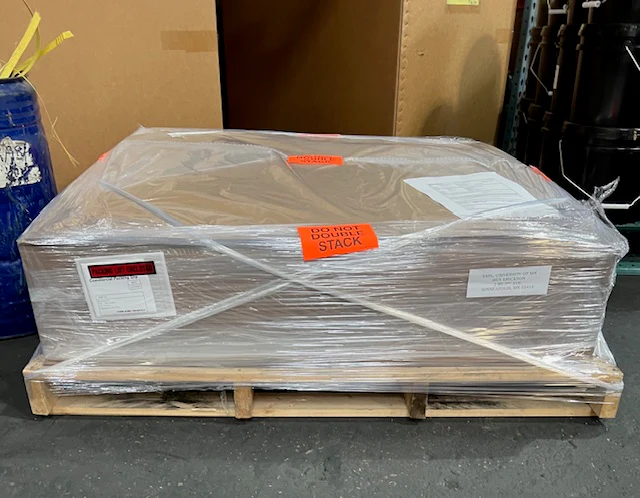
Aluminum Oxide Blast Media: Complete Technical Guide, Specifications, Applications & Buying Guide
Aluminum oxide blast media is one of the most widely used abrasive materials in industrial sandblasting, surface preparation, and finishing processes. Known for its high hardness, sharp cutting ability, and versatility, aluminum oxide is used across industries ranging from heavy steel fabrication and automotive refurbishment to aerospace manufacturing and precision surface texturing.
This guide is designed to be a fully comprehensive reference for engineers, buyers, surface treatment specialists, and maintenance professionals who need a deep understanding of aluminum oxide blast media—not just what it is, but how to select it, how it behaves under different blasting conditions, and how it compares to alternative blasting media.
Rather than providing a high-level overview, this article explores aluminum oxide blast media in detail, including material properties, grit classifications, surface roughness outcomes, application-specific recommendations, equipment compatibility, safety considerations, and economic factors such as reuse cycles and cost efficiency.
1. What Is Aluminum Oxide Blast Media?
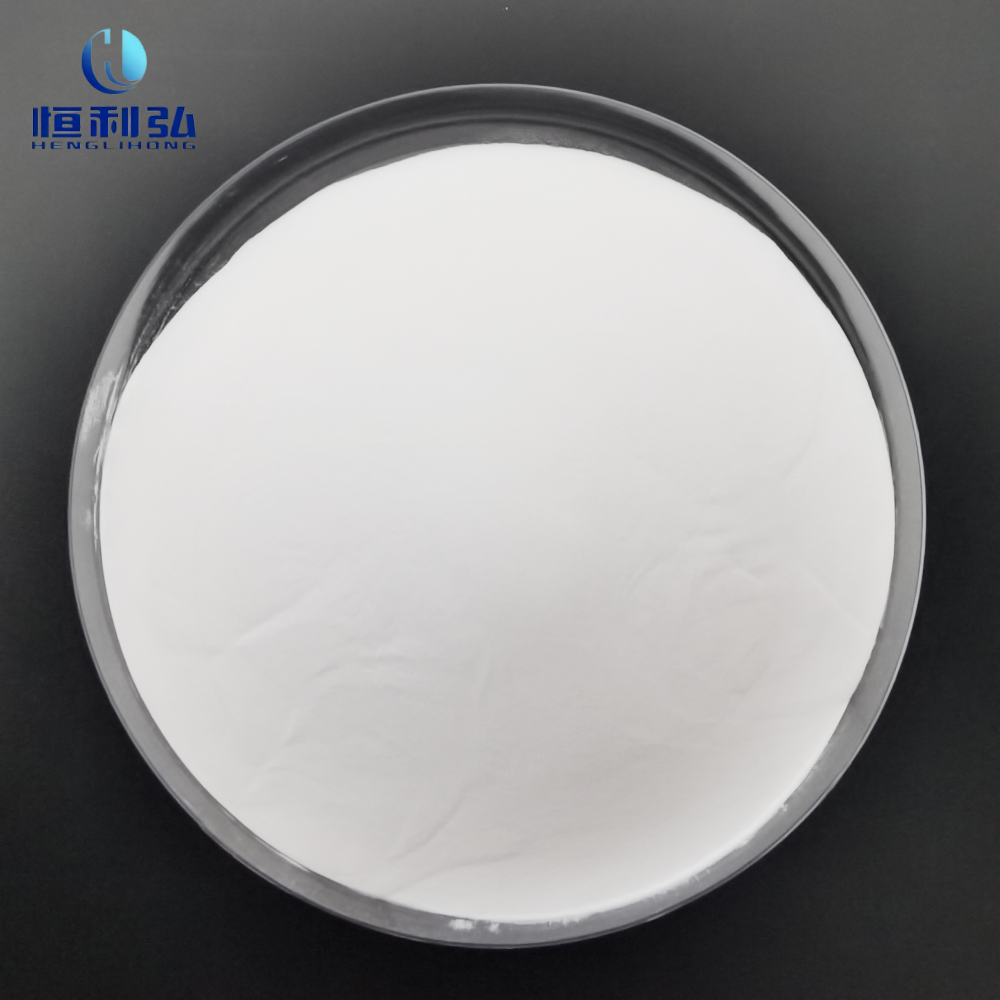
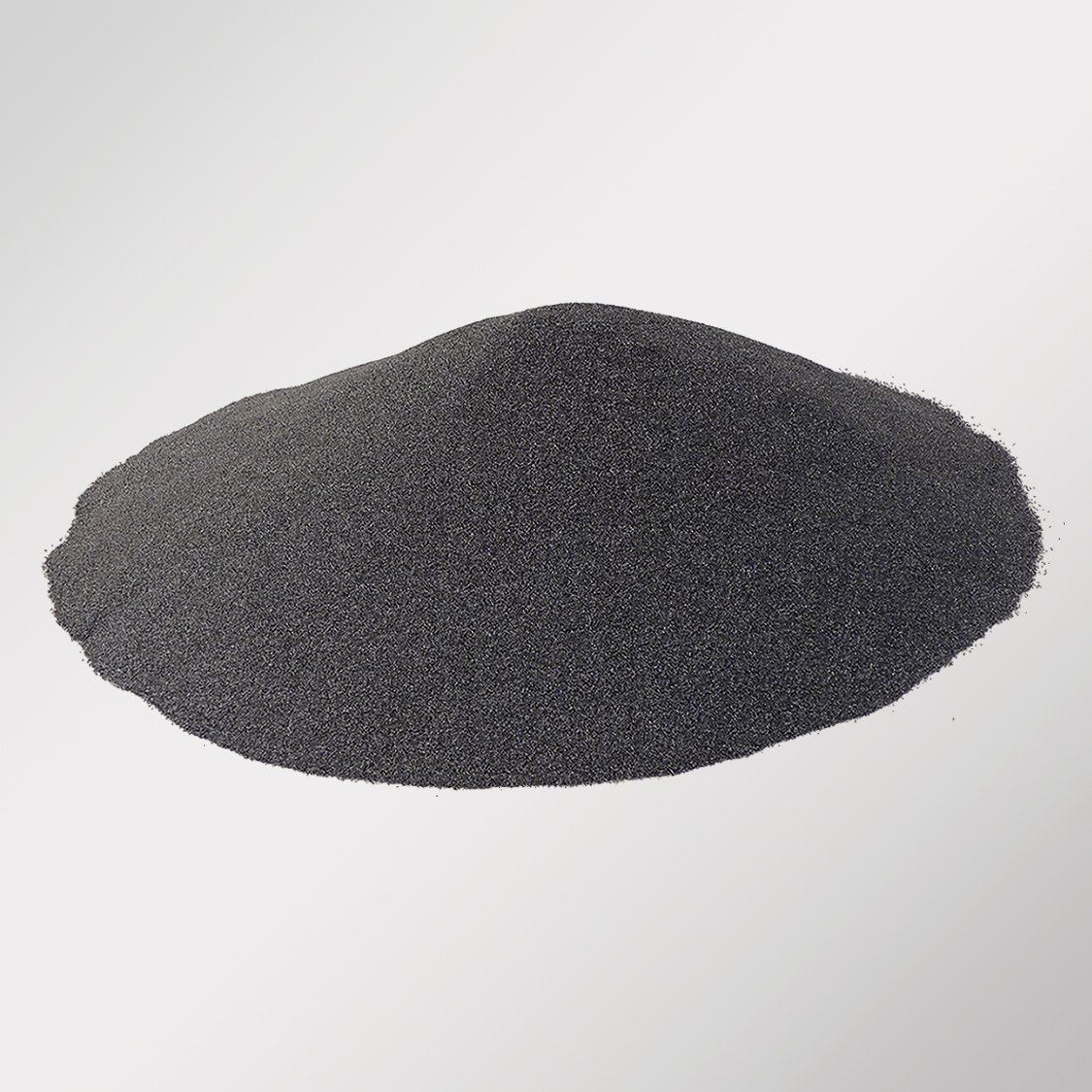
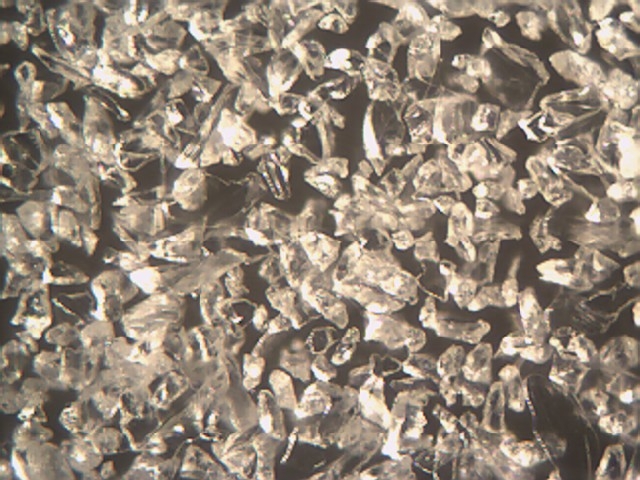
Aluminum oxide blast media is a synthetic abrasive composed primarily of aluminum oxide (Al2O3). It is manufactured through the controlled fusion of alumina in electric arc furnaces, followed by crushing, sizing, and classification into standardized grit ranges.
Unlike rounded or low-hardness abrasives, aluminum oxide particles are angular and sharp-edged. This morphology enables aggressive cutting action, making aluminum oxide particularly effective for:
- Removing rust, scale, and heavy coatings
- Preparing surfaces for painting, thermal spraying, or bonding
- Creating controlled surface roughness profiles
- Precision micro-blasting and etching applications
Aluminum oxide is often selected when consistent performance, predictable material removal, and high repeatability are required. It is compatible with both pressure blasting and suction blasting systems and is widely used in blast cabinets, blast rooms, and automated blasting lines.
2. Material Properties and Physical Characteristics
The performance of aluminum oxide blast media is rooted in its intrinsic material properties. Understanding these properties is essential for proper selection and process control.
Chemical Composition
Typical aluminum oxide blast media consists of:
- Al2O3: 95% – 99%+
- Trace oxides (SiO2, Fe2O3, TiO2): < 1–3%
Dureté
Aluminum oxide has a Mohs hardness of approximately 9, making it significantly harder than most steel substrates and far harder than glass bead, garnet, or plastic media. This high hardness enables rapid material removal but also requires careful control when blasting softer metals.
Forme des particules
Particles are angular with sharp cutting edges. As the media is reused, edges gradually fracture, producing finer particles while retaining cutting capability.
Density and Bulk Density
- True density: ~3.9 g/cm³
- Bulk density: typically 1.4–1.9 g/cm³ (varies by grit)
Density influences particle momentum during blasting and affects cleaning efficiency, rebound behavior, and dust generation.
3. Types of Aluminum Oxide Blast Media
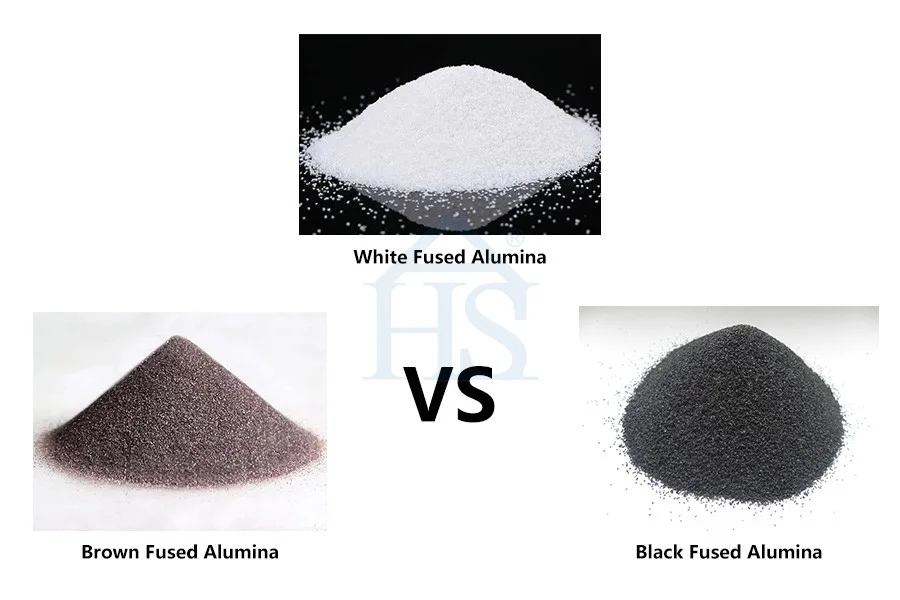
Aluminum oxide blast media is available in several variations, primarily distinguished by purity, color, and manufacturing process.
Oxyde d'aluminium brun
Brown aluminum oxide is the most commonly used type. It contains small amounts of iron oxide and titanium oxide, giving it a brown coloration. It offers excellent toughness, durability, and cost-effectiveness.
White Aluminum Oxide
White aluminum oxide has higher purity and lower iron content. It is more friable and cleaner, making it suitable for stainless steel, aerospace components, and applications where contamination must be minimized.
Specialty and Treated Aluminum Oxide
Some manufacturers offer heat-treated or surface-modified aluminum oxide for specific cutting behavior or reduced dust generation. These are typically used in specialized industrial processes.
4. Grit Size, Mesh, and Particle Distribution
Grit size is one of the most critical parameters when selecting aluminum oxide blast media. It directly affects surface roughness, cutting speed, and substrate damage risk.
Grit and Mesh Standards
Aluminum oxide is commonly classified according to FEPA, ANSI, or JIS standards. Typical grit ranges include:
- Coarse grits: 16–36 grit
- Medium grits: 46–80 grit
- Fine grits: 100–220 grit
- Micro grits: 240 grit and finer
Particle Size Distribution
High-quality aluminum oxide blast media features a narrow particle size distribution, ensuring consistent blasting results. Wide distributions lead to uneven surface profiles and unpredictable cutting behavior.
| Grit Size | Approx. Micron Range | Typical Application |
|---|---|---|
| 24 | 600–850 µm | Heavy rust and scale removal |
| 60 | 250–300 µm | General surface preparation |
| 120 | 90–125 µm | Fine surface finishing |
| 220 | 50–65 µm | Precision blasting and etching |
Grit size selection directly affects cutting speed, surface roughness,
and coating adhesion performance.
Because this decision is highly application- and substrate-dependent,
we provide a dedicated engineering guide here:
Aluminum Oxide Blast Media Grit Size Guide.
5. Surface Profile, Roughness (Ra), and Finish Control
One of the primary reasons aluminum oxide is chosen as a blast media is its ability to generate controlled and repeatable surface profiles.
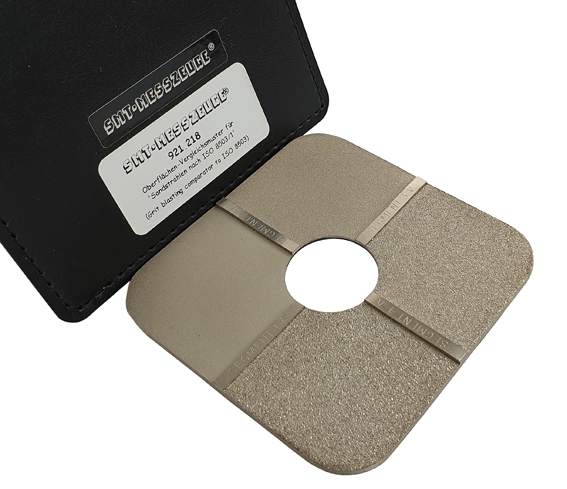
Surface roughness is commonly measured using Ra (average roughness). Aluminum oxide can produce Ra values ranging from less than 1 µm to over 12 µm, depending on grit size, pressure, and stand-off distance.
For coating adhesion, a specific anchor profile is often required. Aluminum oxide excels at producing sharp, angular profiles that promote mechanical interlocking.
6. Blasting Equipment Compatibility
Aluminum oxide blast media is compatible with most industrial blasting equipment, including:
- Pressure blast systems
- Suction (venturi) blast cabinets
- Automated blasting machines
- Micro-blasting and pencil blasting systems
However, due to its hardness, aluminum oxide accelerates wear on blast nozzles, hoses, and cabinet linings. Tungsten carbide or boron carbide nozzles are strongly recommended.
7. Applications and Industry Use Cases
Aluminum oxide blast media is used across a wide range of industries:
Steel Fabrication and Maintenance
Used for removing mill scale, rust, and old coatings prior to painting or galvanizing.
Automotive and Restoration
Ideal for cleaning engine parts, frames, and suspension components where aggressive cleaning is required.
Aerospace and Precision Manufacturing
White aluminum oxide is commonly used for controlled surface texturing of high-value components.
Glass and Decorative Applications
Fine aluminum oxide is used for etching and engraving glass surfaces.
Aluminum oxide blast media is widely used across surface preparation, coating removal,
precision finishing, and aerospace-grade applications.
For a detailed, application-by-application engineering breakdown, see:
Aluminum Oxide Blast Media Applications.
8. Key Blasting Process Parameters
To achieve optimal results with aluminum oxide blast media, several process variables must be controlled:
- Air pressure (typically 60–120 PSI)
- Nozzle size and type
- Stand-off distance
- Angle of impact
- Media flow rate
Improper parameter selection can result in excessive substrate erosion, poor surface finish, or unnecessary media consumption.
9. Aluminum Oxide vs Other Blast Media
| Type de média | Dureté | Cutting Power | Reusability | Typical Use |
|---|---|---|---|---|
| Oxyde d'aluminium | Very High | Haut | Medium | Heavy cleaning, surface prep |
| Glass Bead | Medium | Faible | Haut | Cosmetic finishing |
| Grenat | Haut | Medium | Medium | Waterjet, blasting |
| Supports en plastique | Faible | Faible | Medium | Soft substrate stripping |
While aluminum oxide offers aggressive cutting and strong surface profiling,
it is not always the optimal solution for every blasting task.
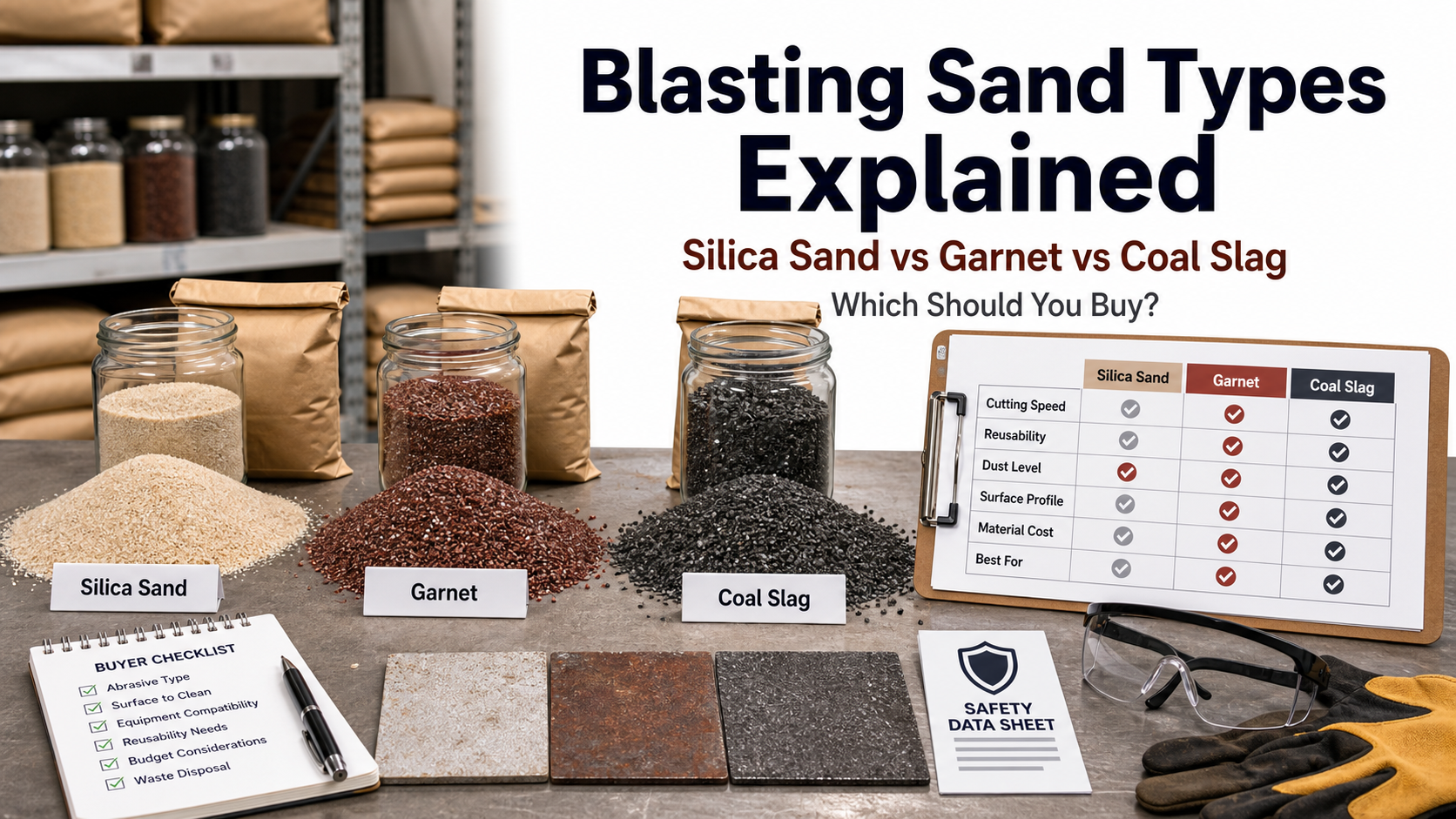
Engineers often compare it with garnet and glass beads
when balancing surface finish, dust generation, and reuse cycles.
A detailed engineering comparison is available here:
Aluminum Oxide vs Garnet vs Glass Beads.
10. Reuse Life, Media Breakdown, and Cost Efficiency
Aluminum oxide can typically be reused multiple times, especially in closed-loop blast cabinets. Over time, particles fracture and become finer, eventually generating excessive dust.
Although aluminum oxide may have a higher initial cost than some alternatives, its cutting efficiency often reduces overall blasting time and labor cost.
11. Safety, Health, and Environmental Considerations
Aluminum oxide does not contain free silica, making it safer than silica sand. However, dust generation still requires proper controls:
- Respiratory protection
- Dust extraction systems
- Protective clothing and eye protection
12. How to Choose the Right Aluminum Oxide Blast Media
Selecting the correct aluminum oxide blast media requires evaluating:
- Substrate material
- Desired surface roughness
- Coating or bonding requirements
- Equipment limitations
- Budget and reuse expectations
For most industrial surface preparation tasks, medium grit brown aluminum oxide offers an optimal balance between cost, performance, and durability.
13. Frequently Asked Questions (FAQ)
Can aluminum oxide blast media be reused?
Yes, aluminum oxide can be reused multiple times in closed systems until particle breakdown reduces effectiveness.
Is aluminum oxide safe for blasting aluminum parts?
It can be used, but fine grit and reduced pressure are recommended to prevent excessive material removal.
What grit size is best for coating adhesion?
Typically 60–100 grit is used to create suitable anchor profiles for industrial coatings.
Filtres