Coal Slag Sandblasting Media: Cost-Effective Surface Cleaning Solution
Coal slag sandblasting media has emerged as a highly effective and cost-efficient abrasive used across numerous industrial applications. Produced as a byproduct of coal combustion, coal slag offers a unique combination of hardness, angularity, and affordability that makes it an excellent choice for surface preparation, rust removal, and heavy-duty cleaning tasks. Its growing popularity in shipyards, construction, and manufacturing stems from its versatility, economic advantages, and environmentally friendly profile compared to traditional silica sand or more expensive abrasives.
In this article, we will explore everything you need to know about coal slag sandblasting media, including its composition, physical properties, applications, advantages, safety measures, and tips for selecting the right grit size.
What Is Coal Slag Sandblasting Media?
Origin and Manufacturing Process
Coal slag is derived from molten slag generated during coal-fired power production. After combustion, the molten slag is rapidly quenched in water, forming hard, angular granules. These granules are then crushed, screened, and processed into various grit sizes suitable for abrasive blasting. This manufacturing process produces a consistent and efficient abrasive media capable of tackling a wide range of surface cleaning tasks.
Typical Composition
The composition of coal slag contributes to its abrasive qualities and performance. Typical components include:
| Komponente | Percentage Range | Funktion |
|---|---|---|
| Silicon Dioxide (SiO₂) | 35–55% | Provides cutting ability |
| Aluminum Oxide (Al₂O₃) | 10–25% | Contributes hardness |
| Iron Oxide (Fe₂O₃) | 5–15% | Adds density and impact |
| Calcium & Magnesium Oxides | 1–5% | Enhances structural stability |
Key Properties and Technical Specifications
Physical and Mechanical Properties
| Property | Typical Value | Notes |
|---|---|---|
| Mohs-Härte | 6.5–7.5 | Moderate to high aggressiveness |
| Schüttdichte | 75–100 lb/ft³ | Provides consistent blast profile |
| Shape | Eckig | Ideal for heavy rust and scale removal |
| Farbe | Black to dark gray | Visual contrast for surface cleaning |
Particle Size Distribution
Coal slag is available in grits ranging from 12 to 80 mesh. Commonly, 20/40 grit is used for general-purpose cleaning, while coarser sizes handle heavy coatings and finer grits achieve smoother surface finishes.
Advantages of Using Coal Slag Media
Kosteneffizienz
One of the most significant benefits of coal slag is its affordability. Compared to garnet or aluminum oxide, coal slag can be 40–60% cheaper while maintaining high performance. Its angular particles allow for faster material removal, increasing productivity per blast hour.
Surface Cleaning Effectiveness
Coal slag produces anchor profiles between 2.0–4.5 mils, making it ideal for industrial coatings. It effectively removes rust, mill scale, old paint, and corrosion from steel surfaces, ensuring a clean and uniform substrate.
Non-Silica Composition
Coal slag contains very low free silica (<1%), providing a safer alternative to traditional silica sand. Reduced silica content minimizes the risk of silicosis and ensures compliance with OSHA safety standards.
Recyclability and Waste Management
While coal slag is generally not as recyclable as metallic abrasives, it can be reused for 1–3 cycles, offering cost-effective blasting without frequent replacement. Waste material is lightweight and easy to dispose of in compliance with environmental regulations.
Common Industrial Applications
Heavy-Duty Metal Cleaning
Coal slag is widely used in shipyards, pipelines, bridges, and structural steel fabrication to remove rust, scale, and old coatings efficiently.
Surface Preparation for Protective Coatings
It delivers consistent surface profiles suitable for epoxy, polyurethane, and zinc-rich coatings, enhancing adhesion and durability.
Construction and Maintenance Industries
Coal slag is also used for restoring concrete surfaces, cleaning tanks, and maintaining heavy equipment, providing cost-effective results for large-scale projects.
Comparing Coal Slag with Other Sandblasting Media
| Medienart | Hardness (Mohs) | Wiederverwertbarkeit | Kosteneffizienz | Best Use Case |
|---|---|---|---|---|
| Coal Slag | 6.5–7.5 | Low (1–3 cycles) | ★★★★★ | General-purpose cleaning |
| Black Beauty | 7.0–7.5 | Niedrig | ★★★★☆ | Paint and rust removal |
| Granat | 7.5–8.5 | Medium | ★★★☆☆ | High-precision blasting |
| Crushed Glass | 5.5–6.0 | Niedrig | ★★★★☆ | Light rust and coatings |
| Aluminium-Oxid | 9.0 | Hoch | ★★☆☆☆ | Reusable, high-speed cutting |
For a comparison of similar abrasives, see Black Beauty Sandblasting Media.
Safety and Environmental Considerations
Dust Control and PPE
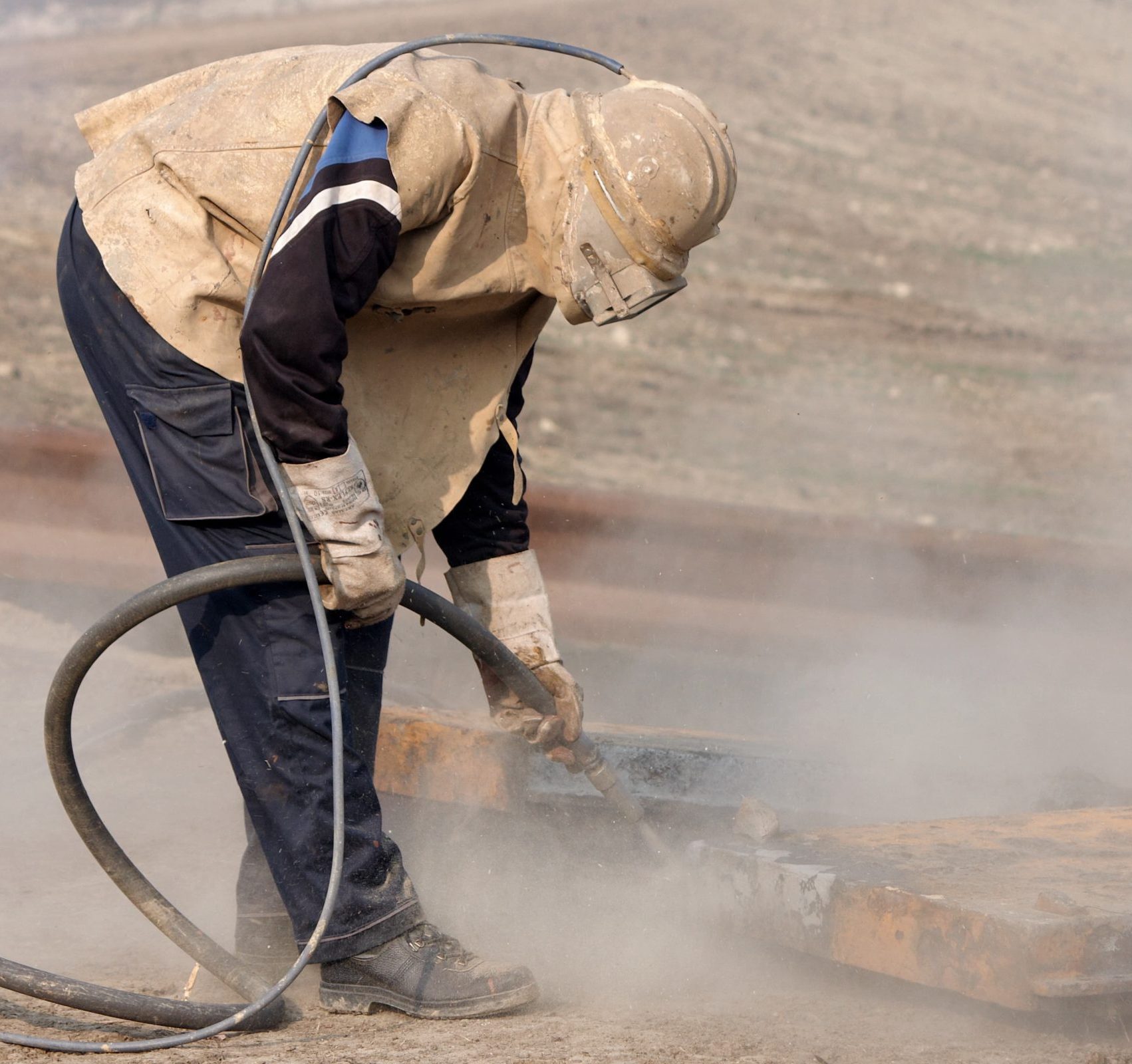
Coal slag generates moderate dust during blasting. Operators should wear full respirators, blast hoods, and other personal protective equipment. Indoor operations require proper ventilation and dust collection systems.
Waste Disposal
Coal slag is non-hazardous if uncontaminated. Waste must follow local environmental guidelines when coated with paints or metals.
Compliance
Coal slag meets SSPC-AB 1 abrasive standards and OSHA silica safety limits (<1% free silica), making it suitable for industrial applications.
How to Choose the Right Coal Slag Grit Size
| Anmeldung | Recommended Grit | Expected Profile |
|---|---|---|
| Rust & Mill Scale Removal | 12/40 | 3.0–4.5 mils |
| Paint Removal | 20/40 | 2.0–3.0 mils |
| General Surface Prep | 30/60 | 1.5–2.5 mils |
| Light Cleaning | 40/80 | 1.0–1.5 mils |
Coarser grits create deeper anchor profiles, while finer grits achieve smoother finishes. Optimal blasting pressure ranges from 90–110 PSI.
Practical Tips for Using Coal Slag Abrasive
- Dry blast media before use to prevent clogging.
- Test blast a small area to confirm surface profile and coating compatibility.
- Reuse media for 1–2 cycles to maintain performance consistency.
- Store in a moisture-free environment to avoid clumping.
Summary and Key Takeaways
Coal slag sandblasting media is an affordable, efficient, and safe abrasive suitable for industrial cleaning and surface preparation. Its angular particles provide excellent cutting power, create consistent surface profiles, and meet OSHA and SSPC standards. Ideal applications include shipyards, pipelines, bridges, and heavy metal fabrication. Choosing the right grit size and following proper safety measures ensures optimal performance and durability.
Related Reading
- The Ultimate Guide to Sandblasting Media
- Black Beauty Sandblasting Media: Composition, Performance, and Applications
- Crushed Glass Sandblasting Media: Recycled Abrasive for Clean Finishes
Filter