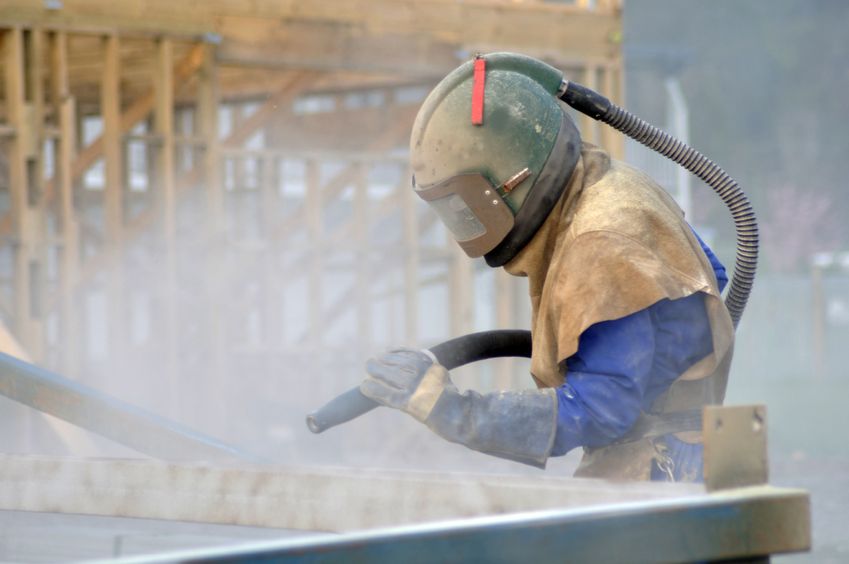
Abrasive Blasting Media for Concrete & Stone Surface Preparation
A complete guide to abrasive blasting media for concrete floors, bridge decks, stone facades, and masonry surface preparation — covering CSP profile standards, media selection for coating systems, and techniques for heritage stone without substrate damage.
Why Abrasive Blasting for Concrete & Stone?
Abrasive blasting is the most effective method for preparing concrete and masonry surfaces for protective coatings, waterproofing membranes, overlay systems, and adhesive bonding — simultaneously achieving surface cleanliness, laitance removal, and the micro-profile needed for mechanical adhesion of the applied system.
Concrete surfaces present a different set of preparation challenges compared to steel. The substrate is heterogeneous (aggregate, cement paste, voids, and surface laitance), porous, and typically softer than metallic substrates. The goals of surface preparation are: removing weak surface laitance (the weak calcium-rich layer left by concrete curing), opening pores to allow coating penetration, removing contamination (oil, curing compounds, existing coatings), and creating a consistent profile matched to the coating system’s adhesion requirements.
Stone surfaces — granite, limestone, sandstone, marble, brick — are harder and more variable than concrete. Their preparation goals are typically more conservative: cleaning without surface damage, removing biological growth, graffiti, or deteriorated coatings while preserving the stone’s texture and appearance. This requires careful media and pressure selection to match the stone type’s hardness and weathering condition.
CSP Profile Standards — ICRI Technical Guideline 310.2
The International Concrete Repair Institute (ICRI) Technical Guideline 310.2 defines the Concrete Surface Profile (CSP) classification system — a standardized scale from CSP 1 (lightest) to CSP 10 (heaviest) based on visual and tactile comparison to reference samples. Most coating and overlay systems specify a minimum CSP for adequate adhesion.
| CSP Level | Surface Description | Preparation Method | Typical Coating System |
|---|---|---|---|
| CSP 1 | Very light profile — equivalent to fine sandpaper texture | Acid etching, light sanding | Thin decorative coatings, penetrating sealers |
| CSP 2 | Light profile — coarse sandpaper equivalent | Light shot blast, fine grinding | Epoxy coatings up to 250 µm DFT, thin film systems |
| CSP 3 | Medium-light profile — aggregate just starting to show | Shot blast, medium abrasive blast | Standard epoxy floor coatings, polyurethane, anti-slip systems |
| CSP 4 | Medium profile — fine aggregate exposed | Shot blast (coarser), grit blast | High-build epoxy (1–3 mm), cementitious overlay |
| CSP 5 | Medium-heavy — coarse aggregate visible | Heavy shot blast, coarse grit blast | Thick epoxy mortars, heavy industrial floor systems |
| CSP 6–10 | Heavy to extreme — fractured aggregate, deep voids | Scarification, bush hammer, heavy blast | Structural overlays, repair mortars, resin injection |
The majority of industrial concrete floor coating systems — standard epoxy primers, polyurethane coatings, and self-leveling systems — specify CSP 3 to CSP 5. Shot blasting with steel shot S-330 to S-460 using a walk-behind or ride-on blast machine consistently achieves CSP 3–4. Coarser shot (S-550) or steel grit blends achieve CSP 4–5. Always confirm the required CSP from the coating manufacturer’s application guide before specifying the shot blast setup.
Concrete Floor Preparation
Concrete floor shot blasting for coating systems is one of the highest-volume industrial blasting applications worldwide, driven by the massive market for protective, decorative, and anti-slip industrial floor coatings. Walk-behind self-propelled shot blast machines — containing a centrifugal wheel blasting unit with integrated vacuum reclaim — are the standard equipment, capable of processing 300–800 m² per hour depending on machine size and required profile depth.
Media Selection for Concrete Floor Shot Blasting
Steel shot (S-330 to S-550) is the dominant media for concrete floor preparation. The round shot particles create the characteristic “dimpled” concrete surface profile by impacting and fracturing the weak surface laitance layer and the cement paste between aggregate particles, exposing the stronger aggregate beneath. Specific recommendations:
- CSP 2–3 (thin coatings, sealers): Steel Shot S-230 to S-330 at medium machine speed
- CSP 3–4 (standard epoxy floor coatings): Steel Shot S-330 to S-460 — the most common specification
- CSP 4–5 (high-build systems, mortar overlays): Steel Shot S-460 to S-550, or a shot/grit blend to increase angular profiling
- Contaminated floors (oil, grease, curing compound): Degrease before blasting — blasting alone cannot adequately remove oil contamination and will embed it into the profile
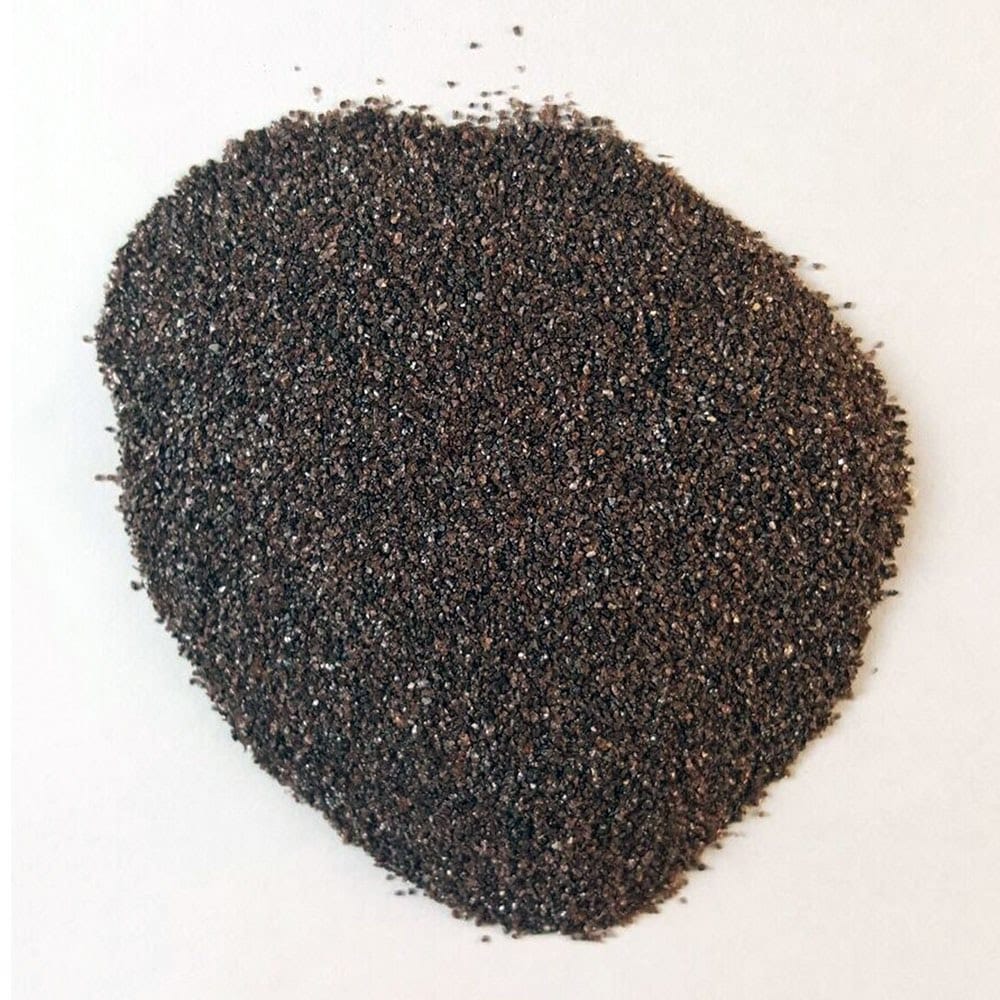
For portable pneumatic blasting on concrete (spot repairs, confined areas, vertical surfaces), garnet (20/40 to 30/60 mesh) or aluminum oxide (F36–F60) provides effective profiling. Steel grit is also usable but produces more angular, sharper profiles than shot — useful when CSP 4–5 is required from portable equipment.
Bridge Deck & Infrastructure
Bridge deck preparation for waterproofing membranes, overlay systems, and surface treatments follows the same CSP framework as floor preparation but with additional constraints: containment of blast debris over water or traffic, moisture sensitivity of the substrate and applied system, and the need to remove existing deteriorated concrete without damaging sound reinforcement or structural concrete beneath.
Portable pneumatic blasting with steel grit or garnet is most practical for bridge decks, given the irregular surfaces, drainage features, and the impracticality of using walk-behind wheel blast machines on bridge structures. Aluminum oxide F24–F46 achieves the CSP 3–5 profiles required for waterproofing systems and provides better control of local blast intensity than the fixed-pattern wheel blast approach. Safety and environmental considerations for bridge blasting over waterways: Abrasive Blasting Media Safety: PPE, Ventilation & Dust Control.
Stone & Heritage Masonry
Cleaning and surface preparation of natural stone — granite, limestone, sandstone, marble, travertine — and heritage masonry (brick, terracotta, historic renders) requires a fundamentally different approach to concrete. These substrates are typically being cleaned rather than profiled, and the priority is preservation of surface texture and character rather than adhesion maximization.
Hardness-Based Media Selection for Stone
| Stone Type | Mohs-Härte | Recommended Media | Pressure (PSI) | Ziel |
|---|---|---|---|---|
| Granite | 6-7 | Fine garnet or Al₂O₃ F80–F120 | 40–70 | Clean, light profile for sealer |
| Sandstone | 6-7 | Fine garnet (60/100), soda | 30–50 | Clean without surface loss |
| Limestone | 3–4 | Sodium bicarbonate or fine glass bead | 20–40 | Clean while preserving soft surface detail |
| Marble | 3–4 | Sodium bicarbonate (low pressure) | 15–30 | Cleaning only — no profiling |
| Brick (hard) | 5–6 | Fine garnet or soda | 30–50 | Remove coatings, clean |
| Historic render/stucco | 2–4 | Sodium bicarbonate or corn cob | 15–30 | Cleaning without mortar joint damage |
For any historic or heritage stone surface, always perform a test blast in an inconspicuous area before committing to production work. Stone condition, porosity, and hardness vary significantly even within a single facade. Establish acceptable appearance and profile limits with the specifier or heritage authority before full-scale blasting. Work with the lowest pressure that achieves the cleaning goal — stone loss is irreversible.
Source Concrete & Stone Blasting Media
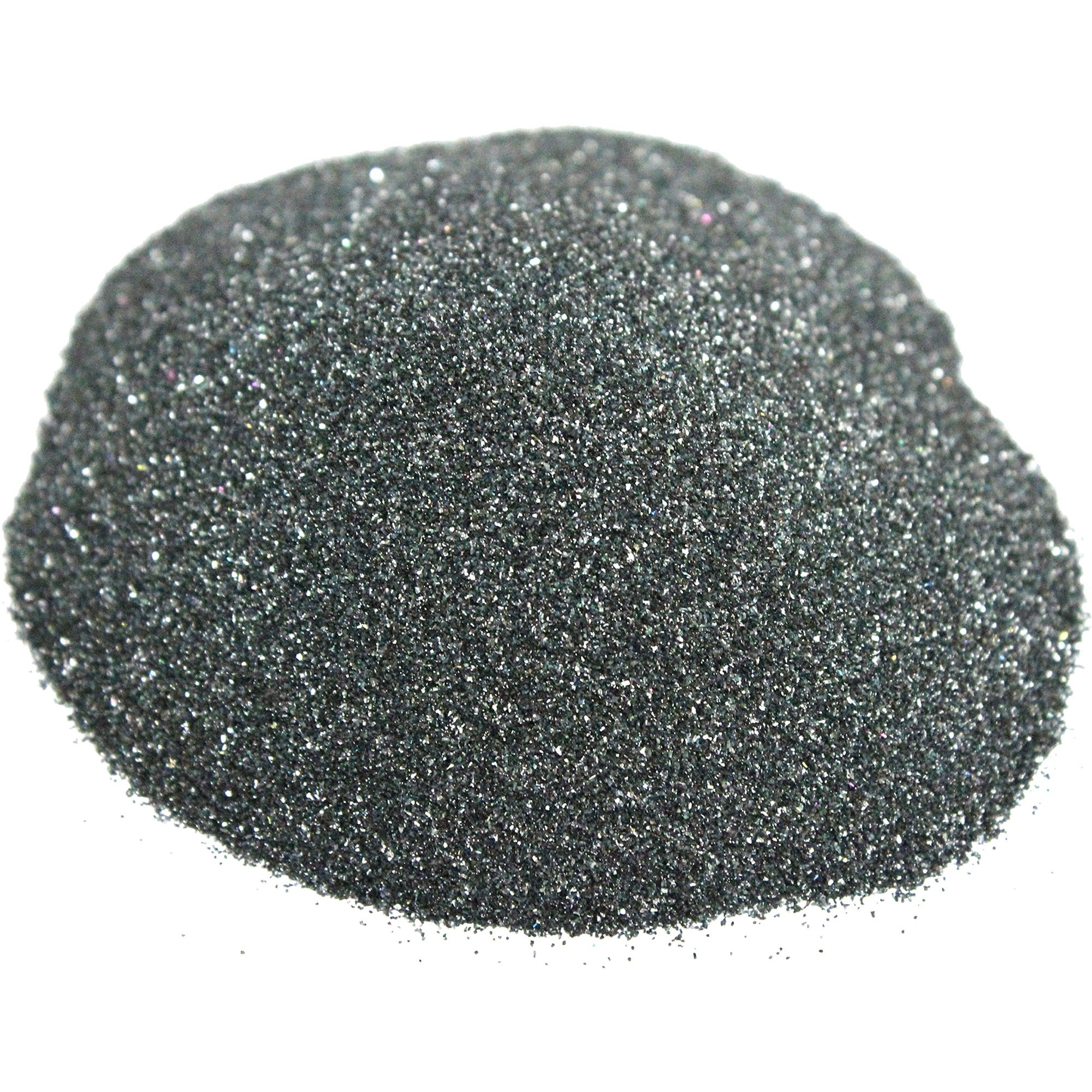
Jiangsu Henglihong Technology supplies aluminum oxide, silicon carbide, glass beads, and steel shot/grit for concrete and masonry surface preparation applications. Contact us for media specifications matched to your required CSP profile and coating system.
Request a QuoteHäufig gestellte Fragen
Filter