Crushed Glass Sandblasting Media: Recycled Abrasive for Clean Finishes
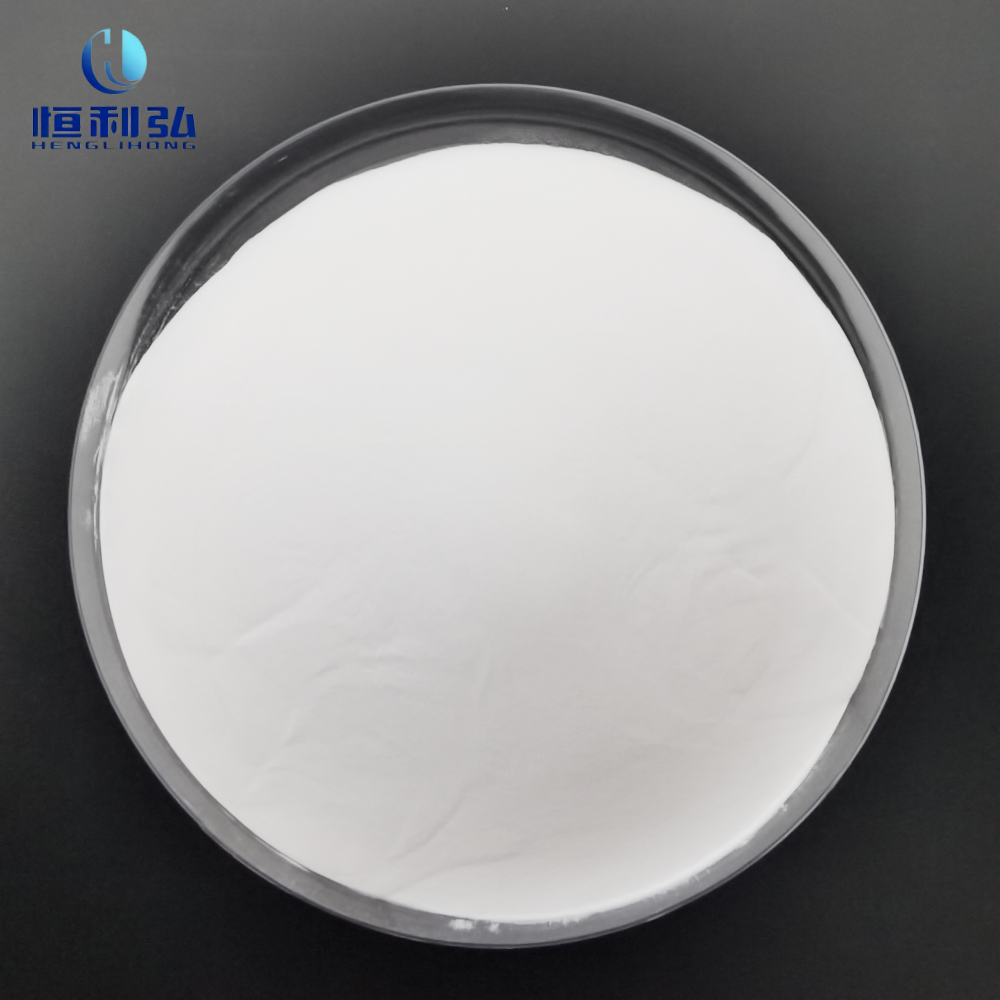
Crushed glass sandblasting media is a versatile and eco-friendly abrasive material widely used in surface cleaning and finishing applications. Sourced from recycled glass, it provides an efficient, cost-effective alternative to traditional abrasives. Known for its angular particles and consistent cutting performance, crushed glass media can remove rust, paint, and coatings while preparing surfaces for coatings and treatments. In this guide, we explore the composition, technical specifications, advantages, and applications of crushed glass sandblasting media, helping you choose the best abrasive for your projects.
What Is Crushed Glass Sandblasting Media?
Origin and Production Process
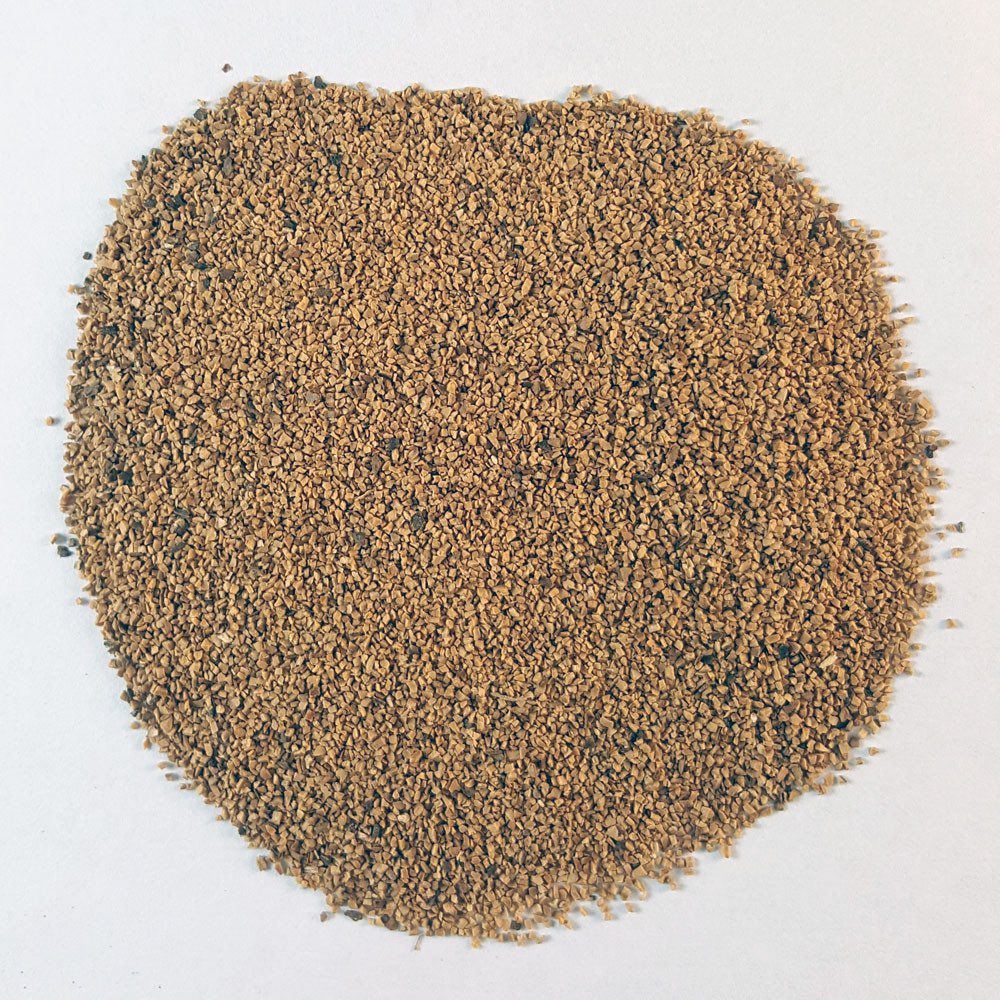
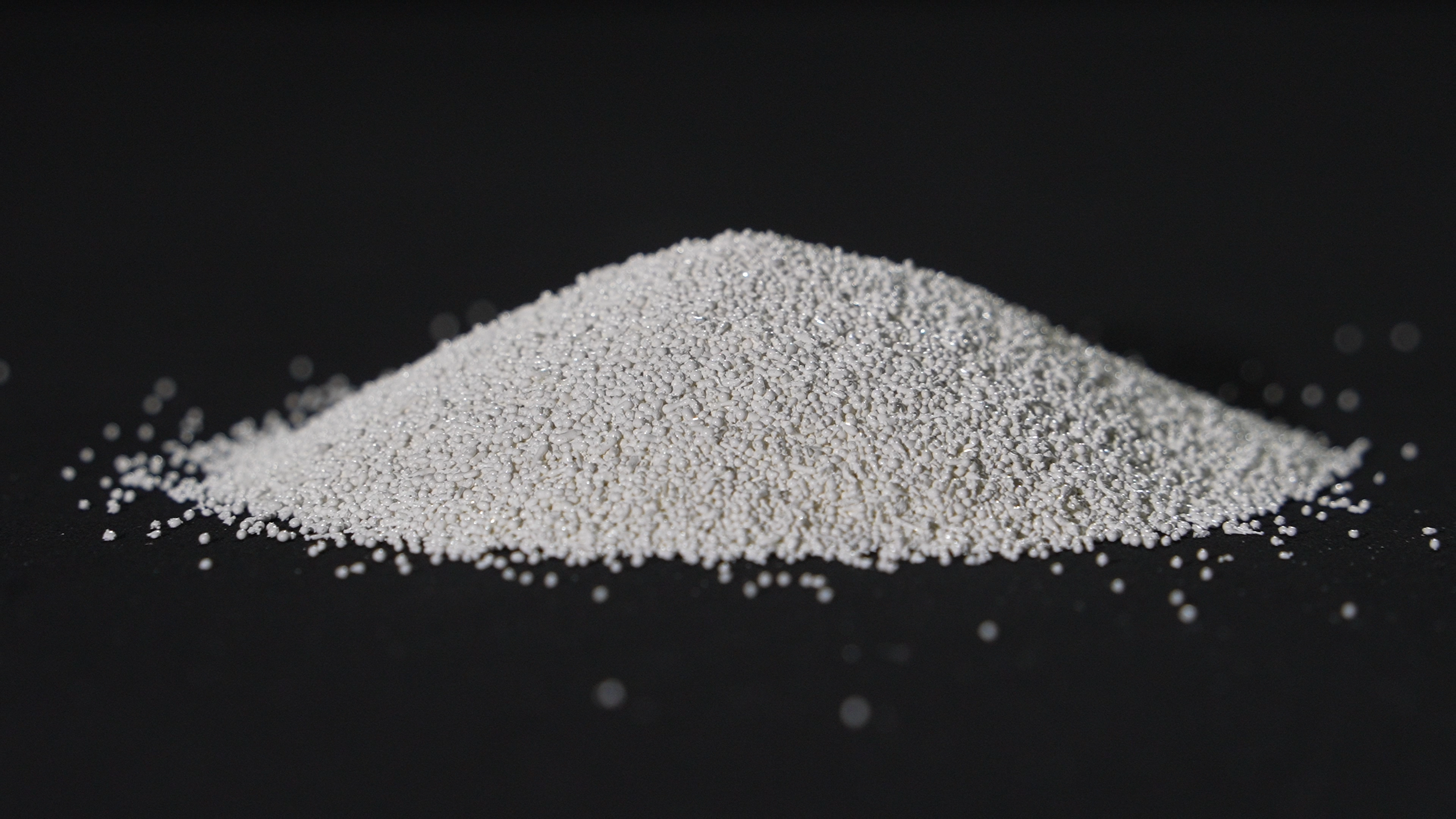
Crushed glass media is manufactured from recycled glass sourced from bottles, windows, and industrial glass waste. The glass is cleaned, crushed, and screened into various particle sizes to meet specific surface treatment requirements. The angular shape of the particles enhances cutting efficiency, making it suitable for both heavy-duty and precision surface preparation.
Typical Composition
The primary component of crushed glass sandblasting media is silica (SiO₂), with minor amounts of metal oxides that enhance performance. Below is a typical chemical composition:
| Komponente | % Range | Funktion |
|---|---|---|
| Silicon Dioxide (SiO₂) | 70–75% | Primary abrasive |
| Iron Oxide (Fe₂O₃) | 2–5% | Density & impact |
| Calcium Oxide (CaO) | 1–3% | Hardness & stability |
| Andere | 0–5% | Trace elements |
Physical Properties and Technical Specifications
Mechanical Characteristics
- Mohs Hardness: 6.0–6.5
- Density: 80–90 lb/ft³
- Angular and consistent granules for effective cutting
Particle Size / Grit Options
Crushed glass media is available in a variety of grits to suit different applications. Selecting the right grit size ensures optimal cleaning, surface profiling, and finishing results. Recommended grit sizes include:
| Grit Size | Recommended Application | Surface Profile |
|---|---|---|
| 12/30 | Heavy rust & coating removal | 3.5–4.5 mils |
| 20/40 | General metal cleaning | 2.5–3.5 mils |
| 30/60 | Wood or delicate metal surfaces | 1.5–2.5 mils |
| 40/80 | Light cleaning and finishing | 1.0–1.5 mils |
Advantages of Crushed Glass Media
- Eco-friendly and cost-effective due to recycled material
- Non-toxic with low free silica content (<1%)
- Angular particles ensure consistent and efficient material removal
- Produces uniform surface anchor profiles for coatings
- Versatile for a range of applications including precision cleaning
Applications of Crushed Glass Abrasive
Metal Surface Cleaning
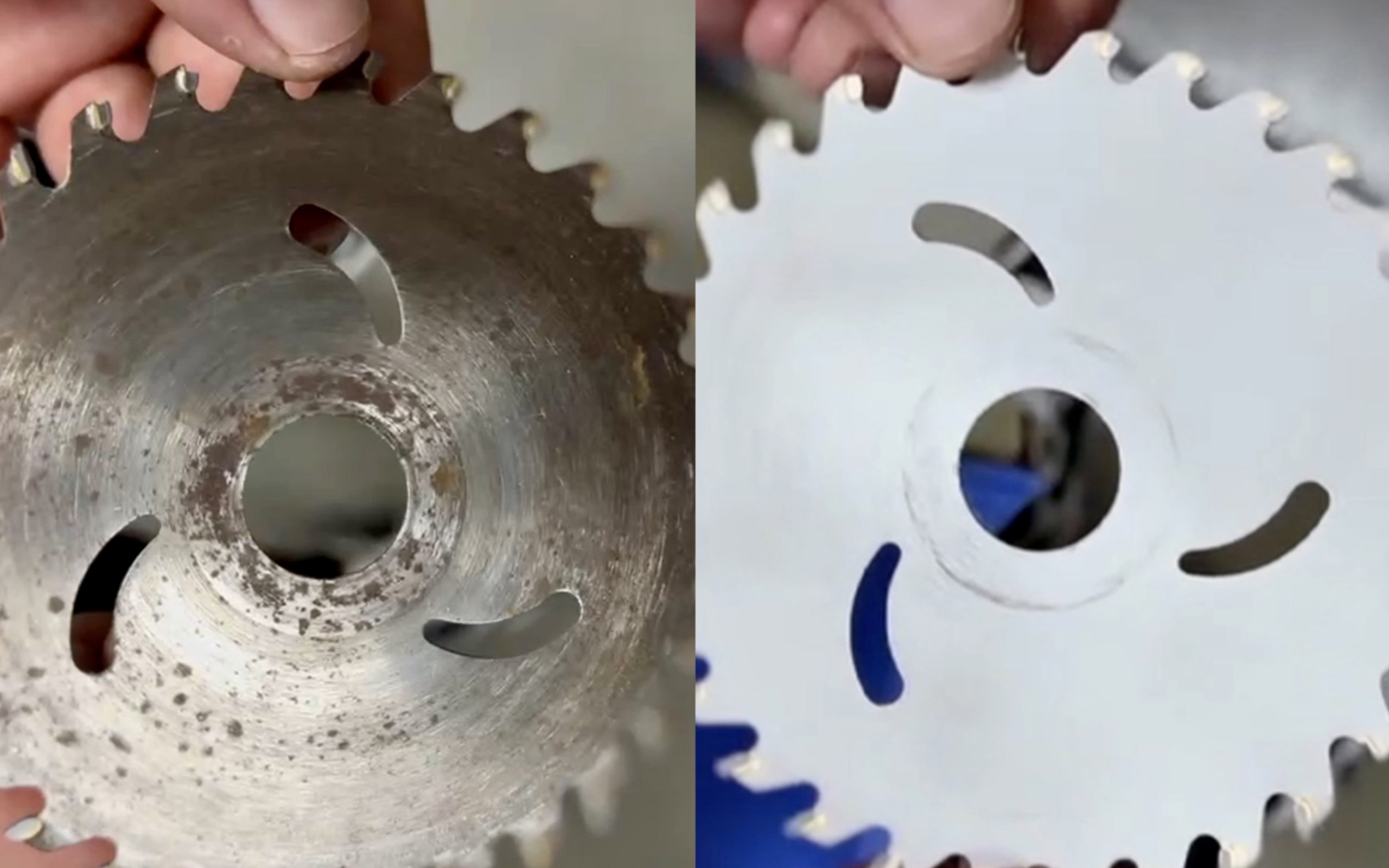
Crushed glass media is highly effective at removing rust, paint, and other coatings from steel, aluminum, and alloy surfaces. Its angular particles provide consistent surface profiles, preparing metal for painting or coating applications.
Wood & Decorative Surface Finishing
For woodworking and decorative projects, crushed glass media delivers smooth and even finishes. It can be used on furniture, doors, and paneling to remove surface imperfections while maintaining material integrity.
Industrial & Automotive Applications
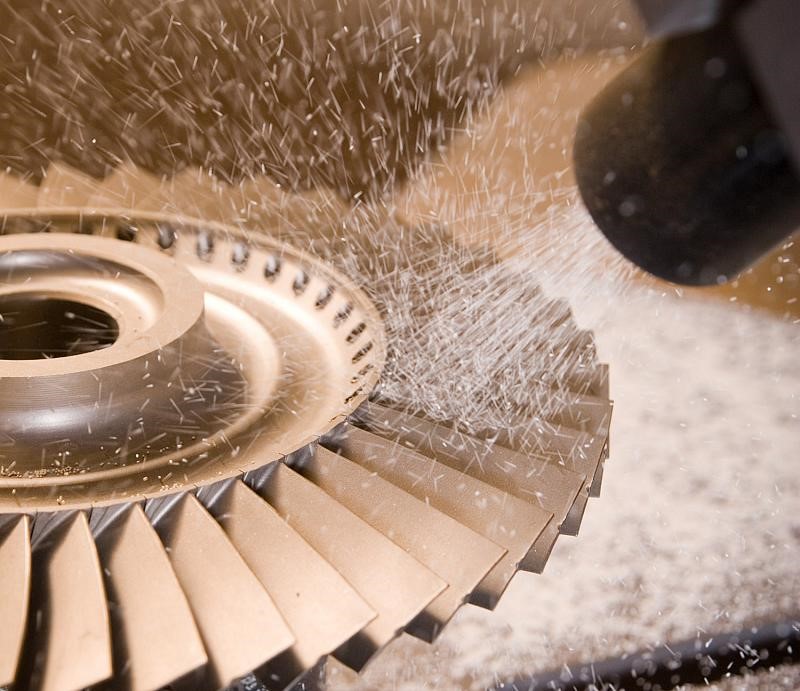
In automotive and industrial settings, crushed glass sandblasting is ideal for paint stripping, mold cleaning, and surface preparation for new coatings. It offers precise control and uniform results across a variety of surface types.
Comparisons with Other Media
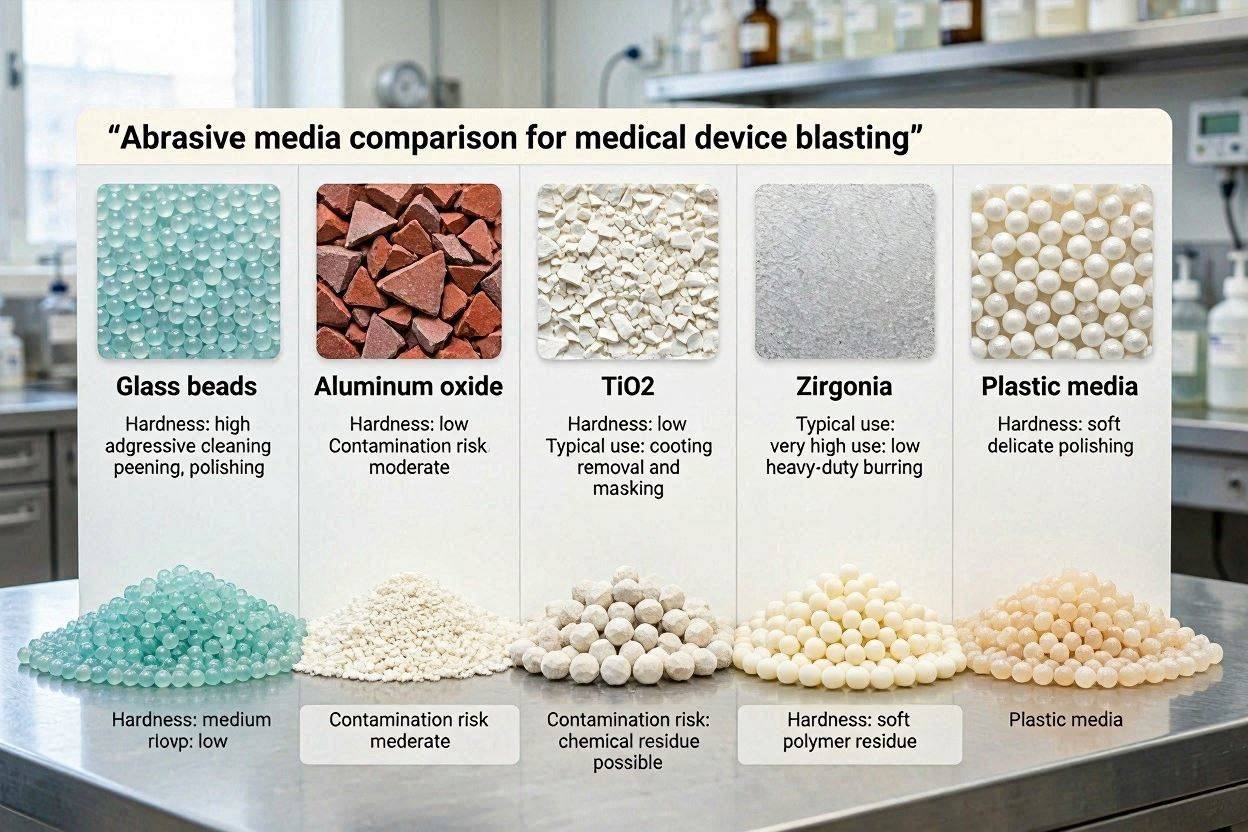
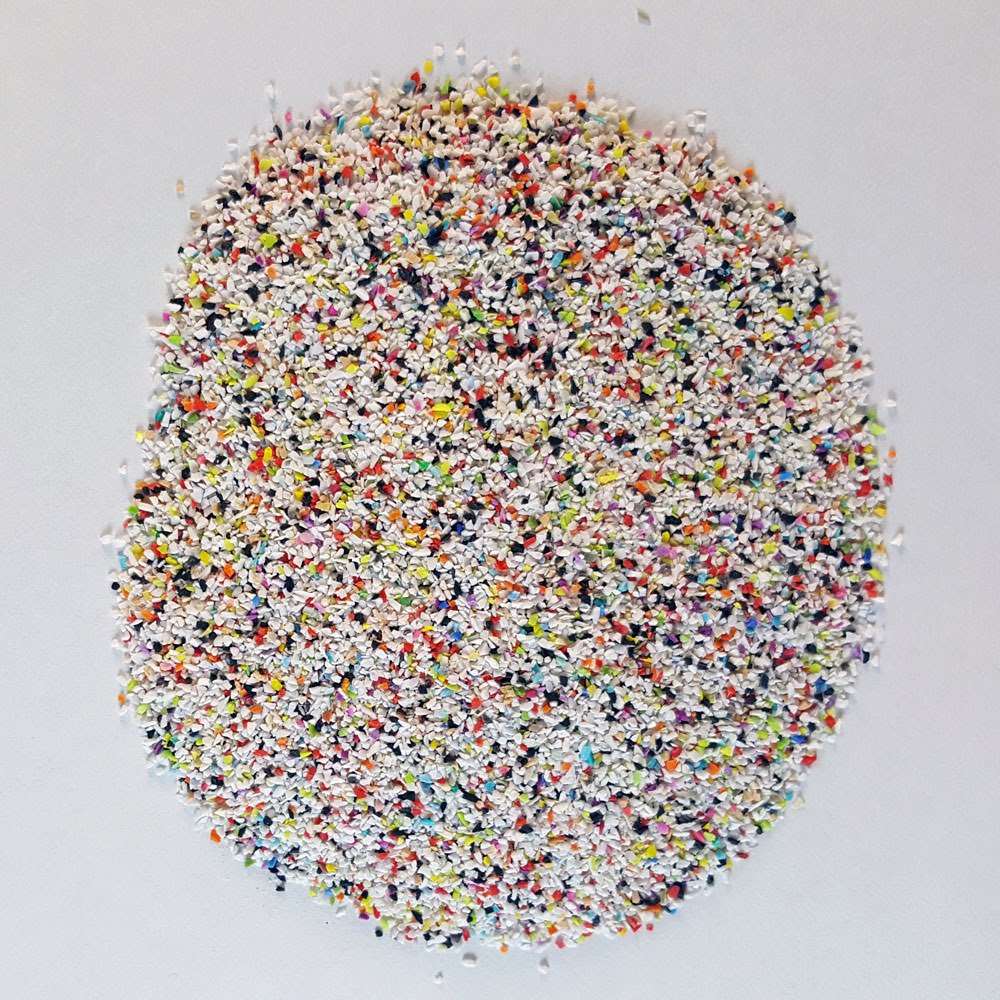
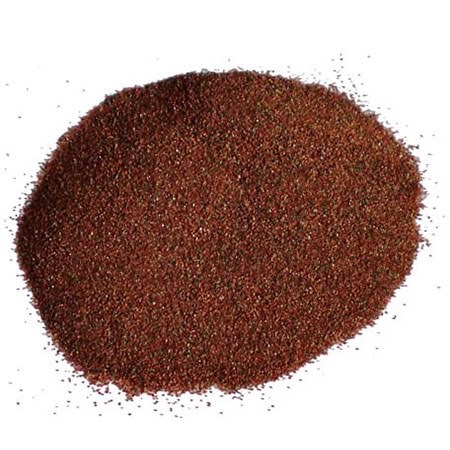
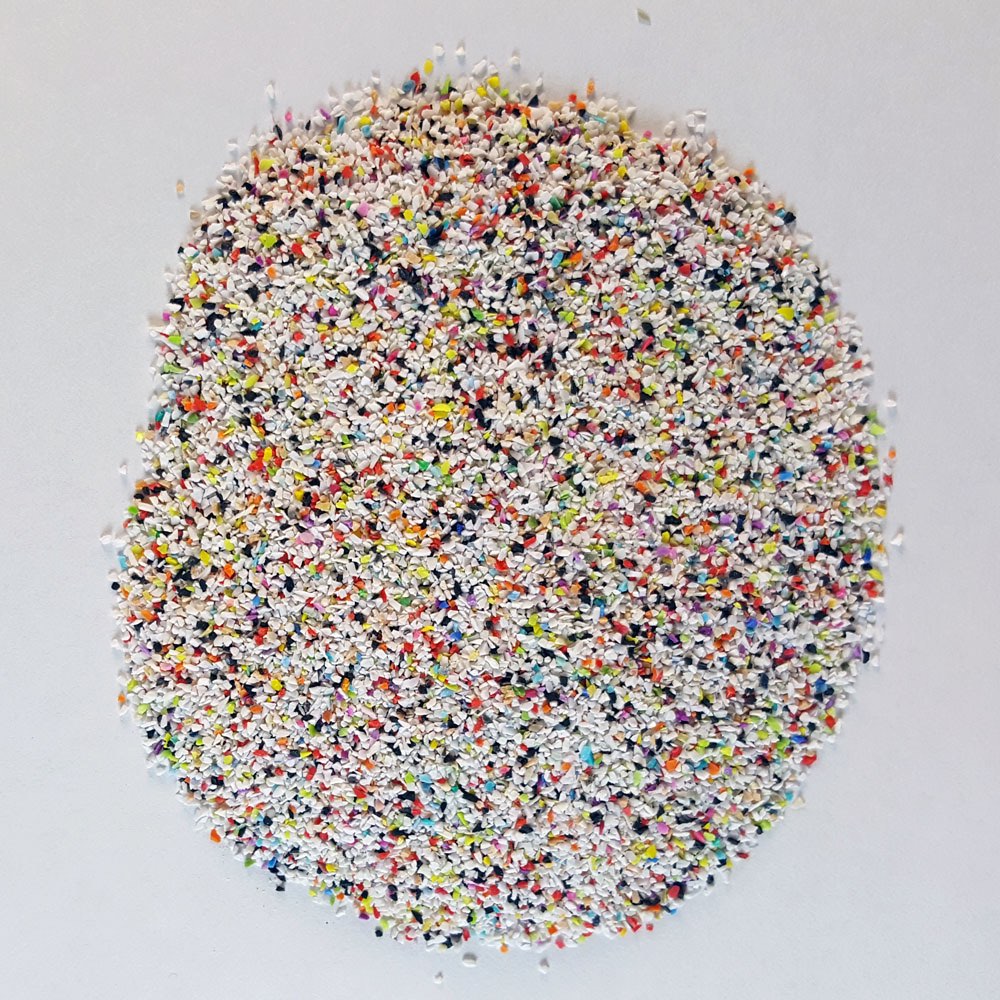
Crushed glass media competes with garnet and plastic media for specific applications. While garnet provides higher hardness and precision, and plastic is gentler for delicate surfaces, crushed glass offers an eco-friendly, cost-effective solution for medium-duty cleaning.
| Medienart | Härte | Wiederverwertbarkeit | Cost | Best Use |
|---|---|---|---|---|
| Crushed Glass | 6.0–6.5 | Low (1–2 cycles) | ★★★★☆ | Eco-friendly cleaning |
| Granat | 7.5–8.5 | Medium | ★★★☆☆ | High-precision work |
| Kunststoff | 3.0–4.0 | Hoch | ★★★★☆ | Delicate surfaces |
Safety and Environmental Considerations
Dust and PPE
Operators must wear appropriate personal protective equipment, including respirators, protective clothing, and eye protection. Adequate ventilation and dust collection systems are recommended for enclosed blasting areas.
Waste Disposal & Eco-Friendliness
Crushed glass media is non-toxic and safe for disposal if uncontaminated. Using recycled glass reduces environmental impact and supports sustainable manufacturing practices.
Practical Tips for Effective Use
- Test a small area before full-scale blasting.
- Adjust pressure and distance according to grit size and surface type.
- Keep media dry to prevent clogging.
- Limit reuse cycles to maintain cutting efficiency.
Summary and Key Takeaways
Crushed glass sandblasting media is a sustainable, efficient, and versatile abrasive solution. It excels at medium-to-light cleaning, surface preparation, and finishing applications. With proper use and safety precautions, it provides a cost-effective method for achieving uniform, clean surfaces across metal, wood, and industrial components.
Related Reading / Internal Links
- Ultimate Guide to Sandblasting Media
- Garnet Sandblasting Media: Eco-Friendly Abrasive for Superior Surface Prep
- Plastic Sandblasting Media: Precision Cleaning for Aerospace and Automotive
Filter