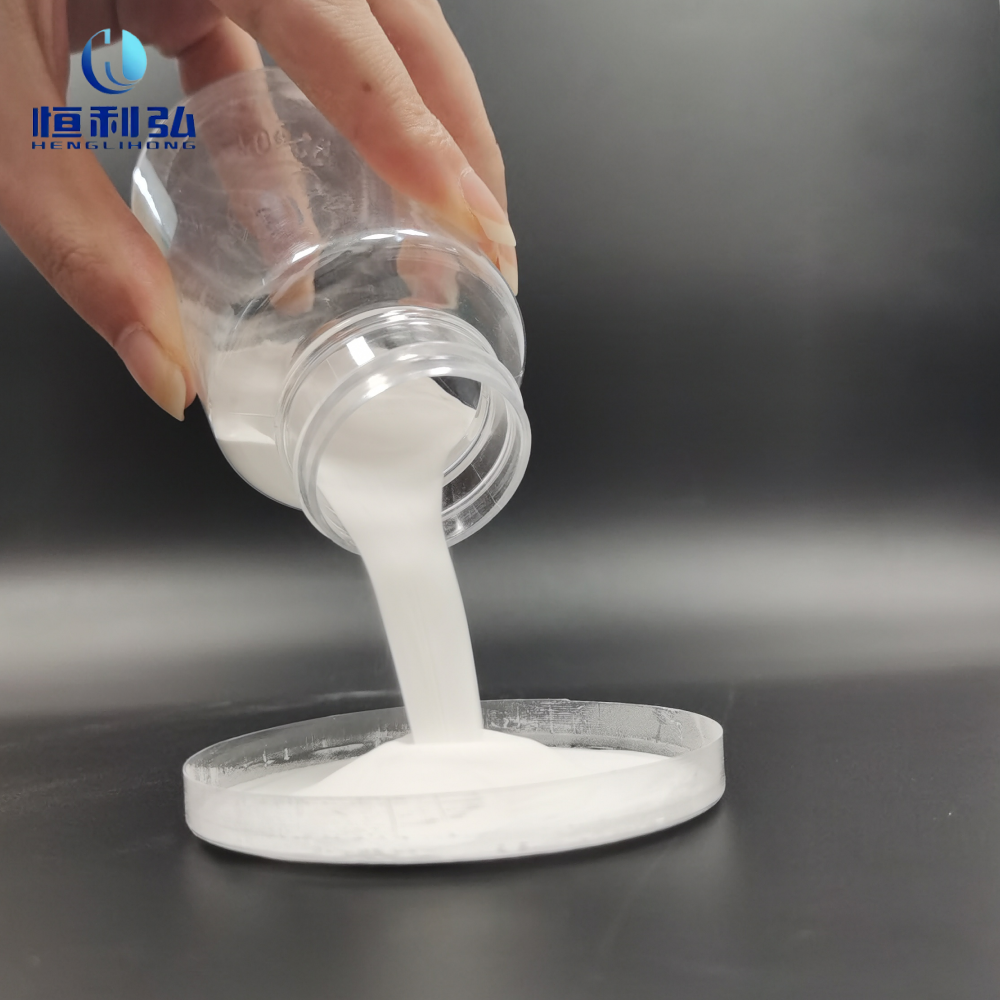
Brown vs White Aluminum Oxide:
Which Should You Use?
A definitive, application-by-application comparison of the two most widely used grades of aluminum oxide blast media — with specification guidelines, cost analysis, and contamination risk assessment for 12 real-world scenarios.
- Quick Answer: Which Grade for Your Application?
- What Makes Brown and White Aluminum Oxide Different?
- Full Properties Comparison
- The Iron Contamination Issue Explained
- Performance Comparison: Cutting Speed, Profile & Recyclability
- Cost Analysis: Unit Price vs Total Cost of Ownership
- 12 Application Scenarios: Brown or White?
- When Either Grade Works
- Writing a Correct Procurement Specification
- Frequently Asked Questions
1. Quick Answer: Which Grade for Your Application?
The most common procurement mistake in aluminum oxide blast media is specifying brown fused grade on a substrate that requires white — or paying the white-grade premium on a carbon steel job where brown is perfectly correct. The decision logic is simpler than most buyers assume:
Use 白刚玉 whenever the substrate is iron-sensitive (stainless steel, aluminum, titanium), the service environment is corrosion-critical (offshore, food contact, pharmaceutical, medical), or the governing specification explicitly prohibits iron contamination.
The rest of this article gives you the full technical and commercial picture — including the precise mechanisms behind iron contamination failure, a side-by-side properties comparison, and a worked cost analysis — so you can specify with confidence and defend that specification to a client or inspector. For the broader context of aluminum oxide blast media selection, see our complete reference: Aluminum Oxide Blast Media: The Complete Buyer’s Guide.
2. What Makes Brown and White Aluminum Oxide Different?
Both grades are synthetic aluminum oxide (Al₂O₃) produced by electrically fusing high-temperature feedstock in arc furnaces, and both share the angular grain morphology and Mohs 9 hardness that make aluminum oxide the world’s most widely used industrial abrasive. The differences arise from the purity of the raw material used and what impurities are retained — or deliberately removed — during production.
The Production Difference
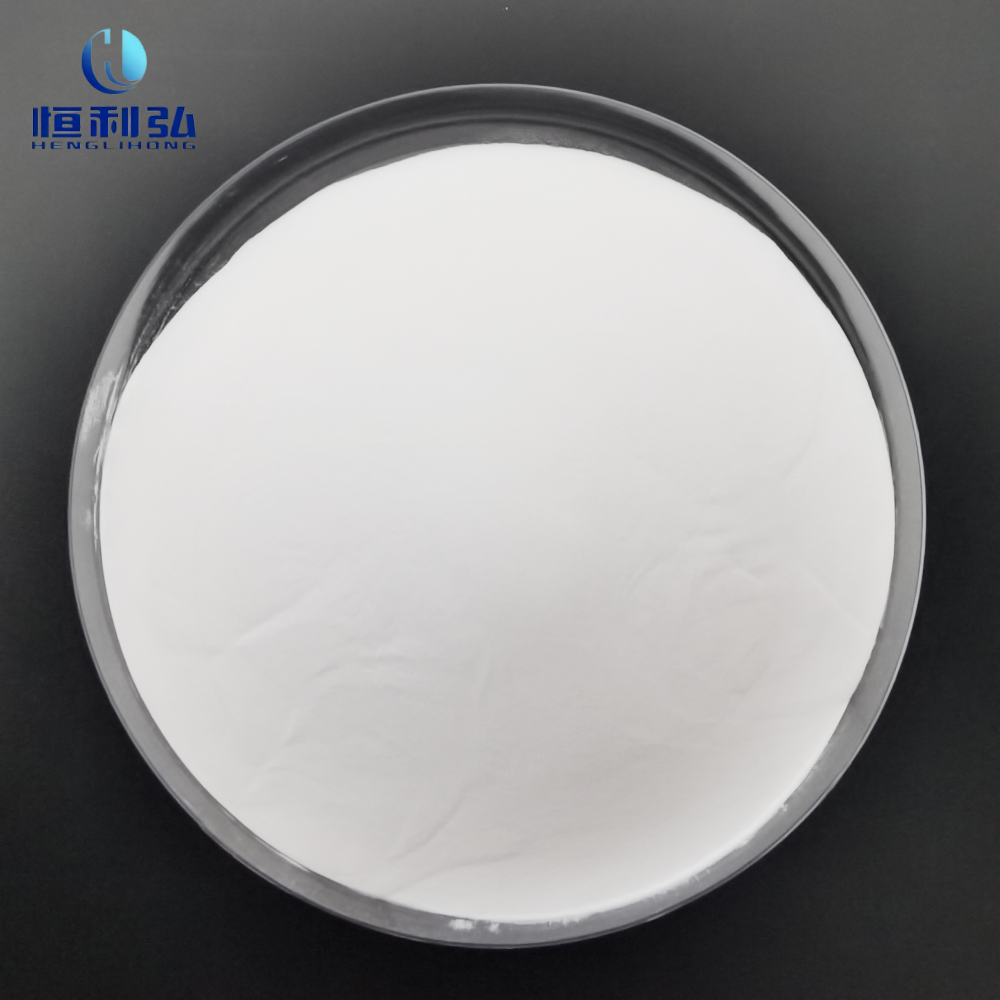
Brown fused aluminum oxide starts from raw bauxite, an ore that naturally contains iron oxides, titanium dioxide, and silica alongside the alumina. The electric arc fusion process drives off moisture and some volatile impurities but retains the TiO₂ and a portion of the iron. White fused aluminum oxide begins with Bayer-process alumina — a refined, high-purity aluminum hydroxide that has already been chemically stripped of most of its impurity load before it ever enters the fusion furnace. The result is a product with greater than 99.5% Al₂O₃ purity and analytically negligible iron content.
This single difference in feedstock purity propagates into every downstream performance and specification difference between the two grades.
3. Full Properties Comparison
| Property | Brown Fused (BFAO) | White Fused (WFAO) | Test Method |
|---|---|---|---|
| Al₂O₃ Purity | 94–97% | ≥ 99.5% | XRF / Wet chemistry |
| TiO₂ Content | 1.5–3.8% | < 0.05% | XRF |
| Fe₂O₃ (Free Iron) | 0.2–1.5% | < 0.05% | XRF |
| SiO₂ | 0.5–2.0% | < 0.10% | XRF |
| Na₂O | < 0.5% | < 0.35% | XRF |
| 莫氏硬度 | 8.9–9.0 | 9.0 | ASTM E18 |
| Vickers Microhardness | 1,800–2,000 HV | 2,000–2,200 HV | ASTM E384 |
| 真实密度 | 3.90–3.95 g/cm³ | 3.93–3.97 g/cm³ | ASTM B923 |
| 体积密度 | 1.75–1.95 g/cm³ | 1.60–1.80 g/cm³ | ISO 8130-4 |
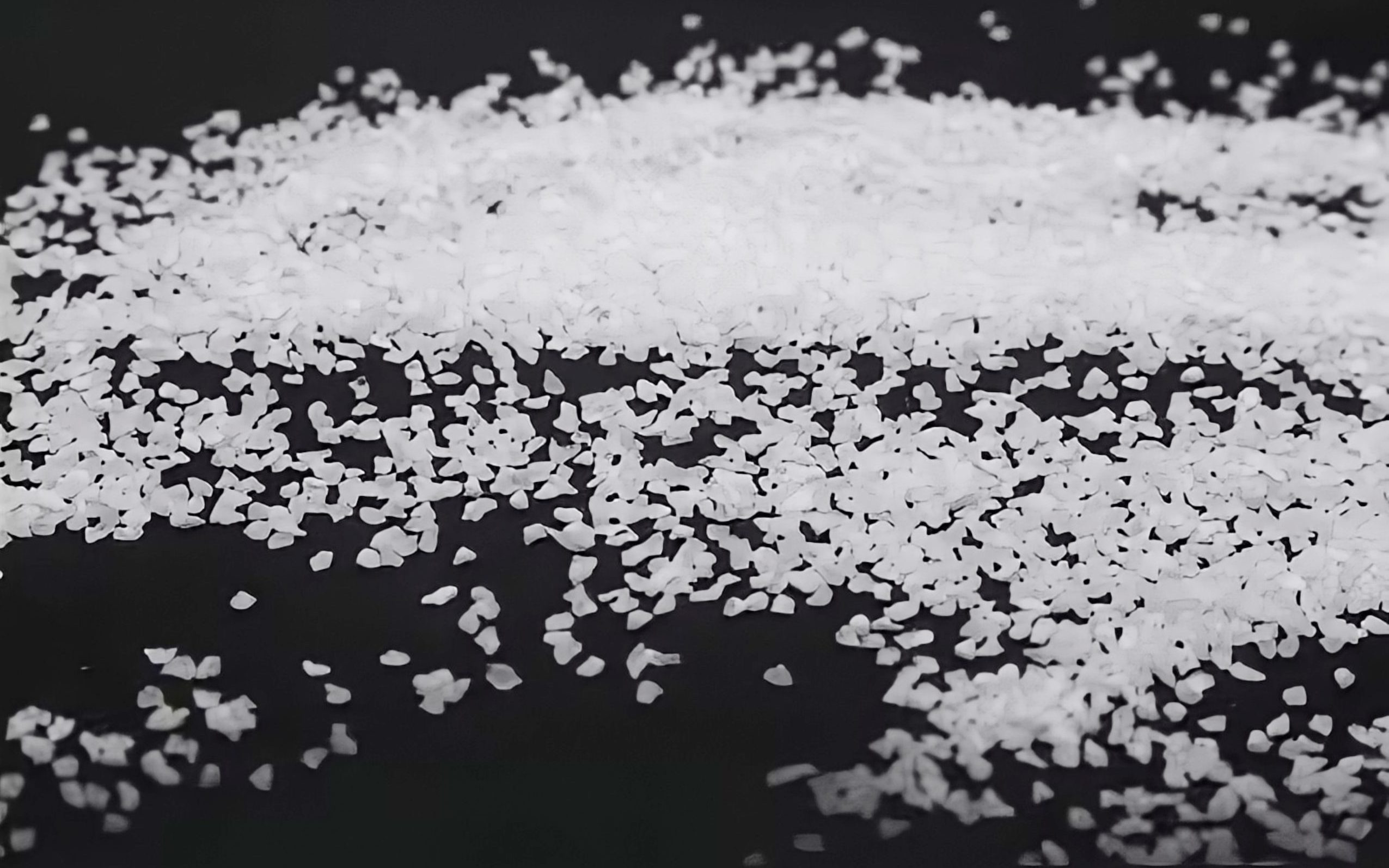
| Grain Morphology | Angular / blocky | Angular / sharp-edged | SEM |
| Grain Toughness | Higher — resists fracture | More friable — self-sharpens | Impact test |
| 熔点 | ~2,040 °C | ~2,050 °C | — |
| 颜色 | Dark brown / reddish-brown | Pure white | Visual |
| Moisture (<) | 0.3% | 0.15% | ISO 6344-3 |
| Recyclability (closed loop) | 4–8 cycles | 5–10 cycles | Production trial |
| Relative Unit Cost | Baseline (1×) | 1.3–1.6× brown | Market pricing |
4. The Iron Contamination Issue Explained
Iron contamination is the most consequential technical difference between brown and white fused aluminum oxide — and it is frequently misunderstood. Many users assume that iron particles from brown-grade abrasive simply sit loosely on the blasted surface and can be removed by air-blowing or wiping. This assumption is wrong, and it leads to expensive coating failures and warranty disputes.
What Actually Happens During Blasting
When a brown fused aluminum oxide grain impacts a metal surface at blast velocities (typically 60–150 m/s depending on pressure and grit size), the grain fractures on impact — and so do the tiny iron oxide inclusions distributed throughout its crystal matrix. Fractured iron-bearing particles are driven into the substrate surface at high velocity, embedding themselves in the freshly created anchor profile at depths of 1–5 µm below the peak of each surface irregularity. These embedded particles are not removable by compressed air blowing, solvent wiping, or even re-blasting with the same grade of media.
The Failure Mechanism on Stainless Steel
Stainless steel’s corrosion resistance depends entirely on a continuous, adherent chromium oxide passive film approximately 1–3 nm thick on the surface. Embedded iron particles from brown-grade blasting create micro-galvanic cells at the points of iron-steel contact, where the iron — being anodic relative to the passive stainless matrix — begins to corrode preferentially. The corrosion product (rust) propagates beneath the applied coating, breaking adhesion and creating the characteristic “rust halo” or “rust bleed” pattern around each contamination site. This failure can appear within weeks of coating application in aggressive environments (marine, chemical, food processing) or may take months in mild conditions — but it is invariably progressive and cannot be stopped without stripping and re-blasting with iron-free media.
The Failure Mechanism on Aluminum Alloys
Aluminum alloys do not form rust in the same way as steel, but iron contamination from brown-grade abrasive creates a different problem: galvanic corrosion pitting at iron-aluminum contact points. In aerospace and marine applications, this pitting can initiate stress-corrosion cracking in high-strength alloys (7075, 2024) under service loads. Aerospace specifications (AMS 2431, Boeing D6-17487) explicitly prohibit iron-bearing abrasives on aluminum airframe components for this reason.
Iron Contamination Testing
The standard test for iron contamination on a blasted surface is the ferroxyl test (also called the Ferrozine or potassium ferricyanide wipe test), which uses a reactive indicator solution applied to the surface that turns blue in the presence of soluble iron. Most coating inspection protocols for stainless steel require a clean ferroxyl test before coating application when blasting history is uncertain. White fused aluminum oxide consistently passes this test when used on a freshly blasted, previously uncontaminated surface.
5. Performance Comparison: Cutting Speed, Profile & Recyclability
Setting aside the iron contamination issue — on substrates where it is genuinely not relevant, such as carbon steel — the performance differences between brown and white fused aluminum oxide are more nuanced than the simple “white is better” assumption sometimes made by buyers who associate higher purity with higher performance. The reality depends on the application.
Cutting Speed
Brown fused aluminum oxide’s higher TiO₂-driven toughness means its grains survive more impact cycles before fracturing, delivering more kinetic-energy cutting events per kilogram of media charged to the blast system. On equivalent grit sizes at equivalent blast pressures, brown grade typically removes surface contaminants at a rate 5–15% faster than white grade on carbon steel substrates. White grade’s slightly lower toughness means grains fracture earlier in the impact cycle — generating a larger fine-particle fraction that contributes less to profile generation and more to dust.
Anchor Profile Consistency
White fused aluminum oxide’s higher Vickers microhardness (2,000–2,200 HV vs 1,800–2,000 HV for brown) translates to sharper cutting edges at the micro-scale — which is why it is preferred for precision applications requiring a tight, consistent anchor profile on hard substrates. In practice, for general carbon steel preparation, the profile depth difference between equivalent grit sizes of brown and white grade is within measurement variability (±5 µm) and is not specification-significant.
Recyclability and Media Life
White fused aluminum oxide achieves slightly more recycle cycles (5–10 vs 4–8 for brown) in closed-loop blast systems, reflecting its higher hardness. However, the primary wear mechanism that terminates media service life is different for each grade: brown grade is limited by progressive particle fracture reducing the D50 below the minimum useful size, while white grade is additionally limited by potential purity degradation from substrate pickup — relevant in applications where the media charge becomes contaminated with substrate material over multiple cycles. For a full analysis of recyclability economics, see our guide: Is Aluminum Oxide Blast Media Reusable? How Many Times?
6. Cost Analysis: Unit Price vs Total Cost of Ownership
The 30–60% unit price premium of white fused over brown fused aluminum oxide deters some buyers from specifying white grade even when the application technically requires it — often with expensive consequences. Equally, some buyers default to white grade on all applications “to be safe,” paying a premium that the application does not need and that their specification does not require. A structured total cost of ownership (TCO) analysis prevents both errors.
| Cost Factor | Brown Fused (BFAO) | White Fused (WFAO) | Notes |
|---|---|---|---|
| Unit purchase price | Baseline (1×) | 1.3–1.6× brown | Varies by grit size and order volume |
| Recycle cycles (closed loop) | 4–8 | 5–10 | White amortizes unit cost premium over more cycles |
| Net media cost per m² | Lower on carbon steel | Comparable after recycling | Gap narrows significantly in closed-loop systems |
| Risk of re-work cost | Zero on carbon steel | Zero on all substrates | Brown on SS/Al creates re-work risk worth quantifying |
| Contamination re-work (if wrong grade used) | 2–5× original prep cost on sensitive substrates | Not applicable | Re-blasting + re-coating + passivation on stainless |
| Regulatory compliance risk | High for aerospace / medical / food | Low — meets all standards | AMS 2431 and EN ISO 11126-7 require iron-free media |
| 粉尘产生 | Slightly higher | Slightly lower | White is more friable but purer — lower silica fraction |
7. Twelve Application Scenarios: Brown or White?
The following decision matrix covers the twelve most common industrial blasting scenarios. Each verdict is based on the substrate material, service environment, governing specification, and the contamination risk profile described in Section 4.
8. When Either Grade Works
Several application types genuinely accommodate either grade, and the choice should then default to cost efficiency — meaning brown fused aluminum oxide in most cases. The following criteria define when either grade is technically acceptable:
- The substrate is ferrous (carbon steel, cast iron, tool steel) and iron contamination from the abrasive is indistinguishable from the substrate’s own iron content.
- The governing specification does not explicitly restrict iron content of the blast media — always check the coating manufacturer’s PDS and any project-specific inspection test plan (ITP) before defaulting to brown grade.
- The service environment does not create conditions for galvanic corrosion between embedded iron particles and the substrate material.
- The color of residual media dust is not a quality criterion — in some light-colored coating systems applied over very light-colored substrates, residual brown dust is visible and unacceptable, requiring white grade even on technically acceptable substrates.
9. Writing a Correct Procurement Specification
A vague specification — “aluminum oxide blast media, F36” — leaves the grade unspecified and exposes the project to a supplier delivering the lower-cost brown grade regardless of substrate requirements. A correctly written specification prevents substitution and provides a clear quality acceptance criterion. Here is the minimum specification language for each grade:
Brown Fused Aluminum Oxide Specification Template
Grade: FEPA F[XX] (specify grit size)
Al₂O₃ purity: minimum 94%
Fe₂O₃: maximum 1.5%
SiO₂: maximum 2.0%
Moisture: maximum 0.3%
Particle size distribution: to FEPA 42-2:2006 F-grits tolerance
Documentation required: Lot-specific Certificate of Analysis (CoA)
Standard: EN ISO 11126-7 or equivalent
White Fused Aluminum Oxide Specification Template
Grade: FEPA F[XX] (specify grit size)
Al₂O₃ purity: minimum 99.5%
Fe₂O₃: maximum 0.05%
SiO₂: maximum 0.10%
Moisture: maximum 0.15%
Particle size distribution: to FEPA 42-2:2006 F-grits tolerance
Documentation required: Lot-specific Certificate of Analysis (CoA)
Post-blast verification: Ferroxyl test (pass required before coating)
Standard: EN ISO 11126-7 or equivalent; AMS 2431 (if aerospace)
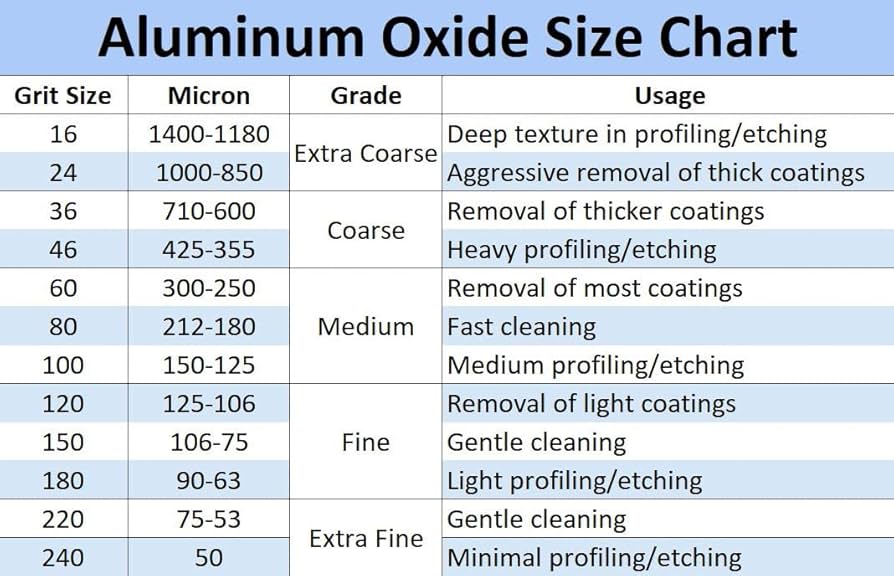
For grit size selection guidance to complete the [XX] field in either template, refer to our engineering reference: Aluminum Oxide Grit Size Chart & Selection Guide.
10. Frequently Asked Questions
No — not reliably. Compressed air blowing, solvent wiping, and water rinsing remove loose surface particles but cannot extract iron oxide particles that have been driven into the anchor profile valleys at blast velocity. The only effective remediation is to re-blast the contaminated surface with white fused aluminum oxide to physically remove the upper layer of contaminated metal, followed by a ferroxyl test to confirm absence of residual iron. Chemical passivation (typically with citric acid or nitric acid solution) can deactivate surface iron on stainless steel but does not remove the embedded particles — it is a supplementary step, not a replacement for re-blasting with the correct grade.
No — and this is a frequent source of contamination failures. Blast cabinets, hoppers, and recovery systems retain residual media in corners, reclaim ducts, and classifier screens. If a cabinet is used for brown fused aluminum oxide and then loaded with white grade without a thorough purge and clean, the residual brown media contaminates the white charge. For contamination-sensitive applications (stainless steel, aerospace, medical), either dedicate separate equipment exclusively to white grade, or perform a verified equipment clean-out — including running one full charge of white grade to purge the system and discarding it before proceeding to production blasting.
At the same FEPA grit designation, both grades produce anchor profiles within the same indicative Rz range on carbon steel substrates — the particle size distribution governs the profile, not the grade. The practical difference is that white grade, being slightly more friable, generates a marginally higher fine-particle fraction during blasting, which means its effective D50 drops slightly faster over the recycle life of the media charge. In terms of initial surface finish on first-pass blasting, the profiles are within measurement variability. White grade’s advantage for precision work comes from its chemical purity and color neutrality, not from a finer profile per se.
The price premium reflects the more expensive feedstock and the additional processing required. Brown fused aluminum oxide is made from standard bauxite ore — a relatively inexpensive and widely available raw material. White fused aluminum oxide is made from Bayer-process alumina, which has already been chemically refined to remove iron, silica, and other impurities before it enters the fusion furnace. The Bayer refining process adds significant energy and chemical processing cost before the alumina ever reaches the fusion stage. Additionally, the stricter purity requirements for white grade demand tighter quality control and more frequent testing throughout production, adding overhead cost. The resulting 30–60% price premium is a reflection of genuinely higher production cost, not a premium-brand markup.
Brown fused aluminum oxide is not banned anywhere as a product — it is a widely used and regulated industrial abrasive. However, specific application standards prohibit its use on certain substrates. AMS 2431 (aerospace blasting), Boeing D6-17487, and most MRO specifications for aluminum and titanium airframe components explicitly prohibit iron-bearing abrasives. Medical device manufacturing standards under ISO 13485 and FDA 21 CFR typically require documentation confirming iron-free abrasives for implant surface preparation. Food-contact stainless steel specifications under EU Regulation 1935/2004 and FDA standards do not enumerate specific abrasive requirements, but the resulting contamination failure (rust on food-contact surfaces) creates regulatory non-compliance — effectively mandating iron-free media for responsible contractors.
No. Any admixture of brown fused aluminum oxide in a media charge intended for stainless steel, aluminum, or titanium substrates introduces the iron contamination risk described in Section 4. The contamination failure mechanism operates at the individual grain level — even a small percentage of brown-grade grains in an otherwise white charge can embed enough iron to cause corrosion failure in sensitive service environments. There is no recognized standard that permits a defined blend of brown and white for contamination-sensitive applications. If cost is a concern, use white grade at a higher grit size (which requires less media per square meter treated) rather than mixing grades.
Need the Right Grade for Your Project?
Jiangsu Henglihong Technology supplies both brown fused and white fused aluminum oxide abrasives to industrial customers worldwide, with full Certificate of Analysis documentation on every shipment and ISO 9001:2015 quality management.
Related Resources
Continue your research with these guides from the Henglihong resource library:
- Aluminum Oxide Blast Media: The Complete Buyer’s Guide
- Aluminum Oxide Grit Size Chart & Selection Guide
- Aluminum Oxide vs Garnet Blast Media: Full Comparison
- How to Choose Aluminum Oxide Blast Media for Steel Surfaces
- Aluminum Oxide for Glass Etching & Frosting
- Is Aluminum Oxide Blast Media Reusable? How Many Times?
- Aluminum Oxide Blast Media for Aerospace & Medical
- Bulk Aluminum Oxide Blast Media – Wholesale Pricing & RFQ
- Aluminum Oxide Anti-Slip Additive for Floor Coatings
过滤器