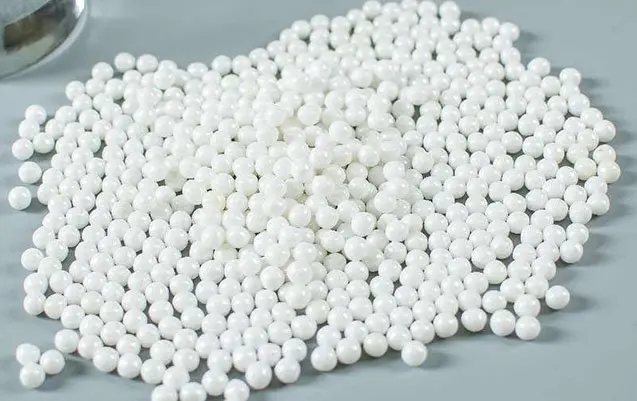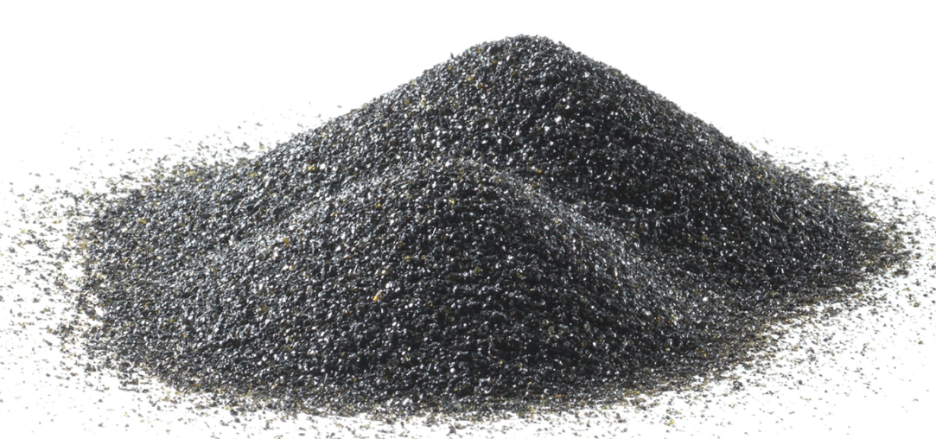
Buying ceramic bead blasting media is easy until someone asks: which size? B60 or B120? Coarse for cleaning, fine for cosmetics, or a peening grade for fatigue life? Choosing the wrong ceramic bead size is one of the fastest ways to miss Ra targets, waste cycle time, or fail an Almen check.
This guide compares common ceramic bead sizes from coarse to fine, explains what changes between grades, and gives a simple selection path you can use on the shop floor.
Why ceramic bead size matters more than brand slogans
For spherical ceramic media, size controls three outcomes at once:
- Impact energy (larger beads hit harder at the same pressure)
- Surface roughness and texture
- Coverage speed and edge detail access
Hardness and chemistry matter, but within one ceramic family, size is usually the first dial you should turn.
Common ceramic bead size ranges compared
Exact mesh windows vary by manufacturer. Use this as a practical working map, then confirm with the product TDS.
| Typical grade | Relative size | What it is good at | Watch-outs |
|---|---|---|---|
| B20 / B30 | Coarse | Heavy cleaning, strong texture, faster stock removal of light scale | Can over-texture thin sections; not for fine cosmetics |
| B40 / B60 | Medium-coarse | General cleaning, mold release residue, robust satin finish | May be too aggressive for polished aluminum cosmetics |
| B80 / B100 / B120 | Medium | Most common production finishing and many peening windows | Needs stable reclaim so fines do not drift the mix |
| B150 / B170 / B205 | Fine | Finer satin, tighter Ra control, delicate edges and thin walls | Slower coverage on heavy soil; more sensitive to pressure |
| B400 / B505 | Very fine | Micro-finishing, delicate instruments, low-profile texture | Low cutting power; not for heavy oxide or thick coatings |
Coarse vs medium vs fine: a clear comparison
Coarse ceramic beads (about B20–B60)
Coarse grades behave more like a “workhorse cleaner.” They transfer more energy per impact, so they remove light oxide, casting residue, and stubborn mold dirt faster. The trade-off is a more open texture and higher roughness.
Choose coarse when: cycle time matters more than ultra-fine cosmetics, and the part can accept a stronger satin.
Medium ceramic beads (about B80–B120)
This is the “default production zone” for many plants. Medium sizes balance coverage speed with a controlled finish. They are also common starting points when a drawing calls for ceramic bead peening without ultra-fine texture.
Choose medium when: you need one grade that can handle mixed jobs without constant media swaps.
Fine and very fine ceramic beads (about B150–B505)
Fine grades create a tighter, more uniform appearance and are kinder to edges, thin walls, and precision features. They take longer on heavy contamination, so pretreat or use a coarser first pass if soil is thick.
Choose fine when: Ra, visual uniformity, or delicate geometry come first.
Blasting finish vs peening performance
| 目标 | Better size direction | Why |
|---|---|---|
| Cosmetic satin on stainless or aluminum | Medium to fine | More uniform look, fewer deep impact marks |
| Remove light scale / mold residue | Medium-coarse to coarse | Higher energy and faster cleaning |
| Controlled shot peening | Follow the print; often medium bands | Size distribution affects Almen intensity stability |
| Thin-wall / sharp-edge protection | Fine | Lower local impact peaks |
| Two-step process (clean then finish) | Coarse first, fine second | Speed plus final appearance |
Important: peening is not automatically “use the biggest bead.” Intensity is a system result of size, hardness, flow, pressure, angle, and time. Always verify with Almen strips when the drawing requires it.
How to choose ceramic bead size in 5 steps
- Read the drawing notes. If the print already specifies a ceramic grade or Ra window, start there.
- Define the primary job. Cleaning, cosmetics, or fatigue life?
- Check substrate thickness and edge risk. Thin aluminum and sharp corners usually move you finer.
- Look at your reclaim system. Fine grades need good classification, or the mix fills with dust and process drift begins.
- Run a short coupon test. Compare two neighboring sizes at the same pressure before locking production settings.
Common selection mistakes
- Using one size for every part. A grade that cleans castings well can ruin a cosmetic cover.
- Raising pressure instead of changing size. Excess pressure can fracture media faster and widen process variation.
- Ignoring worn media mix. Even ceramic beads need classification. A “fine enough” look may actually be a contaminated size blend.
- Copying glass-bead settings. Ceramic density and toughness are different; retune flow and pressure.
FAQ
Is a smaller ceramic bead always smoother?
Usually yes for the same pressure and time, but not if the media is broken or the mix is dirty. Condition of the media matters as much as nominal size.
Can I blend two ceramic bead sizes?
Sometimes for special textures, but blending makes process control harder. For production peening, stay with one qualified grade unless engineering validates the blend.
What size should I trial first?
If you have no print guidance, many teams trial a medium grade first (around B100/B120 class), then step coarser for cleaning speed or finer for cosmetics.
Need help matching a grade to your Ra or Almen target? Share your substrate, current media, and finish requirement with HLH. You can also review our ceramic beads blasting media 和 ceramic peening beads product pages for grade options.
过滤器