Ceramic Materials for Implant Surface Treatment: Alumina vs Zirconia vs Hydroxyapatite
I’ve spent years on the floor and in the metrology lab watching engineers pick a ceramic bead for grit blasting implants without fully understanding what happens six weeks after surgery. The choice between alumina, zirconia, and hydroxyapatite isn’t just about hardness or price per kilogram. It changes the surface energy, the fatigue life of the implant, and how bone cells decide to anchor—or not anchor—to the device. This article walks through each material from a practitioner’s angle. I’ll give you the numbers where they’re useful, and the judgment calls where data alone won’t save you.
Overview of Ceramic Bead Materials
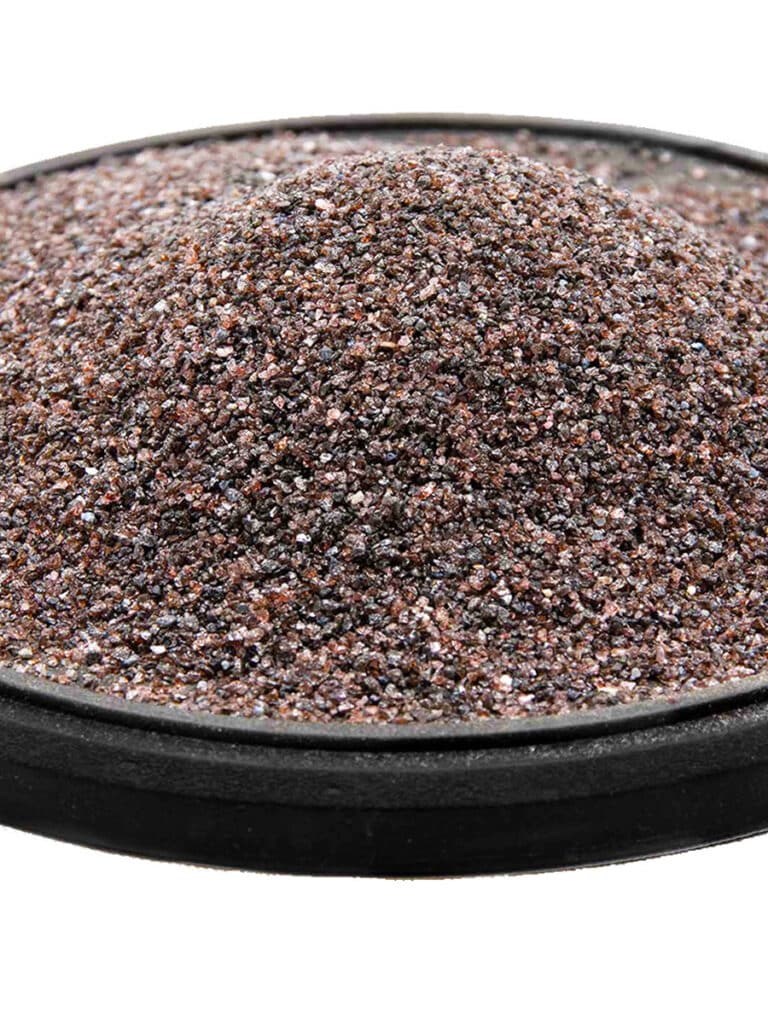
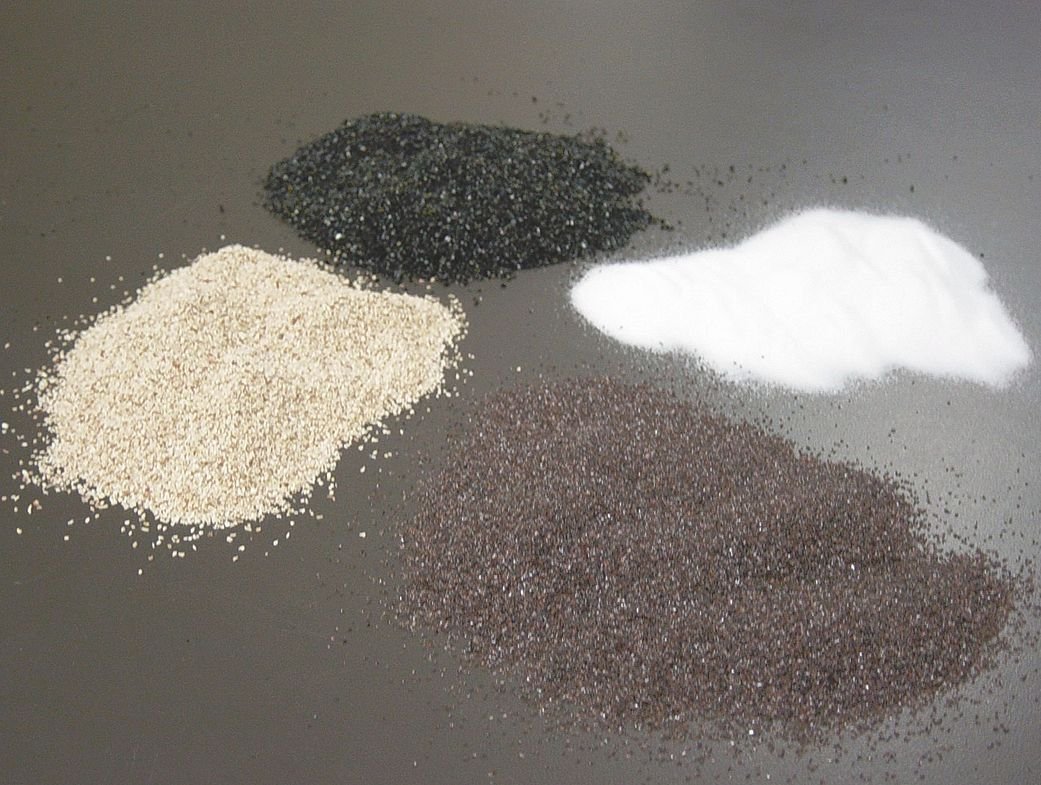
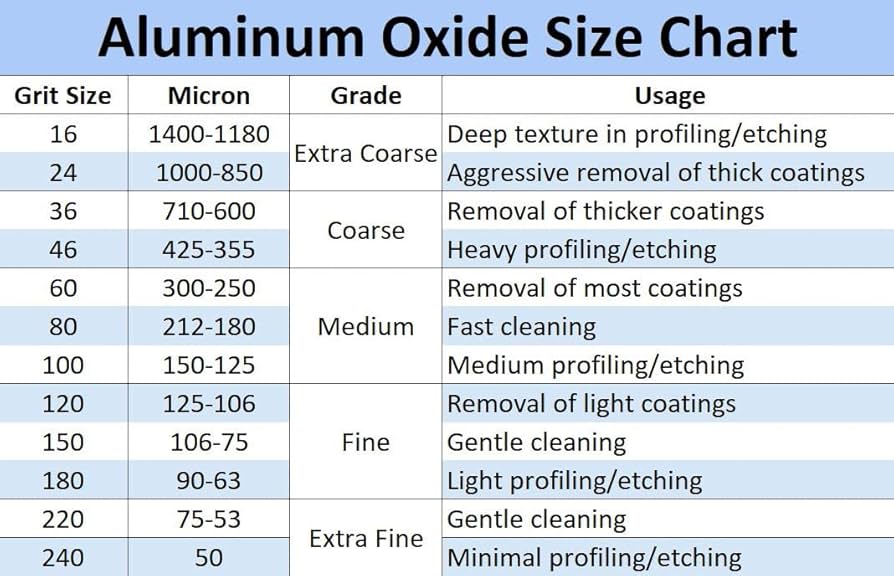
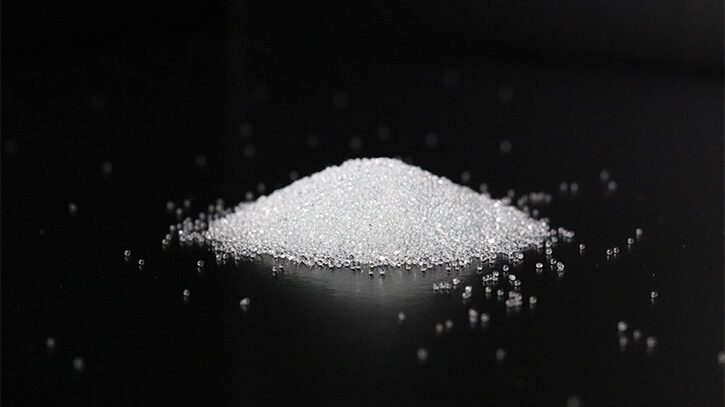
Ceramic beads are the workhorse media for roughening, cleaning, and texturing implant surfaces before sterilization. In orthopedic and dental manufacturing, you typically see three families: alumina (aluminum oxide, Al₂O₃), zirconia (zirconium dioxide, ZrO₂), and hydroxyapatite (HA, Ca₁₀(PO₄)₆(OH)₂). All three are delivered as dry, free-flowing beads in cut sizes from roughly 20 µm up to 250 µm, but their behavior inside a blasting cabinet and inside the body diverges fast.
A mistake I see repeatedly is treating bead selection as a simple roughness problem. You set a target Ra—say 1.8 µm on a titanium plasma-sprayed stem—and then pick whatever bead reaches that Ra cheapest. That works until you discover the alumina residue embedded in the substrate is causing third-body wear in a knee joint, or the HA beads you chose for bioactivity have disintegrated into fines that clog the vacuum system. Material chemistry tracks into every downstream decision.
Alumina Beads: Properties, Advantages, and Applications
Alumina beads are the default in many shops. They deliver a controlled, repeatable cut because of their high hardness—typically around 2000 HV (approximately 9 on the Mohs scale). That hardness makes them aggressive on metals like Ti-6Al-4V and CoCr, yet the beads themselves fracture slowly, so the particle size distribution holds up over multiple recycles.
Typical Physical Characteristics
- Density: ~3.95 g/cm³
- Hardness: 1800–2200 HV
- Fracture toughness: 3–4 MPa·m¹/²
- Color: white to off-white
- Purity: commonly 99.5% or higher for medical-grade lots
Where Alumina Works Best
I lean on alumina when the primary goal is a deep, clean macro-roughness pattern with minimal chemical interaction. Hip stem grit blasting is a classic application. You need a surface that locks onto bone cement or encourages mechanical interlock, but you don’t want the bead to impart any biological signal. Alumina is bioinert; the body encapsulates it if any residue remains, but it doesn’t actively promote bone growth. That’s fine for cemented stems or for metal-on-polyethylene bearing surfaces where surface texture matters more than bioactivity.
Another strong use case is pre-coating preparation. Before plasma-spraying titanium or HA onto an acetabular shell, alumina blasting creates the anchor profile that helps the coating adhere. The bead’s high hardness also strips oxides and contaminations efficiently, reducing rework.
Watchpoints
Alumina is not your friend when residual particle embedding becomes a clinical risk. I’ve pulled metallographic cross-sections where alumina fragments sat 2–4 µm deep in a Ti substrate after aggressive blasting. If the implant sees articulation, those fragments can liberate and accelerate polyethylene wear. In those cases, a softer or more biocompatible bead might be the safer path even if it costs more per cycle.
Zirconia Beads: Strength and Bioinert Characteristics
Zirconia beads—usually yttria-stabilized zirconia—bring a different balance. Hardness runs around 1200–1300 HV, noticeably lower than alumina, but the fracture toughness is roughly double, often 6–8 MPa·m¹/². In practical terms, zirconia beads wear less and last longer in recycling systems. They’re also denser (about 6.0 g/cm³), which means the same volume of beads hits the surface with more momentum, all else equal.
Why Density Matters
A denser bead at the same air pressure transfers more kinetic energy to the workpiece. With zirconia, you can often achieve the same Ra with slightly lower pressure or shorter cycle time compared to alumina, which can reduce embedding and heat generation. I’ve shifted production lines to zirconia specifically to cut down on embedded media without sacrificing roughness, and the blasting time dropped by roughly 10–15%. But you have to recalibrate nozzle distance and angle; the denser stream doesn’t decelerate the same way.
Bioinert with a Cleaner Exit
Zirconia is also bioinert, similar to alumina, but it gets more interest in ceramic-on-ceramic bearings and dental implant abutments because of its aesthetic and chemical matching. Some researchers prefer zirconia over alumina when the blasted surface will later receive a bone cement or adhesive, because the slightly lower hardness can reduce smearing and microcrack formation on the metal substrate.
Cost and Supply Considerations
Medical-grade zirconia beads tend to cost more than alumina—sometimes by a factor of 1.5 to 2×—but the longer bead life can offset that in high-volume operations. If your shop runs a closed-loop blasting system with recirculation, run the numbers on bead consumption over 300 operating hours, not just the upfront price per 25 kg drum.
Hydroxyapatite Beads: Bioactivity and Osseointegration
Hydroxyapatite beads occupy a different category entirely. Their hardness is low—often under 500 HV, with some porous grades dropping much lower—so they don’t cut like alumina or zirconia. What they do is leave a chemically active surface that mirrors the mineral phase of bone. For implants where early osseointegration is critical—think dental implants, spinal fusion cages, or uncemented press-fit cups—HA blasting can be a deliberate biological strategy.
Mechanism of Bioactivity
HA blasted surfaces expose calcium and phosphate ions directly at the implant-tissue interface. This isn’t just a roughness effect; it’s a chemical cue. Osteoblasts recognize the calcium phosphate surface and begin laying down bone matrix faster than on a bioinert surface. In some regulatory filings, companies defend a bioactive claim based on the resulting surface chemistry after HA bead treatment, even if the bulk of the bead is removed in post-processing.
Real-World Process Challenges
Here’s where I see people get burned: HA beads are fragile. Recycle them through a pneumatic system more than a couple of times and the particle size distribution shifts dramatically. Fines increase, and the blasting stream becomes inconsistent. I’ve measured a 30% drop in mean particle diameter after only four recirculation cycles in a poorly tuned system. That means Ra varies across the implant batch, and your validation starts to drift.
Another issue is cleaning. After HA blasting, you must remove loose, non-adherent particles without destroying the bioactive layer. Ultrasonic cleaning with high-purity water works, but the parameters need to be tight—too aggressive and you strip the very chemistry you wanted to keep. I always recommend running a calcium and phosphorus assay on the rinse water during process qualification to confirm you’re not washing away the active species.
Applications Where HA Beads Shine
Dental implants are the obvious winner. The neck and collar regions often get a machined or acid-etched finish, but the threaded body can benefit from HA bead blasting to create a micro-textured, bioactive surface. I’ve also seen positive outcomes in spinal interbody cages made from PEEK, where HA blasting compensates for the polymer’s inherent bioinertness. The calcium phosphate residues act as bone-growth nucleation sites, which helps fusion rates in the critical first months.
Comparing Key Factors: Cost, Hardness, Biocompatibility
Put the three materials side by side and the trade-offs become clear. Hardness drives texturing speed but also the risk of embedding. Material cost per cycle interacts with bead life and required surface chemistry. The table below lays out the core factors that influence real procurement and process decisions.
| Property / Factor | Alumina (Al₂O₃) | Zirconia (ZrO₂) | Hydroxyapatite (HA) |
|---|---|---|---|
| Hardness (HV) | ~1800–2200 | ~1200–1300 | <500 (often 200–400) |
| 密度(克/立方厘米) | ~3.95 | ~6.0 | ~3.1–3.2 |
| Fracture Toughness (MPa·m¹/²) | 3–4 | 6–8 | 1–2 (brittle) |
| Bioactivity | Bioinert | Bioinert | Bioactive (osteoconductive) |
| Typical Bead Size Range (µm) | 20–250 | 30–200 | 40–300 (wider distribution due to fragility) |
| Surface Roughness Contribution | High Ra, sharp peaks; good for mechanical interlock | Medium-high Ra, more uniform texture; less embedding | Variable Ra; chemical contribution more important than topography |
| Reusability (Recycle Cycles) | 10–20 cycles before fines exceed 5% | 15–25 cycles; superior longevity | 3–6 cycles; fines build rapidly |
| Relative Media Cost per kg | Low–Medium | Medium–High | Medium (but consumed faster) |
| Cleaning Validation Burden | Moderate; alumina residue detectable | Moderate | High; must preserve surface chemistry |
From a budget standpoint, I’ve watched teams underestimate the true cost of HA. Yes, the per-drum price might be comparable to zirconia, but when you replace beads every two shifts instead of every two weeks, your consumables cost per implant can quadruple. Always calculate cost per thousand parts with validated recyling limits, not cost per kilogram.
Material Selection Guide by Implant Type
Your implant class drives the final choice more than any single material property. Below is a decision matrix I use when training new process engineers—it’s not theoretical; it’s based on what has passed cleaning validation and osseointegration testing in real production lines.
| Implant Type | Recommended Bead Material | Reasoning | Critical Process Note |
|---|---|---|---|
| Cemented hip stem (CoCr or Ti) | 氧化铝 | Deep macro-texture for cement interlock; bioactivity not required | Validate Ra range 2.0–3.5 µm; monitor embedding |
| Uncemented press‑fit acetabular shell | Alumina or Zirconia | High initial scratch-fit; some designs add HA coating afterwards | If adding HA coating later, ensure substrate Ra does not exceed coating thickness tolerance |
| Knee femoral component (CoCr) | Zirconia (preferred) or Alumina | Zirconia reduces third‑body wear risk on articulating surface | Confirm no bead residue on bearing zone via SEM |
| Dental implant (titanium) | Hydroxyapatite or Zirconia | HA for bioactive osseointegration; Zirconia if purely mechanical roughness preferred | If HA, validate calcium presence post‑cleaning |
| Spinal fusion cage (PEEK or titanium) | Hydroxyapatite | Compensates for bioinert polymer; accelerates fusion | Test for particle shedding after sterilization |
| Trauma plates and screws | 氧化铝 | Low unit cost; texture mainly for improved fatigue life | Avoid over‑roughening that creates stress risers |
Supplier Availability and Quality Standards
Medical-grade ceramic beads are not interchangeable with industrial grit. When you’re buying alumina, look for certificates of analysis that confirm alpha-phase content > 95%, and insist on lot-specific heavy metal testing (lead, arsenic, cadmium below USP limits). For zirconia, yttria content and monoclinic phase percentage matter because phase stability affects fracture resistance. For HA, phase purity and Ca/P ratio—ideally 1.67 ± 0.02—must be verified by XRD and ICP. I’ve rejected batches where the Ca/P ratio drifted to 1.72; that small shift indicated a mix of tricalcium phosphate, which resorbs too fast in the body.
While this article focuses on material-level selection, refer to our Ceramic bead surface treatment guide for an in‑depth look at equipment parameters, nozzle configurations, and full process validation.
Relevant Standards to Quote
- ISO 13485: Quality management for medical device manufacturers.
- ISO 10993-1: Biological evaluation—risk of leachables and particulates.
- ASTM F67 and F136 for titanium substrates; ASTM F75 and F1537 for CoCr.
- Specific to beads: ASTM F603 for medical-grade alumina, and upcoming guidance on calcium phosphate ceramics under ASTM F1185 for HA coatings (though beads are covered by broader particulate standards).
Common Processing Problems and Field Fixes
Problems on the shop floor rarely look like the clean failure modes in a validation report. Here are the issues I’ve been called in to fix, and the first places I look.
| Problem Observed | Most Likely Cause | What to Check First |
|---|---|---|
| Ra drifts lower over a production run | Bead degradation or fines accumulation | Measure particle size distribution; inspect sieve if recirculation system installed |
| Unexpected dark spots on blasted Ti surface | Embedded media or contamination from compressed air | SEM/EDS on dark spot; check air dryer and filtration |
| HA-blasted surface shows poor cell attachment in QC assay | Surface chemistry stripped during cleaning | Rinse water calcium assay; reduce sonication time or temperature |
| Uneven roughness batch-to-batch | Nozzle wear changing effective blast pattern | Measure nozzle orifice diameter; replace if >10% enlarged |
| Zirconia beads shattering prematurely | Impact with hard surfaces at high angle | Reduce blasting pressure below 0.4 MPa if using narrow nozzle; inspect bead path for sharp bends |
| High reject rate due to particle contamination on finished implant | Insufficient post-blast cleaning | Validate washing protocol; consider multiple rinse stages |
A note on stopping rules: If you see any sign of bead fracture generating sub-20 µm fines and your cleaning validation can’t demonstrate consistent removal down to that size, stop the process. The clinical risk from fine particles is not worth the scrap savings. I’ve halted entire lots for this reason and switched to a fresh bead batch with a certified upper and lower size cut.
FAQ
Can I mix alumina and zirconia beads to balance cost and performance?
I generally advise against it. Density differences cause segregation in the blasting pot, and the mixed stream creates an unpredictable surface. If you need intermediate properties, look for a single alumina-zirconia composite bead, but validate thoroughly.
How do I know when to replace HA beads?
Track the mean particle size every 3–4 cycles. When the d50 drops below 70% of the original specification, or when the d10 falls under 10 µm, discard the batch. Do not rely on visual inspection—HA fines are nearly invisible as dust.
Is there a roughness target I should always aim for?
No universal number. A cemented stem might want Ra 2.5–3.5 µm; an articulating surface on a knee component might target ≤1.5 µm to avoid accelerated wear. Match the specification to the biological and mechanical requirements of that implant class.
What’s the single biggest mistake in ceramic bead selection?
Choosing the bead before defining the complete surface engineering requirement—chemistry, morphology, cleaning, and sterilization compatibility. Hardness alone is not a sufficient selection criterion.
Final Selection Checklist
- Define required surface RA and Rz values per implant region.
- Determine whether bioactivity is needed (use HA) or bioinert is acceptable (alumina/zirconia).
- Calculate true media cost per thousand parts, including recycling limits.
- Ask supplier for lot-specific purity certificate, phase analysis, and heavy metal report.
- Run a process capability study (Cpk) on Ra over at least 125 parts from multiple bead batches.
- Validate cleaning process can remove loose beads and fines without damaging surface chemistry.
- Include a post-sterilization surface inspection to confirm no morphological changes.
When in doubt, run a small pilot with two candidate bead types on actual implant geometry. Surface measurements from flat coupons won’t tell you how the bead stream behaves around a complex threadform or porous coating. The right bead material is the one that performs consistently under your specific process conditions—not the one with the best spec sheet.
过滤器