Abrasive Media Comparison – Choosing the Right Media
Introduction
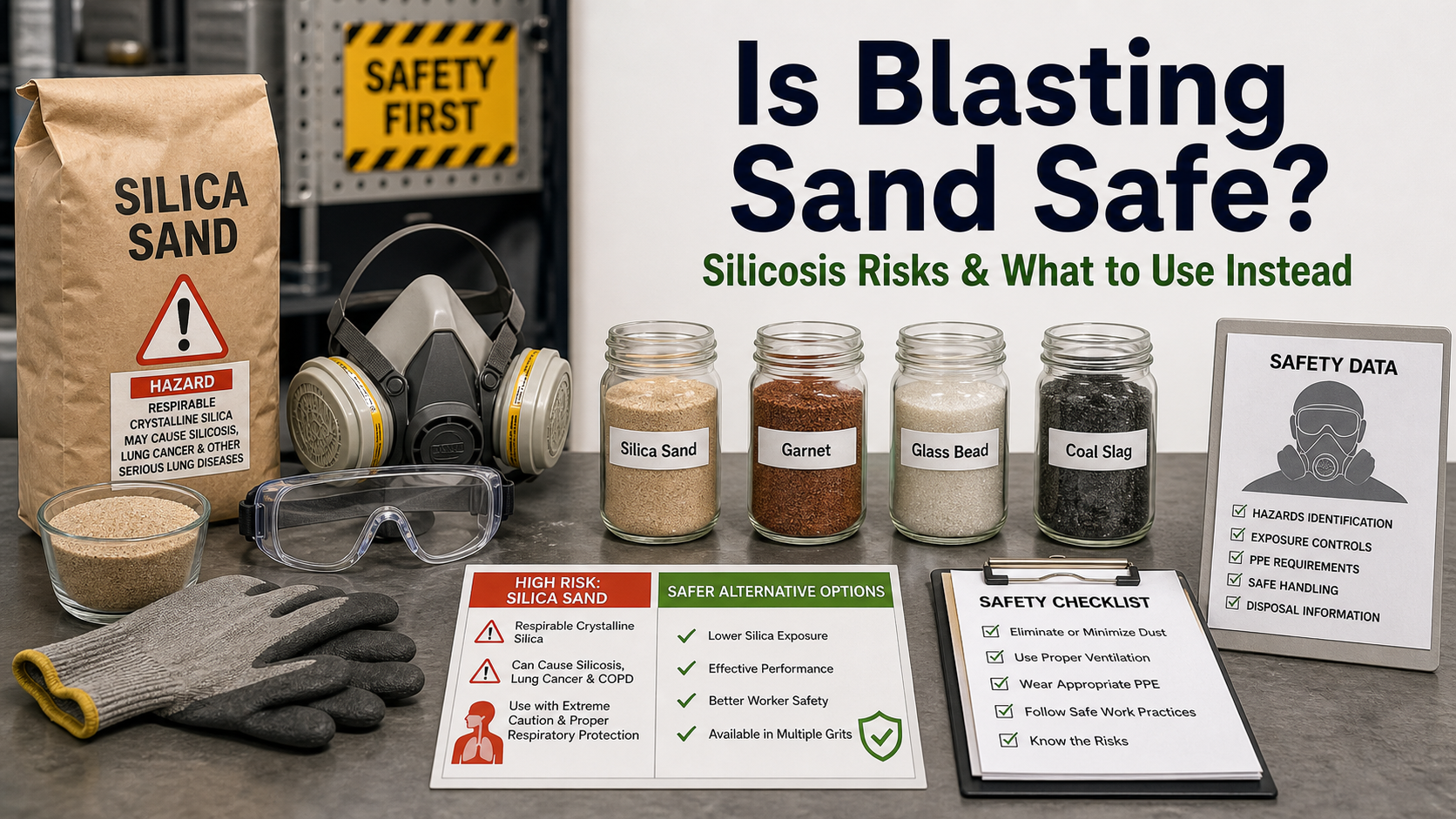
Abrasive media are at the heart of modern surface treatment processes. Whether the goal is deburring, polishing, rust removal, or shot peening, the performance and efficiency of the process largely depend on the choice of abrasive media.
Conducting an abrasive media comparison is therefore a critical step in industrial planning. Different types of abrasive media vary in hardness, wear resistance, cost, and suitability for specific applications. Selecting the wrong media can lead to inefficiencies, reduced product quality, or unnecessary costs.
This overview provides a systematic guide to abrasive media types, performance benchmarks, and industry use cases to help engineers and buyers make informed decisions.
Types of Abrasive Media
Abrasive media come in a wide range of materials, each engineered for specific characteristics and outcomes. Below is a breakdown of the most commonly used industrial abrasive media.
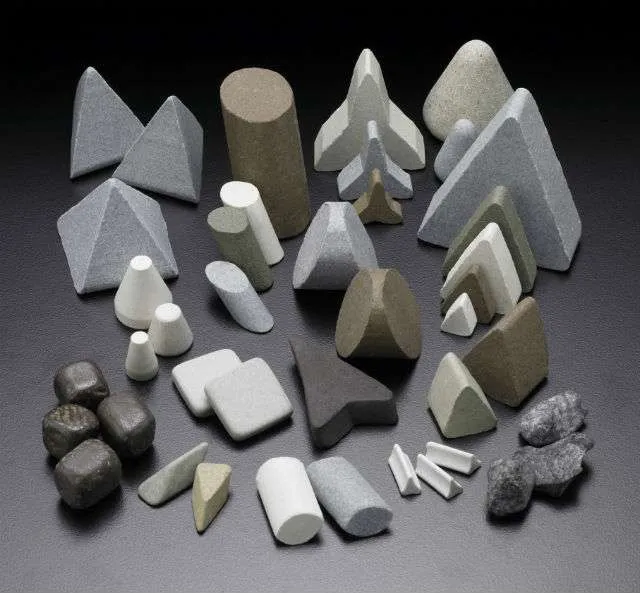
Supports en céramique
Ceramic media are manufactured from aluminum oxide and other ceramic materials. They are known for high hardness, excellent wear resistance, and consistent performance.
They are often used in mass finishing, vibratory finishing, and high-precision deburring processes. Their density provides aggressive cutting action, making them a preferred choice for aerospace and automotive industries.
For detailed comparisons, see our abrasive media selection guide.
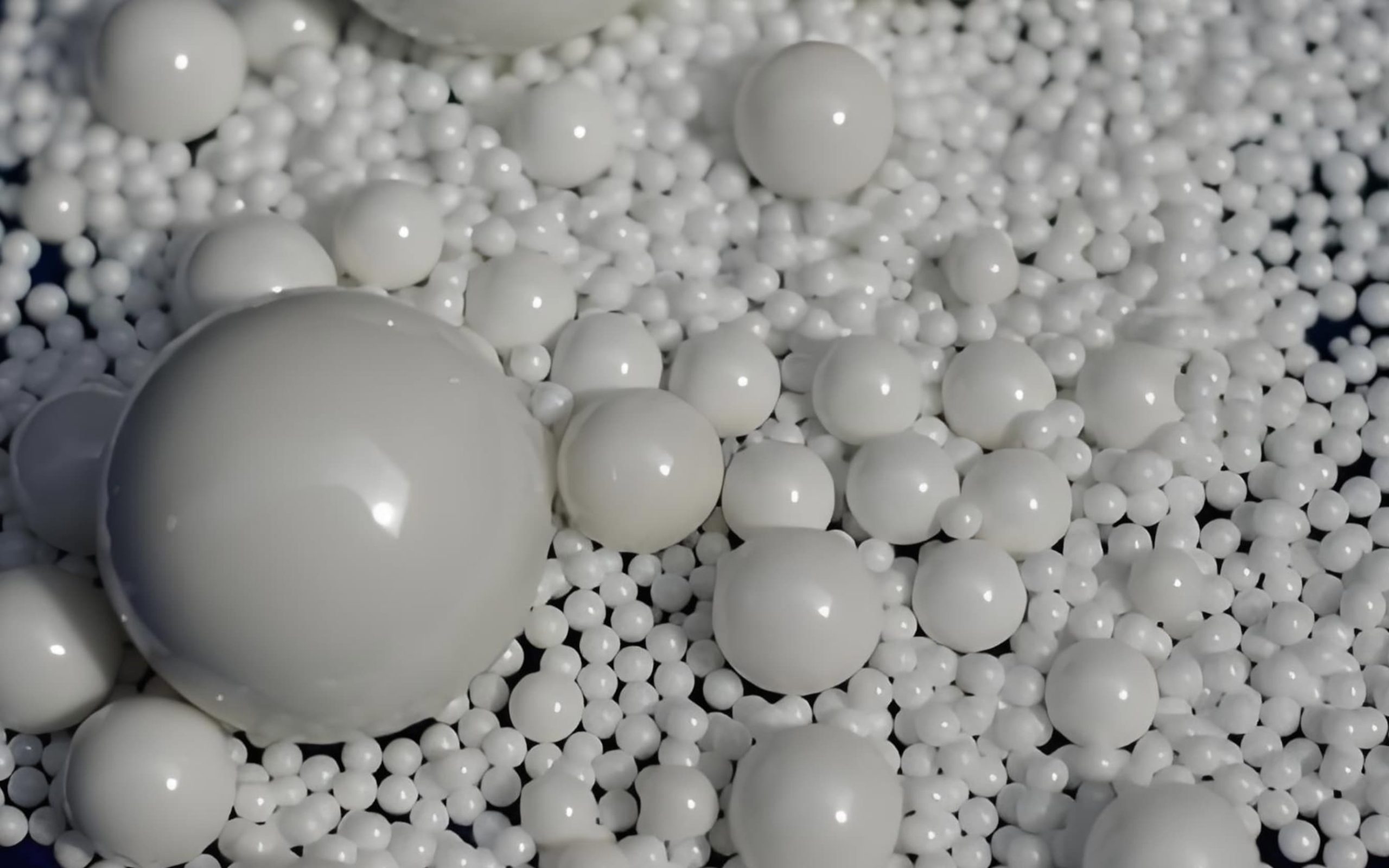
Perles en zircone
Zirconia beads are a premium choice, designed for maximum strength and durability. With superior hardness and density, they are suitable for high-energy milling, shot peening, and polishing of hard alloys.
They offer outstanding lifespan, reducing media replacement costs despite their higher upfront price. Zirconia beads are widely used in electronics, medical devices, and aerospace component finishing.
Oxyde d'aluminium
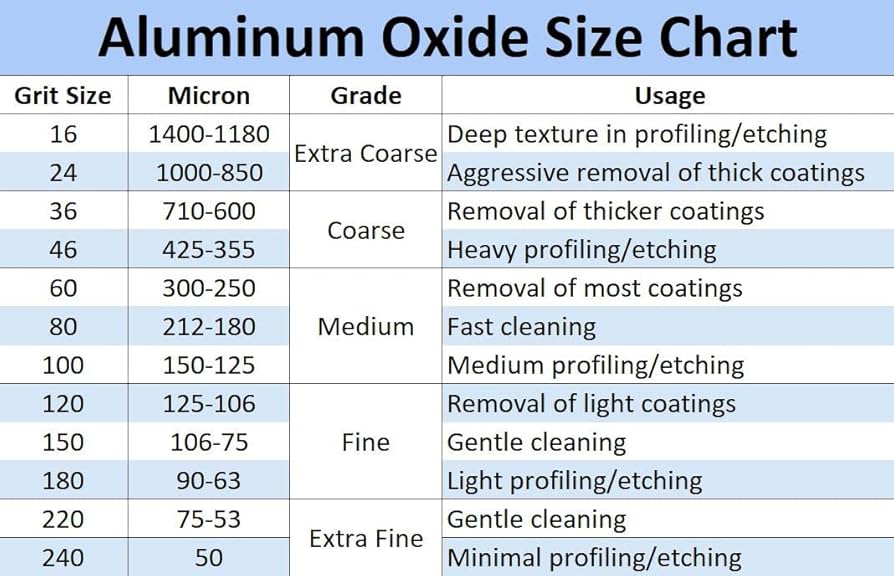
Aluminum oxide is one of the most versatile abrasive materials, available in various grit sizes. It provides excellent cutting ability and is cost-effective for blasting, grinding, and surface preparation.
Aluminum oxide media is often chosen when versatility and affordability are key requirements. It is a go-to material for general-purpose finishing across industries such as automotive repair, shipbuilding, and heavy machinery maintenance.
Supports en plastique
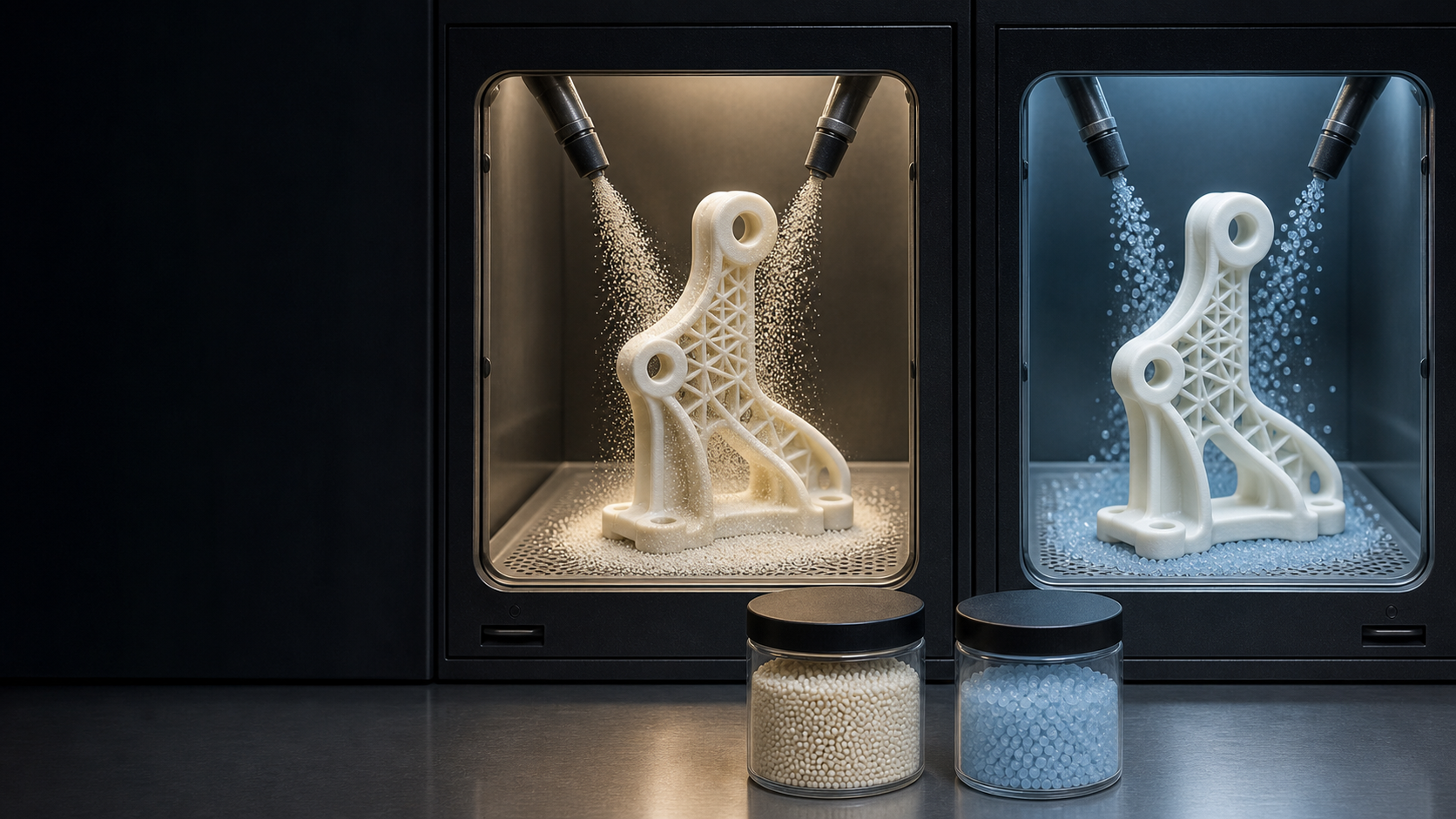
Plastic media is softer than ceramic or zirconia, making it ideal for delicate components where minimal surface damage is required.
It is particularly effective for light deburring, pre-paint surface preparation, and aerospace components made from aluminum or composites.
Its lower density also reduces stress on machinery, lowering equipment wear over time.
Performance Comparison Table
To provide a clearer picture of performance differences among abrasive media types, the following table summarizes their properties across key parameters:
| Type de média | Hardness (Mohs) | Résistance à l'usure | Applications typiques | Rapport coût-efficacité | Average Lifespan |
|---|---|---|---|---|---|
| Supports en céramique | 7 – 8 | Haut | Deburring, polishing, vibratory finishing | Medium | Long |
| Perles en zircone | 8 – 9 | Very High | Shot peening, precision polishing, aerospace | Low (High upfront cost) | Very Long |
| Oxyde d'aluminium | 9 | Medium | Blasting, grinding, general finishing | Haut | Medium |
| Supports en plastique | 3 – 4 | Faible | Delicate deburring, aerospace components | Medium | Short |
Download Full Comparison PDF for a detailed technical breakdown, including density, bulk cost per kilogram, and energy consumption efficiency.
Scénarios d'application
Choosing abrasive media is not just about hardness or cost; it is about matching the media to the application. Here are some common industrial use cases:
Ébavurage
For removing sharp edges and burrs from machined parts, ceramic media is often used due to its aggressive cutting ability. Plastic media can also be employed when working with delicate components such as aluminum aerospace parts.
Polissage
Zirconia beads are highly effective for achieving mirror-like finishes, especially in aerospace and electronics. Plastic media can be used for pre-paint preparation or achieving smooth but not overly aggressive finishes.
Enlèvement de la rouille
Aluminum oxide blasting is the go-to solution for rust removal in shipbuilding, automotive restoration, and industrial maintenance. Its sharp grains ensure quick and effective cleaning.
Grenaillage de précontrainte
Zirconia beads excel in shot peening processes, delivering high compressive stresses on surfaces to improve fatigue resistance of components such as turbine blades and automotive springs.
How to Choose
Selecting the right abrasive media involves evaluating the following:
- Material of the Workpiece: Hard metals may require zirconia or aluminum oxide, while softer materials benefit from plastic media.
- Desired Surface Finish: High-gloss finishes demand zirconia beads; functional finishes may use ceramic or aluminum oxide.
- Budget Constraints: Consider the balance between upfront media costs and long-term lifespan. Zirconia has high upfront costs but long durability; aluminum oxide is affordable but consumed faster.
- Process Type: Vibratory finishing, shot peening, blasting, and polishing each have different requirements.
FAQ
How do I choose abrasive media for deburring and polishing?
If your priority is aggressive material removal during deburring, ceramic media is often the most effective choice. For polishing, zirconia beads are preferred due to their ability to produce smooth and reflective finishes. For delicate components, plastic media offers a safe yet effective alternative.
Need expert advice? Request a Quote from our technical team to identify the most cost-effective media for your process.
Conclusion
An abrasive media comparison provides invaluable insight into selecting the right material for your industrial processes. Each media type has its strengths and trade-offs.
By analyzing hardness, wear resistance, application scenarios, and overall cost-benefit, manufacturers can achieve consistent surface quality while optimizing operational costs.
Remember, the right choice is application-specific, and consulting a detailed abrasive media selection guide can significantly improve decision-making outcomes.
Filtres