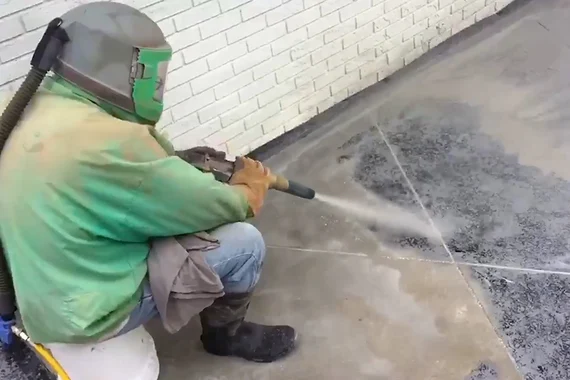
High-Quality Abrasive Solutions for Industrial Applications
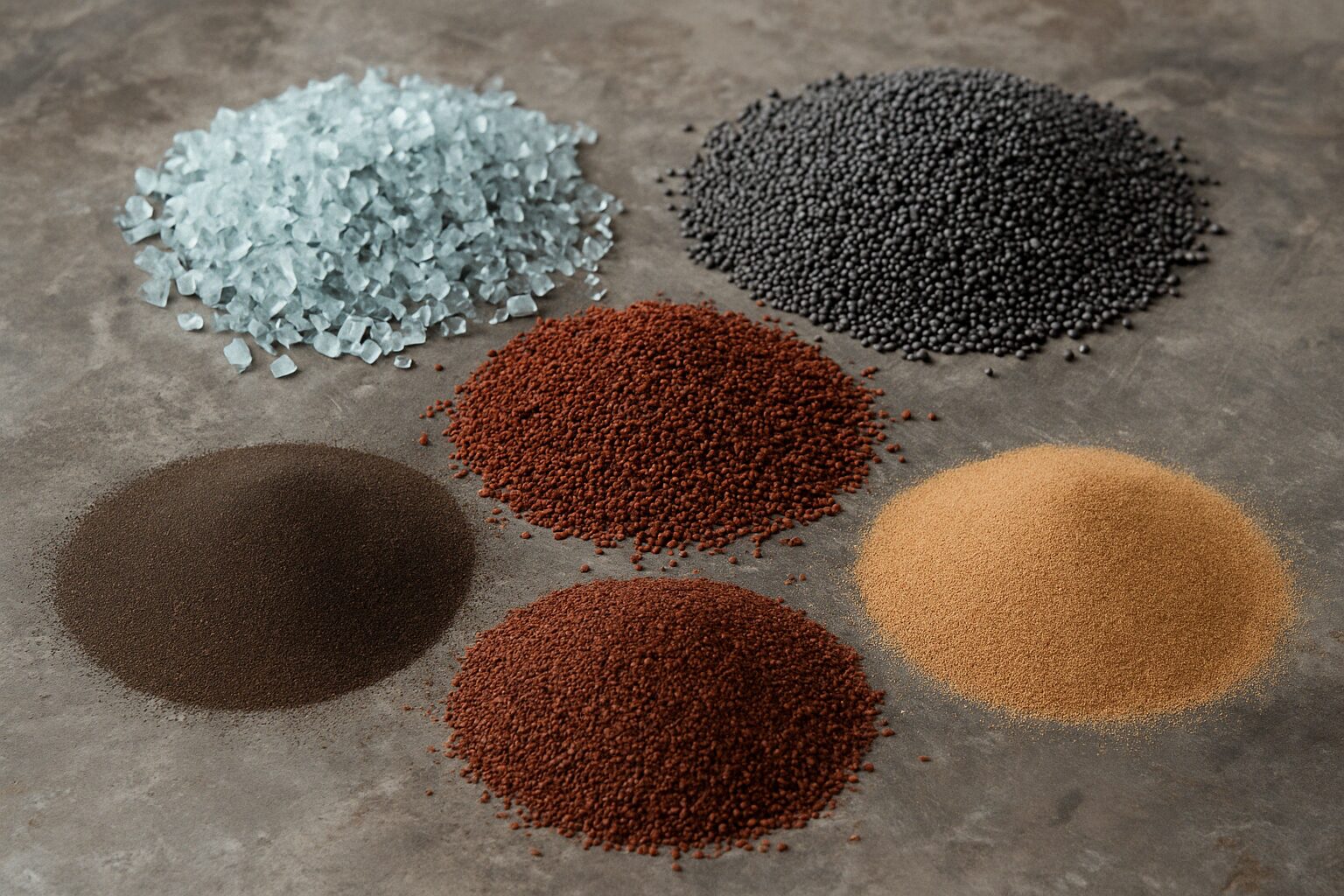
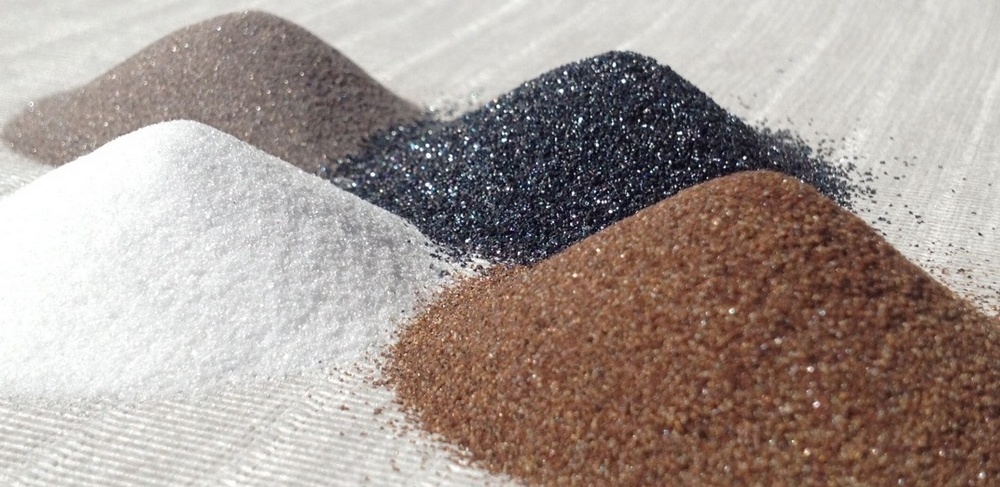
Ceramic media are engineered mineral-based abrasive shapes used widely in vibratory and tumbling finishing. They balance cutting performance and shape retention, making them a go-to for deburring, edge radiusing, and preparing parts for coating. Use ceramic when you need reliable, repeatable results and longer media life compared with cheaper abrasives.
Primary keywords: support en céramique, ceramic media uses. This page explains material, specs, shapes, common industrial applications, selection tips, and comparisons with other media families.
Table of Contents
What is Ceramic Media?
Définition: Supports en céramique are man-made abrasive pieces created from a blend of alumina, silica, and other ceramic-forming compounds, sintered at high temperatures. Compared to natural abrasives, ceramic media offer tighter control over hardness, porosity and fracture behavior, which yields more predictable finishing results.
Manufacturing overview: Typical production steps include blending raw powders, forming (pressing, extrusion, or molding), drying, and high-temperature sintering. Some grades receive additional treatments (impregnation, glazing) to alter cutting action or lifespan.
How they work: In vibratory or tumbling machines, ceramic media abrade parts by controlled fracturing and cutting of the media surface. The media’s engineered microstructure causes it to wear predictably, exposing fresh cutting edges over time — a key reason ceramic delivers consistent performance.

Types & Specifications
Ceramic media vary by composition, density, hardness and porosity. Below are common specification categories engineers request from suppliers.
- Grade / Hardness: Soft, medium, hard — often given as Mohs scale equivalents or manufacturer hardness ratings.
- Densité : Higher density increases impact energy and cutting ability.
- Porosity: Higher porosity can absorb compounds and water, affecting polishing behavior.
- Shape retention: Measured as percentage of original dimensions after N cycles.
- Contamination level: Especially important for aerospace/medical — specify pre-washed or low-ash grades.
Ask suppliers for technical datasheets specifying bulk density (g/cm³), average hardness, recommended RPM, and percent wear after X cycles (or parts processed).
Shapes, Sizes & Typical Grades
Shape matters. The geometry of ceramic media determines contact area, cutting style and how the media accesses small features.
Common shapes
- Cones & Cylinders: Good for edge rounding and inside features.
- Triangles / Trapezoids: Aggressive cutting, reach into pockets and complex contours.
- Spheres / Preforms: Softer action, good for polishing and uniform finishing.
- Grooved / Notched pieces: Increase abrasion points for faster stock removal.
Size classes
Suppliers usually list sizes in mm (e.g., 6–12 mm, 12–25 mm). Choose small sizes for small, intricate parts to avoid jamming or part-on-part contact; choose larger sizes for bulky components.
Practical tip: When trialing a new media size, run a small pilot batch and inspect bore/edge geometry and surface roughness (Ra) before committing to production.
Industrial Applications
Ceramic media are widely used because they strike a balance between aggressive cut and long life. Below are specific industry uses with short, actionable notes.
Automobile
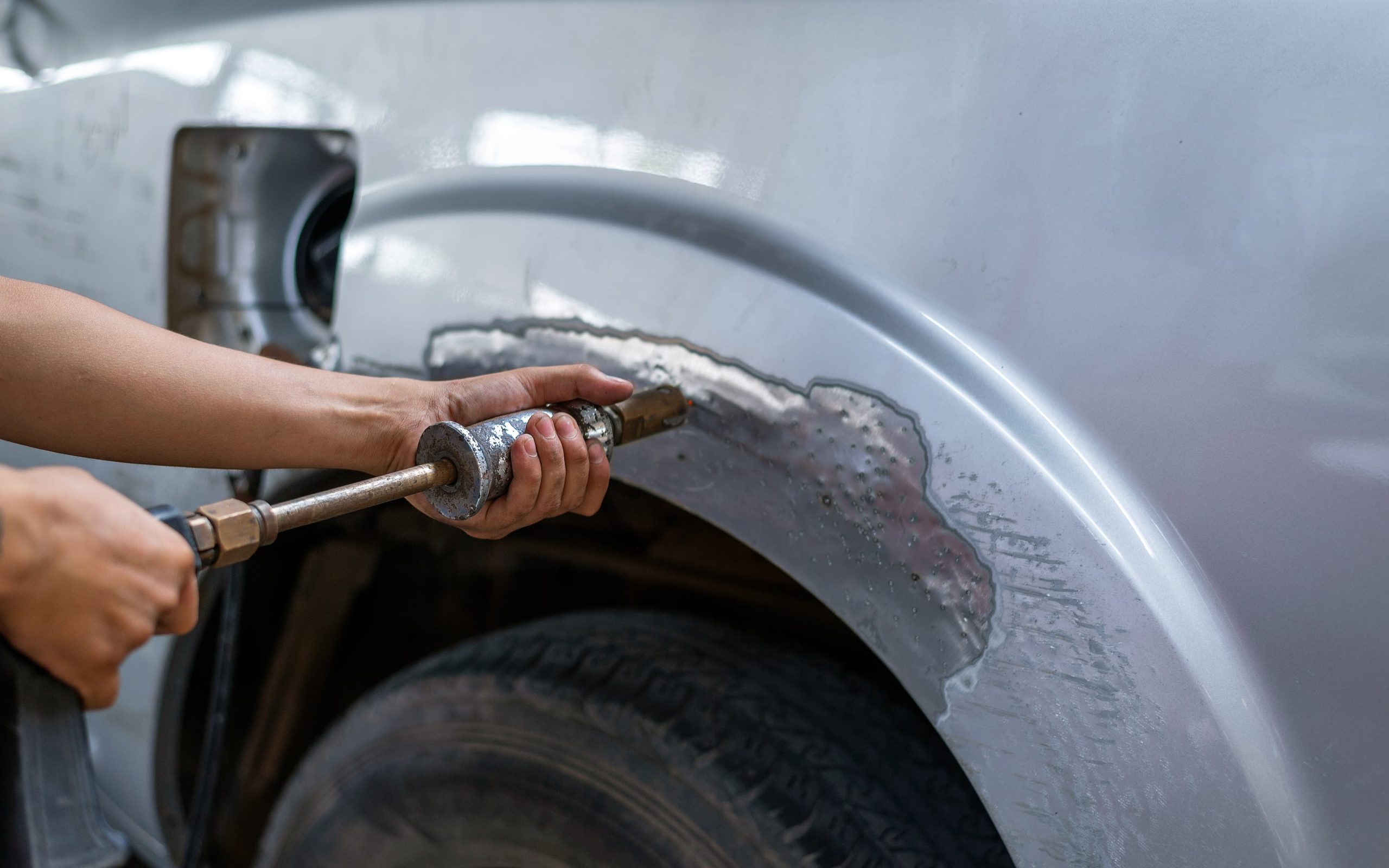
Use: Deburring castings, smoothing die-cast parts, finishing transmission components. Recommendation: medium-hard ceramic cones for cast aluminum; triangles for gearbox housings to reach cavities.
Aérospatiale
Use: Edge radiusing for fatigue-critical parts, ceramic grades selected for low contamination and consistent finish. Recommendation: pre-washed low-ash ceramic beads; monitor particulate carry-over.
Precision Metalworking & Electronics
Use: Removing burrs from machined housings, preparing surfaces for plating. Recommendation: fine spherical ceramic for gentle polishing; combine with compatible compounds for cosmetic finishes.

Advantages vs Other Media
Here’s how ceramic stacks up against the other families:
Ceramic vs Aluminum Oxide
Ceramic offers better shape retention and longer life in tumbling/vibratory processes; aluminum oxide cuts faster initially but wears quicker and is more consumable in volume-based processes (like blast + reclaim systems).
Ceramic vs Zirconia
Zirconia typically has higher durability and hardness. Choose zirconia for ultra-high durability and tight tolerance finishing; choose ceramic when you want a balance of cost vs life and slightly gentler cutting action.
Ceramic vs Plastic Media
Plastic media are softer and intended for cosmetic finishes and protecting plating. Ceramic is significantly more aggressive and used where material removal or robust deburring is required.
Internal link: For a full head-to-head metrics page, see our Media Comparison page.
How to Choose Ceramic Media — Practical Selection Guide
Follow this checklist when selecting ceramic media for a job:
- Define finish goal: burr removal, radiusing, matte finish or polishing? Quantify target metrics (e.g., remove 0.1 mm burr; achieve Ra ≤ 0.8 μm).
- Match substrate: aluminum vs steel — choose lower aggressiveness for soft metals to prevent geometry change.
- Pick shape & size: Shape that can access part geometry; size to avoid jamming and minimize part-on-part contact.
- Trial and measure: Run a 50–200 piece pilot, measure dimensional change, surface roughness, visual quality, cycle time.
- Check lifecycle: Ask supplier for expected cycles to replacement and percent wear metrics.
- Monitor contamination: For critical parts, require pre-washed/graded media and post-wash procedures.
Example selection: For deburring a steel machined bracket with 0.2 mm burrs and medium tolerance, start with medium-hard triangular ceramic 12–18 mm, 2–3 min pilot cycles at recommended RPM, then adjust.
Sample Product Specification Table (Example)
Replace the example values below with supplier datasheet numbers when publishing.
| SKU / Product Name | Shape | Taille (mm) | Densité (g/cm³) | Hardness (approx.) | Recommended Use |
|---|---|---|---|---|---|
| CER-101 | Triangle | 8–12 | 2.4 | Modéré | General deburring — castings |
| CER-205 | Cone | 12–20 | 2.6 | Haut | Edge radiusing — precision parts |
| CER-310 | Sphère | 4–8 | 2.2 | Fine | Polishing, cosmetics |
When you request quotes, ask suppliers to provide certified test data: percent wear after X cycles, particle size distribution, and recommended machine parameters (RPM/flow rate).
Frequently Asked Questions (FAQ)
Q: Are ceramic media suitable for stainless steel parts?
A: Yes. Choose grades that avoid excessive embedding of particles and ensure proper post-process cleaning to meet corrosion resistance requirements.
Q: How do I reduce media dust and residue?
A: Use pre-washed media, control water and compound concentrations, and install dust extraction. Periodic rinsing and sieving extend media life and reduce contamination.
Q: What is the typical lifecycle cost comparison with ceramic vs aluminum oxide?
A: Ceramic often has higher unit cost but longer usable life in vibratory/tumble systems; aluminum oxide is cheaper per kg but consumed faster. Compare on a per-part processed basis.
Q: Can ceramic media be reconditioned?
A: Some facilities screen and recondition media (sieving, washing). However, once media fracture beyond acceptable shape, replacement is required to maintain finish consistency.
About the Author
Alex Wang — Materials & Surface Finishing Engineer with 12+ years specifying media and running pilot finishing lines for automotive OEMs and aerospace suppliers. Certifications: Surface Engineering Professional (SEP). Hands-on experience in vibratory finishing, tumbling, and blast systems.
References & Further Reading
Filtres