How Sandblasting Works: Pressure, Nozzle Distance & Angle Parameters
Four operator-controlled parameters — pressure, distance, angle, and dwell time — determine whether a sandblasted surface meets specification or fails QC. This guide explains the physics, the practical ranges, and how the parameters interact.
The Four-Parameter Model
Sandblasting outcomes are governed by four operator-controlled variables: pressure, nozzle distance, impact angle, and dwell time. Hold the abrasive media constant, and these four parameters alone explain the difference between a coating-grade Ra 2.5 µm profile and a rejected Ra 5.5 µm over-blast.
For the broader specification framework — Ra targets, cleanliness standards, and downstream coating requirements — see the pillar guide on sand blasted surface specification.
Parameter 1: Blast Pressure
Blast pressure determines velocity. At 90 psi (the most common production pressure), aluminum oxide particles reach approximately 150 m/s. Each 10 psi increase delivers roughly 8% more velocity and 17% more kinetic energy per particle.
| Pressure | Velocity | Efecto |
|---|---|---|
| 60 psi | ~110 m/s | Gentle blast for aluminum, brass; minimal media breakdown |
| 80 psi | ~135 m/s | Standard for cosmetic and pre-coating work |
| 90 psi | ~150 m/s | Industry default for coating preparation on carbon steel |
| 110 psi | ~175 m/s | Aggressive for heavy mill scale removal; rapid media breakdown |
Pressure must be measured at the nozzle, not the compressor. A 100-foot hose and worn nozzle can drop pressure by 20 psi. Inline pressure gauges at the hand-piece are mandatory for any process-controlled blast operation.
Parameter 2: Nozzle-to-Work Distance
Distance controls two simultaneous effects: impact intensity (decreases with distance) and spread pattern diameter (increases with distance). The two effects combine to produce an optimum working distance, typically 250–350 mm.
- Too close (< 150 mm): Energy excessive, profile over-deep, rapid nozzle wear.
- Optimum (250–350 mm): Balanced energy and coverage.
- Too far (> 500 mm): Energy drops below threshold; particles glance off contaminants without removing them.
Parameter 3: Impact Angle
90° Perpendicular
- Maximum crater depth
- Risk of media embedment
- Used for deep cleaning
75° Optimum
- Best balance of cutting and clearance
- Minimal embedment
- Production default
45° Glancing
- Highest material removal rate
- Shallower profile
- Used for paint stripping
The 75° optimum produces the longest mean free path for fractured media to escape the impact zone, which directly reduces embedment. Embedment is one of the most common defects identified in our reference on common sand blasted surface defects.
Parameter 4: Dwell Time and Overlap
The fourth parameter is most often left to operator judgment and most often responsible for visible defects. Dwell time controls energy delivered per unit area; overlap pattern controls whether that energy is distributed uniformly.
A typical production overlap pattern moves the nozzle in parallel passes with each pass overlapping the previous by 50%. At 200 mm/sec with a 75 mm spray pattern, this delivers approximately 0.4 seconds of dwell on every point of the surface.
Common dwell-related defects:
- Visible band pattern — overlap less than 50%
- Polished craters — excessive dwell creates shiny over-blasted spots
- Untreated patches — incomplete coverage
Automation eliminates most dwell-related defects by enforcing constant traverse speed. Manual operations rely on operator training and standardized overlap patterns. Inspection protocols for catching these defects are covered in our guide on sand blasted surface inspection and acceptance.
How the Four Parameters Interact
The four parameters do not act independently. A pressure increase deepens the profile only if dwell time is constant; reducing dwell at higher pressure can produce the same Ra at lower media consumption.
A practical production recipe holds three parameters constant and varies the fourth. For example, to produce Ra 2.5 µm with garnet 30/60 mesh on mild steel:
- Pressure: 90 psi at the nozzle
- Distance: 300 mm
- Angle: 75°
- Operator speed: ~200 mm/sec with 50% overlap
Adjustments are made by varying operator speed only, which keeps media consumption and nozzle wear predictable. Specifications that lock all four parameters are detailed in our template on how to write a sand blasted surface spec for suppliers.
Preguntas frecuentes
What is the optimal pressure for sandblasting?
90 psi (6.2 bar) measured at the nozzle is the industry default for coating preparation on carbon steel. Soft substrates like aluminum may run 60–80 psi; aggressive mill scale removal may go to 110 psi.
How far should the sandblasting nozzle be from the surface?
The standard production range is 250–350 mm. Closer than 150 mm causes over-blasting; further than 500 mm causes incomplete cleaning. Optimum varies with nozzle bore and pressure.
What angle should I sandblast at?
75° is the production default. It balances cutting efficiency with media clearance, minimizing embedment risk. 90° is used for deep cleaning; 45° for paint stripping.
Why is my blast pattern leaving streaks?
Streaking is almost always an overlap problem. Operators moving too quickly leave less than 50% overlap between adjacent passes, producing visible bands of different texture density.
Can higher pressure compensate for worn media?
Temporarily, but at high cost. Worn media requires more energy for the same profile, so pressure restores the Ra target. However, worn media fractures more readily at higher pressure, accelerating consumption. Replacing media is more economical.
Request an Abrasive Blasting Media Sample
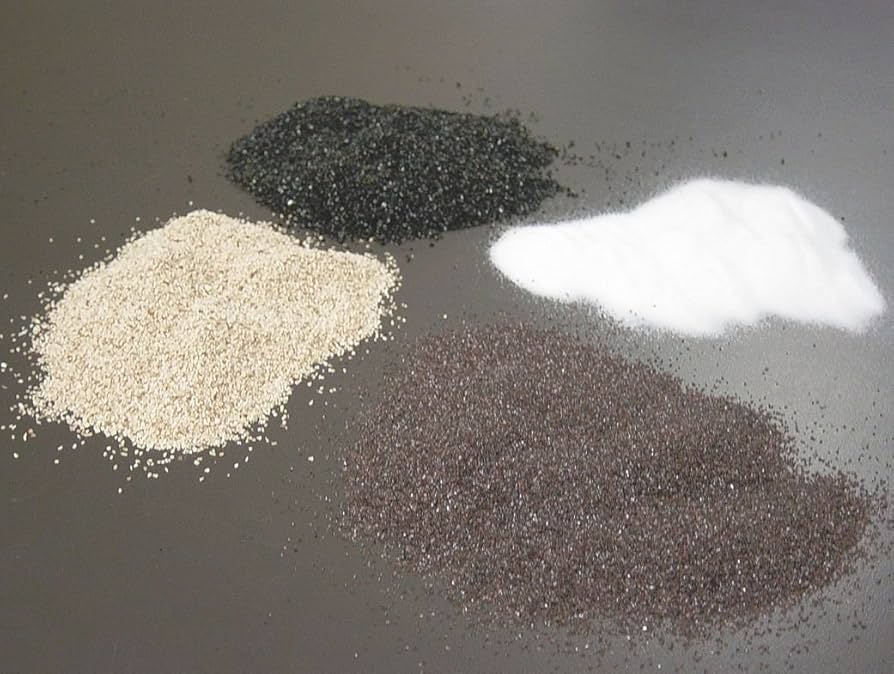
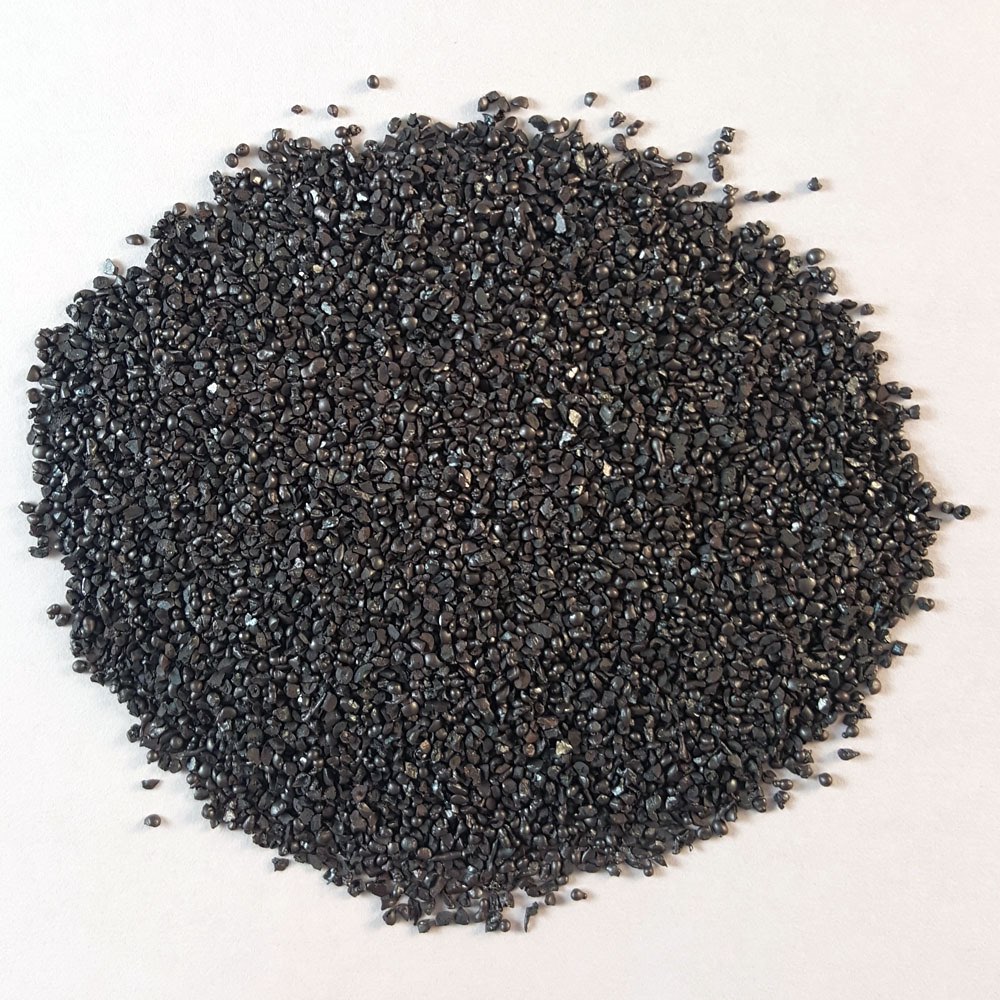
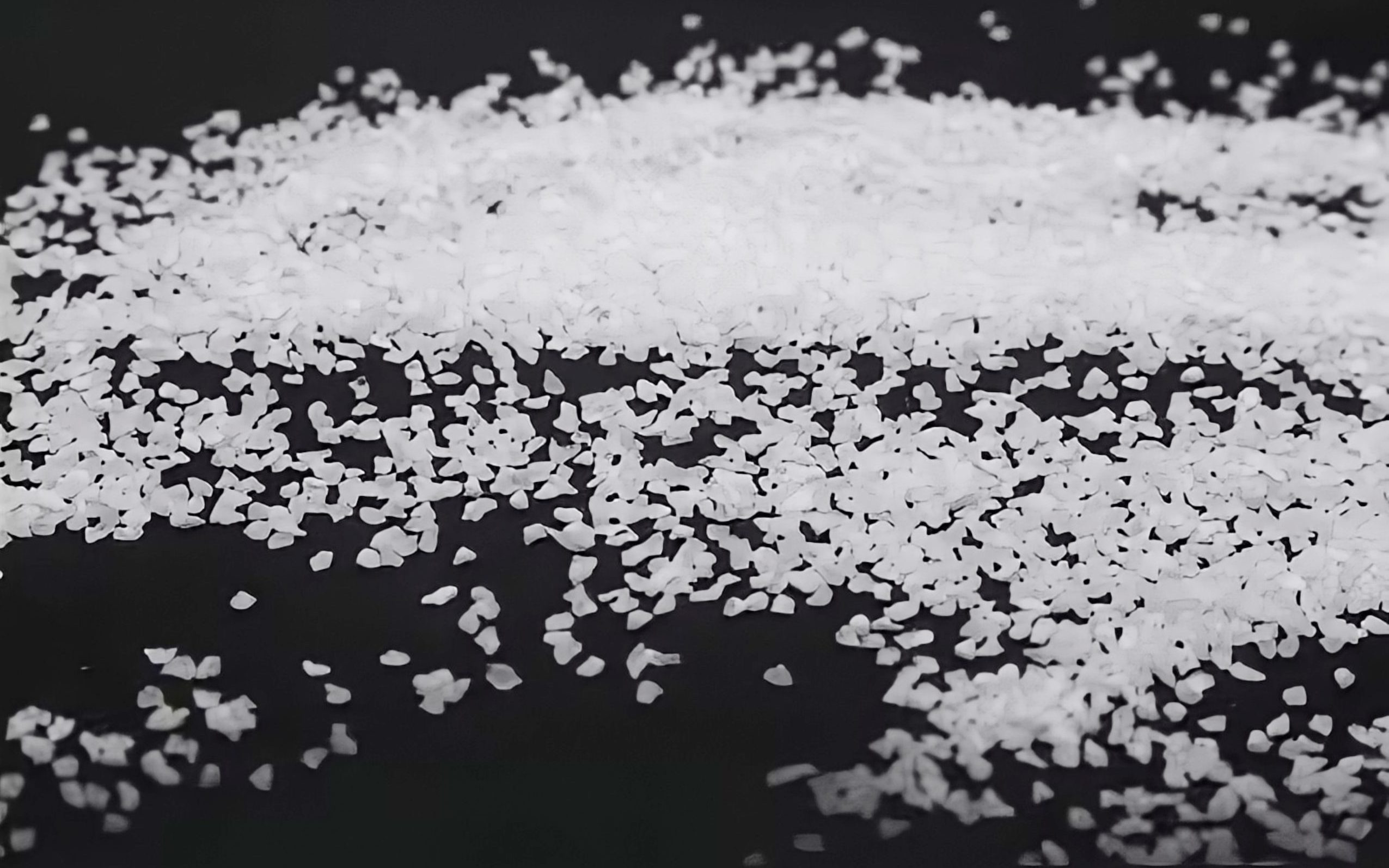
Jiangsu Henglihong Technology Co., Ltd. supplies certified aluminum oxide, garnet, glass bead, steel grit, and steel shot to global industrial buyers. Request a sample with full batch documentation for technical evaluation.
Request a Sample →Filtros