Glass Bead Blasting Media: Finish Quality, Mesh Sizes & Equipment Compatibility
A complete technical guide to glass bead abrasive blasting media — covering spherical particle properties, mesh size selection, achievable surface finishes, and compatibility with common blasting equipment and cabinet systems.
What Is Glass Bead Blasting Media?
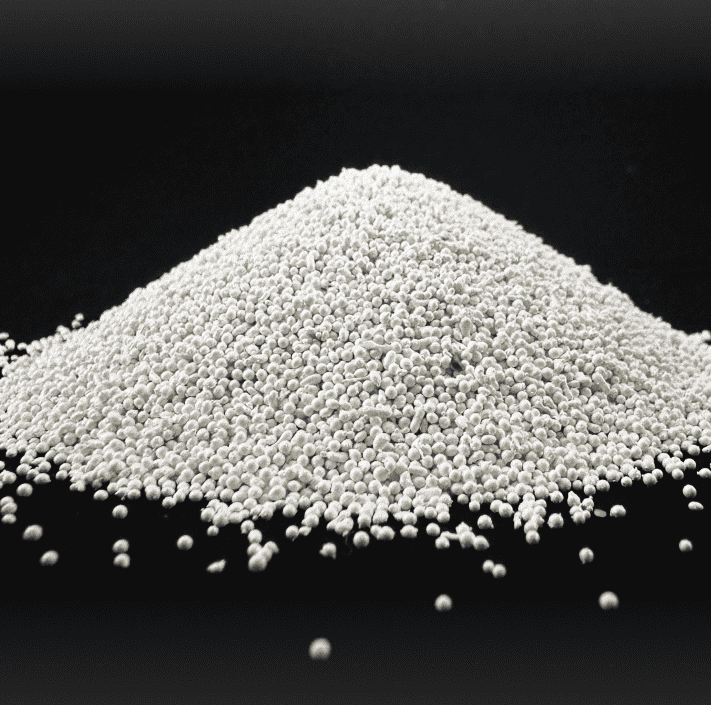
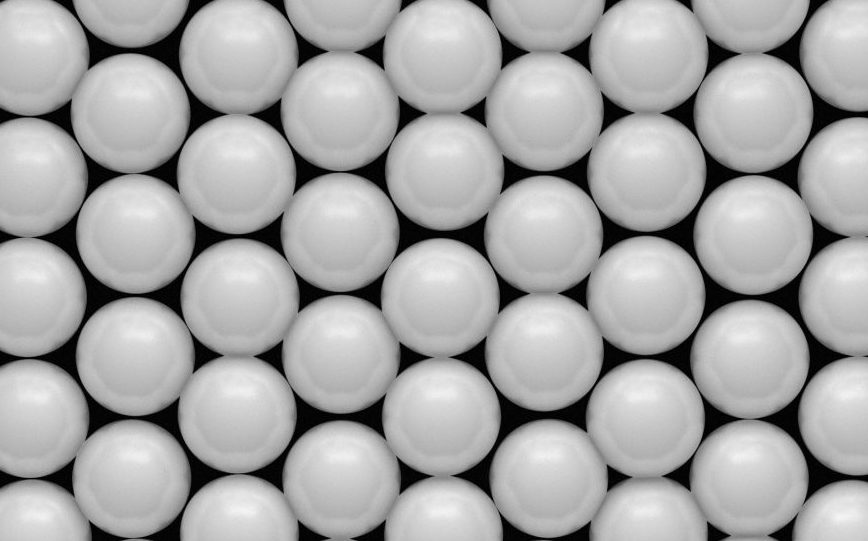
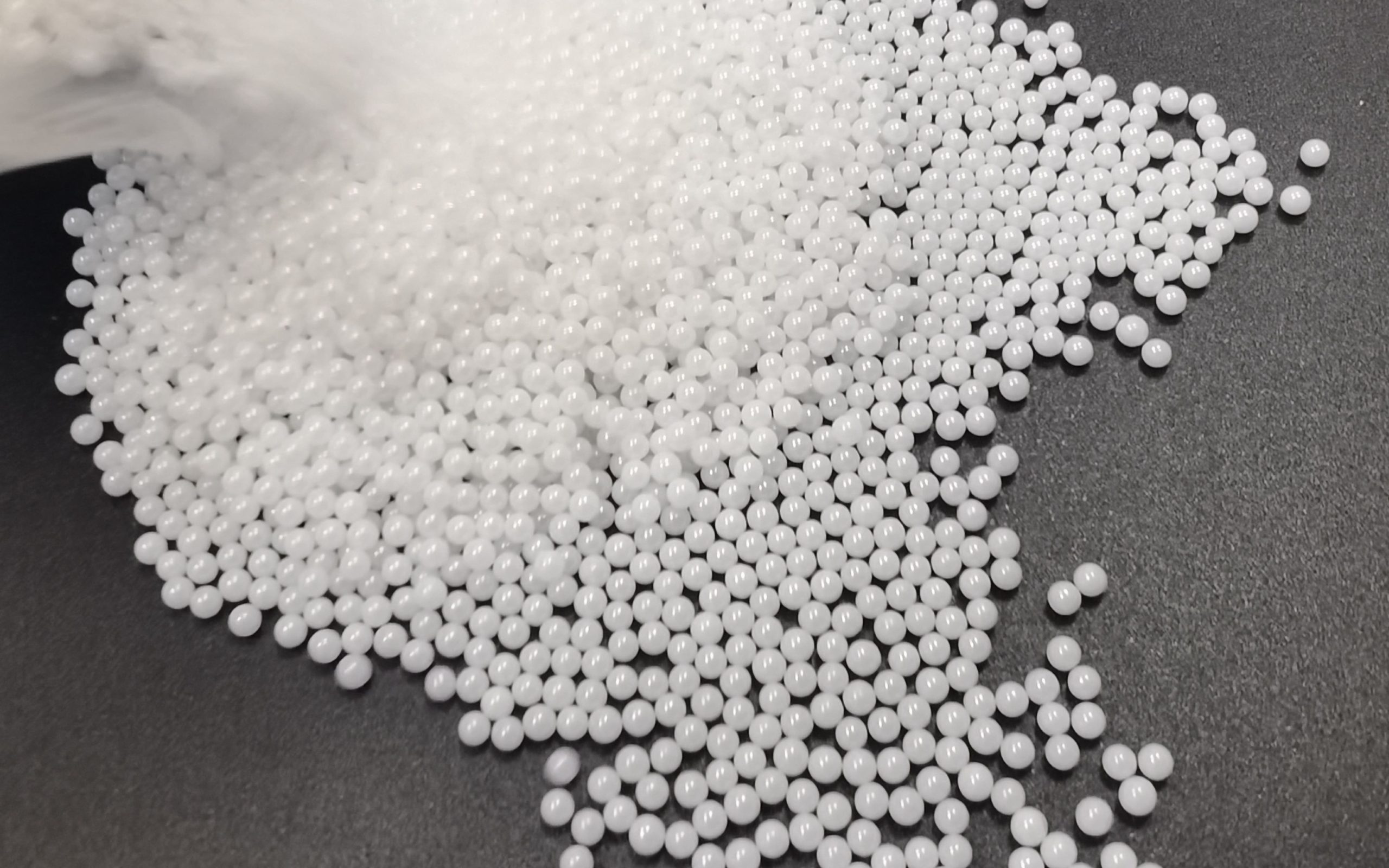
Glass bead blasting media consists of small, perfectly spherical particles manufactured from lead-free soda-lime glass. Unlike angular abrasives that cut and profile surfaces, glass beads work by a fundamentally different mechanism — they peen the surface through repetitive spherical impact, compressing the surface layer without removing significant material and producing a smooth, bright, non-directional satin finish.
This unique peening action makes glass beads the preferred choice for applications where the goal is surface improvement without dimensional alteration: shot peening for fatigue life enhancement, decorative finishing of stainless steel and aluminum, cleaning delicate precision components, and preparing non-ferrous substrates for anodizing or plating.
Glass beads are chemically inert, iron-free, and lead-free, making them safe for use on stainless steel, food-contact surfaces, medical devices, and other applications where contamination from the blasting media itself is unacceptable. Jiangsu Henglihong Technology supplies glass beads across the full range of mesh sizes used in industrial blasting, with consistent sphericity and particle size distribution certified by batch-level quality documentation.
For an overview of how glass beads compare to all other blast media types, refer to the Abrasive Blasting Media Complete Guide.
Key Physical Properties of Glass Bead Blasting Media
| Property | Value / Range |
|---|---|
| Composition | Soda-lime glass (SiO₂, Na₂O, CaO, MgO) — lead-free |
| Mohs hardness | 5.5–6.0 |
| Shape | Spherical (roundness typically >90% per MIL-G-9954) |
| True density | 2.45–2.55 g/cm³ |
| Densidad aparente | 1.45–1.55 g/cm³ |
| Refractive index | 1.51–1.52 |
| Resistencia química | Inert to most acids, alkalis, and solvents |
| Iron content | None (iron-free) |
| Lead content | None (lead-free) |
| Available mesh sizes | US 20 – US 400 (diameter approx. 37–850 µm) |
| Typical reuse cycles | 3–6× |
| Applicable standards | MIL-G-9954A, AMS 2431, SAE J1173 |
The defining characteristic of glass beads as a blast media is their spherical shape. Sphericity determines how the particle transfers energy to the surface upon impact: a perfect sphere produces a symmetrical dimple with compressive stress in all radial directions — this is the “peen” effect. Any deviation from perfect sphericity (broken beads, angular fragments) produces localized cutting rather than peening, which is why quality glass beads specify a roundness threshold of at least 90% intact spheres, and good reclaim systems continuously remove fractured beads before they enter the active blasting cycle.
Surface Finish Quality: What Glass Bead Blasting Produces
The finish produced by glass bead blasting is unlike any produced by angular abrasives. Where angular media creates a directional, rough, anchor-profile surface, glass beads create a non-directional, uniform, bright satin finish — visually similar to a frosted appearance on metal, with a consistent micro-texture visible at close inspection but appearing smooth and reflective from normal viewing distance.
Key characteristics of a glass-bead-blasted surface:
- Non-directional finish: The pattern of overlapping spherical dimples has no grain direction, giving the surface an isotropic appearance — it looks identical from all viewing angles.
- Bright satin sheen: The compressed, dimpled surface reflects light diffusely, producing a bright but non-mirror finish. The exact brightness level is controlled by bead size — finer beads produce brighter, more mirror-like results.
- Compressive surface stress: The peening action introduces compressive residual stress in the surface layer, which improves fatigue life and resistance to stress corrosion cracking.
- Dimensional integrity: Glass bead blasting removes essentially no measurable material from the substrate. Critical dimensions on precision parts are preserved within measurement tolerance.
- Ra range: 0.4–3.2 µm depending on bead size and blasting parameters. Finer beads and lower pressure produce smoother surfaces (lower Ra); coarser beads and higher pressure produce slightly rougher finishes (higher Ra).
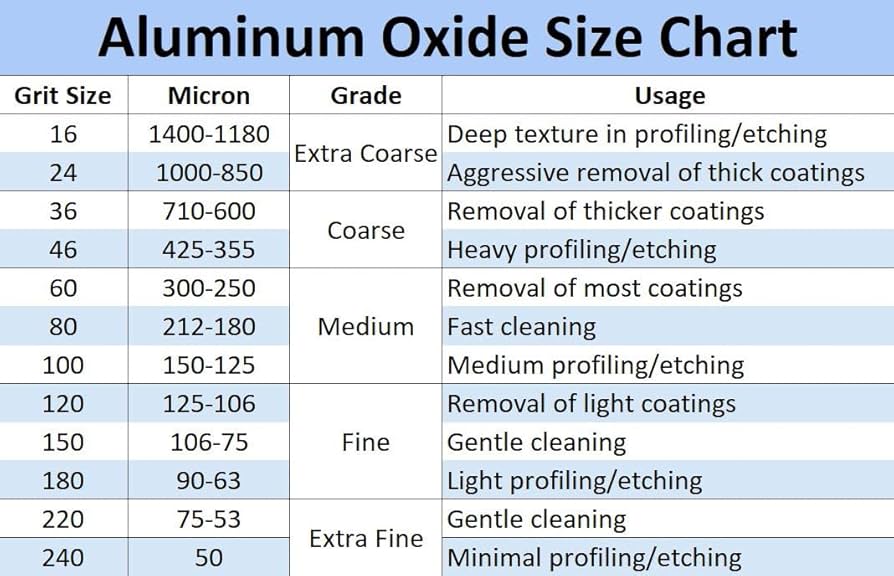
Angular media (aluminum oxide, silicon carbide, steel grit) cuts into the surface, removing material and creating a rough anchor profile. Spherical media (glass beads, steel shot) compress the surface without cutting, producing a smooth peened finish. If your goal is coating adhesion, you need an angular media anchor profile. If your goal is a decorative satin finish, shot peening, or cleaning without dimension change, glass beads are the right choice. See: Angular vs Round Blasting Media: Surface Profile & Finish Differences.
Glass Bead Mesh Size Chart
Glass bead sizing is expressed in US mesh (sieve size) or in micron diameter. The following table covers the full range of industrially available sizes with corresponding particle diameters, surface roughness values, and primary applications. For cross-referencing with other sizing standards, see the Blasting Media Grit Size & Mesh Size Guide.
| US Mesh Size | Diameter (µm) | Surface Ra (µm) | Primary Application |
|---|---|---|---|
| US 20–40 | 425–850 | 2.0–3.2 | Heavy peening, aggressive cleaning, thick rust removal |
| US 40–70 | 212–425 | 1.2–2.5 | General industrial peening, casting cleaning |
| US 70–100 | 150-212 | 0.8–1.8 | Standard cleaning and peening of steel and aluminum components |
| US 100–170 | 90–150 | 0.6–1.2 | Decorative stainless steel finishing, precision component cleaning |
| US 170–200 | 75–90 | 0.4–0.8 | Fine satin finish on non-ferrous metals, medical device cleaning |
| US 200–325 | 45–75 | 0.3–0.6 | Ultra-fine finishing, optical component surface treatment |
| US 325–400 | 37–45 | <0.4 | Precision lapping, semiconductor component preparation |
For the majority of decorative finishing on stainless steel, cleaning precision machined parts, and general industrial peening work, glass beads in the US 100–170 mesh range (90–150 µm diameter) represent the best balance of finish quality, processing speed, and equipment compatibility. This range is specified in most MIL-spec and AMS-spec peening applications as the standard baseline.
Compatibilidad de equipos
Glass beads are compatible with the full range of blasting equipment types, but specific equipment settings must be adjusted to account for their lower density and spherical shape compared to angular abrasives.
Blasting Cabinets (Pressure & Suction)
Pressure blasting cabinets (where media is propelled by direct air pressure) and suction (siphon) cabinets are both compatible with glass beads. Pressure systems provide more consistent, controllable blasting parameters and are preferred for precision peening and decorative finishing applications. Key settings adjustments when switching to glass beads from angular media include:
- Pressure: Reduce blasting pressure compared to angular media. Glass bead applications typically use 40–80 PSI (2.8–5.5 bar); excessive pressure causes higher bead fracture rates and reduces finish uniformity.
- Nozzle selection: Use ceramic or boron carbide nozzles rated for the particle size in use. Venturi nozzles maintain media velocity more efficiently than straight-bore nozzles for glass beads.
- Media flow rate: Glass beads have lower bulk density than angular media; adjust metering valves to achieve the correct media-to-air ratio for the nozzle size being used.
Wheel Blasting Systems
Centrifugal wheel blasting systems are compatible with glass beads but require careful wheel speed selection to avoid excessive bead fracture. Glass beads’ lower hardness (Mohs 5.5–6) means they are more susceptible to fracture on the wheel paddles than steel shot. Wheel speed should be calibrated to the minimum velocity required to achieve the desired peening intensity. Reclaim systems must include efficient fine-particle separation to remove fractured bead fragments promptly.
Wet Blasting (Vapor Blasting) Systems
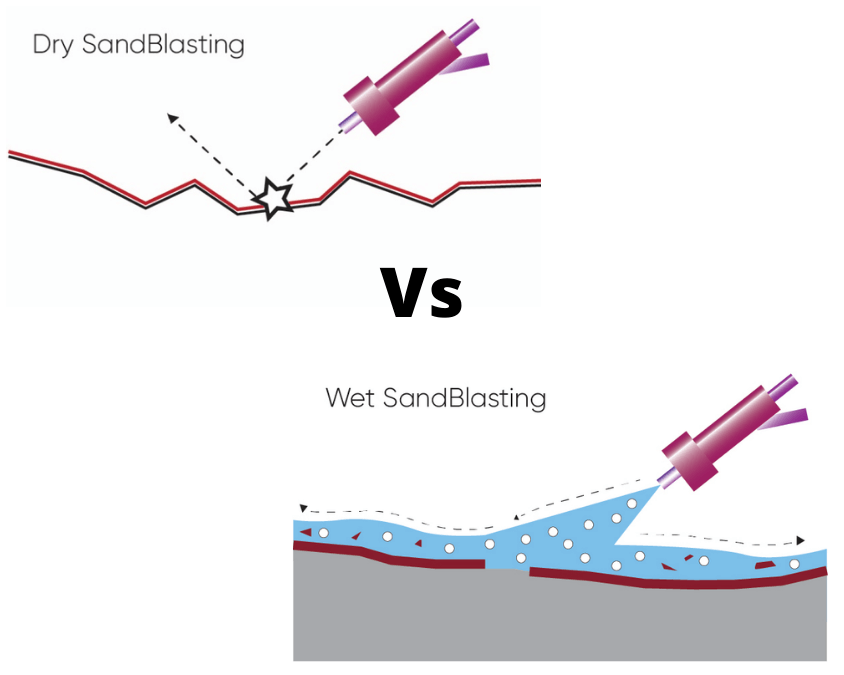
Glass beads are among the best-performing media in wet blasting systems. The water component in vapor blasting cushions particle impact slightly, enabling even finer surface finishes than achievable in dry blasting with the same bead size. Wet glass bead blasting is widely used for producing the ultra-smooth satin finishes required on motorcycle engine casings, hydraulic components, and precision aluminum aerospace parts. For more on wet versus dry blasting: Wet Blasting vs Dry Blasting Media: Which Method Is Right for You?
Reusability & Reclaim
Glass beads can be recycled 3 to 6 times under a properly maintained reclaim system. The primary degradation mechanism is fracture: each time a bead impacts a surface, there is a probability of breakage, producing angular glass fragments. These fragments must be continuously removed by the reclaim system because they will produce a scratched, inconsistent finish rather than the smooth peened finish that glass beads are selected for.
An effective glass bead reclaim system should include an air wash classifier o spiral separator calibrated to remove particles below the minimum acceptable spherical diameter, plus dust collection to handle the fine glass powder generated by bead fracture. The recovered media returning to the blast cycle should consist predominantly of intact spheres to maintain finish consistency.
Aplicaciones industriales
Aerospace Shot Peening
Shot peening with glass beads is a controlled process used to extend the fatigue life of aerospace components — turbine blades, landing gear components, structural fasteners, and spring assemblies. The compressive residual stress introduced by peening retards crack initiation and propagation, extending component service life. This process is governed by strict specifications including AMS 2431 and MIL-S-13165, which define bead size, velocity, coverage percentage, and Almen intensity (a measure of peening intensity).
Stainless Steel Decorative Finishing
Stainless steel architectural panels, food processing equipment, medical instrument trays, and consumer appliance housings are routinely finished with glass bead blasting to achieve the uniform satin appearance specified by designers and required by hygiene standards. The iron-free nature of glass beads is essential in this application — any iron contamination of a passivated stainless surface can initiate corrosion that destroys the material’s corrosion resistance.
Medical Device & Pharmaceutical Equipment Cleaning
Precision surgical instruments, implant components, and pharmaceutical processing equipment require surface cleaning that removes machining residues, burrs, and contamination without altering critical dimensions or leaving abrasive residue. Fine glass beads (US 170–325 mesh) accomplish this effectively. Their chemical inertness and lead-free composition are prerequisites in these regulated environments.
Automotive & Motorcycle Engine Components
Engine blocks, cylinder heads, connecting rods, and crankshafts are routinely glass bead blasted to clean and condition surfaces for inspection, reconditioning, or reassembly. The uniform satin finish produced improves the professional appearance of rebuilt engines and reveals surface defects that would be hidden by rougher blasting methods.
Glass Beads vs Other Blast Media
| Media | Shape | Mohs | Finish Type | Iron Contamination | Dimension Change | Best For |
|---|---|---|---|---|---|---|
| Cuentas de vidrio | Spherical | 5.5–6 | Bright satin peen | Ninguno | Minimal | Peening, decorative, stainless, medical |
| Disparo de acero | Spherical | 7–8 | Peened, dimpled | Yes | Minimal | High-volume peening, heavy steel |
| Óxido de aluminio | Angular | 9 | Rough anchor profile | Brown: yes | Significant | Coating prep, thermal spray |
| Carburo de silicio | Angular | 9–9.5 | Deep anchor profile | Ninguno | Significant | Ceramics, hardened steel |
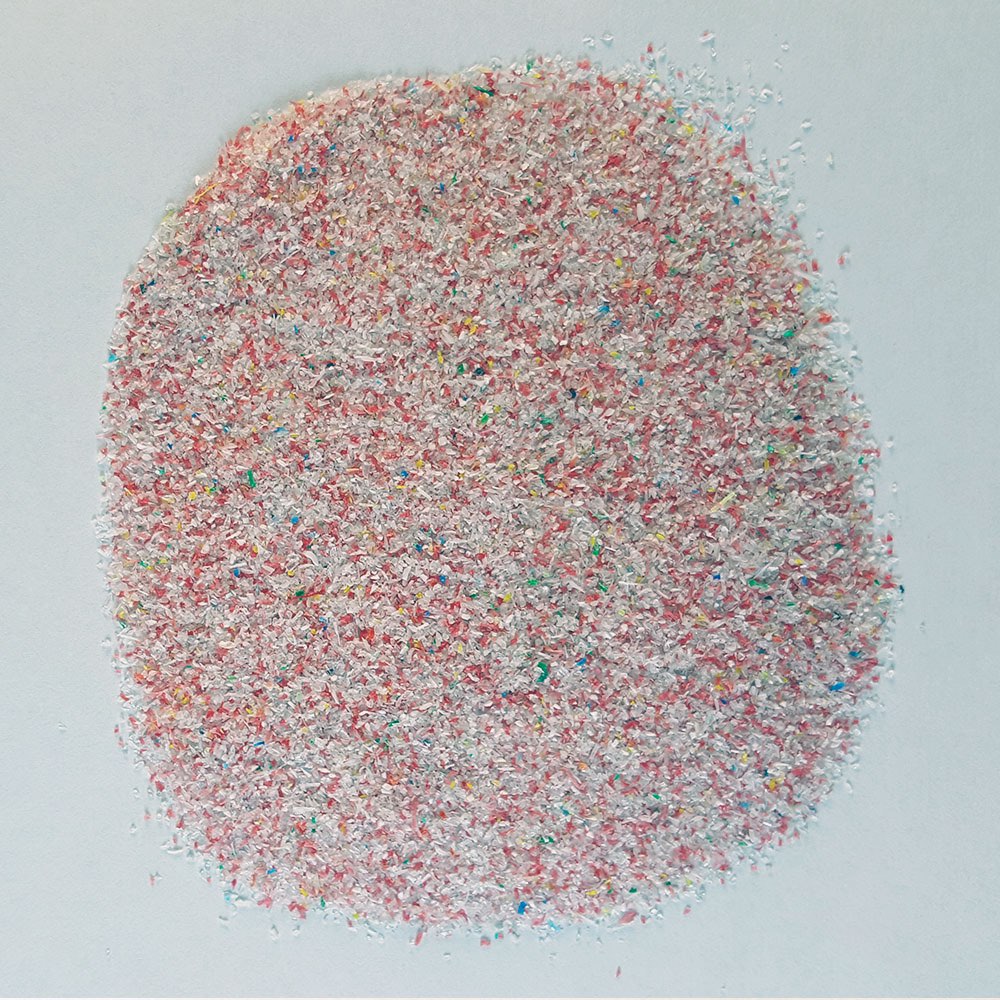
| Plastic Grit | Angular | 3–4 | Minimal scratch | Ninguno | Very minimal | Composites, soft substrates |
Glass beads’ closest functional comparison is with granalla de acero — both are spherical and produce peened surfaces. The key differentiator is iron contamination: steel shot is not acceptable on stainless steel or non-ferrous metals, while glass beads leave no metallic contamination. Steel shot also delivers significantly higher peening intensity due to its greater density, making it the choice for heavy structural peening; glass beads are preferred for precision peening on lighter components and for all applications where contamination-free finishing is required.
Safety & Handling
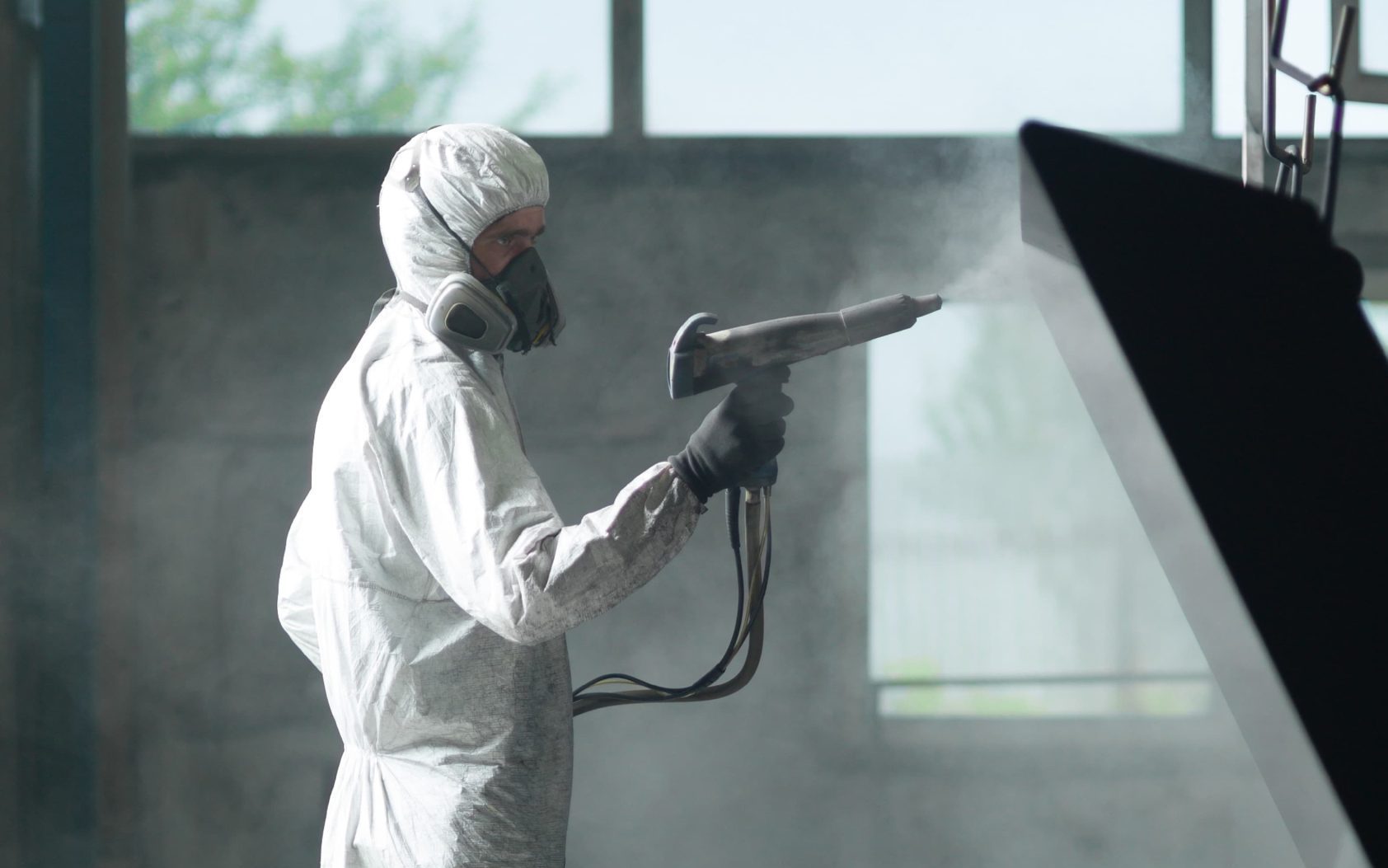
Glass bead blasting media is lead-free, non-toxic, and chemically inert. However, blasting operations with any media — including glass beads — generate airborne particulate that must be controlled to protect operator health. Fine glass dust (below 10 µm) can cause respiratory irritation with prolonged exposure, and the silica content of soda-lime glass (typically 70–75% SiO₂) is a consideration, though the glass form is amorphous rather than crystalline and does not carry the same silicosis risk as quartz sand.
- Use NIOSH-approved respiratory protection appropriate to the dust generation level of the operation.
- Ensure adequate ventilation and dust collection in enclosed blasting environments.
- Wear eye protection — fine glass dust and media fragments can cause serious eye injury.
- Handle spent glass bead media as non-hazardous waste in most jurisdictions, subject to local regulations and the nature of any substrate contaminants in the spent media.
For full blasting safety protocols: Abrasive Blasting Media Safety: PPE, Ventilation & Dust Control.
Source Glass Bead Blasting Media from Jiangsu Henglihong Technology
We supply lead-free soda-lime glass beads in sizes from US 20 through US 400 mesh, with sphericity documentation, particle size distribution data, and MIL-G-9954A compliance certificates. Available globally in 25 kg bags and 1,000 kg bulk jumbo bags.
Request a Quote or SamplePreguntas frecuentes
Filtros