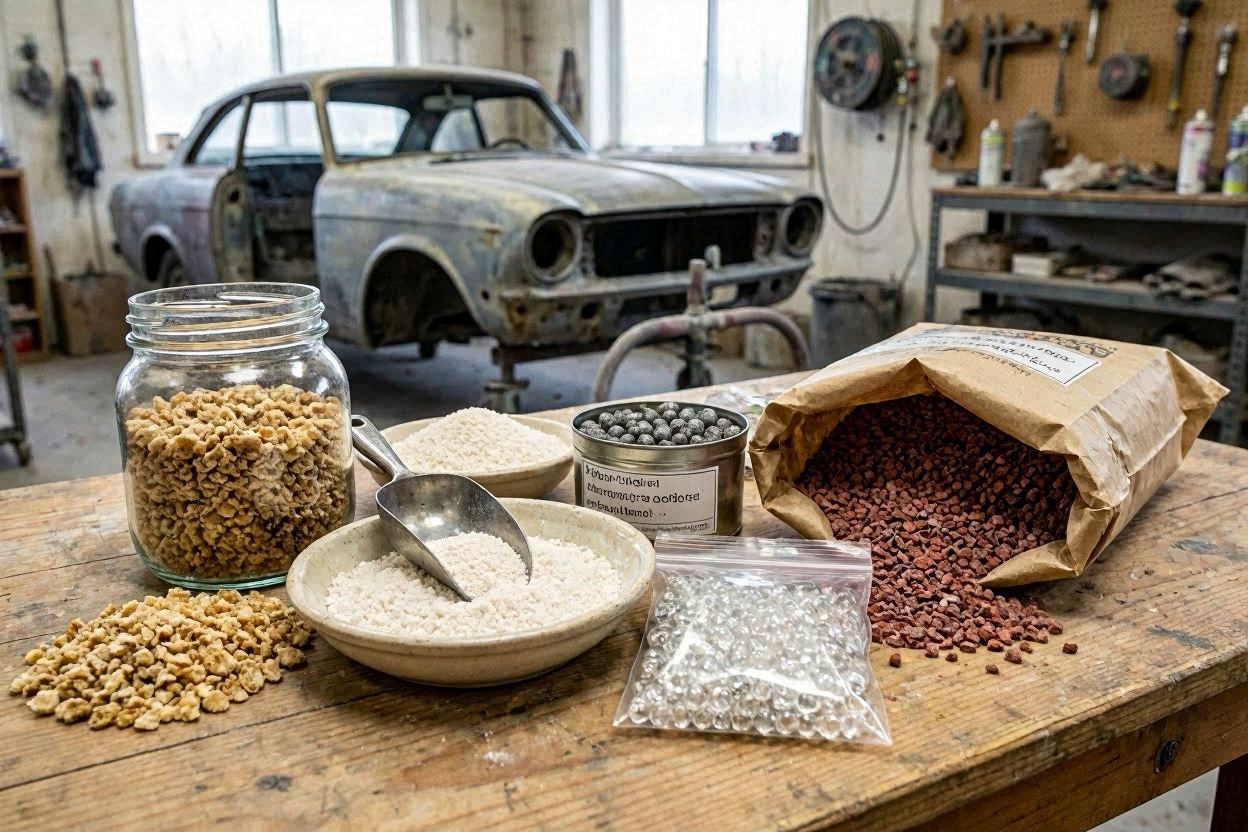
If your shop runs shot peening every day, media choice is not just a finish decision. It is a cost, consistency, and process-control decision. Cuentas de cerámica y cuentas de cristal are both spherical, iron-free options—but they behave very differently once the pressure goes up and the recycling cycles start stacking up.
This guide compares ceramic beads vs glass beads for shot peening and bead blasting in plain language: when each one wins, where each one fails, and how to choose without overpaying.
Quick answer: which should you use?
- Choose ceramic beads when you need stable Almen intensity, low dust, long media life, and repeatable coverage on aerospace, automotive springs, gears, or medical parts.
- Choose glass beads when the job is light cosmetic cleaning, short runs, low pressure, or you do not have a strong reclaim/classifier system yet.
In most closed-loop peening cells, ceramic beads usually deliver a lower cost per finished part—even though the bag price is higher.
Side-by-side comparison
| Factor | Cuentas de cerámica | Cuentas de vidrio |
|---|---|---|
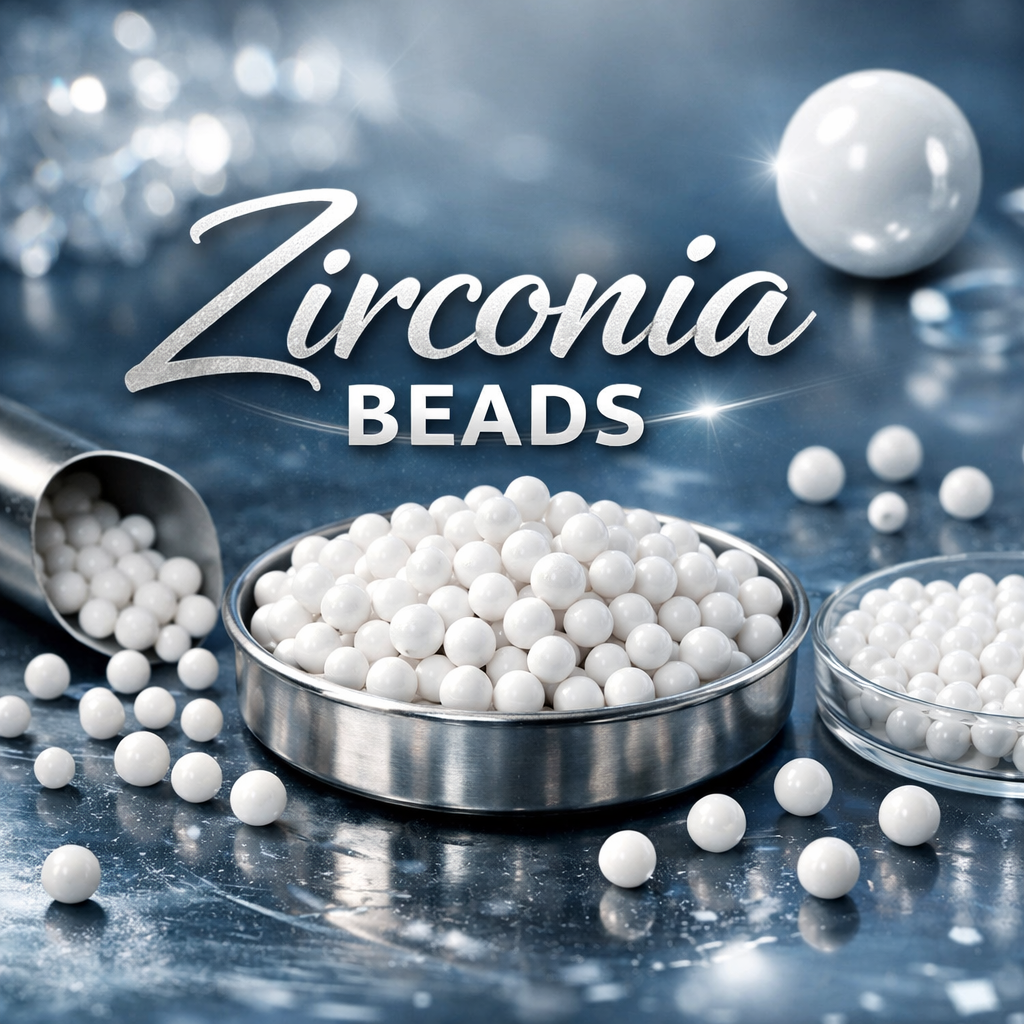
| Typical composition | Zirconia-based ceramic (ZrO2 + SiO2/Al2O3) | Soda-lime glass |
| Hardness / toughness | Higher toughness; holds sphere shape longer | Softer; fractures faster under peening pressure |
| Densidad | About 3.8 g/cm3 (grade-dependent) | About 2.5 g/cm3 |
| Reuse life | Often many times longer than glass in reclaim systems | Breaks down quickly into sharp fragments and dust |
| Peening consistency | More stable size/shape leads to more stable intensity | Size drift after breakage leads to intensity drift |
| Generación de polvo | Bajo | High as beads shatter |
| Surface look | Uniform satin; less fingerprint marking on stainless | Bright satin; can mark more after handling |
| Best fit | Shot peening and high-mix production finishing | Light cleaning, one-off jobs, low pressure |
| Unit price | Higher | Lower |
| Cost per part (closed loop) | Often lower | Often higher due to faster media loss |
What consistency really means in shot peening
Shot peening is not just blasting media at a part. The goal is a controlled layer of residual compressive stress. That layer only stays reliable when:
- Media stays close to the specified size range
- Most particles remain round (not broken shards)
- Coverage and Almen intensity stay inside the process window
Glass beads start round, but they shatter under peening energy. Broken glass becomes sharper and smaller. That changes impact energy, raises dust, and can make intensity jump around from shift to shift.
Ceramic beads wear much slower. Because more particles stay spherical for longer, the blend in your machine stays closer to the original specification. Operators spend less time chasing intensity with pressure or flow adjustments.
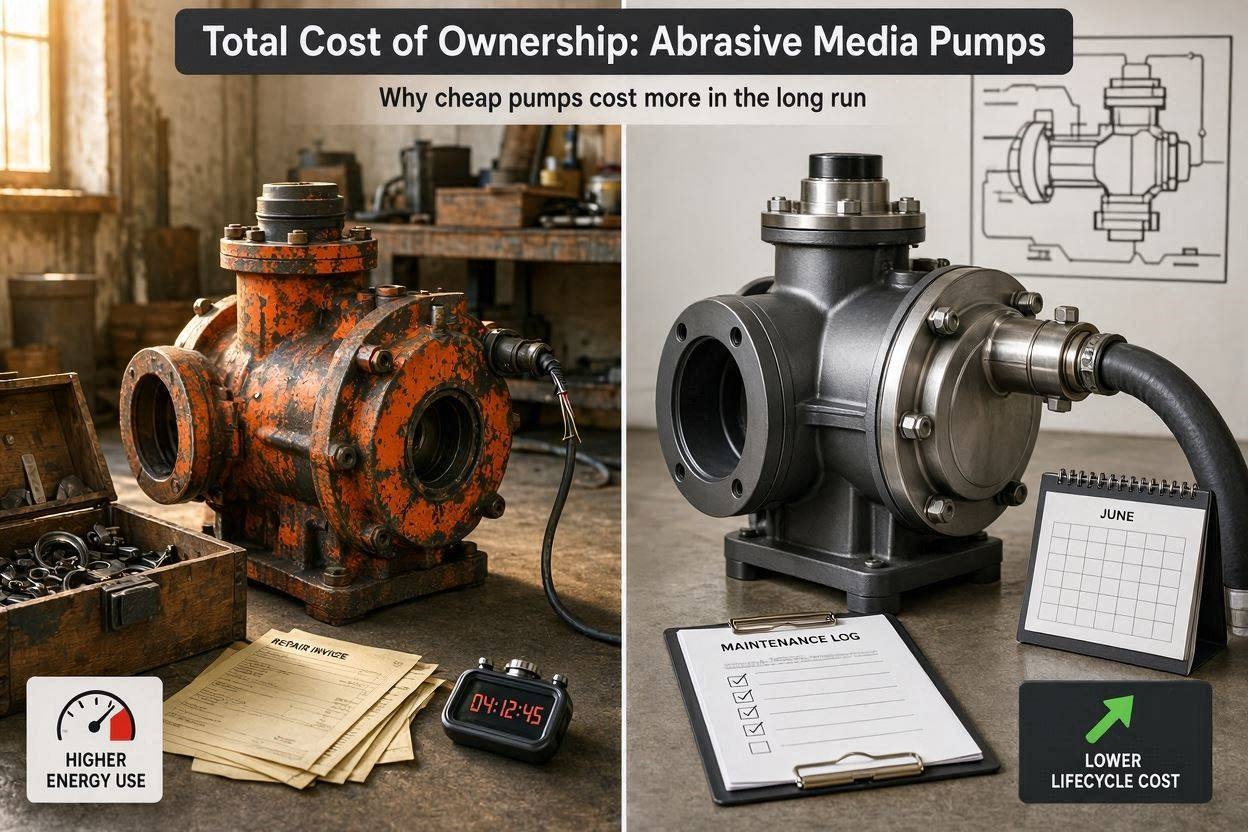
Cost comparison: bag price vs cost per finished part
A common mistake is comparing only the purchase price per kilogram.
Example thinking model (illustrative, not a quote):
- Glass beads: lower price, but you may top up media frequently and discard more dust and waste.
- Ceramic beads: higher price, but longer life, cleaner reclaim, fewer process stops, less waste handling.
When reclaim works well, ceramic media often pays for itself through:
- Fewer media change-outs
- Fewer rejected parts from intensity drift
- Less dust collector loading
- Less nozzle and hose wear from sharp broken glass
If your process is open blasting with almost no reclaim, glass may still be the practical short-term choice. Ceramic shines when you recycle media.
Finish quality: cosmetic cleaning vs engineered peening
Cuentas de vidrio
Glass beads are excellent for gentle cleaning and a bright, uniform look on stainless housings, welded frames, or light-duty tooling. At low pressure, they can remove light scale without aggressive cutting.
Cuentas de cerámica
Ceramic beads also produce a clean satin finish, but they are stronger where the process must be repeatable: turbine-related components, transmission parts, orthopedic instruments, and other fatigue-critical work. Many shops also prefer ceramic on stainless parts that will be handled often, because fingerprints and handling marks tend to show less.
Contamination and material compatibility
- Both are iron-free, so they are safer than steel shot for stainless, aluminum, titanium, and nickel alloys when ferrous contamination is a risk.
- Vidrio can leave more fine dust as it breaks. Good ventilation and reclaim classification still matter.
- Cerámica is preferred when you need cleaner media over long cycles and tighter foreign-object control.
Decision checklist
Use ceramic beads if most answers are yes:
- Do you peen to a drawing or Almen requirement?
- Do you reclaim and classify media?
- Is downtime from media changes expensive?
- Are rejected parts more costly than media savings?
Stay with glass beads if:
- Jobs are short and mostly cosmetic
- Pressure stays low
- You blast without a robust recycling system
- Budgets are tightly capped for the first purchase only
Practical tip for switching from glass to ceramic
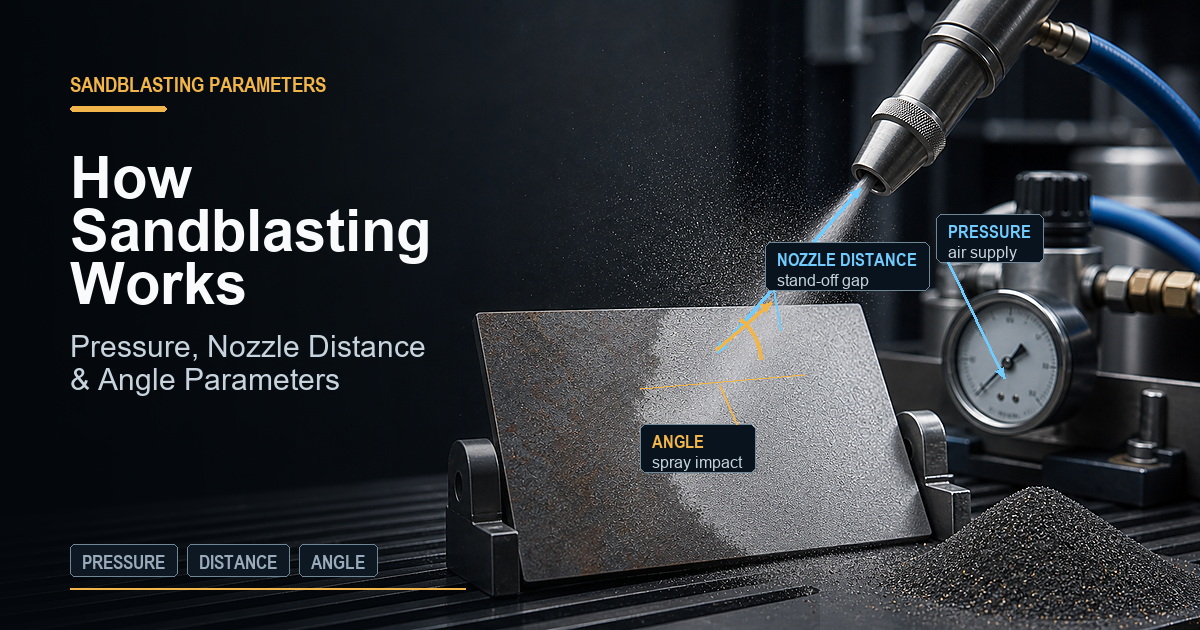
- Do not copy glass pressure settings blindly. Start from your current Almen target and tune nozzle pressure, media flow, and stand-off.
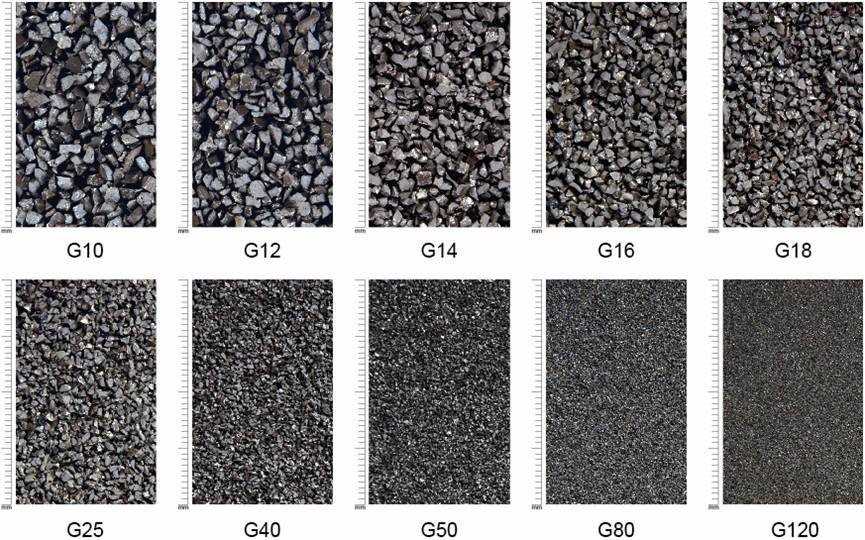
- Confirm size grade against the print (for example B120 / B170 class ranges used in ceramic peening systems).
- Clean the reclaim system before the first ceramic fill so leftover glass dust does not pollute the new mix.
- Track intensity for the first production lots. Most teams see fewer mid-shift adjustments after the change.
PREGUNTAS FRECUENTES
Are ceramic beads always better than glass beads?
No. Ceramic beads are better for durable, controlled peening and high-reuse systems. Glass beads remain useful for light cleaning and low-budget short runs.
Can I mix ceramic beads and glass beads?
Avoid mixing them in a peening process. Different density, hardness, and breakage rates make intensity harder to control.
Do ceramic beads replace steel shot?
Not always. Steel shot still wins when you need very high impact energy or deep compressive stress on heavy steel parts. Ceramic is the better iron-free alternative when contamination and finish quality matter.
Looking for production-grade ceramic peening beads or blasting beads? Review HLH perlas cerámicas de granallado y ceramic blasting media, or contact us with your Almen target, substrate, and current media grade for a matched recommendation.
Filtros