Best Sandblasting Media for Different Applications (Metal, Wood, Rust, and More)
Selecting the right sandblasting media is critical for achieving efficient surface preparation, coating adhesion, and overall project quality. With a wide range of abrasives available, from aluminum oxide and garnet to coal slag and plastic media, understanding the properties, advantages, and applications of each is essential for professionals in industrial, construction, and restoration environments. This guide provides a detailed overview of the best sandblasting media for various surfaces, including metals, wood, concrete, and rusted materials, along with technical specifications, usage tips, and safety considerations.
1. Introduction
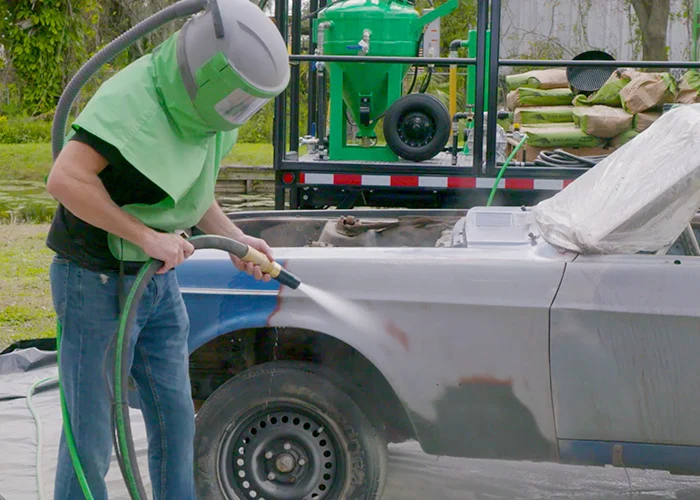
Sandblasting, also known as abrasive blasting, uses high-velocity particles to clean, prepare, or finish surfaces. The choice of abrasive significantly affects the efficiency, surface profile, and finish quality. Using the wrong media can result in surface damage, excessive media wear, increased project costs, and suboptimal coating adhesion. This guide covers the most commonly used abrasives, their specific properties, and application recommendations to help professionals make informed decisions.
2. Common Types of Sandblasting Media
2.1 Aluminum Oxide
Aluminum oxide is a hard, angular abrasive ideal for heavy-duty cleaning and surface preparation on metals and hard surfaces. Its high Mohs hardness (9) allows for rapid removal of rust, coatings, and scale while providing a consistent surface profile. It is reusable and widely used in industrial applications.
2.2 Garnet
Garnet is a natural, semi-hard abrasive with a Mohs hardness of 7–8. It is eco-friendly, produces minimal dust, and is suitable for delicate or precision surface preparation. Garnet is often chosen for waterjet cutting and applications requiring moderate surface impact.
2.3 Coal Slag
Coal slag is a cost-effective abrasive with a Mohs hardness of 6–7. It is suitable for removing coatings and corrosion from steel structures and concrete. Coal slag produces more dust than garnet or aluminum oxide but remains a popular choice for large-scale construction and industrial cleaning.
2.4 Crushed Glass
Crushed glass is a recycled abrasive that offers a smooth, uniform finish with reduced risk of contamination. It is effective for cleaning metal, concrete, and wood surfaces and provides an eco-conscious alternative to traditional abrasives. Its angular particles ensure efficient material removal without excessive surface damage.
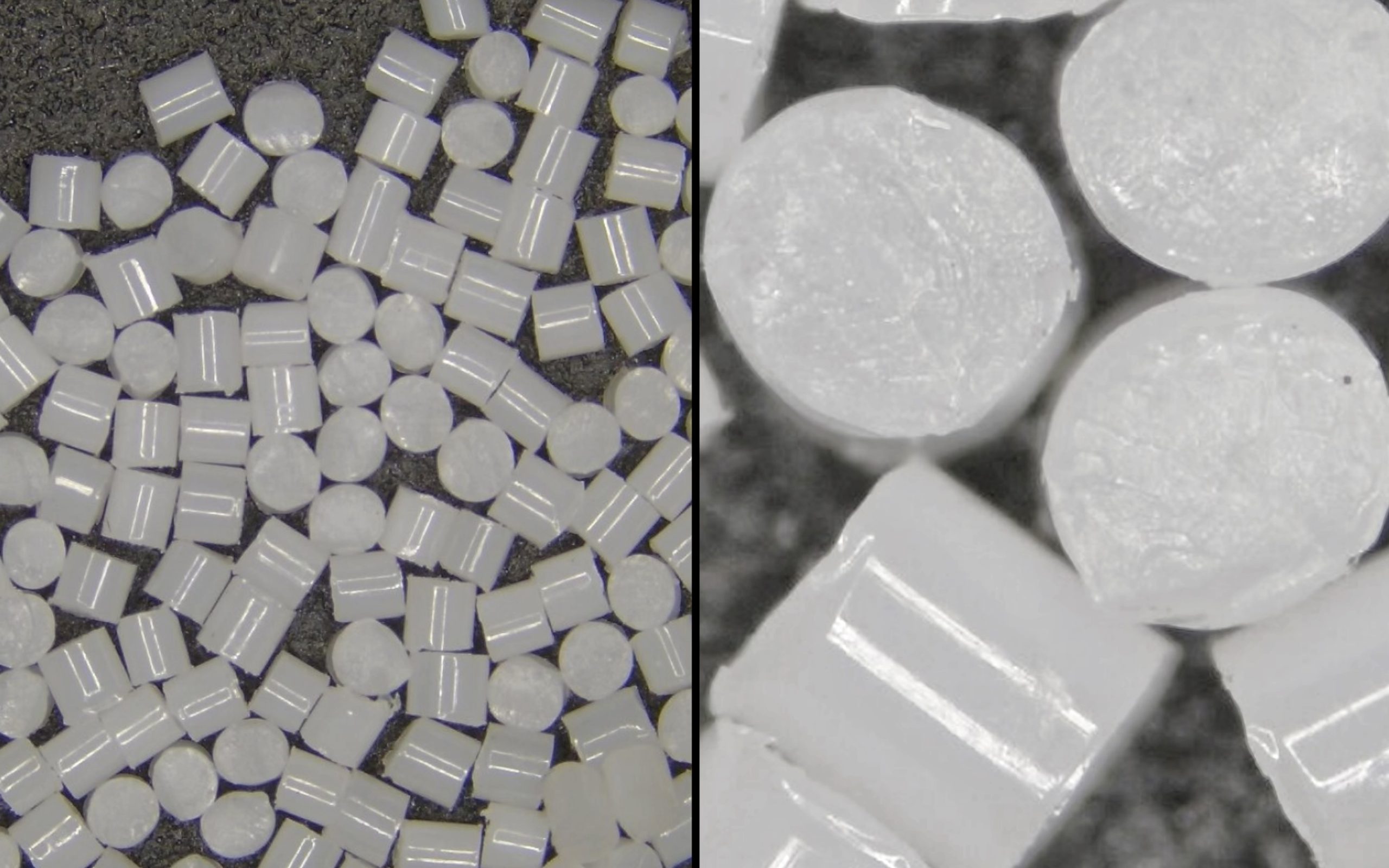
2.5 Plastic Media
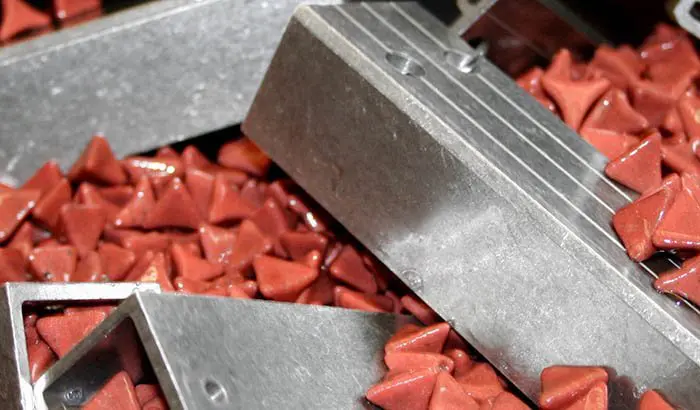
Plastic abrasives, such as urea or acrylic beads, are softer than mineral media and ideal for delicate surfaces like aircraft components, electronics housings, or automotive parts. They remove coatings and paint without damaging the substrate and are reusable for multiple cycles.
2.6 Walnut Shells
Walnut shell media is gentle, biodegradable, and effective for cleaning softer materials, wood, and historical artifacts. It is suitable for removing paint and coatings from delicate surfaces without erosion or deformation.
2.7 Black Diamond
Black Diamond media is a hard, angular abrasive with superior cutting efficiency, particularly for heavily rusted steel, industrial machinery, and concrete preparation. It offers higher reusability and produces less dust than coal slag, making it an industrial favorite for aggressive surface prep.
2.8 Glass Beads
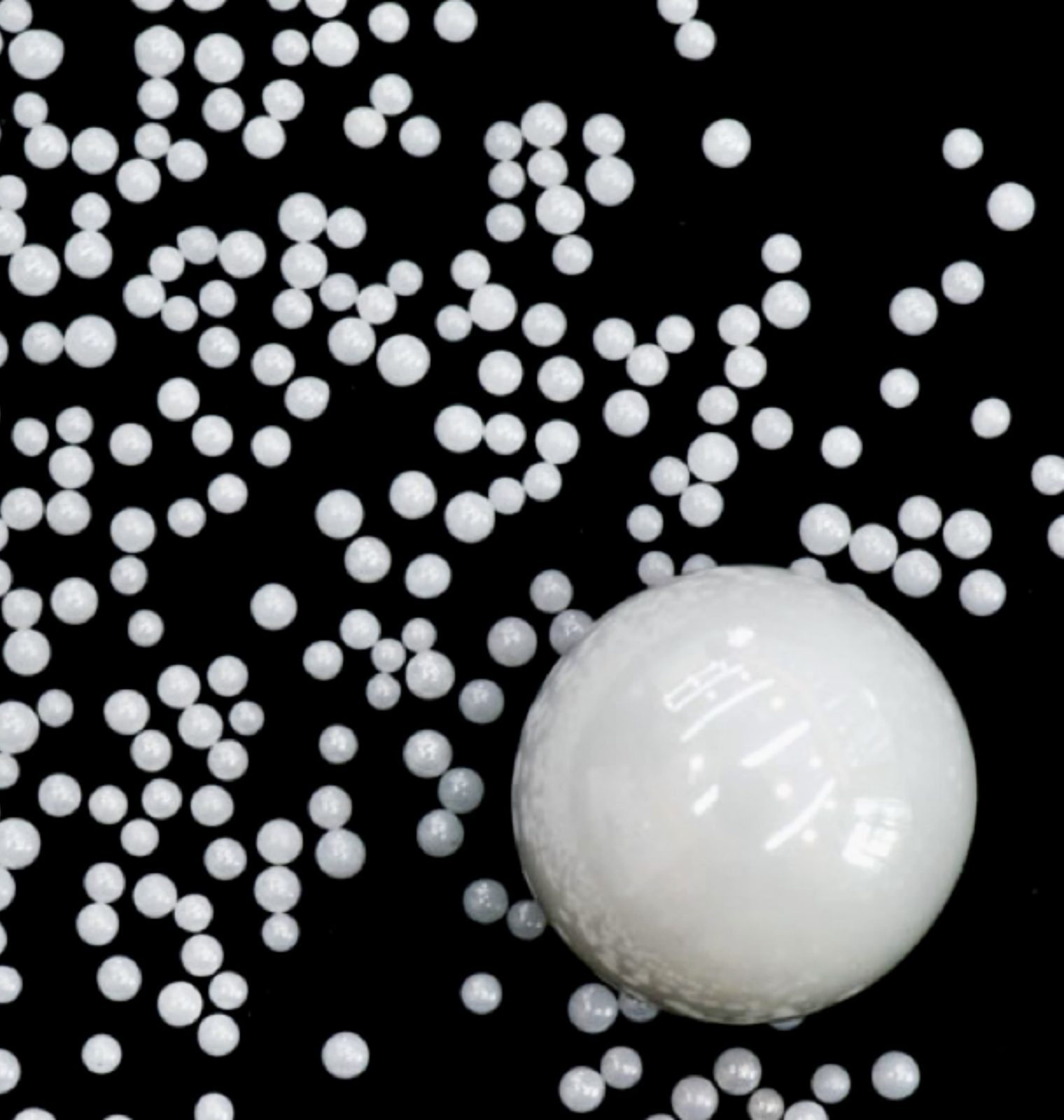
Glass bead media is round, smooth, and provides a satin finish. It is ideal for polishing, peening, and preparing delicate metal or plastic surfaces for painting or coating. Its spherical particles reduce substrate erosion while producing a uniform finish.
3. Selecting the Right Media for Specific Surfaces
3.1 Metal Surfaces
For metals, abrasive selection depends on the substrate hardness, desired surface profile, and coating requirements:
- Acero: Aluminum oxide or Black Diamond for aggressive rust and paint removal
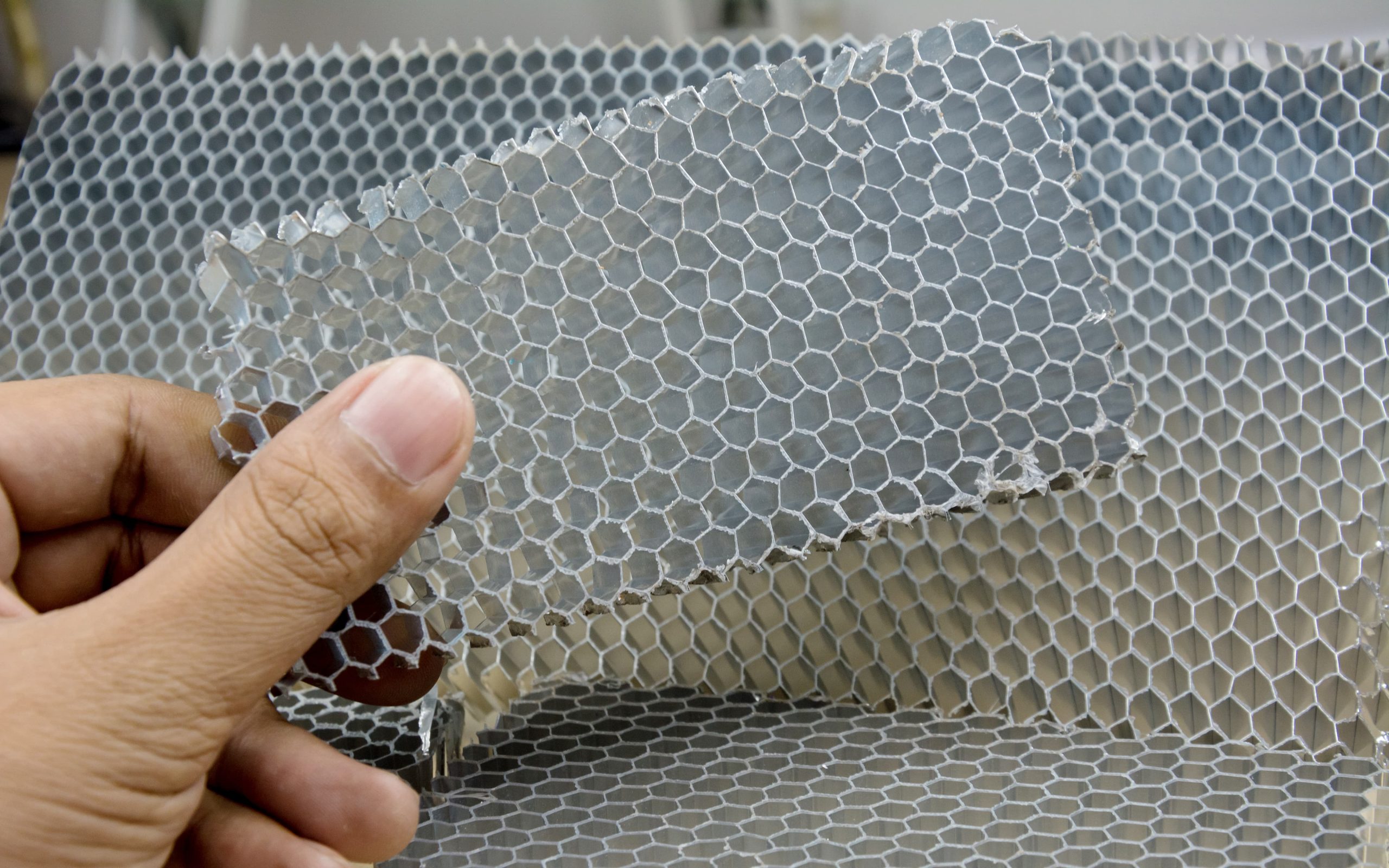
- Aluminio: Garnet or plastic media for delicate cleaning without substrate damage
- Stainless Steel: Glass beads or fine aluminum oxide to preserve surface integrity
3.2 Wood Surfaces
Wood surfaces require softer abrasives to avoid deep scratches. Walnut shells, plastic media, and crushed glass are suitable choices. They remove old paint or coatings while preserving wood grain and structural integrity.
3.3 Concrete and Masonry
For concrete, abrasive hardness and angularity are key. Coal slag, Black Diamond, and aluminum oxide are effective for cleaning and profiling concrete surfaces. They remove contaminants and roughen surfaces for coatings, sealants, or overlays.
3.4 Rust Removal
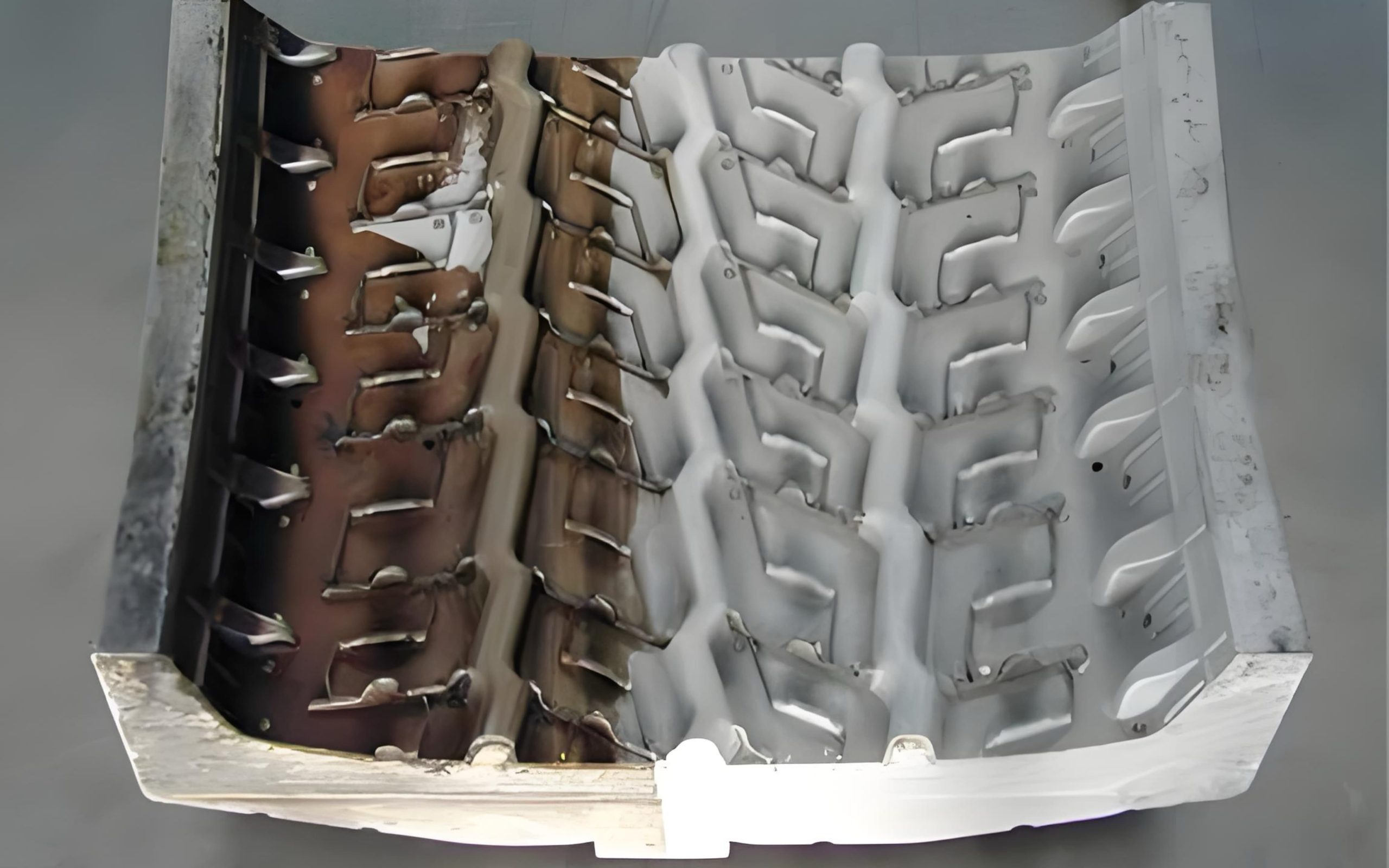
Heavy rust requires hard, angular abrasives. Black Diamond and aluminum oxide are top performers, providing rapid removal and preparing a clean, textured surface suitable for painting or coating adhesion.
3.5 Paint and Coating Removal
Plastic media, garnet, and crushed glass are preferred for paint removal on delicate substrates. These abrasives strip coatings without excessive substrate damage or distortion.
4. Technical Comparison Table
| Tipo de medio | Dureza Mohs | Shape | Best Applications | Reusability |
|---|---|---|---|---|
| Óxido de aluminio | 9 | Angular | Steel, metal rust, heavy-duty cleaning | 4–6 cycles |
| Granate | 7–8 | Angular | Delicate metals, waterjet cutting | 2–4 cycles |
| Coal Slag | 6-7 | Angular | Steel, concrete, industrial cleaning | 2–3 cycles |
| Crushed Glass | 6-7 | Angular | Metal, concrete, wood | 3–5 cycles |
| Soportes de plástico | 3–4 | Varied (spherical/irregular) | Delicate surfaces, aerospace, automotive | 5–10 cycles |
| Walnut Shell | 2–3 | Angular/Irregular | Wood, delicate coatings, restoration | 3–6 cycles |
| Black Diamond | 7–8 | Angular | Rusted steel, heavy industrial cleaning | 4–6 cycles |
| Cuentas de vidrio | 5–6 | Round/Spherical | Polishing, satin finish, metal and plastic | 3–5 cycles |
5. Blasting Equipment and Parameters
Optimizing blasting parameters enhances media efficiency and surface results:
- Pressure: 50–120 PSI depending on substrate and media
- Nozzle Distance: 6–18 inches depending on grit size and surface sensitivity
- Blasting Angle: 45–90° to control profile depth
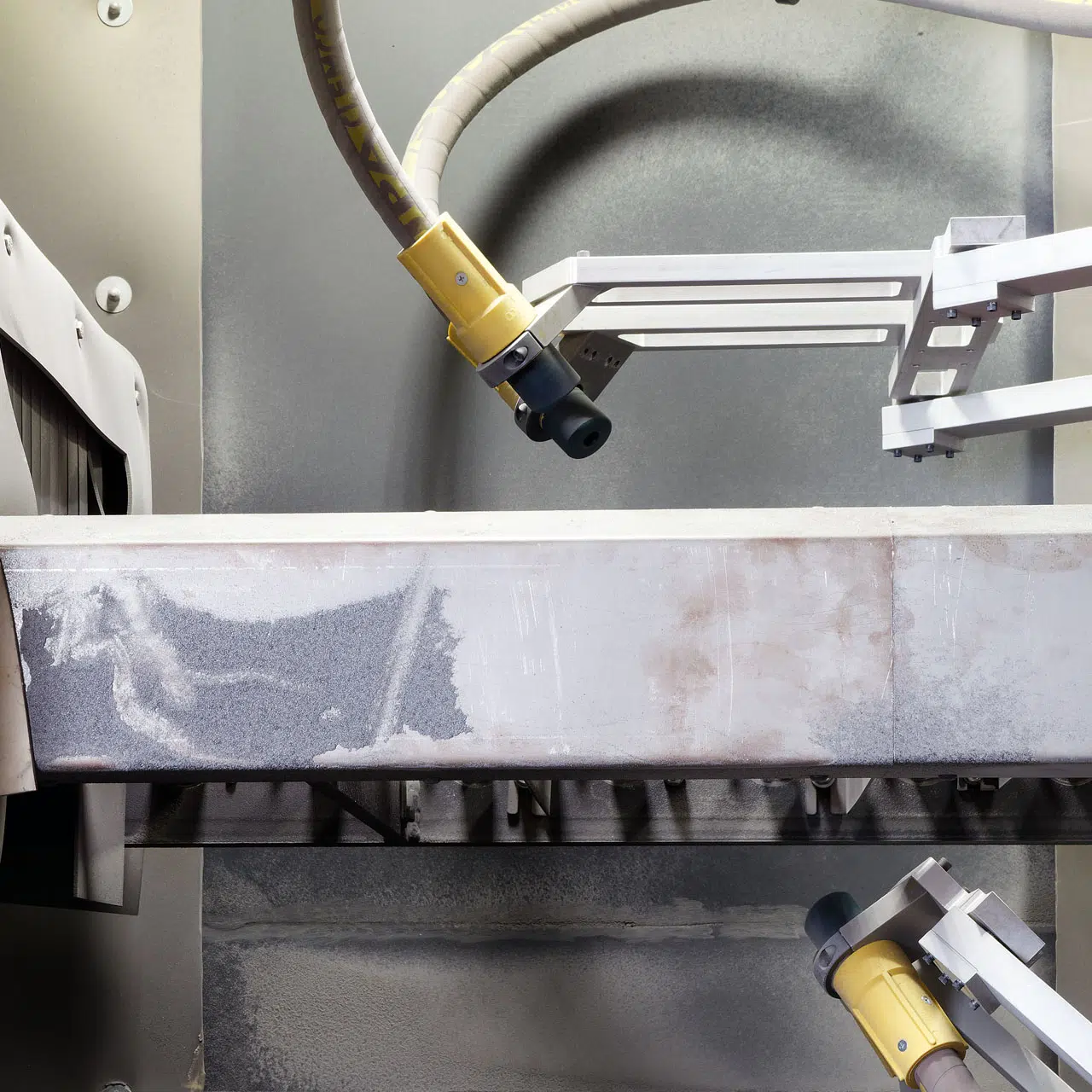
- Equipment: Airblast, suction blast, wheel blast, robotic stations
- Media Recycling: Recommended to maximize cost-efficiency and minimize waste
6. Safety Considerations
Even non-toxic abrasives require proper safety measures:
- Wear PPE including respirators, gloves, goggles, and protective clothing
- Ensure dust collection or ventilation systems are in place
- Store media in dry conditions to prevent clumping or contamination
- Regularly inspect blasting equipment for wear and tear
7. Media Selection Tips
Choosing the best media involves considering substrate type, surface condition, desired finish, and operational constraints:
- Match hardness to substrate sensitivity to avoid damage
- Select particle shape for intended surface profile: angular for aggressive cutting, round for polishing
- Consider reusability and cost-effectiveness for large projects
- Test media on a small area before full-scale blasting
- Adjust blasting parameters to achieve uniform results
8. Industry Applications
Black Diamond, aluminum oxide, and garnet are commonly used in industrial sectors:
- Metal Fabrication: Rust, mill scale, paint removal, and surface profiling
- Construction: Concrete cleaning and preparation for coatings
- Restoration: Wood, historical buildings, and delicate surface restoration
- Aerospace and Automotive: Precision cleaning of components without substrate damage
9. Environmental and Cost Considerations
Recycling media reduces waste and operational costs. Non-toxic media like garnet, plastic, and crushed glass offer lower environmental impact. Industrial media selection should balance cost, performance, and environmental responsibility for sustainable operations.
10. Summary and Recommendations
There is no single “best” sandblasting media; selection depends on the substrate, surface condition, and desired finish:
- Use hard, angular abrasives for rusted steel and heavy industrial cleaning (Black Diamond, aluminum oxide)
- Choose softer, reusable media for delicate surfaces or historical restoration (walnut shell, plastic media)
- For finishing and polishing, select round media (glass beads) to achieve smooth, satin surfaces
- Consider cost, reusability, and environmental impact when planning large-scale operations
- Always follow safety protocols and optimize equipment parameters for consistent results
11. Related Resources
Filtros