Aluminum Oxide vs Garnet vs Glass Beads
Selecting the correct abrasive blasting media is not a matter of choosing the “best” material, but rather choosing the most appropriate abrasive for a specific engineering objective. Aluminum oxide, garnet, and glass beads are among the most commonly used blasting media, yet their performance characteristics, cutting mechanisms, and surface outcomes differ fundamentally.
This page provides an engineering-level comparison of these three media types, focusing on material behavior, surface interaction, process control, and real-world application trade-offs.
Table of Contents
- Material Overview
- Cutting vs Peening Mechanisms
- Surface Profile & Roughness Control
- Dust Generation & Reusability
- Contamination & Substrate Compatibility
- Cost Structure & Lifecycle Economics
- Application-Based Selection Matrix
- Engineering Decision Summary
1. Material Overview
| Property | Óxido de aluminio | Granate | Cuentas de vidrio |
|---|---|---|---|
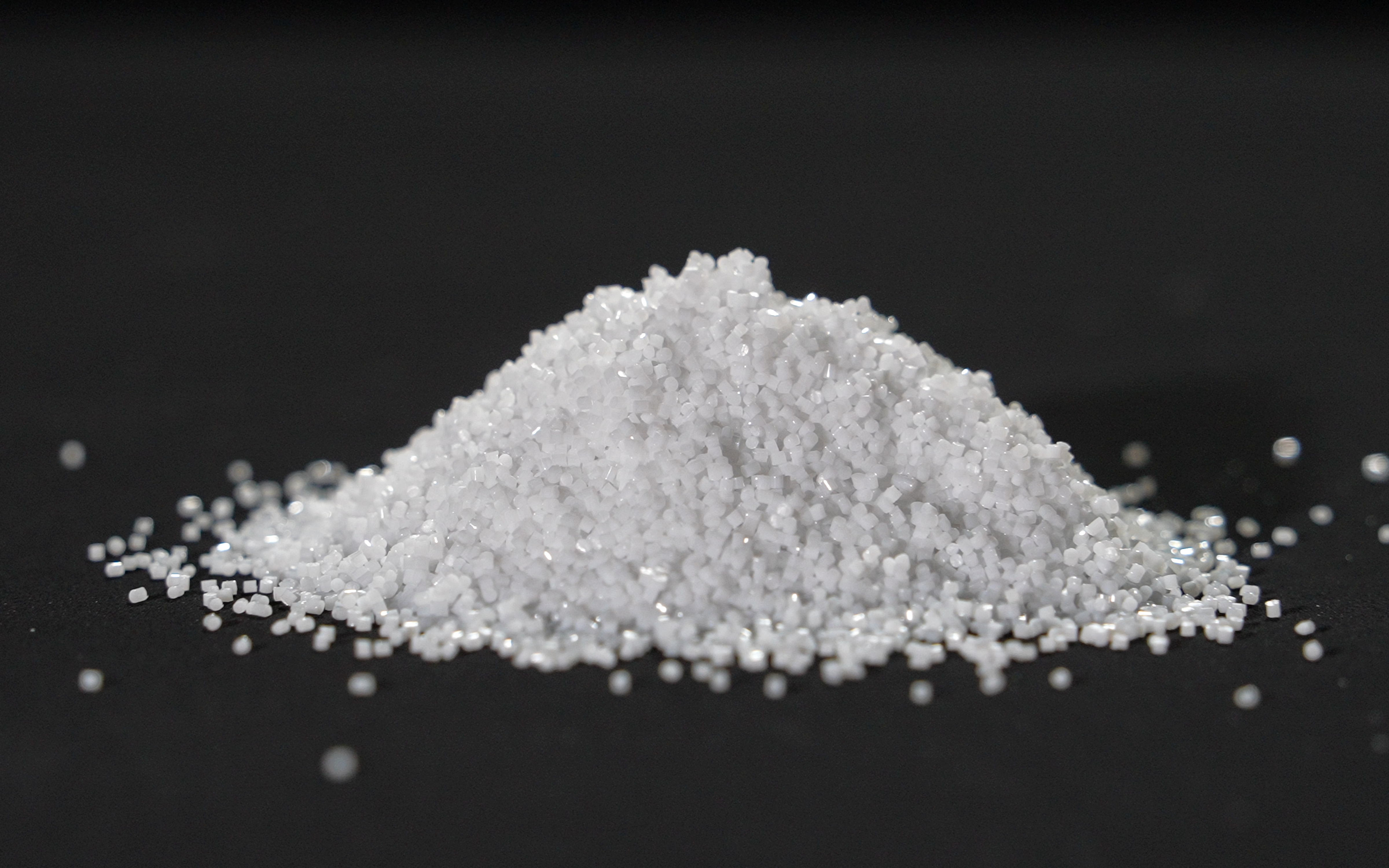
| Typical Shape | Angular, sharp-edged | Sub-angular | Spherical |
| Dureza Mohs | ~9 | ~7.5–8 | ~5–6 |
| Primary Action | Aggressive cutting | Moderate cutting | Peening / polishing |
| Typical Use Cycles | 1–10 (system dependent) | 1–5 | 20–40+ |
From a materials science perspective, aluminum oxide is the hardest and most aggressive abrasive of the three, while glass beads are designed to minimize cutting and instead plastically deform the surface.
2. Cutting vs Peening Mechanisms
Aluminum Oxide: Micro-Cutting Dominant
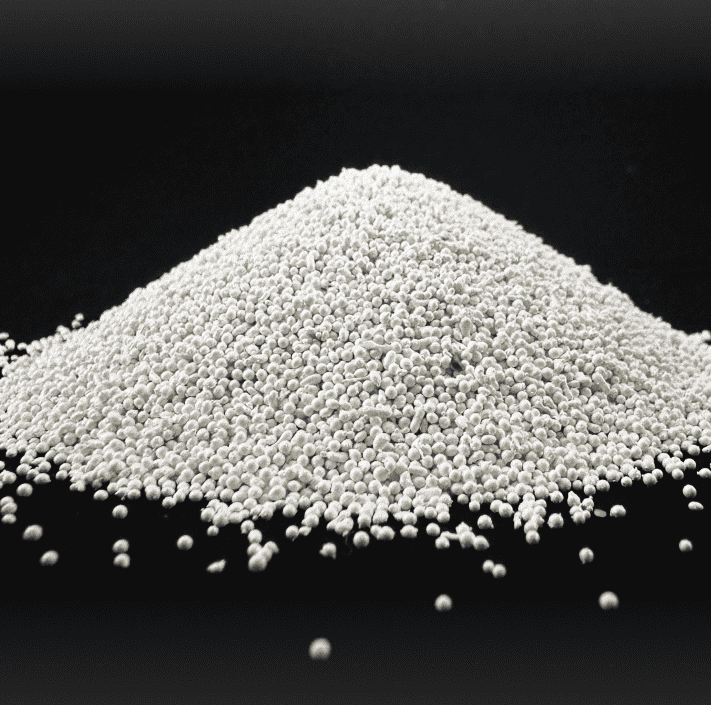
Aluminum oxide particles fracture with sharp edges, enabling micro-cutting at the impact point. This makes it ideal for:
- Heavy coating removal
- Surface preparation before thermal spray
- Applications requiring defined anchor profiles
Garnet: Controlled Cutting
Garnet offers a balance between cutting efficiency and surface control. Its semi-angular shape reduces excessive substrate damage while still providing effective material removal.
Glass Beads: Peening & Plastic Deformation
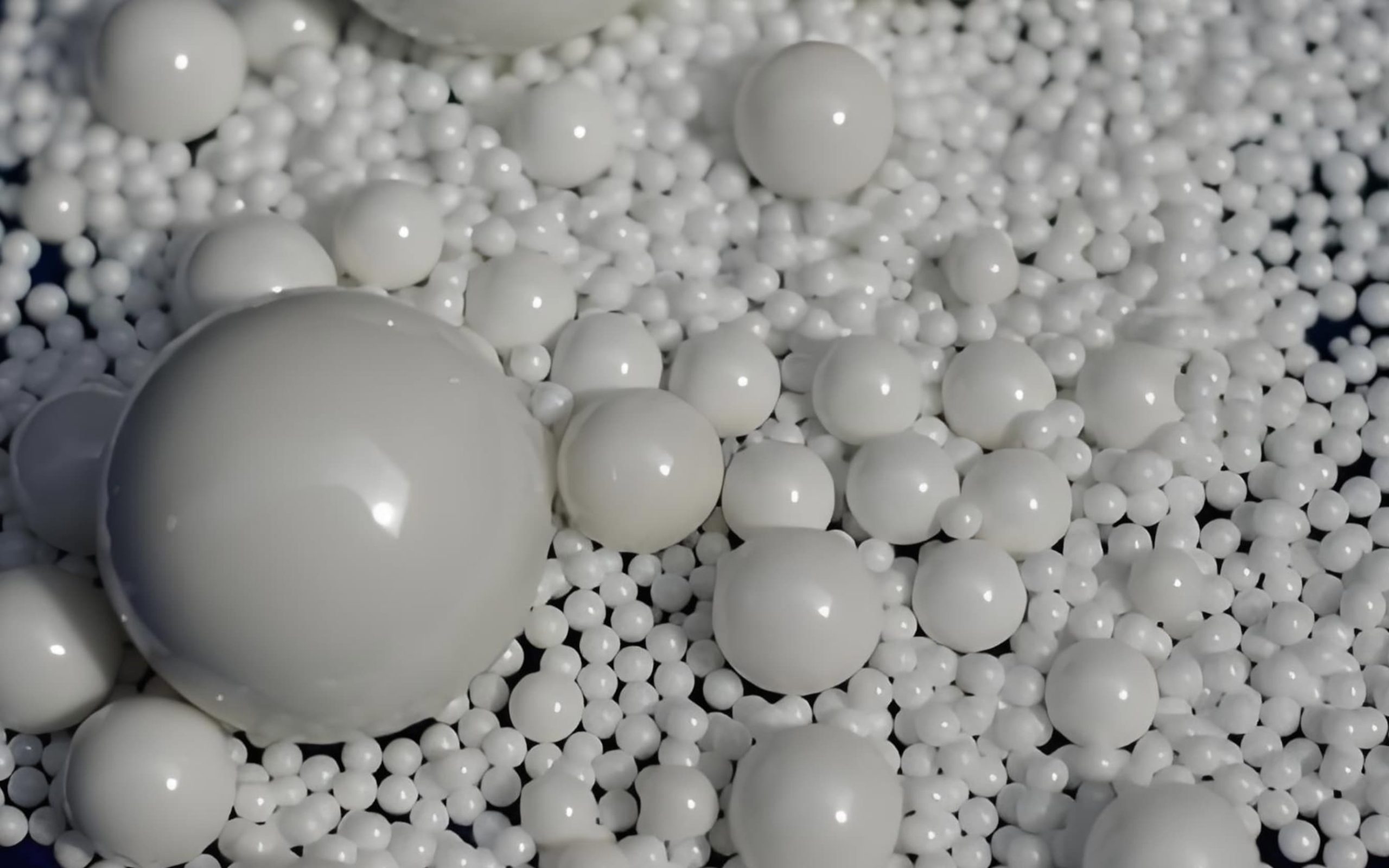
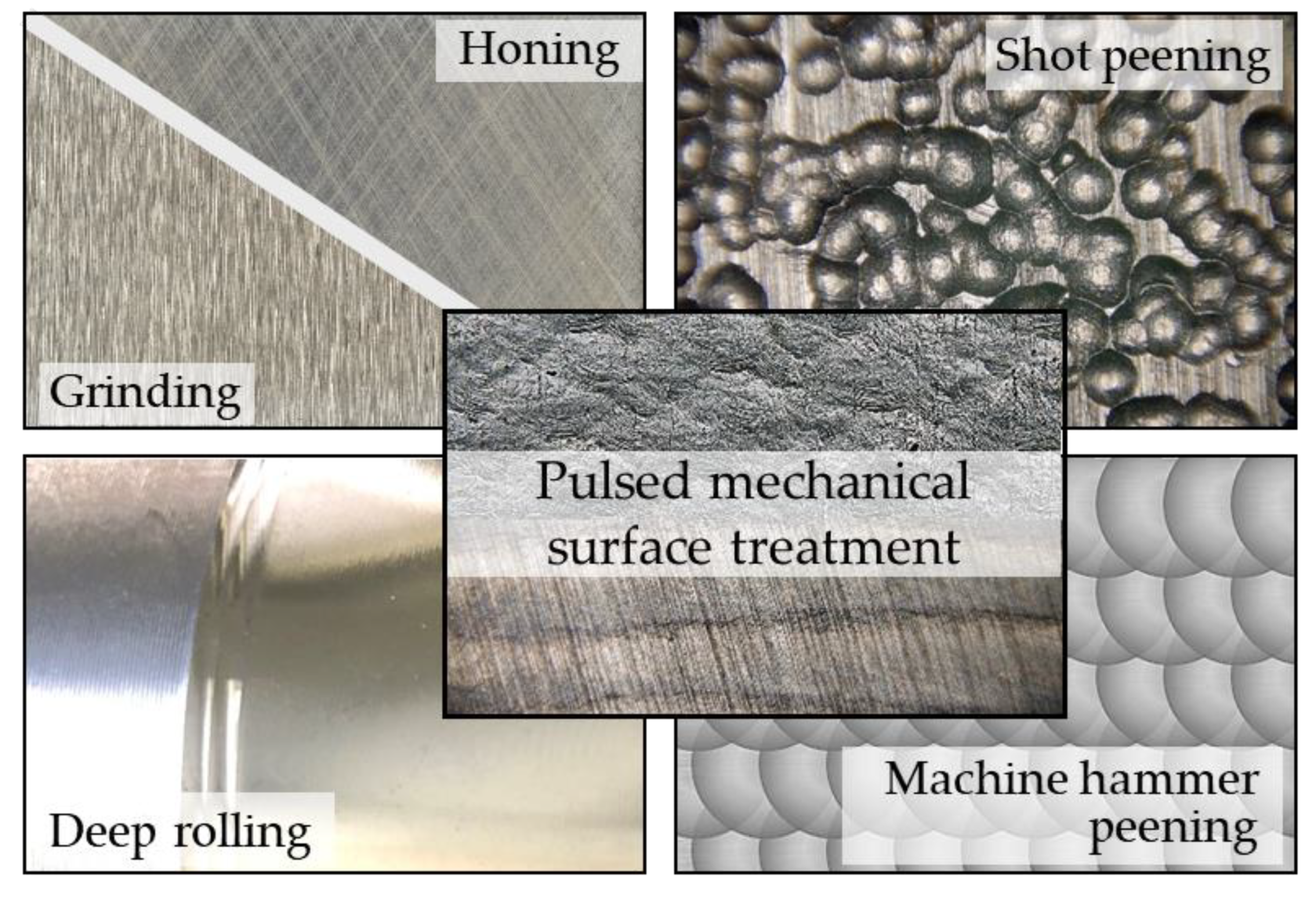
Glass beads primarily induce surface compression rather than cutting. This makes them unsuitable for coating removal but ideal for cosmetic finishing and stress relief.
3. Surface Profile & Roughness Control
Surface roughness (Ra / Rz) is one of the most critical decision factors in blasting media selection.
| Media | Typical Achievable Ra | Profile Characteristics |
|---|---|---|
| Óxido de aluminio | 3–12.5 μm | Sharp, angular anchor profile |
| Granate | 2–6 μm | Moderate, more uniform profile |
| Cuentas de vidrio | 0.4–2 μm | Smooth, satin finish |
If coating adhesion is a primary requirement, aluminum oxide consistently outperforms the other two. If visual appearance or fatigue resistance is the priority, glass beads are preferred.
4. Dust Generation & Reusability
Dust Generation
Aluminum oxide and garnet generate more dust due to particle fracture during impact. Glass beads, by contrast, retain their spherical shape over many cycles.
Reusability Considerations
- Óxido de aluminio: High cutting efficiency but faster breakdown
- Granate: Lower reuse but stable cutting behavior
- Cuentas de vidrio: Highest reuse rate in closed systems
In enclosed blasting cabinets, glass beads often offer the lowest cost per cycle despite higher upfront pricing.
5. Contamination & Substrate Compatibility
Contamination risk varies significantly by media type:
- Óxido de aluminio: Chemically inert, suitable for stainless steel and aluminum
- Granate: May contain trace iron depending on source
- Cuentas de vidrio: Minimal contamination, non-embedding
For aerospace, electronics, and medical applications, aluminum oxide and glass beads are generally preferred over garnet due to traceability and purity control.
6. Cost Structure & Lifecycle Economics
Media cost should be evaluated on a cost-per-part basis rather than price per kilogram.
| Factor | Óxido de aluminio | Granate | Cuentas de vidrio |
|---|---|---|---|
| Initial Cost | Medium–High | Medium | Medium–High |
| Removal Speed | Alta | Medium | Bajo |
| Reuse Cycles | Low–Medium | Bajo | Alta |
High-throughput removal jobs often favor aluminum oxide despite higher consumption rates.
7. Application-Based Selection Matrix
| Aplicación | Recommended Media | Razón |
|---|---|---|
| Thermal spray preparation | Óxido de aluminio | Strong anchor profile |
| Paint removal (steel) | Aluminum Oxide / Garnet | Fast cutting, cost balance |
| Cosmetic finishing | Cuentas de vidrio | Smooth, uniform appearance |
| Aerospace components | Aluminum Oxide / Glass Beads | Low contamination risk |
| Fatigue life improvement | Cuentas de vidrio | Surface compression effect |
8. Engineering Decision Summary
From an engineering standpoint:
- Choose aluminum oxide when surface roughness, adhesion, and removal speed are critical.
- Choose garnet when balancing cost and moderate cutting performance.
- Choose glass beads when surface integrity, appearance, and reuse cycles dominate.
Final selection should always be validated through trial blasting and surface roughness measurement under real production conditions.
This page is part of our complete technical guide:
Aluminum Oxide Blast Media – Complete Technical Guide.
Filtros