Best Sandblasting Media for Rust Removal: Steel, Shipyards & Heavy Equipment
Rust removal is the single most common application for industrial abrasive blasting — and it is also one where media selection has the most significant impact on productivity and outcome quality. The right abrasive removes rust and scale efficiently, achieves the specified cleanliness level, and creates the anchor profile the subsequent coating system needs. The wrong choice either underperforms (requiring multiple passes, missing cleanliness targets) or damages the substrate (excessive material removal, warping of thin plate).
This guide covers the best blast media choices for rust removal across the most demanding industrial environments: structural steel fabrication, shipyard hull work, heavy equipment maintenance, and pipeline preparation. It is part of the complete resource at Sandblasting Media Suppliers: The Industrial Buyer’s Complete Guide from Jiangsu Henglihong Technology Co., Ltd.
1. The Science of Rust Removal by Blasting
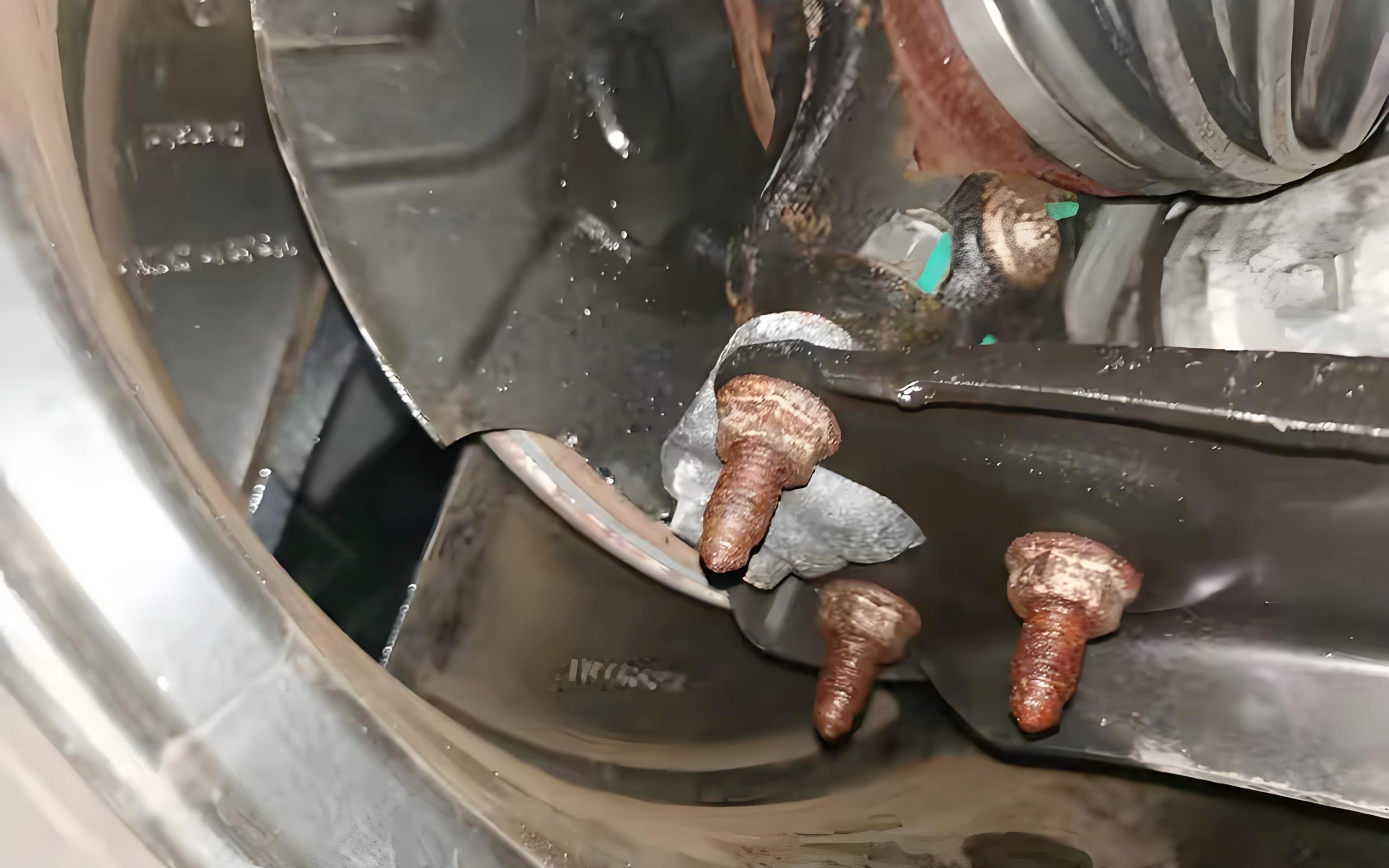
Rust (iron oxide, primarily Fe₂O₃ and Fe₃O₄) and mill scale (a thin, dense layer of iron oxide formed during steel manufacturing) are mechanically removed by abrasive blasting through two simultaneous mechanisms: impact fracture (the abrasive particle impacts the brittle rust or scale layer, shattering it) and abrasive cutting (angular particle edges shear through the rust-metal interface, undercutting and dislodging the corrosion layer).
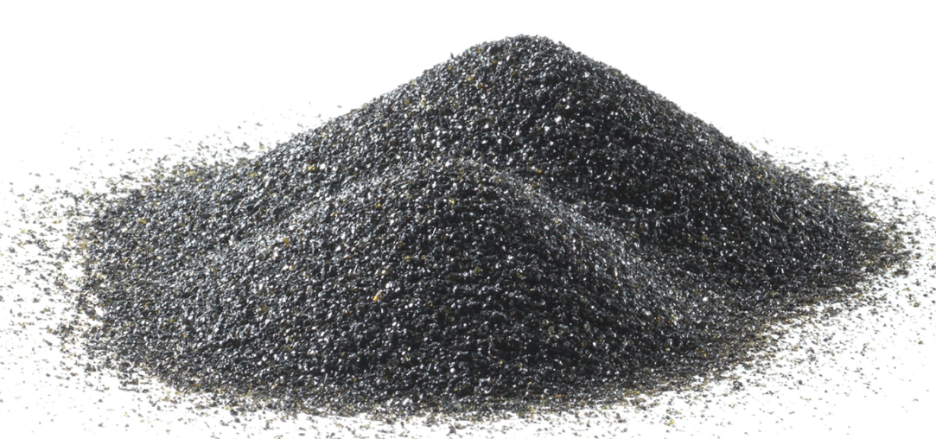
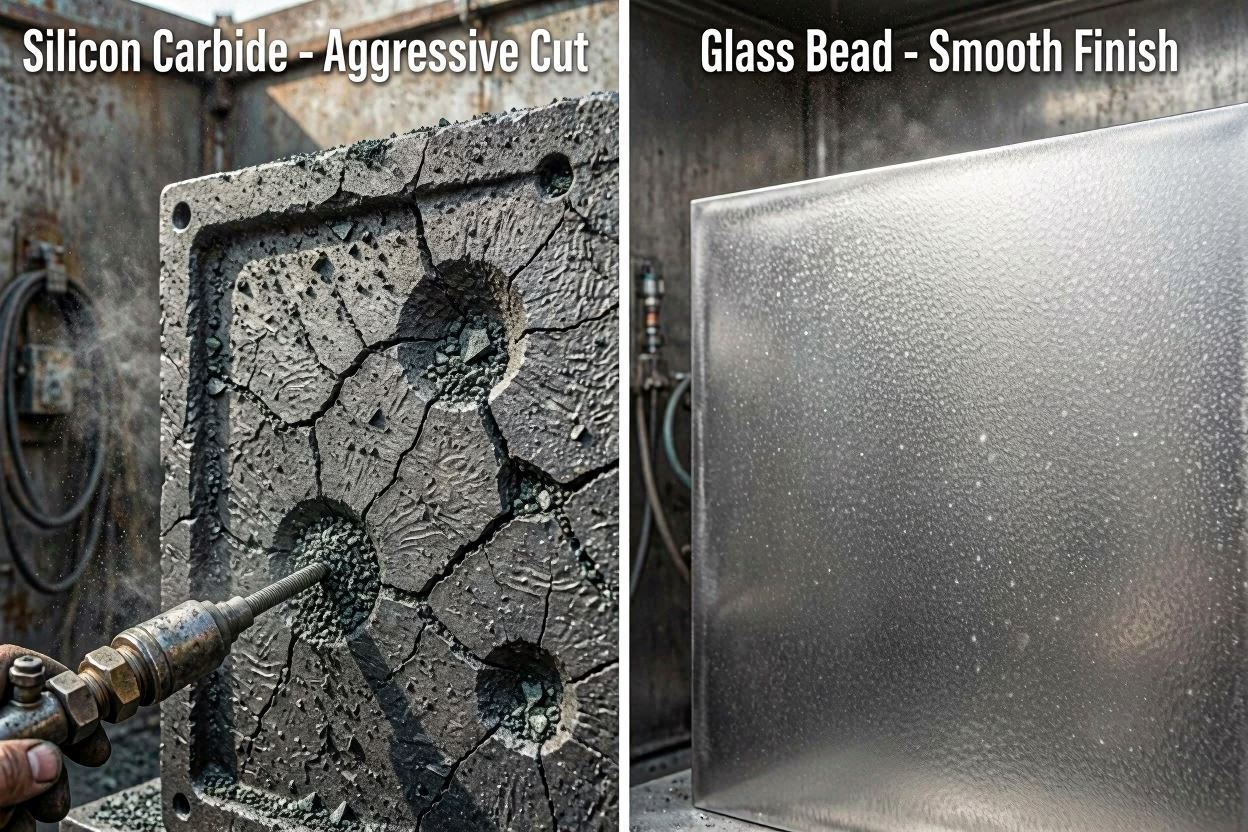
Angular abrasives — steel grit, aluminum oxide, garnet — excel at both mechanisms because their sharp edges deliver concentrated stress at the rust-metal interface. Rounded abrasives (steel shot, glass beads) are less effective at rust removal because they transfer energy as compressive force rather than concentrated cutting stress, and cannot effectively undercut or shear through rust layers.
2. Rust Grade Classification (ISO 8501-1)
ISO 8501-1 defines four rust grades (A, B, C, D) for the initial condition of steel before surface preparation:
| Rust Grade | Descripción | Recommended Media |
|---|---|---|
| Grade A | Steel largely covered with intact mill scale; little or no rust | Steel grit G25 (medium) — mill scale is very hard, requires aggressive angular abrasive |
| Grade B | Beginning to rust; mill scale beginning to flake | Steel grit G25–G40; garnet 20/40 for field work |
| Grade C | Rust widespread; mill scale rusted away; slight pitting | Steel grit G25; garnet 30/60; Al₂O₃ #36 |
| Grade D | Rust pervasive; pitting visible to naked eye | Steel grit G16–G25 (coarser to reach into pits); Al₂O₃ #24–#36 |
3. Best Media by Rust Severity
| Rust Severity | #1 Recommendation | #2 Alternative | Avoid |
|---|---|---|---|
| Light surface rust (Grade B), enclosed room | Steel grit G40, Medium HRC | Garnet 30/60 | Glass beads, soft media |
| Moderate rust (Grade C), enclosed room | Steel grit G25, Medium HRC | Al₂O₃ BFA #36 | Single-use slag (poor recyclability) |
| Heavy rust + pitting (Grade D), enclosed room | Steel grit G16–G25, High HRC | Al₂O₃ BFA #24–#36 | Garnet (insufficient for deep pits) |
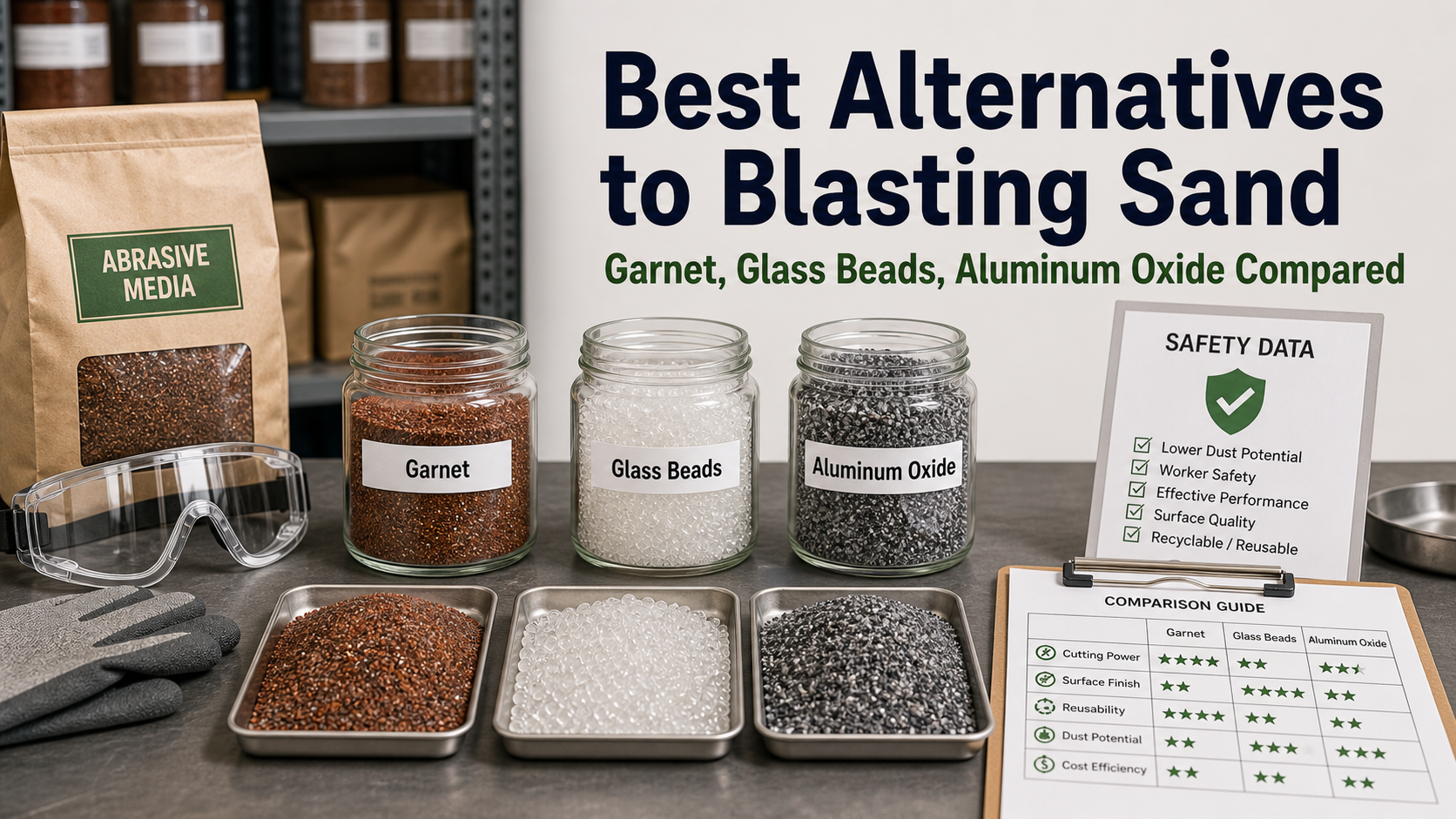
| Any rust grade, open-air field blast | Garnet 30/60 (low dust) | Copper slag, medium grade | Silica sand (prohibited) |
| Stainless steel rust/scale | White Al₂O₃ (WFA) #46–#60 | Garnet 30/60 | Steel grit (iron contamination) |
4. Structural Steel & Fabrication Shops
Steel fabrication shops preparing structural sections (beams, columns, plate girders, pipe) for protective coating are among the highest-volume consumers of blast media globally. The combination of high production throughput demands and the need for consistent Sa 2.5 achievement drives a strong preference for recyclable steel grit in automated blast rooms.
The standard configuration is a centrifugal wheel blast machine with multiple blast wheels running G25 or G40 steel grit at medium hardness. This setup achieves Sa 2.5 with 50–80 µm anchor profile on Grade A–D steel in a single pass at throughput rates of 10–50 m²/hour depending on machine size and steel configuration. The key productivity advantage of steel grit over all mineral abrasives in this application is its density: at 7.4 g/cm³, steel grit delivers far more kinetic energy per particle than garnet (3.9 g/cm³) or aluminum oxide (4.0 g/cm³), enabling faster rust and scale removal per unit area.
For sourcing details on steel grit grades optimized for fabrication shop use, see: Steel Grit & Steel Shot Suppliers: Specs, Grades & Bulk Pricing.
5. Shipyard Hull Blasting
Ship hull blasting — the preparation of vessel hull plating and superstructure for anti-corrosion coating systems — operates under some of the most demanding production constraints in the industry. Dry-dock windows are expensive; delays in hull preparation directly delay vessel departure and generate significant daily costs for ship owners.
Standard practice in modern shipyard blast halls uses G16 or G18 steel grit at medium-high hardness, running in high-capacity centrifugal wheel blast machines. The larger particle size of G16 (nominal 1.4 mm) delivers maximum kinetic energy per particle, enabling rapid removal of the heavy rust, scale, and old coating layers typically encountered on vessels entering dry-dock. Profile depths of 60–100 µm are achieved, compatible with most class-approved epoxy/antifouling coating systems.
Field touch-up blasting — used on block joints, areas inaccessible to the blast hall machine, and touch-up of damage — uses garnet 30/60 or 20/40 in pressure blast equipment. Garnet is preferred over slag for shipyard touch-up because it generates less dust in the confined dry-dock environment, has cleaner chemistry that is less likely to contaminate epoxy bonding surfaces, and can be used closer to the waterline without the environmental concerns associated with slag abrasive overspray.
6. Heavy Equipment & Mining Machinery
Rust removal from heavy off-road equipment — excavators, haul trucks, loaders, draglines — presents unique challenges: the equipment is large (blasting occurs in the field or in large maintenance bays), rust conditions are often Grade C–D on heavily corroded buckets and ground-engaging components, and coating systems are typically heavy-duty (polyurethane topcoats, urethane liners) requiring Sa 2.5 with 50–80 µm profiles.
For shop-based maintenance (blast bay with media recovery): steel grit G25–G40 at medium hardness is the standard. For field maintenance without recovery capability: garnet 30/60 or copper slag (medium grade) in pressure blast equipment. For very heavily corroded components where field blasting cannot achieve Sa 2.5 efficiently: power tool cleaning (SSPC-SP 11 or SP 15) as a preparation step before blast finishing.
7. Pipeline Rust Removal
New pipeline steel is typically Grade A or B (light mill scale and surface rust). Field blasting before FBE, 3LPE, or liquid epoxy coating requires Sa 2.5 with 40–70 µm profile. Garnet 30/60 or 36/60 is the dominant media choice for field pipeline blasting globally, driven by its low dust profile (worker safety on open jobsites), clean chemistry (no iron contamination on pipe surfaces where coating adhesion is critical), and explicit name specification in many pipeline owner coating documents.
Production-line pipe mills (blasting in automated facilities before factory-applied coating) use steel grit G25 or G40 in automatic blast machines, benefiting from the recyclability economics that make steel grit unbeatable in enclosed, high-volume operations. For the full comparison of media options for this application, see: Steel Grit vs. Aluminum Oxide vs. Garnet Comparison.
8. Frequently Asked Questions
Source the Right Media for Your Rust Removal Project
Contact Jiangsu Henglihong Technology Co., Ltd. with your rust grade, substrate, and production volume. Our team will specify the optimal abrasive grade and provide a competitive FOB quotation.
Obtener un presupuesto →Filtros