The History & Evolution of Abrasive Blasting: From Tilghman to Modern Robots
From an 1870 patent inspired by sand drifting against a window to robotic blast cells in modern shipyards, abrasive blasting has evolved through more than 150 years of industrial application. This is the brief history every specification engineer should know.
The 1870 Origin Story
The history of abrasive blasting begins with a patent granted to American inventor Benjamin Chew Tilghman on 18 October 1870 (US Patent 108,408). The traditional account holds that Tilghman observed wind-driven sand etching glass windows during military service in the desert, and recognized the industrial potential.
Tilghman’s original apparatus used gravity-fed sand directed through a nozzle by steam pressure. The process was immediately commercialized for engraving glass, sharpening files, and cleaning castings. Within five years, sand blasting had become a recognized industrial process in both the United States and Europe.
This 1870 origin is the basis for the entire modern surface preparation industry that produces every sand blasted surface used in coating, fabrication, and finishing today.
Industrial Age Adoption (1880–1920)
By the 1890s, sandblasting had spread across heavy industry. The dominant applications:
- Foundry cleaning — removing sand cores from iron castings
- Glass etching — decorative and industrial marking
- Boiler tube cleaning — descaling steam-era equipment
- Stone work — architectural surface texturing
The defining technical limitation was air pressure. Steam-driven nozzles produced uneven flow. The breakthrough came in 1904 when Thomas Wesley Pangborn developed the first reliable compressed-air sandblasting system.
The dark side of this era was occupational silicosis. Silica sand was the universal media with negligible respiratory protection. Mortality among long-term blast operators in the early 20th century is estimated at 30–50% from silicosis. This legacy drove the OSHA silica regulations of a century later, covered in our guide on the OSHA silica rule and eco-friendly alternatives.
Mid-Century Industrialization (1920–1970)
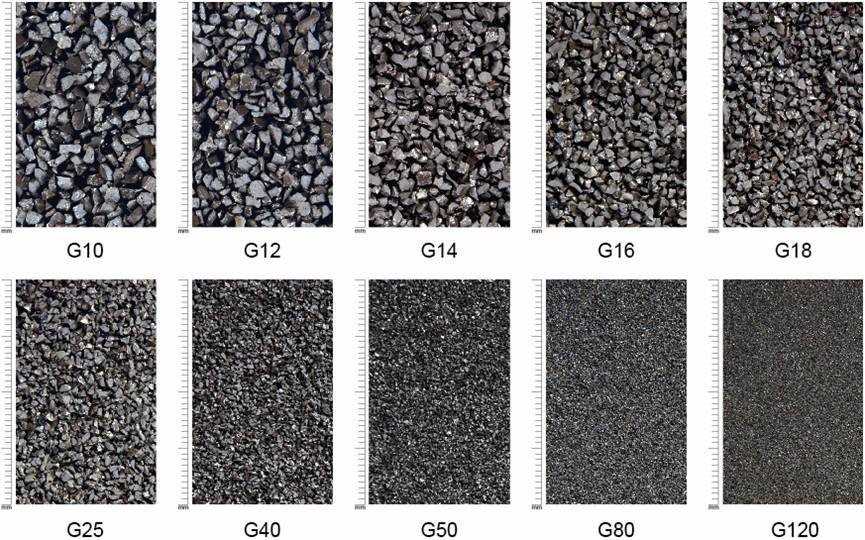
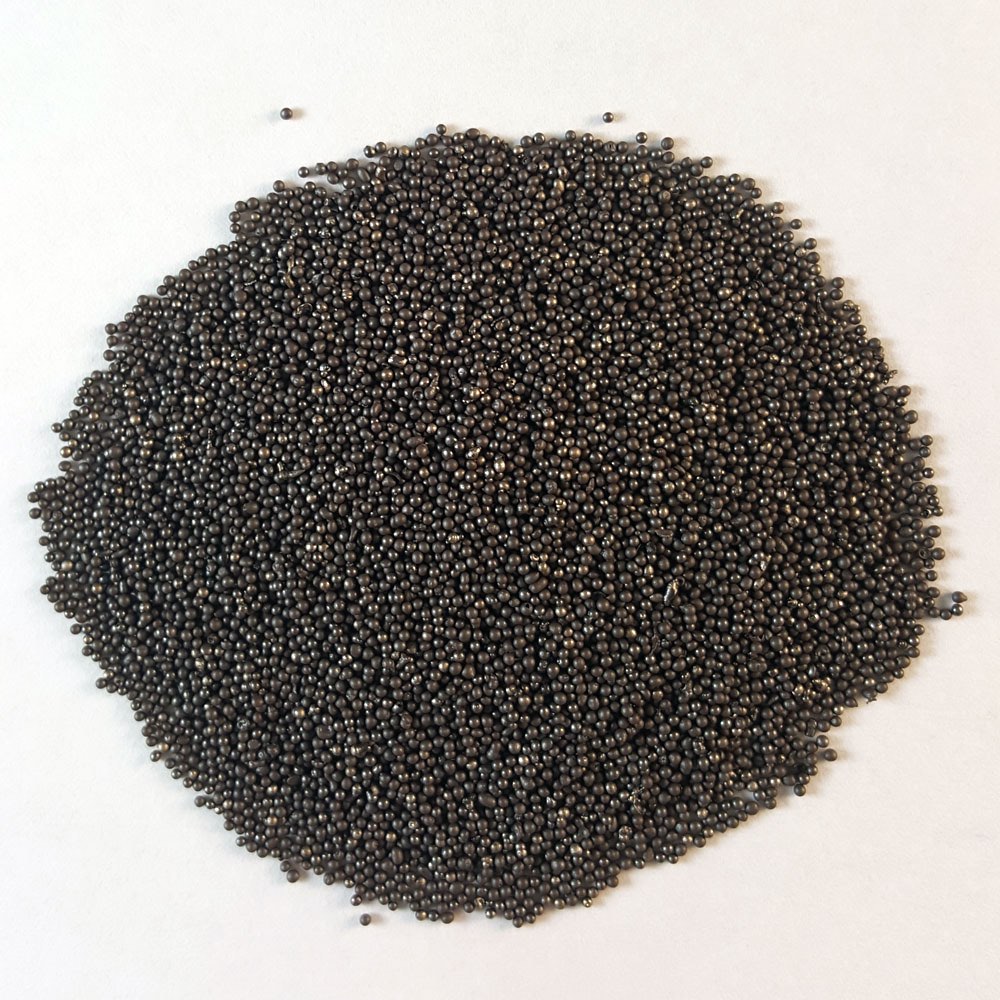
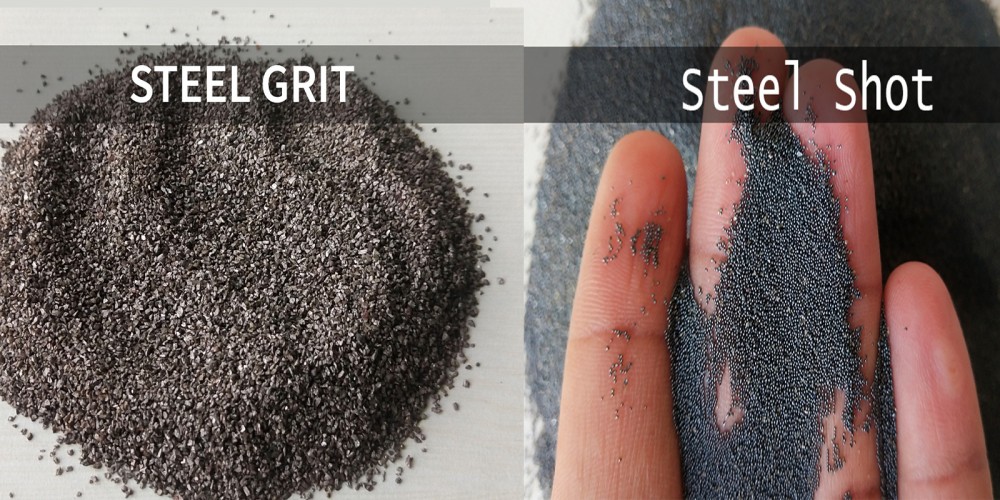
Steel Grit (1930s)
Recyclable steel grit replaced single-use silica for foundry and structural work, reducing media consumption by an order of magnitude.
Centrifugal Wheel (1940s)
The wheel-blast cabinet enabled high-throughput automated processing of castings without compressed air.
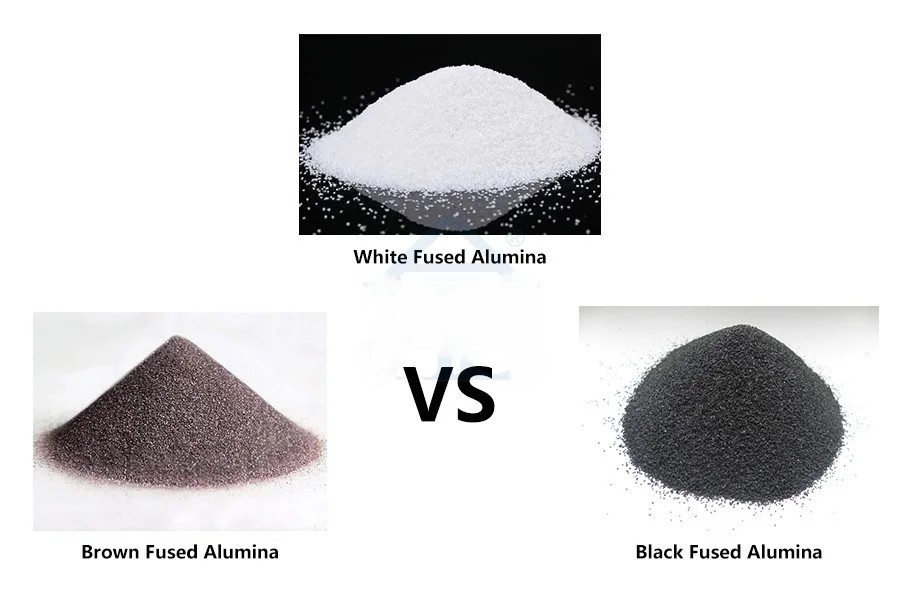
Aluminum Oxide (1950s)
Synthetic aluminum oxide offered controlled hardness, particle shape, and consistency unavailable in natural minerals.
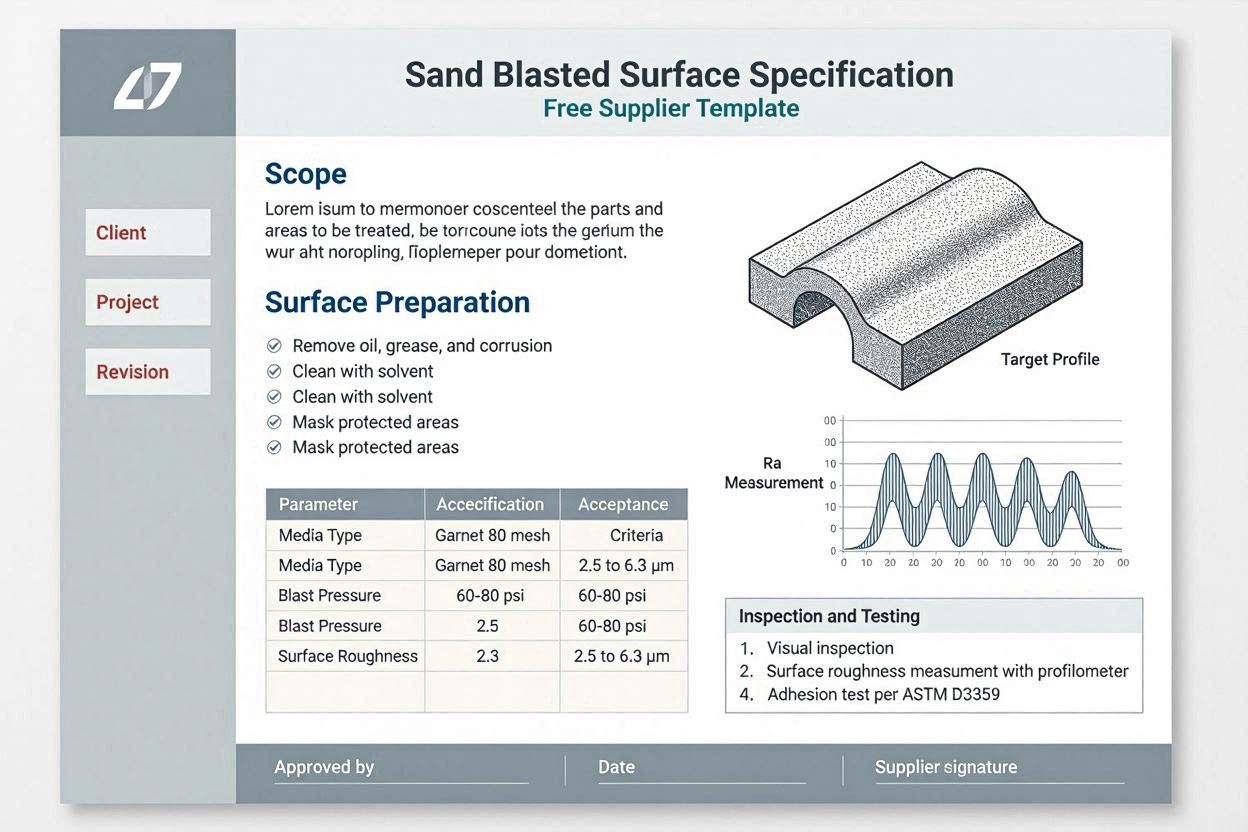
The standards infrastructure also emerged in this period. The Steel Structures Painting Council (SSPC) published its first surface preparation standards in 1952. The Swedish standard SIS 05 59 00 — the origin of the modern Sa 1 through Sa 3 grades — was published in 1967 and adopted internationally as ISO 8501-1 in 1988. The full standards story is in our SSPC vs ISO Sa cross-reference.
The Modern Era (1970–Present)
Three forces have reshaped the industry from the 1970s: environmental regulation, automation, and engineered media alternatives.
Environmental regulation. The 1971 OSHA establishment and subsequent silica exposure limits effectively banned bulk silica sand for industrial blasting in regulated markets. Garnet, aluminum oxide, glass bead, and engineered slags filled the gap.
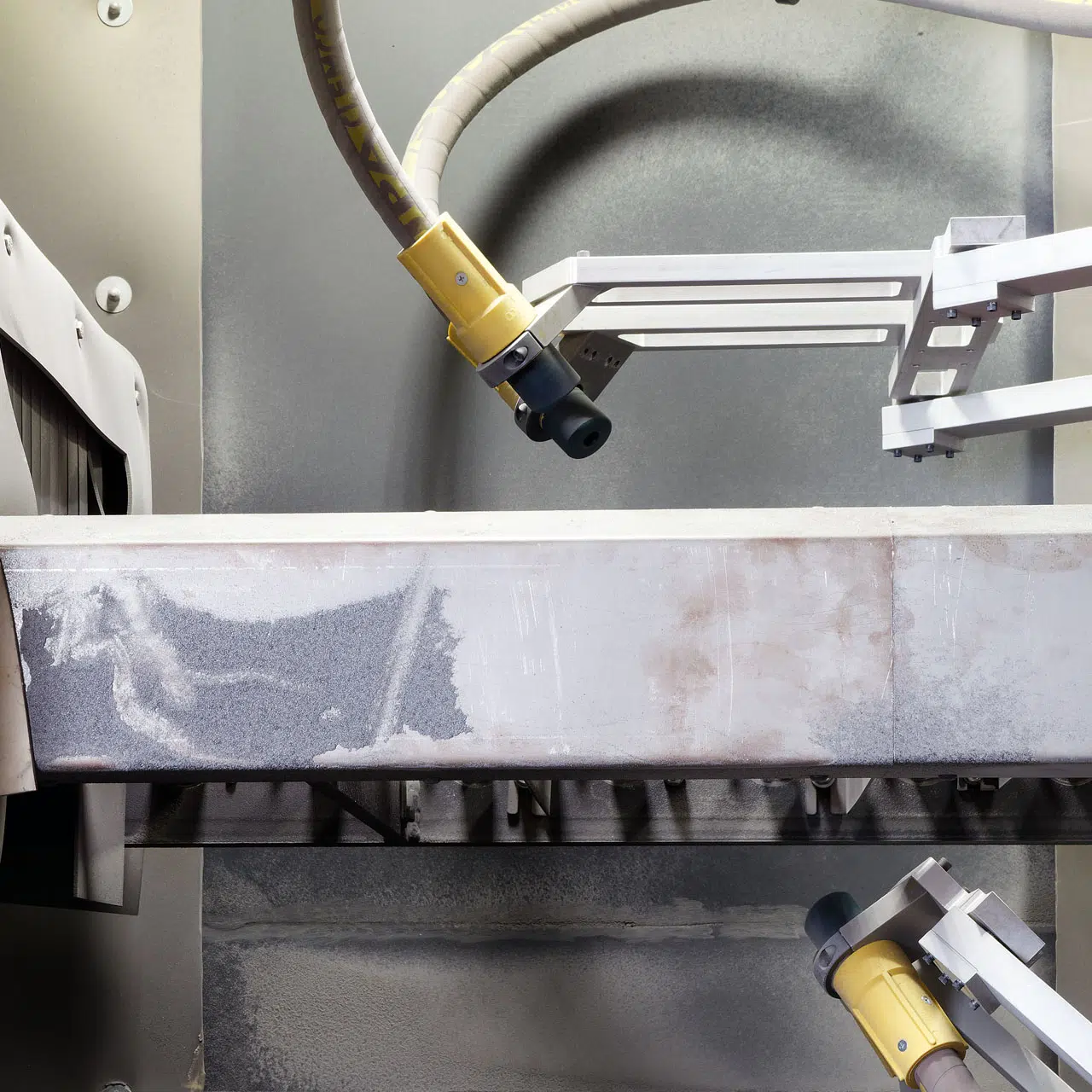
Automation. Robotic blast cells now handle aerospace components, automotive subframes, and structural panels at rates impossible for manual operators. A modern automotive frame blast cell processes a complete chassis in under 90 seconds.
Closed-loop reclamation. Vacuum recovery systems collect spent media, separate fines, and return reusable particles to the blast pot. Modern shipyards achieve 70–90% media recovery rates, transforming the economics of large-area work.
Vapor and slurry abrasive blasting. Wet abrasive blasting introduces water into the abrasive stream, suppressing dust and enabling silica-free operation. Widely adopted in maintenance painting since the 2010s.
Where the Industry Stands in 2026
As of May 2026, the global abrasive blasting equipment market exceeds USD 600 million and grows at approximately 4.5% annually, driven by:
- Infrastructure renewal in mature economies (bridges, pipelines, tanks)
- Expansion of offshore wind and oil & gas in emerging markets
- Increasing precision requirements in aerospace and medical device manufacturing
- Regulatory tightening on operator silica exposure globally
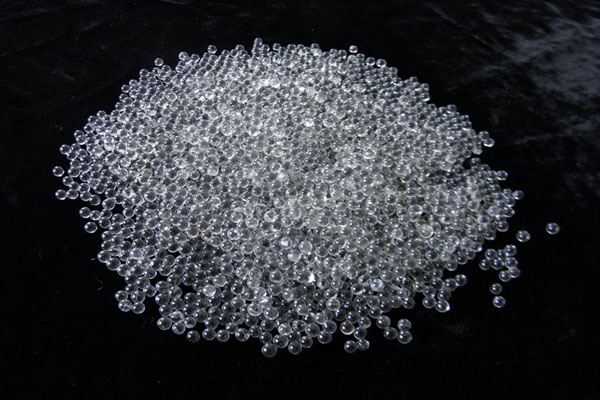
Jiangsu Henglihong Technology Co., Ltd. — founded in the 21st-century era of engineered abrasive media — supplies the modern alternatives that emerged from this 150-year evolution: aluminum oxide, garnet, glass bead, steel grit, and steel shot for industrial buyers across more than 40 countries.
Häufig gestellte Fragen
Who invented sandblasting?
Benjamin Chew Tilghman, an American inventor and Civil War veteran, patented the first abrasive blasting process in 1870 (US Patent 108,408).
When did compressed air sandblasting begin?
Thomas Wesley Pangborn developed the first practical compressed-air sandblasting system in 1904, replacing the steam-driven systems of the Tilghman era.
Why is silica sand no longer used industrially?
Crystalline silica from sand blasting causes silicosis, a fatal respiratory disease. Modern OSHA standards limit respirable crystalline silica exposure to 50 µg/m³, effectively banning silica sand in regulated markets.
When were the SSPC standards developed?
SSPC published its first surface preparation standards in 1952. The current numbered system (SP 1, SP 2, SP 3, etc.) emerged from these originals.
What is the latest innovation in abrasive blasting?
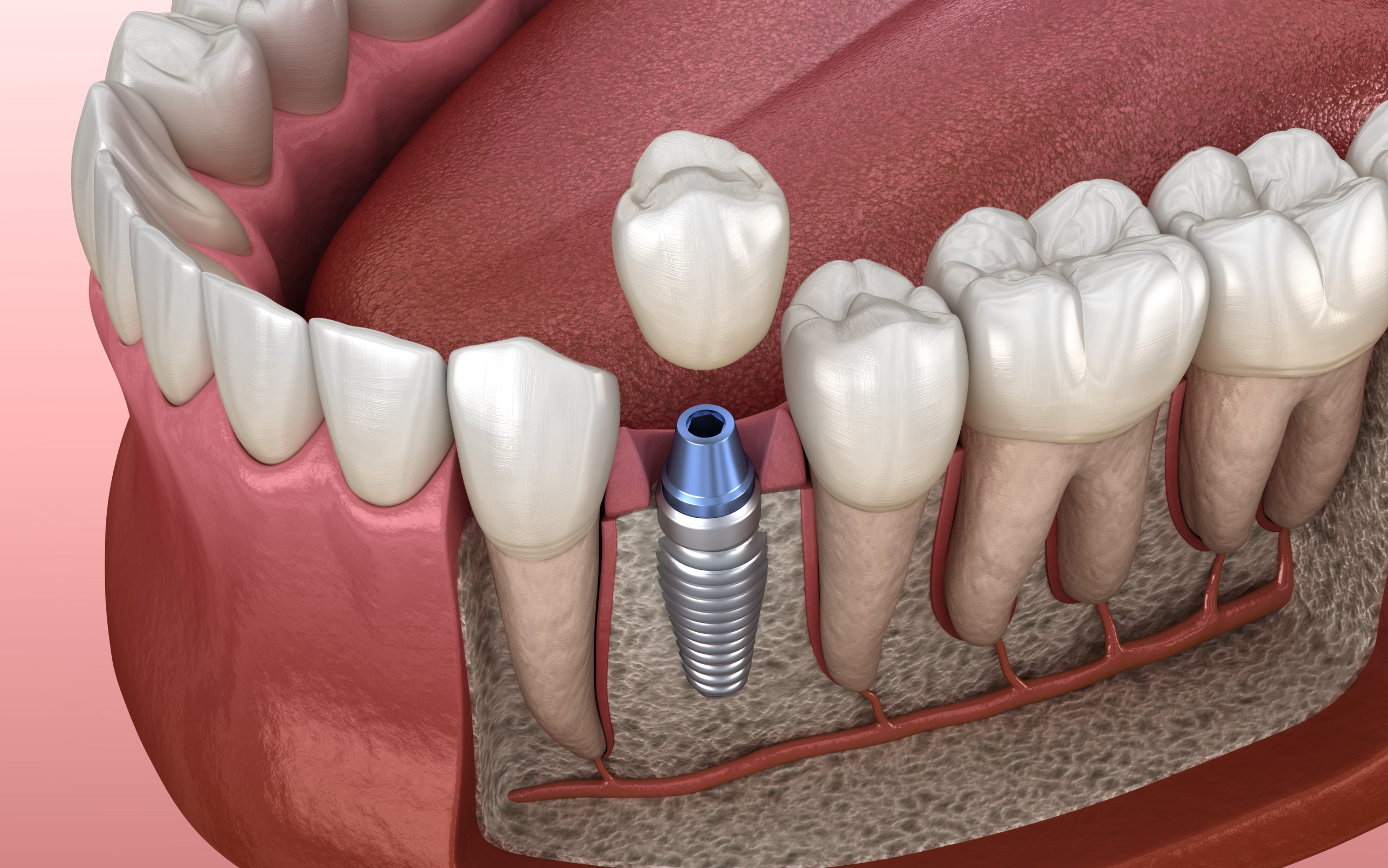
Recent developments include robotic blast cells with adaptive parameter control, closed-loop media reclamation achieving 90%+ recovery, vapor abrasive systems that suppress dust, and engineered media optimized for specific industries including biocompatible alternatives for medical implants.
Request an Abrasive Blasting Media Sample
Jiangsu Henglihong Technology Co., Ltd. supplies certified aluminum oxide, garnet, glass bead, steel grit, and steel shot to global industrial buyers. Request a sample with full batch documentation for technical evaluation.
Request a Sample →Filter