Garnet Abrasive Suppliers: GMA Garnet vs Almandine, Mesh Sizes & Bulk Sourcing
Garnet abrasive has become one of the most widely used blast media in oil and gas, marine, and industrial surface preparation — and for good reason. Its combination of moderate hardness, sub-angular particle shape, very low free-silica content, and low dust generation makes it an excellent choice for open-air blasting environments where worker safety and environmental compliance are paramount. For buyers evaluating garnet abrasive suppliers, understanding the difference between garnet types, mesh sizes, and blast-grade vs. waterjet-grade product is the essential starting point.
This article is part of the complete resource hub at Sandblasting Media Suppliers: The Industrial Buyer’s Complete Guide, published by Jiangsu Henglihong Technology Co., Ltd.
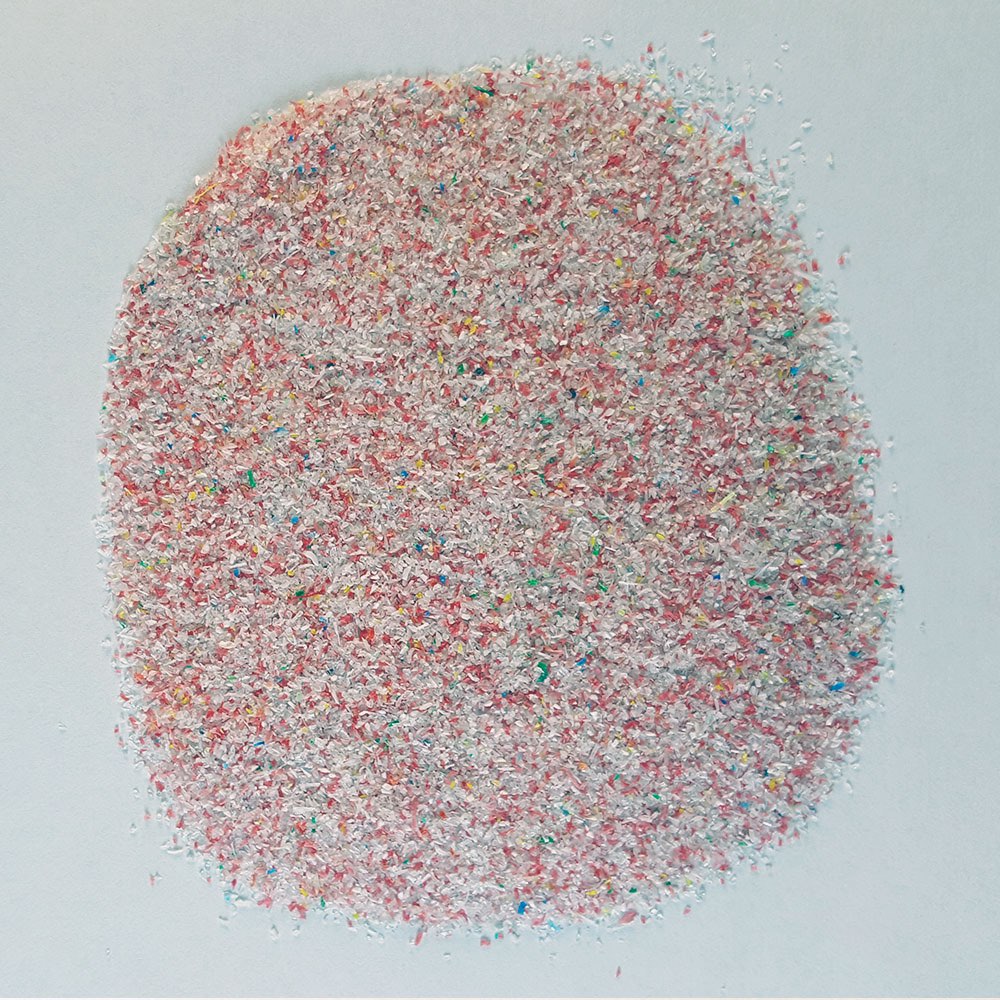
garnet varieties
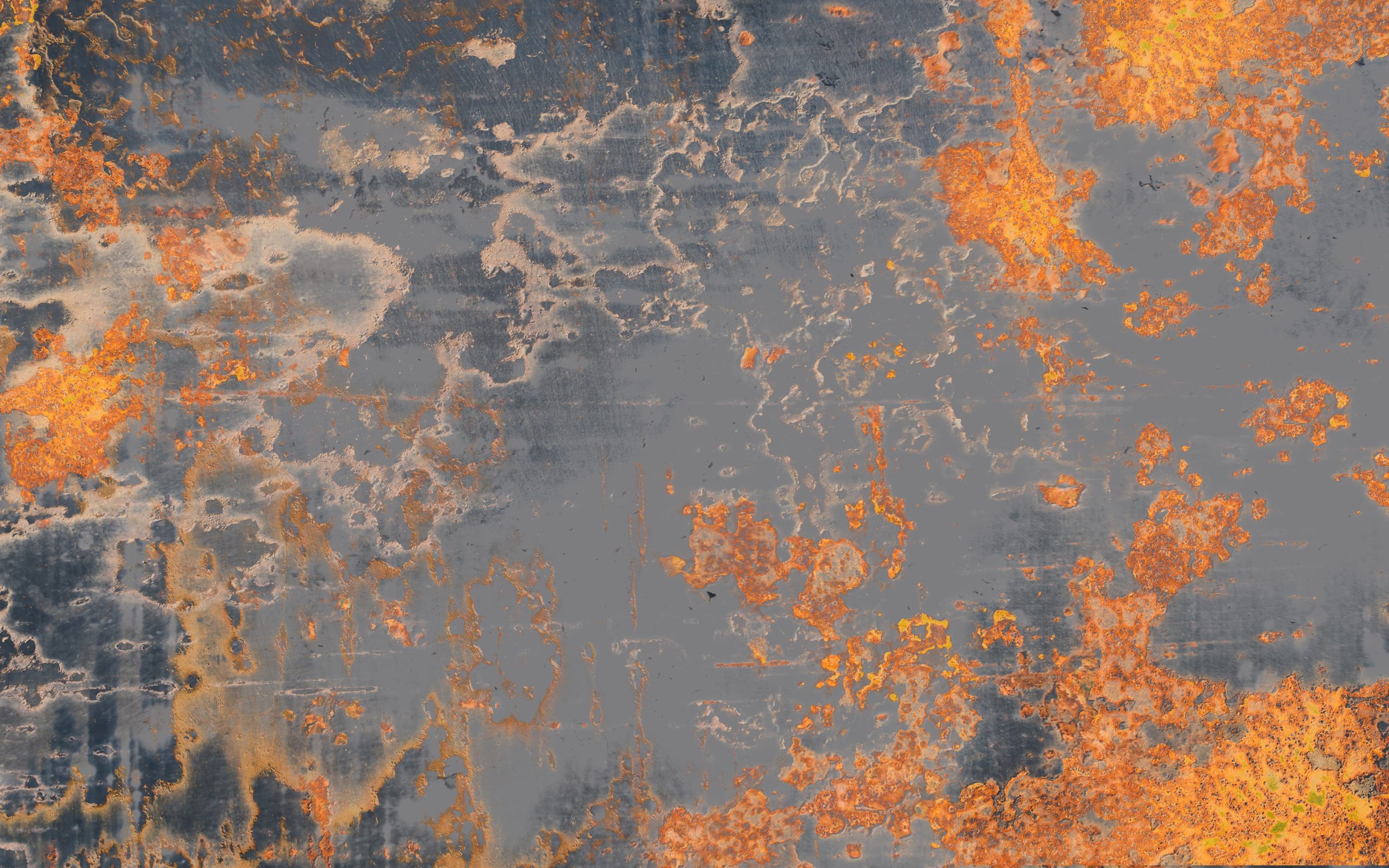
(OSHA compliant)
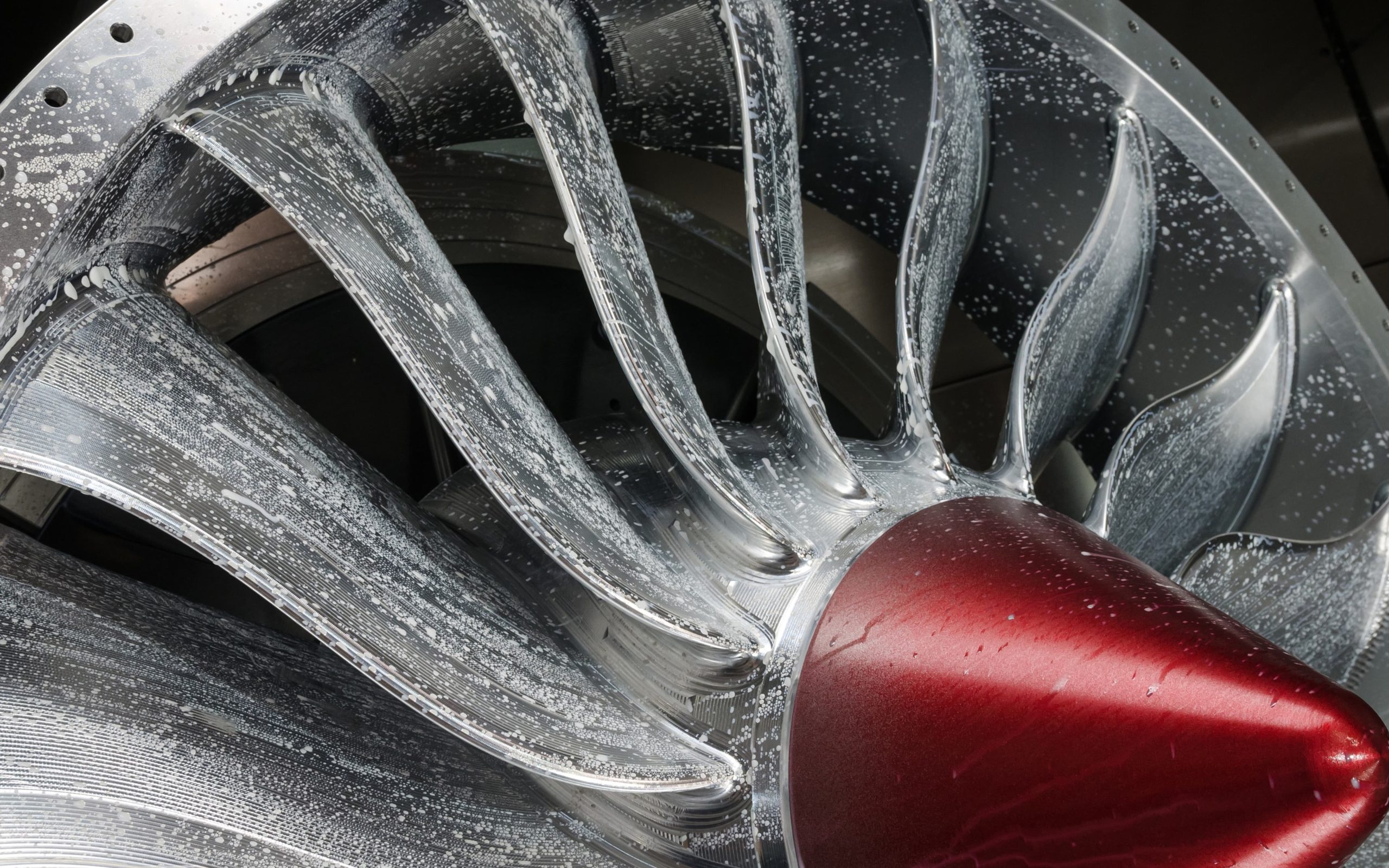
in blast cabinet
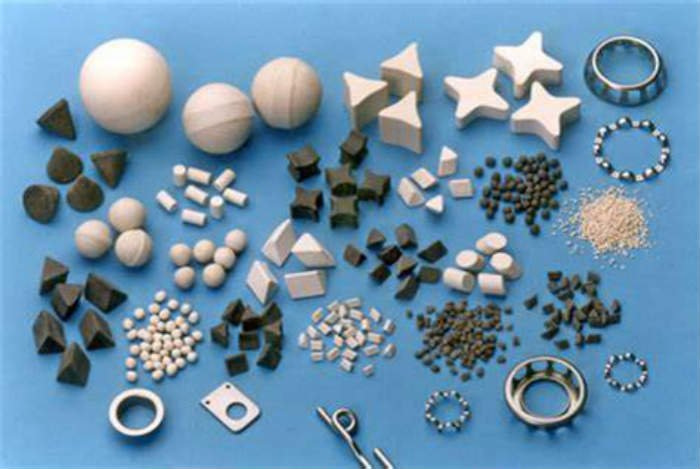
slag abrasives
1. What Is Garnet Abrasive?
Garnet is a group of naturally occurring silicate minerals sharing a common crystal structure but varying in chemical composition. The garnet minerals used industrially are predominantly almandine (iron aluminum silicate, Fe₃Al₂(SiO₄)₃) and andradite, with almandine dominating the abrasive market due to its hardness, toughness, and abundance in economically viable deposits.
Unlike synthetic abrasives such as aluminum oxide or silicon carbide, garnet is mined, crushed, screened, and classified — a relatively low-energy process that contributes to its favorable environmental profile. Crucially, industrial garnet contains chemically bound silica within a silicate crystal lattice rather than free crystalline silica (quartz). This distinction is what makes garnet OSHA-compliant as a blasting abrasive: the free silica content of quality garnet blast media is typically well below 1%, often below 0.1%.
2. GMA Garnet vs. Almandine Garnet
The two names most often encountered when sourcing garnet abrasive are GMA garnet (from Barton’s GMA Garnet Group, mining in Western Australia) and almandine garnet (the mineral species mined in India, China, and other locations). Understanding the distinction helps buyers make informed sourcing decisions.
| Property | GMA Garnet (Australian) | Indian Almandine Garnet |
|---|---|---|
| Mineral type | Almandine | Almandine |
| Mining origin | Western Australia | Rajasthan, India |
| Mohs hardness | 7.5–8.0 | 7.0–7.5 |
| Specific gravity | 4.0–4.1 | 3.8–4.0 |
| Free silica | <1% (often <0.1%) | <1% |
| Heavy metals | Very low | Low (varies by deposit) |
| Konsistenz | Very high (large-scale industrial mining) | Good to high (varies by supplier) |
| Certification | ISO 11126-10; widely approved by classification societies | ISO 11126 compliant (supplier-dependent) |
| Price premium | Higher (strong brand specification) | Lower |
| Best for | High-specification projects, inspection-heavy contracts | Cost-competitive projects, general industrial use |
3. Mesh Size Chart & Profile Depths
| Mesh Size | Particle Size Range (µm) | Typical Profile Depth | Primary Use |
|---|---|---|---|
| 8/12 | 2360–1680 | 100–160 µm | Very heavy coatings, aggressive profiling |
| 12/20 | 1680–850 | 80–120 µm | Heavy rust and scale removal |
| 16/36 | 1190–500 | 60–90 µm | Heavy industrial preparation |
| 20/40 | 850–425 | 50–75 µm | General structural steel Sa 2.5 |
| 30/60 | 600–250 | 40–65 µm | Standard blast-grade; most widely used |
| 36/60 | 500–250 | 35–55 µm | Pipeline coating preparation, FBE |
| 80 mesh | 180–212 | 20–35 µm | Fine profiling, thin-film coatings |
| 120 mesh | 125 µm nominal | 10–20 µm | Waterjet cutting (fine grade) |
The most widely used blast-grade garnet in the market is 30/60 mesh, which strikes the right balance between blasting productivity, Sa 2.5 cleanliness achievement, and the anchor profile depths (40–65 µm) required by most standard epoxy and polyurethane coating systems. For coating specification matching, see our dedicated resource: Surface Profile & Sa Rating Guide: Matching Blast Media to Coating Specs.
4. Blast-Grade vs. Waterjet-Grade Garnet
One of the most important distinctions for buyers is the difference between blast-grade garnet und waterjet-grade garnet. They are the same mineral but processed to very different specifications:
| Property | Blast-Grade Garnet | Waterjet-Grade Garnet |
|---|---|---|
| Particle size | Coarser: 30/60, 20/40, 16/36 | Finer: 80 mesh, 120 mesh, 200 mesh |
| Shape | Sub-angular; some rounded acceptable | Sub-angular; very consistent shape required |
| Purity | Standard | Higher — low chloride, low moisture |
| Fines content | Moderate tolerance | Very low — fines clog focusing tubes |
| Moisture | <1% acceptable | <0.5% required — pump wear risk |
| Price | Lower | Higher (tighter processing specs) |
5. Key Industrial Applications
Oil & Gas Pipeline Surface Preparation
Garnet 30/60 is the dominant media choice for abrasive blasting of oil and gas pipeline in the field. Its low dust generation reduces respiratory exposure risk for workers in open-air environments, its low free silica content ensures OSHA compliance, and the 40–65 µm profile it delivers is compatible with FBE, 3LPE, and epoxy coating systems specified for pipeline protection. Many pipeline project specifications explicitly list garnet as the approved abrasive.
Offshore & Marine Structures
Offshore platform maintenance blasting — conducted in the open or in semi-enclosed conditions — demands media with low dust to protect workers and minimize contamination of the marine environment. Garnet meets both requirements. Its lack of heavy metals and low free silica make it the lowest environmental-risk option among aggressive abrasives.
Shipbuilding Touch-Up and Field Repair
While centrifugal wheel blast machines running steel grit dominate new-build shipyard production, garnet in pressure blast equipment is widely used for field repairs, block joints, and areas inaccessible to automated blast machines. The absence of iron contamination risk is particularly valued on stainless steel pipe runs and non-ferrous fitting areas.
Waterjet Cutting
Fine-mesh garnet (80 and 120 mesh) is the standard abrasive for waterjet cutting of steel, aluminum, stone, glass, ceramics, and composites. The high-pressure water/abrasive slurry cuts through material without thermal distortion, making it invaluable for precision fabrication and cutting heat-sensitive materials.
Bridge and Infrastructure Maintenance
Bridge maintenance blasting — often conducted under controlled containment systems over waterways — benefits from garnet’s low environmental impact and good recyclability. Several state transportation departments in the US have approved garnet as the preferred abrasive for bridge maintenance projects under environmental containment.
6. Recyclability & Cost Economics
Garnet is moderately recyclable — typically achieving 3–6 cycles in a properly maintained blast room or cabinet with a good separator. Beyond that, particle attrition produces an excess of fines that reduce blasting efficiency. Compared to steel grit (500–2,000 cycles) and aluminum oxide (50–150 cycles), garnet’s recyclability is limited. However, garnet’s lower unit price than aluminum oxide partially offsets this disadvantage.
The key economic advantage of garnet lies in its performance as a once-through field abrasive: it delivers better surface quality, lower dust, and higher worker safety compliance than coal slag or copper slag at a competitive unit cost. For the full lifecycle cost comparison across all media types, see: Reusable vs. Single-Use Blast Media: Cost-Per-Cycle Analysis.
7. Bulk Sourcing & Pricing (May 2026)
The global garnet supply market is dominated by GMA Garnet Group (Australia), Barton International (USA/India), and various Indian and Chinese mining and processing operations. Pricing varies significantly by origin, mesh size, certification level, and order volume. The following ranges reflect FOB pricing as of May 2026:
| Produkt | Mesh Size | Origin | FOB Price (USD/MT) | Notes |
|---|---|---|---|---|
| Blast-grade almandine garnet | 30/60 | India / China | $180–$280 | Most competitive; ISO compliant |
| Blast-grade almandine garnet | 20/40 | India / China | $170–$260 | Coarser, slightly lower cost |
| GMA Garnet (Australian) | 30/60 | Australia | $350–$500 | Premium brand specification |
| Waterjet-grade garnet | 80 mesh | India / China | $220–$350 | Higher processing spec |
| Waterjet-grade garnet | 120 mesh | India / China | $280–$420 | Fine grinding, tight PSD |
8. Frequently Asked Questions
Request Garnet Abrasive Samples & Pricing
Specify your required mesh size, application (blast or waterjet), and target volume. Our team at Jiangsu Henglihong Technology Co., Ltd. will respond with a competitive quotation within 24 hours.
Contact Us →Filter