What Is Plastic Media? The Complete Guide to Types, Uses & Applications
What Is Plastic Media?
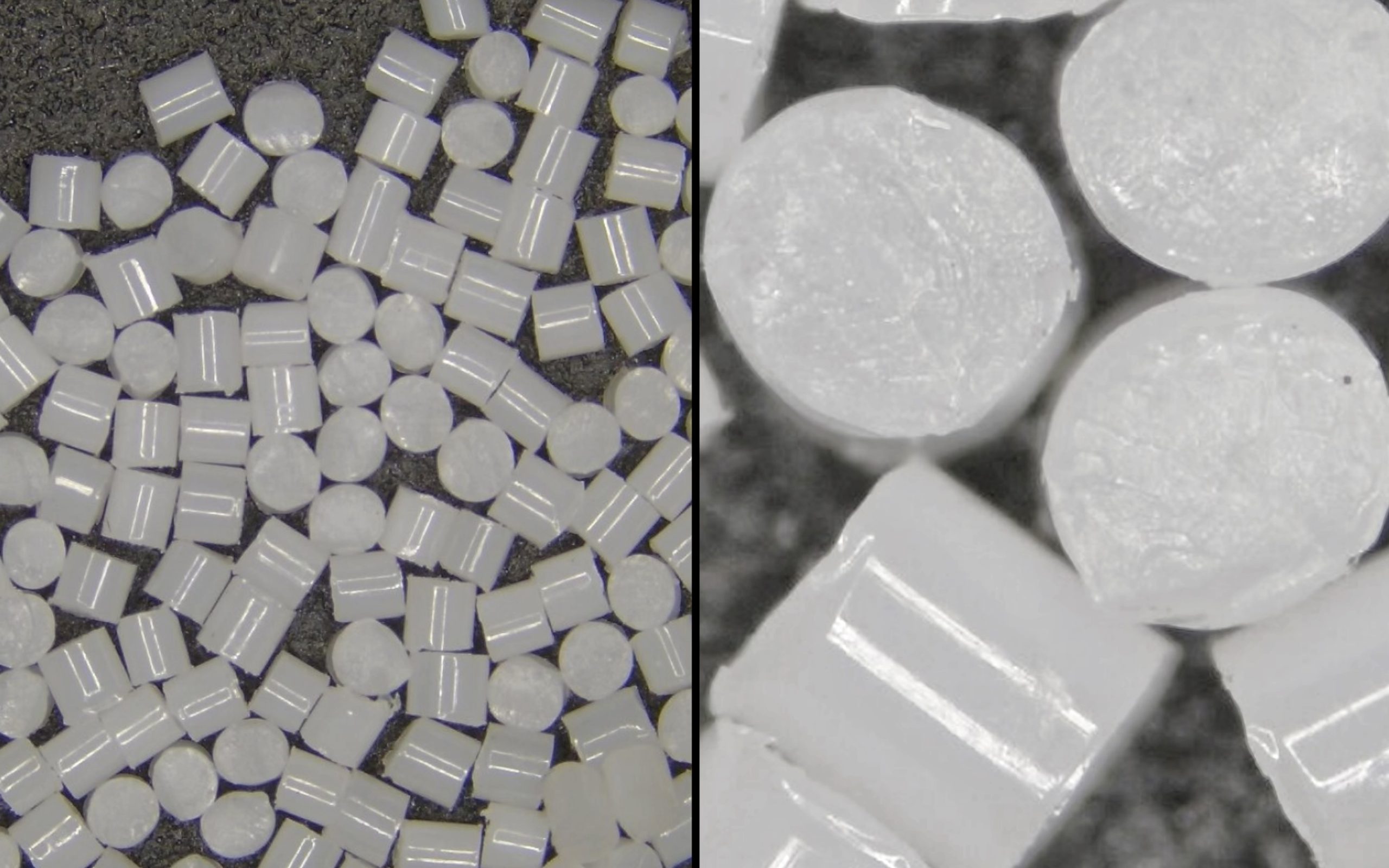
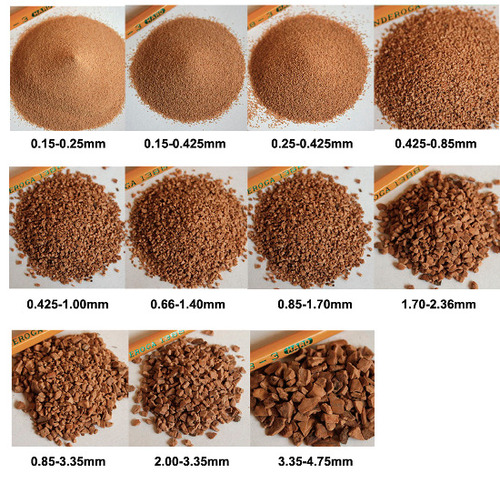
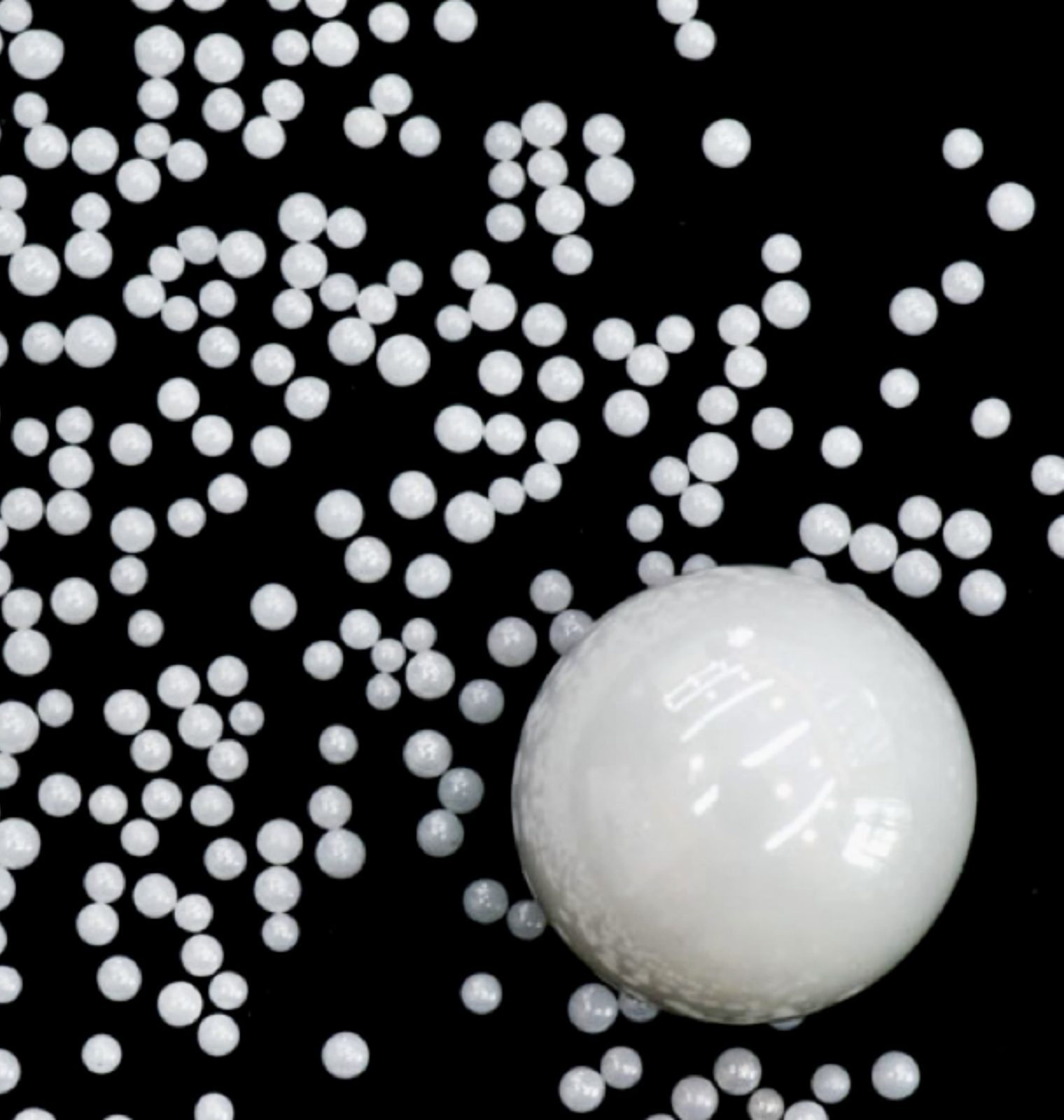
Plastic media refers to a category of synthetic abrasive particles engineered specifically for surface preparation, paint stripping, deburring, deflashing, and part finishing. Unlike conventional mineral abrasives such as silica sand, garnet, or steel grit, plastic media is manufactured from thermosetting or thermoplastic resins — most commonly urea formaldehyde, melamine formaldehyde, acrylic, and polyester — and shaped into angular, irregular granules or precision geometric forms.
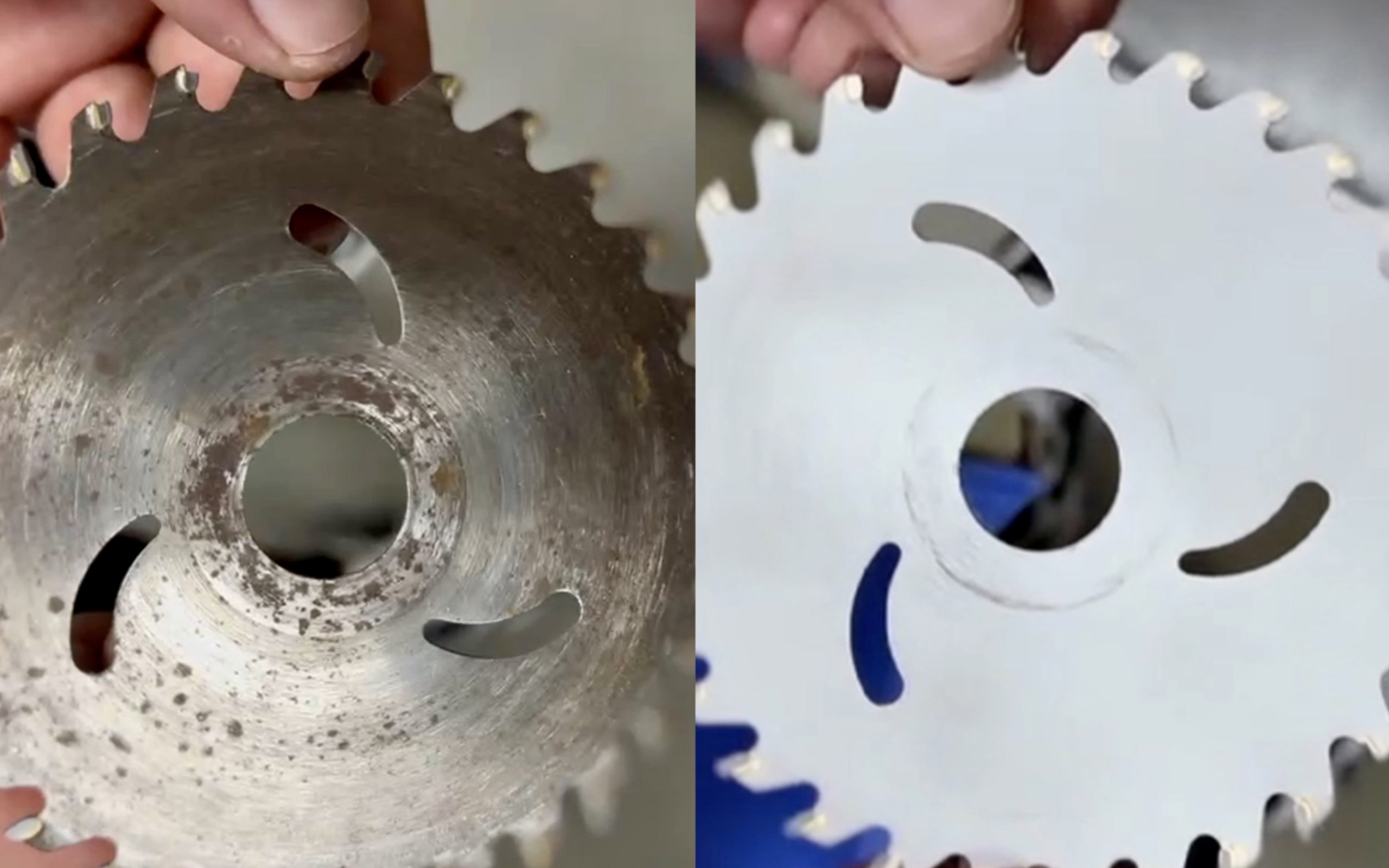
The defining characteristic of plastic media is its low-density, controlled hardness. With a Mohs hardness typically ranging from 3 to 4, plastic abrasives are soft enough to strip coatings without gouging or dimensionally altering the underlying substrate. This makes them uniquely valuable wherever substrate integrity is non-negotiable — think aircraft aluminum skins, composite panels, thin-gauge sheet metal, and intricate die-cast parts.
First developed for military aviation applications in the 1970s and 1980s — where stripping paint from aircraft without damaging the aluminum skin was a critical maintenance challenge — plastic media has since expanded into automotive refinishing, electronics manufacturing, mold maintenance, and decorative metal finishing. Today it is codified under the U.S. military standard MIL-P-85891A and used by aerospace OEMs, defense contractors, and precision job shops around the world.
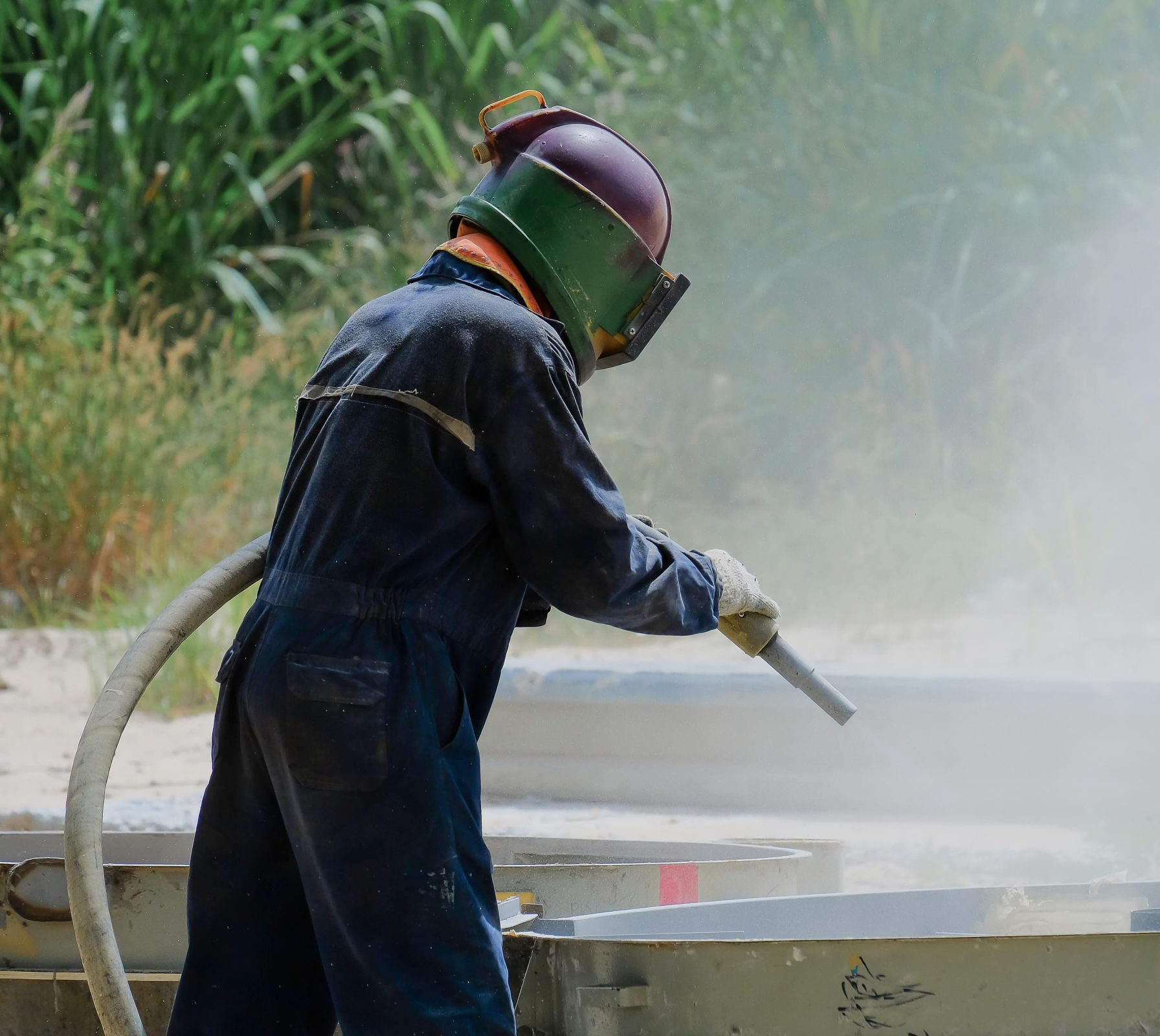
It is important to distinguish between two primary modes of use for plastic media: blast media (propelled by compressed air or centrifugal wheels against a surface) and tumbling/vibratory media (used in mass finishing bowls or tubs to deburr, burnish, or polish parts in bulk). Both share the same raw materials but differ in shape, bulk density, and the finishing outcome they deliver.
Types of Plastic Media
Not all plastic media performs the same. The resin chemistry, particle geometry, and MIL-SPEC type designation fundamentally determine aggressiveness, substrate compatibility, and reusability. Here is a comprehensive breakdown of the four principal types.
Type II — Urea Formaldehyde
Urea formaldehyde media is the workhorse of the plastic blast media family. It offers a medium hardness (Mohs ~3.5) and angular particle shape, making it aggressive enough to strip multiple layers of epoxy primer and topcoat yet still safe for aluminum alloys commonly used in aerospace and automotive structures. Type II is available in mesh sizes from 12 to 80, with coarser grades for heavy coating removal and finer grades for light surface scuffing prior to re-coating.
Its relatively low cost per cycle and good recyclability — typically 3–6 passes through a blast cabinet before particle breakdown — make it the most commercially widespread plastic blast abrasive. Learn more in our dedicated guides: Plastic Blast Media Types Compared: Urea vs Melamine vs Acrylic 和 Type II Urea Plastic Abrasive: When and Why to Use It.
Type III — Melamine Formaldehyde
Melamine is the hardest of the common plastic blast media types, with a Mohs hardness of approximately 4.0. Its increased hardness translates to greater aggressiveness on hard coatings — powder coats, mil-spec primers, and thick polyurethane topcoats — and makes it particularly effective on harder substrates such as titanium and steel. The tradeoff is that it is less forgiving on thin aluminum skins and composite laminates, where it can cause fiber pull-out or surface micro-fracturing if process parameters are not carefully controlled.
Type III also generates more heat during impact, which must be managed in temperature-sensitive applications. Despite its limitations, melamine is the preferred choice when throughput speed is paramount and the substrate can tolerate a more aggressive media.
Type V — Acrylic (PMMA)
Acrylic media is the softest and most delicate of the mainstream plastic abrasives, with a Mohs hardness closer to 3.0. Precision-engineered from polymethyl methacrylate (PMMA), Type V media excels in applications demanding the gentlest possible surface treatment — stripping paint from CFRP (carbon fiber reinforced polymer) panels, cleaning delicate electronic assemblies, or lightly scuffing plastic injection-molded parts prior to painting. Read more: Acrylic (Type V) Plastic Media for Sensitive Surfaces.
Because acrylic is less mechanically robust, it has a shorter reuse cycle than urea or melamine — typically 2–4 passes. However, the substrate protection it offers is unmatched among thermosetting abrasives, which makes its higher per-pass cost justifiable in high-value component finishing.
Type I — Polyester
Polyester media (Type I) sits at the softer end of the hardness spectrum alongside acrylic. It is primarily used in vibratory and tumbling mass finishing applications rather than in blast cabinets, where its cushioned impact action delivers gentle deburring, edge radiusing, and pre-plate finishing on zinc, brass, aluminum, and copper alloy parts. Its resilience and slow breakdown rate make it highly cost-effective in long-run tumbling operations.
For a full comparison of blast media versus tumbling media use cases, see: Plastic Tumbling Media vs Blast Media: What’s the Difference? 和 Using Plastic Tumbling Media for Aluminum Parts Finishing.
Type Comparison at a Glance
| 类型 | Resin | 莫氏硬度 | Aggressiveness | Best For | Reuse Cycles |
|---|---|---|---|---|---|
| Type I | Polyester | 3.0 | Low | Tumbling, deburring, burnishing | High (10+) |
| Type II | Urea Formaldehyde | 3.5 | Medium | Aerospace depainting, automotive | 3–6 cycles |
| Type III | Melamine | 4.0 | High | Hard coatings, steel, titanium | 4–8 cycles |
| Type V | Acrylic (PMMA) | 3.0 | Very Low | Composites, electronics, plastics | 2–4 cycles |
Key Properties & Advantages
What makes plastic media the preferred abrasive in precision industries? Several intrinsic properties set it apart from mineral, metallic, and organic alternatives:
Substrate Safety
Low Mohs hardness prevents dimensional alteration of aluminum, CFRP, and composite substrates. No embedment of abrasive particles into the workpiece surface.
可回收性
Multiple reuse cycles per charge dramatically reduce per-part abrasive cost. Separation systems remove broken particles and coating debris between passes.
Profile Control
Achieves near-zero anchor profile on sensitive substrates — critical where aerodynamic smoothness or bonding surface geometry is specified.
MIL-SPEC Certified
Manufactured and tested to MIL-P-85891A standards, ensuring process repeatability and traceability for defense and aerospace supply chains.
Lower Dust & Silica Risk
Unlike silica sand, plastic media generates no free crystalline silica dust, dramatically reducing occupational health risk without sacrificing performance.
Lower Total Cost
Reusability and elimination of substrate rework often makes plastic media more cost-effective than cheaper single-use abrasives over a full production run.
Industry Applications
Plastic media’s combination of substrate safety, coating removal efficiency, and process control has made it indispensable across a wide range of industries. Below are the primary verticals where plastic media delivers the greatest value.
Aerospace & Defense
Depaint and recoat cycles are a critical maintenance requirement for military and commercial aircraft. Conventional chemical strippers are increasingly restricted due to environmental and health regulations (particularly those containing methylene chloride). Plastic blast media — specifically Type II and Type III — offers a compliant, effective, and substrate-safe alternative. MIL-P-85891A certification ensures traceability and consistency across DoD maintenance facilities. See our full breakdown: How Plastic Media Is Used in Aerospace Depainting.
Automotive Refinishing & Restoration
Classic car restorers and collision repair shops rely on plastic media blasting to strip factory paint, undercoating, and corrosion protection from steel and aluminum panels without causing metal distortion, heat warping, or the rough texture that aggressive abrasives leave behind. The process preserves panel gauge, eliminates the need for chemical baths, and produces a surface ideally prepared for primer adhesion. Detailed guidance: Plastic Media Blasting for Automotive Paint Stripping.
Mold & Tool Maintenance
Injection molds, die-casting tools, and rubber molds accumulate carbon deposits, release agent residue, and flash over production cycles. Plastic media blasting — particularly with fine-grade Type II or acrylic media — cleans mold cavities and parting surfaces without altering critical dimensions or polished surface finishes. The result is extended mold life and shorter cleaning downtime versus mechanical or chemical methods. Read: Plastic Media for Mold Cleaning: Best Practices.
Electronics & Plastics Deflashing
After injection molding of thermoplastic or thermoset electronic components, residual flash — thin fins of material at parting lines — must be removed without damaging the part geometry or conductor traces. Plastic media (typically Type V acrylic or fine Type II) in a cryogenic or ambient tumbling system achieves consistent, high-throughput deflashing on connector housings, IC packages, and precision plastic parts. More information: Using Plastic Media for Electronics Deflashing.
General Metal Finishing & Mass Finishing
In vibratory and centrifugal disc machines, polyester and other plastic tumbling media deliver deburring, edge radiusing, and pre-plate surface conditioning on aluminum, brass, zinc die-cast, and copper components at scale. Parts exit the tumbling process with consistent, reproducible surface textures measured in Ra microinches — eliminating hand-finishing variability. See: Plastic Tumbling Media for Aluminum Parts Finishing.
How to Choose the Right Type
Selecting the wrong plastic media type for your application can mean inadequate coating removal, substrate damage, excessive media consumption, or failed process qualification. Use the following six-step decision framework to narrow your selection:
Define Your Substrate Material
Aluminum alloy, composite/CFRP, titanium, steel, or plastic? Softer substrates (aluminum, composites) require softer media (Type V or Type II). Harder substrates (titanium, steel) can tolerate Type III melamine.
Identify the Coating System
Single-layer enamel vs. multi-coat epoxy primer + polyurethane topcoat? Heavier, harder coating systems benefit from coarser mesh grades or more aggressive Type III media. Light coatings may require only fine Type II.
Check Dimensional Tolerances
Precision mold cavities and aerodynamic surfaces need the finest mesh grades (60–80) and softest type (V or I) to prevent any measurable material removal from the workpiece itself.
Consider Process Type
Blast cabinet, portable blast, centrifugal wheel, vibratory bowl, or tumbling barrel? Blast applications use angular media (Types I–III, V). Tumbling/vibratory applications use shaped media (cones, triangles, wedges) in polyester or urea.
Set Pressure and Angle Parameters
Plastic media typically operates at 20–60 PSI at 60–90° impingement. Higher pressures accelerate media breakdown and can damage thin substrates. Always trial-blast on a coupon first. See: What Pressure Should You Use for Plastic Media Blasting?
Evaluate Reuse & Reclaim Requirements
Multiple reuse cycles require a media reclaim and classification system to remove fines and paint debris. Factor this into your total cost of ownership calculation. Guidance: How to Reuse and Recycle Plastic Blast Media.
Plastic Media vs Alternatives
How does plastic media stack up against the most common competing abrasives? The table below provides a direct comparison across the dimensions that matter most in surface finishing decisions:
| Abrasive | Hardness (Mohs) | Substrate Safety | Surface Profile | Health Risk | 可回收性 |
|---|---|---|---|---|---|
| Plastic Media (Urea) | 3.5 | Excellent | Near-zero | Very Low | High |
| Walnut Shell | 3.5 | Good | Minimal | Low | Medium |
| Glass Bead | 5.5 | Moderate | Low–medium | Moderate | Medium |
| 氧化铝 | 9.0 | Poor | High | Moderate | High |
| 硅砂 | 7.0 | Poor | High | HIGH (Silicosis) | 无 |
When substrate protection is the overriding concern, plastic media has no equal among conventional abrasives. For full head-to-head comparisons: Plastic Media vs Walnut Shell: Which Is Better? 和 Plastic Media vs Glass Bead: Pros and Cons.
MIL-SPEC Standards & Compliance
MIL-P-85891A is the governing U.S. military specification for plastic media used in depaint operations on aircraft and military equipment. It defines five types of media (I through V) by resin chemistry, granule size grades, and performance requirements including bulk density, moisture content, pH, and breakdown rate.
Compliance with MIL-P-85891A is mandatory for all plastic media blast operations at DoD maintenance facilities and for contractors performing work on defense platforms. Certified media must carry a Certificate of Conformance (CoC) tracing the material to specific lot numbers and test results. When specifying media for defense contracts, always verify MIL-SPEC compliance with your supplier — generic “plastic blast media” available from commodity distributors may not meet the standard.
Beyond the U.S. military standard, European aerospace programs reference similar requirements through NADCAP (National Aerospace and Defense Contractors Accreditation Program), which audits process controls around plastic media blasting as part of special process qualification. Understanding the full compliance landscape is critical for aerospace and defense supply chain participants. For procurement guidance: How to Buy Plastic Blast Media: Grades, Packaging & Pricing 和 Best Plastic Media Suppliers in the USA.
Frequently Asked Questions
Can plastic media be used on carbon fiber composite (CFRP)?
Yes, but only with Type V acrylic or fine-grade Type II urea media, carefully controlled blast pressure (typically 20–35 PSI), and a perpendicular-to-fiber blast angle. Coarser or harder media types can cause inter-ply delamination or fiber breakout on CFRP surfaces.
How many times can plastic blast media be reused?
This varies by media type: polyester (Type I) offers the highest cycle count due to its resilience; melamine (Type III) 4–8 cycles; urea (Type II) 3–6 cycles; and acrylic (Type V) 2–4 cycles. A proper media reclaim system with air wash and screen separation is essential to maximize reuse.
Does plastic media embed in aluminum surfaces?
Unlike harder abrasives (steel grit, aluminum oxide), properly sized plastic media does not embed into aluminum under normal process parameters. Its hardness is lower than aluminum alloys commonly used in structures (7075-T6 Mohs ~3.5+), meaning particles fracture on impact rather than embedding into the workpiece.
What is the difference between plastic blast media and plastic tumbling media?
Blast media is angular, irregular in shape, and propelled at high velocity in a stream against a stationary workpiece. Tumbling/vibratory media is precision-shaped (cones, wedges, triangles, cylinders) and works by cascading against parts in a rotating or vibrating chamber. Both can use similar resin chemistries but are optimized for different finishing processes and outcomes.
Is plastic media blasting safe for health and the environment?
Plastic media generates significantly lower dust levels than silica sand and contains no free crystalline silica, eliminating silicosis risk. Thermosetting resin dust does require respiratory protection per OSHA standards. On the environmental side, plastic media waste (broken particles + paint debris) must be characterized before disposal — stripped coating residues may be classified as hazardous waste depending on their content.
Related Guides & Resources
Explore our full content library on plastic media — organized by topic to help you find exactly what you need:
📖 Types & Selection
🏭 Applications & Industry Use Cases
🔧 How-To & Process Guides
🛒 Procurement & Compliance
Tools & Exclusive Resources
The following resources address gaps we identified in existing online content on plastic media — information, tools, and depth that most suppliers and distributors simply don’t provide:
Interactive Media Selector Tool
Answer 5 questions about your substrate, coating, and application — get an instant, specific media type and mesh grade recommendation. No sales call required.
Downloadable Spec Comparison PDF
A print-ready reference sheet comparing all MIL-P-85891A types by hardness, bulk density, mesh grades, and recommended applications. Ideal for engineering review.
Process Setup Video Library
Watch real blast cabinet setups, media reclaim system operation, and vibratory bowl loading. See actual performance before committing to a media type.
TCO Calculator
Input your annual blasting volume, media price, and reuse cycle count to calculate and compare total cost of ownership across types — including waste disposal costs.
MIL-P-85891A Plain-English Guide
Our annotated plain-language summary translates the key requirements for engineers and procurement managers without a materials science background.
Waste Characterization Checklist
Used plastic blast media mixed with stripped paint debris may require hazardous waste characterization. Our RCRA-based checklist walks you through the process step by step.
过滤器