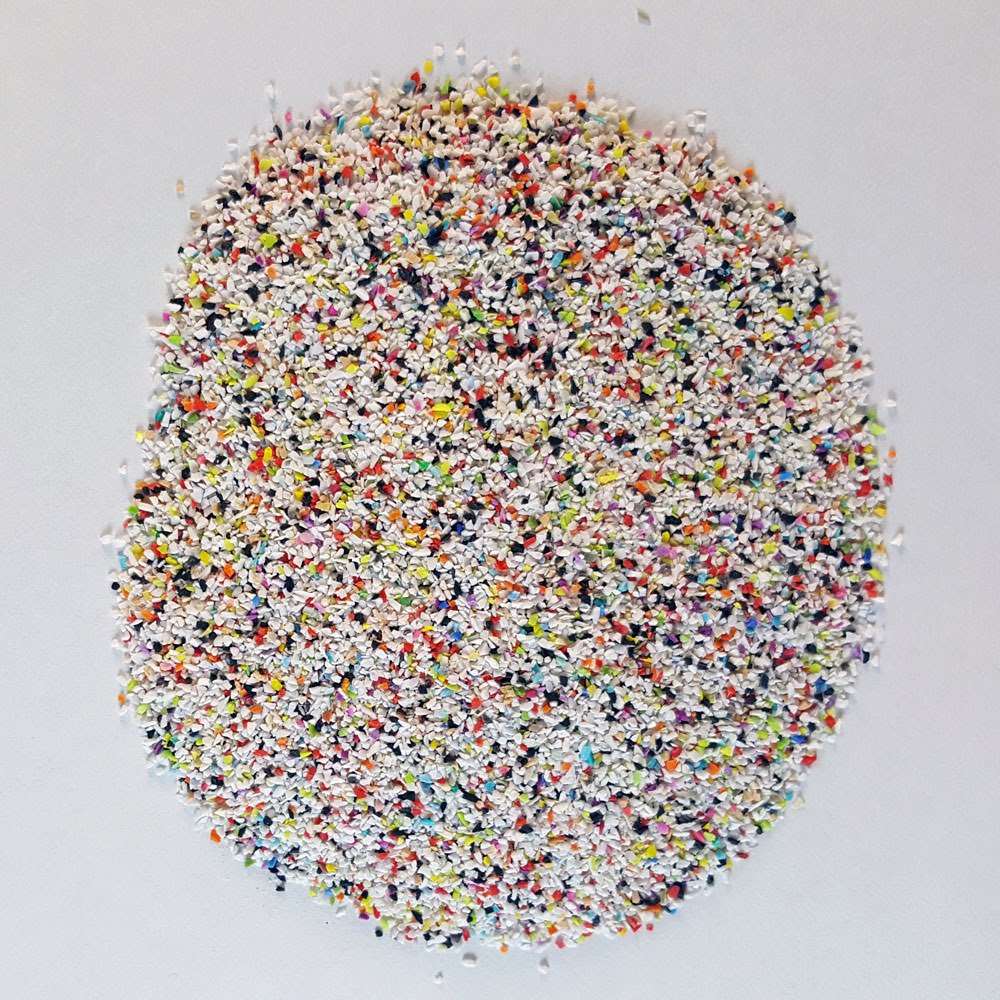
Molded rubber and plastic parts rarely fail because you picked the “wrong brand of abrasive.” They fail when you use ambient nylon media on flash that still bends, or run a cryogenic PC process when a simple room-temperature tumble would have been enough. This guide helps process and purchasing teams choose between 聚酰胺尼龙介质(PA6) 和 低温去飞溅介质(PC) — then confirm with a sample on your parts.
What each media is for
| PA6 nylon media | Cryogenic PC media | |
|---|---|---|
| 材料 | Polyamide (nylon) cylinders | Polycarbonate (+ antistatic grades) cylinders / hex shapes |
| Typical process | Ambient air blast or tumble deflashing | Used with cryogenic (LN₂) systems; also usable ambient where specified |
| Job | Soft flash / light burrs on parts that are already brittle enough at room temperature | Stubborn flash on flexible polymers after flash is embrittled by cold |
| Feel | Gentler impact, lower risk of marking soft faces | Higher impact toughness; better on complex geometry and tougher flash once cold |
Neither product is a substitute for coating-strip plastic grit (Type II / III) or for 陶瓷珠. Those are different jobs.
Decision rule (start here)
- Is the flash soft and rubbery at room temperature? (PA, PP, TPE, soft PVC, many elastomers)
→ You usually need cryogenic conditioning. Media alone at ambient often just folds the flash. Prefer PC cryogenic media in a qualified cryo cycle. - Is the part already rigid / thermoset at ambient? (many phenolics, epoxy packages, rigid housings with thin brittle flash)
→ Start with PA6 nylon at ambient. Step up to PC only if flash remains after a fair trial. - Do you already own a cryogenic deflash machine?
→ Spec media for that machine (size, antistatic need). PC grades are the usual workhorse with LN₂ systems. - No cryo equipment, flexible flash?
→ Buying harder media will not fix physics. You need process change (cryo vendor, redesign gate, or different secondary op) — not a bag of coarser nylon.
When PA6 nylon is the better first buy
- Room-temperature deflash cells already running nylon successfully
- Light flash on relatively stiff compounds
- Cost and media life matter more than maximum aggressiveness
- You want a gentler cylindrical media for mixed soft parts
Ask for size (common inch/mm cylinder cuts), color lot if you sort visually, and SDS / typical property sheet. Final size is confirmed on your machine — do not lock a production grade from a catalog table alone.
When cryogenic PC media is the better first buy
- Flash stays flexible until the part is cooled
- Complex ribs, blind gates, or thick flash that nylon leaves behind
- You need higher impact toughness and dimensional stability under high-cycle cryo blasting
- Antistatic grades are required to limit dust cling on dry polymer parts
PC media is often described as more suitable than PA6 for stubborn burrs and complex shapes in cryogenic service. Confirm temperature window and machine OEM guidance; typical cryo ranges vary by resin and should be qualified on your parts — not copied from a blog as a fixed number.
What not to confuse
| Need | Better family |
|---|---|
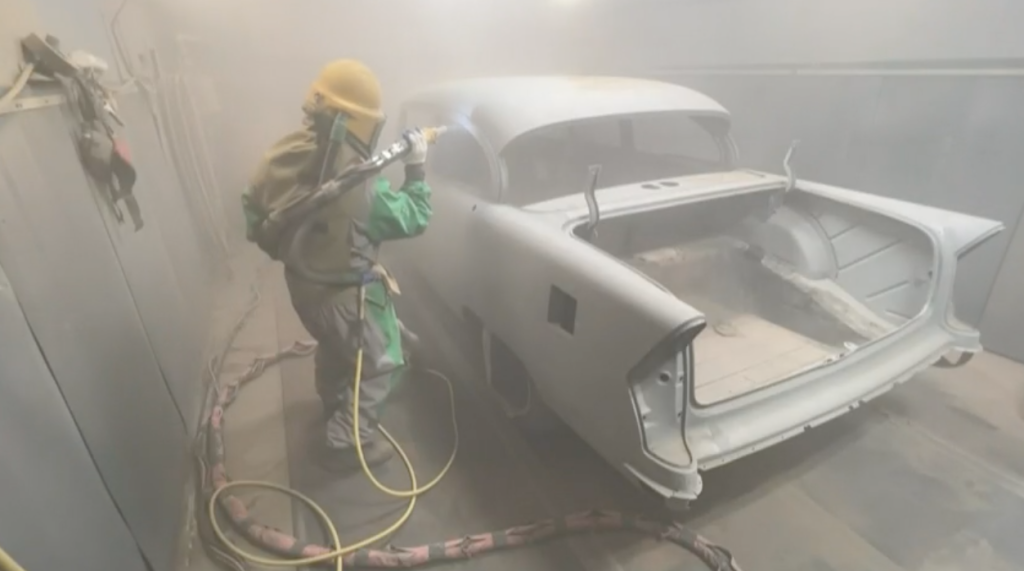
| Paint / powder strip on metal | Plastic blast grit (urea / melamine), not nylon cylinders |
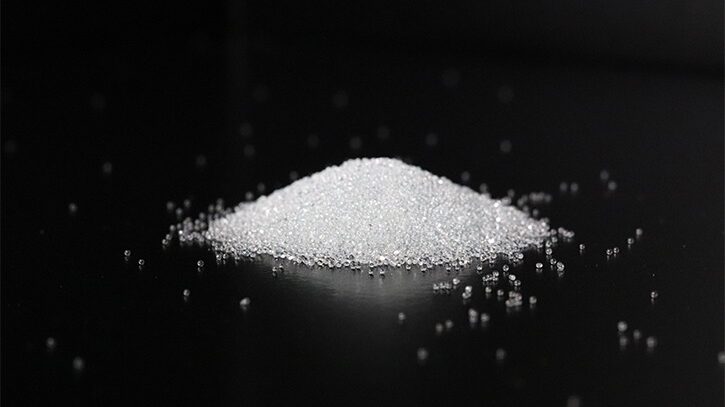
| Satin metal finish | Glass or ceramic beads (selection site: ceramicblastmedia.com for ceramic depth) |
| Heavy steel rust / profile | Aluminum oxide or steel grit |
What to send for a quote or sample
电子邮件 contact@hlh-js.com or use the contact form with:
- Polymer family and part photos (flash thickness if known)
- Ambient vs cryogenic equipment (brand/model if available)
- Current media and what fails (flash left, surface marks, static)
- Monthly volume and ship-to country
Jiangsu Henglihong Technology Co., Ltd. supplies both PA6 and PC deflash media with export packing. We recommend a starting grade from your application notes — then confirm after a short trial on scrap parts.
Related reading on this site
过滤器