Zirconia Beads: The Complete Guide to Industrial Surface Treatment Media
Everything procurement engineers and surface treatment specialists need to know about YSZ zirconia beads — from material science to real-world application performance in shot peening, deburring, polishing, and coating removal.
1. What Are Zirconia Beads?
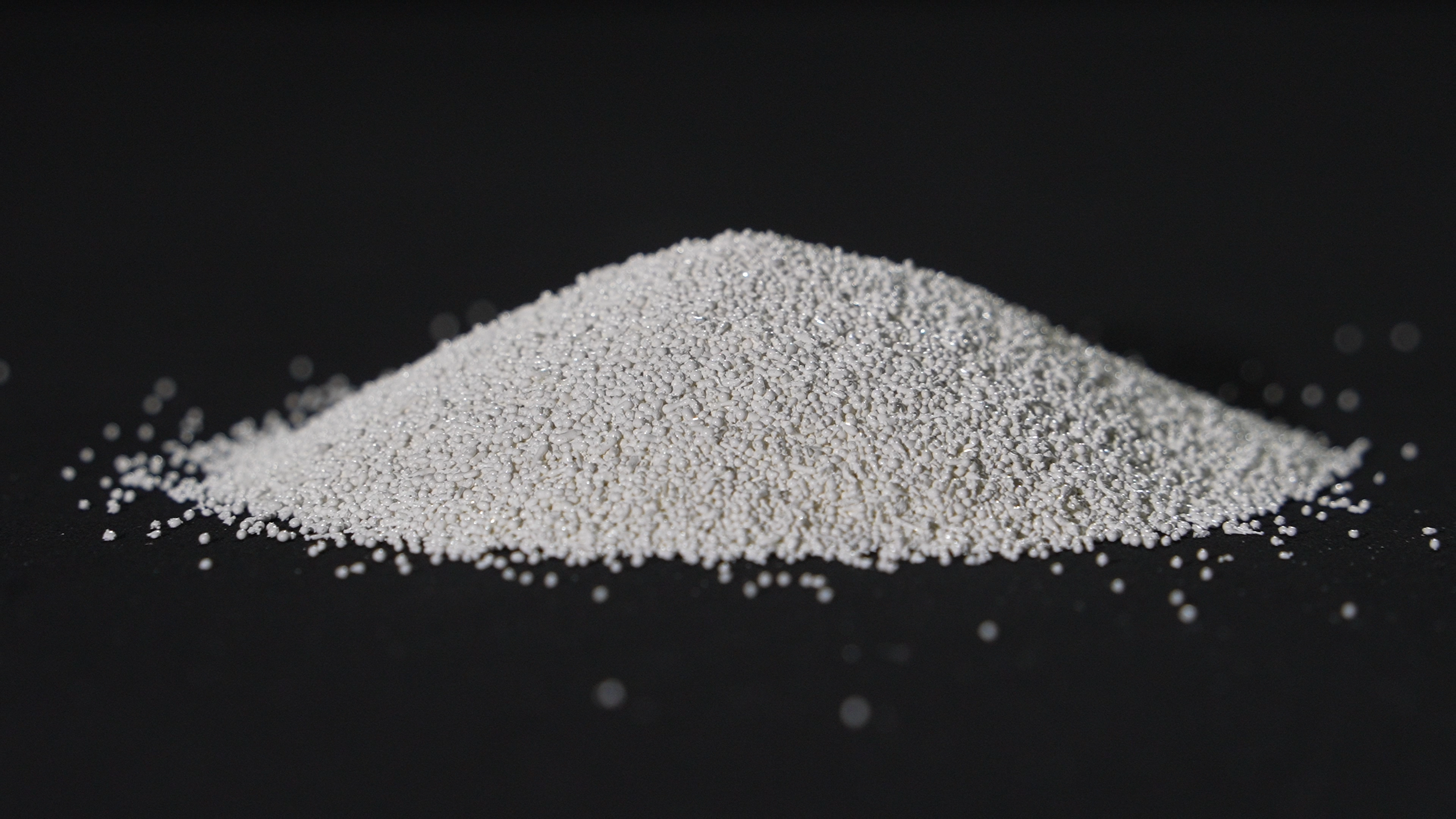
Zirconia beads are spherical abrasive media manufactured from zirconium dioxide (ZrO₂), a high-performance advanced ceramic that combines exceptional hardness, high density, and outstanding fracture toughness. In industrial surface treatment, they are used as the kinetic energy carrier in blasting, shot peening, mass finishing, and vibratory polishing operations — essentially, they are the projectile that physically transforms a workpiece surface.
The term “zirconia beads” encompasses several stabilized formulations. The most technically advanced — and the product manufactured by Jiangsu Henglihong Technology — is Yttria Stabilized Zirconia (YSZ), in which yttrium oxide (Y₂O₃) is added at 3–8 mol% to lock the zirconia crystal structure in its tetragonal phase. This phase stabilization is the foundation of all the performance advantages YSZ offers over conventional blasting media.
In surface treatment contexts, the word “bead” is used specifically to describe nearly perfect spheres — as opposed to angular grit or irregularly shaped media. The spherical geometry is critical: it produces compressive residual stresses, smooth surface finishes, and controlled, reproducible results without the micro-notching and tearing that angular abrasives create.
2. Material Science: Why YSZ Outperforms Other Media
The performance advantage of YSZ beads is not marketing language — it is grounded in measurable material properties that translate directly to better process outcomes and lower total cost of ownership.
Transformation Toughening
When a crack begins to propagate through a YSZ bead, the stress field at the crack tip triggers a localized phase transformation from metastable tetragonal to monoclinic. This transformation expands the material by approximately 3–4 vol%, creating a compressive zone that clamps the crack and arrests its growth. No other common blasting medium possesses this self-reinforcing fracture resistance. The practical result: YSZ beads survive far more impact cycles before fragmenting.
High Density for Maximum Impact Energy
At 6.0–6.1 g/cm³, YSZ is substantially denser than glass beads (2.5 g/cm³) and alumina (3.9 g/cm³), and comparable to steel shot (7.8 g/cm³). In a pneumatic or centrifugal blasting system, kinetic energy scales with mass, so a YSZ bead delivers two to three times the impact energy of a glass bead of the same size at the same velocity. This means deeper compressive stress profiles in shot peening and faster material removal in cleaning and deburring applications.
Chemical Inertness
ZrO₂ is chemically inert across a broad pH range (pH 2–14) and is non-reactive with metals, alloys, plastics, and coatings at typical processing temperatures. This matters in applications like medical implant finishing, food-equipment deburring, and aerospace component treatment, where contamination by iron oxides (from steel shot) or silica (from glass) is unacceptable.
3. Key Physical and Mechanical Properties
vs 2.5 for glass
Harder than steel shot
Consistent geometry
Under equivalent conditions
| Property | YSZ Zirconia Beads | 玻璃珠 | 钢丸 | Alumina Ceramic |
|---|---|---|---|---|
| 密度(克/立方厘米) | 6.0 – 6.1 | 2.45 – 2.55 | 7.6 – 7.9 | 3.7 – 3.9 |
| Hardness (HV) | 1100 – 1300 | 500 – 600 | 400 – 700 | 1400 – 1600 |
| Fracture Toughness (MPa·m½) | 6 – 12 | 0.7 – 0.8 | — | 3 – 5 |
| Sphericity | >98% | 95 – 99% | 70 – 90% | 80 – 95% |
| Chemical Purity | ZrO₂ + Y₂O₃ | SiO₂ (silica) | Fe / carbon alloy | Al₂O₃ |
| Relative Lifespan | Excellent | Poor | Moderate | Good |
| Contamination Risk | 无 | Low | High (Fe, rust) | Low-Medium |
One property that is frequently overlooked in media selection is sphericity consistency over the bead’s service life. Glass beads and low-quality ceramic alternatives fracture into angular shards as they break down, introducing unpredictable surface damage late in their operational cycle. YSZ beads, by contrast, round off progressively due to their toughness, maintaining a spherical-dominant geometry far longer. This means process parameters — air pressure, dwell time, surface roughness targets — remain stable throughout the media charge’s life.
4. Core Surface Treatment Applications
Zirconia beads are exceptionally versatile within the surface treatment domain. Below are the five primary process categories in which YSZ beads deliver measurable advantages over competing media.
4.1 Shot Peening
Shot peening is a fatigue-life enhancement process in which a stream of spherical media is directed at a metallic surface at high velocity. Each impact creates a small indentation, displacing material elastically and plastically. The elastic spring-back of the surrounding material leaves a compressive residual stress in the near-surface layer, which counteracts tensile fatigue stresses and dramatically delays crack initiation.
YSZ beads are the premium choice for shot peening demanding components because their high density generates deeper compressive stress layers per unit of energy input. Coverage uniformity is also superior: >98% sphericity ensures that every impact produces a consistent Almen intensity contribution, enabling tighter Almen strip certification tolerances per AMS 2430 and SAE J443 standards.
For in-depth guidance on parameters, Almen intensity ranges, and equipment setup, see our dedicated guide: Zirconia Beads for Shot Peening — Process Parameters, Standards & Industry Applications.
4.2 Deburring & Edge Finishing
Burrs — thin projections of excess material left by machining, stamping, or casting — are a persistent challenge in precision manufacturing. Left unremoved, they cause assembly interference, accelerate wear on mating surfaces, and create stress concentration points in load-bearing components.
Zirconia beads used in vibratory, centrifugal barrel, or wet tumble finishing systems remove burrs through repeated low-energy impacts. The combination of high density and toughness means more effective burr removal per cycle with less media loss. Critically, the spherical geometry protects tight-tolerance features: unlike angular grit, spherical ZrO₂ beads remove burrs and blend edges without cutting into dimensional surfaces or leaving directional scratch patterns.
Common deburring applications include aerospace turbine blade edge finishing, medical implant burr removal (where iron contamination from steel shot is a disqualifying defect), hydraulic component cross-hole deburring, and precision gear tooth edge blending. Explore the full process guide here: Zirconia Beads for Deburring & Edge Finishing — Complete Process Guide.
4.3 Surface Polishing
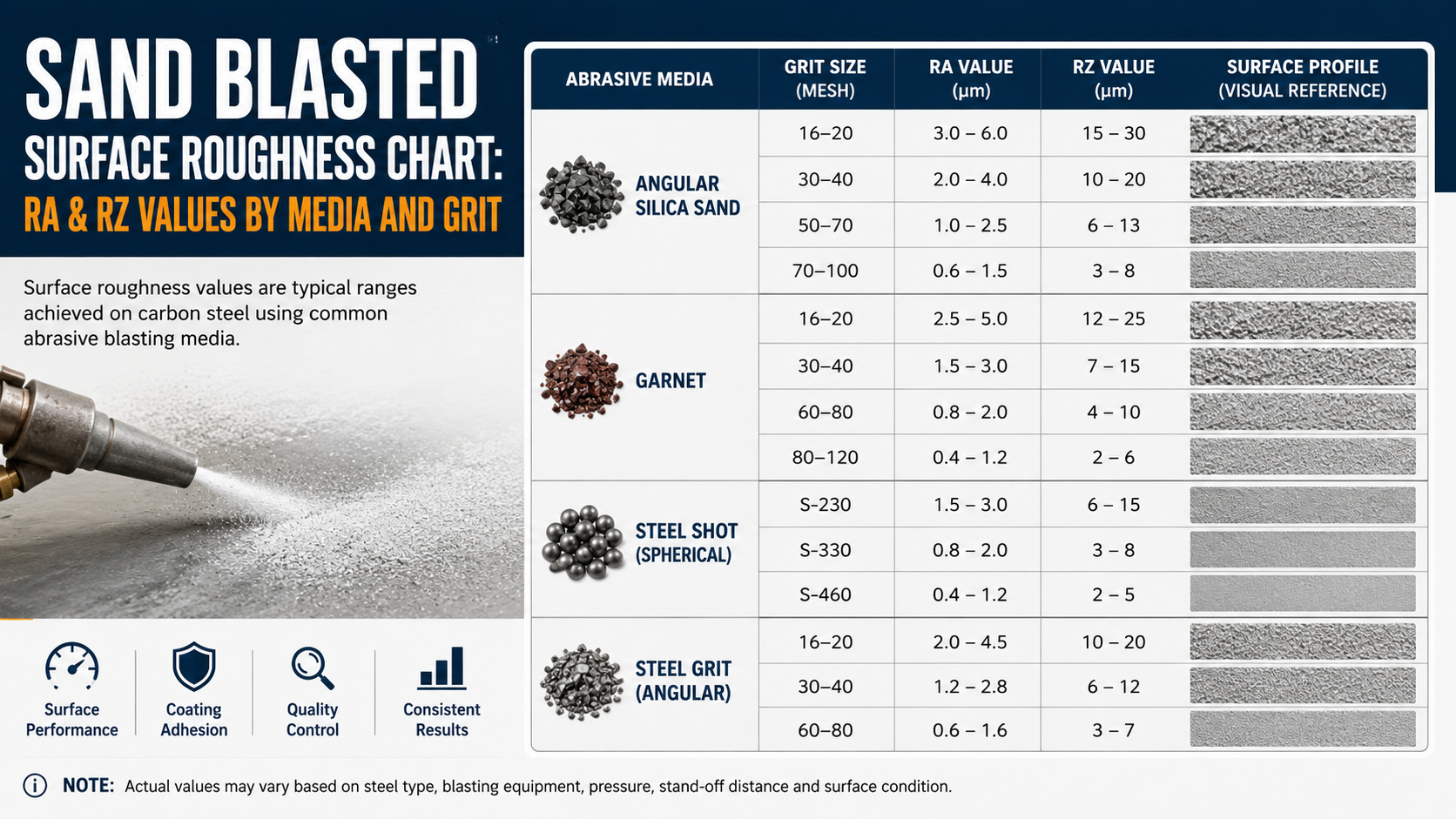
Polishing with zirconia beads leverages the smooth, hard spherical surface to burnish workpiece surfaces, reducing peak-to-valley roughness (Ra) through plastic deformation of surface asperities without material removal in the conventional sense. This is a fundamentally different mechanism from abrasive grinding — it is compressive forming rather than cutting.
The result is a bright, work-hardened surface with reduced Ra values (often achieving Ra ≤ 0.2 µm from machined Ra of 0.8–1.6 µm), improved corrosion resistance due to pore closure, and enhanced optical or decorative quality. Applications span watch case and jewelry component finishing, aerospace fastener surface enhancement, stainless steel medical device polishing, and automotive decorative trim refinement.
Key process variables — bead-to-workpiece size ratio, cycle time, compound type, and equipment speed — are discussed in detail in our cluster guide: Zirconia Beads for Surface Polishing — Achieving Mirror-Quality Finishes.
4.4 Coating Removal
Removing worn, damaged, or non-conforming coatings — thermal barrier coatings (TBCs), hard chrome, anodizing, paint, and powder coatings — without damaging the substrate is a delicate balance. Conventional methods like chemical stripping introduce environmental and safety hazards, while angular abrasive blasting risks dimensional loss and surface damage on thin-walled components.
Zirconia bead blasting occupies a precise middle ground: the high density and moderate hardness deliver sufficient kinetic impact to fracture and dislodge coating material, while the spherical geometry distributes the impact force uniformly, minimizing substrate erosion. This makes ZrO₂ beads particularly valuable for aerospace TBC stripping on turbine blades and vanes — components where substrate dimensional integrity must be preserved within micron tolerances across multiple coating/strip cycles.
Detailed stripping parameters for common coating systems are covered in: Zirconia Beads for Coating Removal — Selective Stripping Without Substrate Damage.
4.5 Industrial Cleaning & Surface Preparation
Before bonding, coating, or welding operations, surfaces must be thoroughly cleaned of oxides, scale, contamination, and loose particulate, and profiled to a specific anchor pattern that promotes adhesion. Zirconia bead blasting achieves both objectives simultaneously: the impact kinetic energy removes surface contamination while imparting a controlled, uniform surface texture.
Unlike steel shot, zirconia beads introduce zero iron contamination — a decisive advantage for stainless steel, titanium, and nickel superalloy surfaces destined for high-temperature or corrosion-critical service. Unlike grit blasting, the spherical impact produces a dimpled rather than angular profile, which is preferred for certain adhesive bonding systems and thermal spray coating adhesion. For more on pre-treatment and cleaning applications, see: Zirconia Beads for Industrial Cleaning & Surface Preparation.
5. Zirconia Beads vs. Glass, Steel & Ceramic Shot: Head-to-Head
Selecting the right blasting media is a total-cost-of-ownership decision, not a unit-price decision. The table below summarizes the performance trade-offs across the four most common spherical blasting media types.
| Criteria | YSZ Zirconia | 玻璃珠 | 钢丸 | Alumina Ceramic |
|---|---|---|---|---|
| Impact energy per bead | High | Low | Very High | Medium |
| Media longevity | Excellent | Poor | Good | Good |
| Surface finish quality | Excellent | Good | Fair | Fair |
| Fe contamination risk | 无 | 无 | High | 无 |
| Silica / dust hazard | 无 | High (silicosis) | 无 | Low |
| Suitable for Ti / Ni alloys | Yes | Yes | No | Yes |
| Unit cost | Higher | Lowest | Low | Medium |
| Cost per treated m² | Lowest | High | Low | Medium |
For a detailed side-by-side breakdown including worked cost examples, see our comparison guide: Zirconia Beads vs Glass Beads vs Steel Shot — Which Surface Treatment Media Should You Choose?
6. Selecting the Right Bead Size & Grade
Zirconia beads for surface treatment are available in a wide range of nominal diameters, from approximately 0.05 mm (fine polishing of micro-components) to 3.0 mm (heavy peening of thick structural parts). Choosing the correct size requires balancing four competing process requirements:
- Required compressive stress depth — larger, heavier beads produce deeper stress layers but coarser surface texture
- Target surface roughness (Ra) — finer beads yield lower Ra values; coarser beads leave deeper dimple patterns
- Workpiece geometry complexity — small beads access blind holes, undercuts, and narrow slots; large beads cannot
- Equipment velocity capability — centrifugal systems accelerate heavier beads less efficiently than pneumatic systems
| Bead Size Range | Typical Application | Surface Ra Achievable | Compressive Depth |
|---|---|---|---|
| 0.05 – 0.15 mm | Micro-component polishing, watch parts, dental implants | Ra ≤ 0.1 µm | Shallow (<0.05 mm) |
| 0.15 – 0.3 mm | Medical implants, precision optics mounts, fine deburring | Ra 0.1 – 0.3 µm | 0.05 – 0.10 mm |
| 0.3 – 0.6 mm | Aerospace fasteners, gear shot peening, turbine blade TBC stripping | Ra 0.3 – 0.6 µm | 0.10 – 0.20 mm |
| 0.6 – 1.0 mm | Automotive spring peening, structural weld toe peening, heavy deburring | Ra 0.6 – 1.0 µm | 0.20 – 0.35 mm |
| 1.0 – 3.0 mm | Heavy structural component peening, aggressive coating removal, cast parts cleaning | Ra 1.0 – 2.5 µm | 0.35 – 0.60 mm |
YSZ beads from Henglihong are supplied to tight sieve tolerances (typically ±10% of nominal mean diameter) with certified sphericity reports. Mixed-size charges are sometimes used to optimize coverage uniformity on complex geometries — the finer fraction fills gaps between dimples left by the coarser fraction.
7. Industry Applications
The properties of YSZ beads make them the preferred surface treatment medium across several demanding industrial sectors:
8. Operating Tips & Lifespan Optimization
Even the highest-quality YSZ beads will underperform if operating parameters are mismatched. The following best practices are based on Henglihong’s technical service experience across thousands of installed processes globally.
Blast Pressure Management
Operating above the optimal blast pressure for a given bead size accelerates bead fracture and increases dust generation without proportionally increasing compressive stress depth. For most YSZ applications, a nozzle pressure of 2.0–4.5 bar for pneumatic systems is recommended, with the specific value tuned to Almen strip targets or Ra specifications. Exceeding 5.5 bar with beads smaller than 0.3 mm will cause rapid attrition and media loss.
Media Charge Monitoring
Implement a regular sieve analysis protocol — weekly or every 500 kg of processed workpieces, whichever comes first — to monitor the particle size distribution of the active media charge. As beads wear, the mean diameter decreases and the fraction of fine fragments increases. When the fraction below 80% of the original nominal size exceeds 15% by weight, top up or replace the charge. Continuing to operate with a degraded charge produces inconsistent Almen intensities and unpredictable surface finishes.
Workpiece-to-Media Size Ratio
As a rule of thumb, the workpiece smallest feature or bore dimension should be at least 3× the bead diameter to ensure access without jamming. For external surface shot peening, a 10:1 workpiece-to-bead diameter ratio is common practice. Violating these ratios results in media lodging in features and unprocessed zones.
Moisture & Contamination Control
YSZ beads are moisture-stable ceramics, but the blasting circuit should remain dry to prevent bead clumping and nozzle blockages. In wet vibratory finishing applications, use a compound compatible with ZrO₂ — typically pH-neutral to mildly alkaline (pH 7–9) aqueous solutions. Strongly acidic compounds (<pH 3) can attack yttria stabilizer at the grain boundaries over time, reducing toughness.
Equipment Compatibility
The hardness of YSZ (1100–1300 HV) will abrade soft metallic components in the blasting circuit — particularly low-hardness aluminum nozzles, impeller paddles, and classifier screens. Ensure that equipment components in contact with the media stream are made from hardened steel, tungsten carbide, or ceramic-lined materials. This prevents premature equipment wear and avoids metal contamination of the media charge.
Related In-Depth Guides
Each guide below goes deeper on a specific application or comparison topic. Together, they form a complete knowledge base for specifying and deploying YSZ zirconia beads in industrial surface treatment.
9. Frequently Asked Questions
The following questions represent the most common technical and procurement queries received by Henglihong’s application engineering team.
Ready to Upgrade Your Surface Treatment Process?
Request a technical consultation or sample pack of YSZ zirconia beads sized for your specific application. Our engineers will help you match bead size, process parameters, and equipment settings to your surface quality targets.
Request a Sample View Full Product Range过滤器