Black Beauty Sandblasting Media: Composition, Performance, and Applications
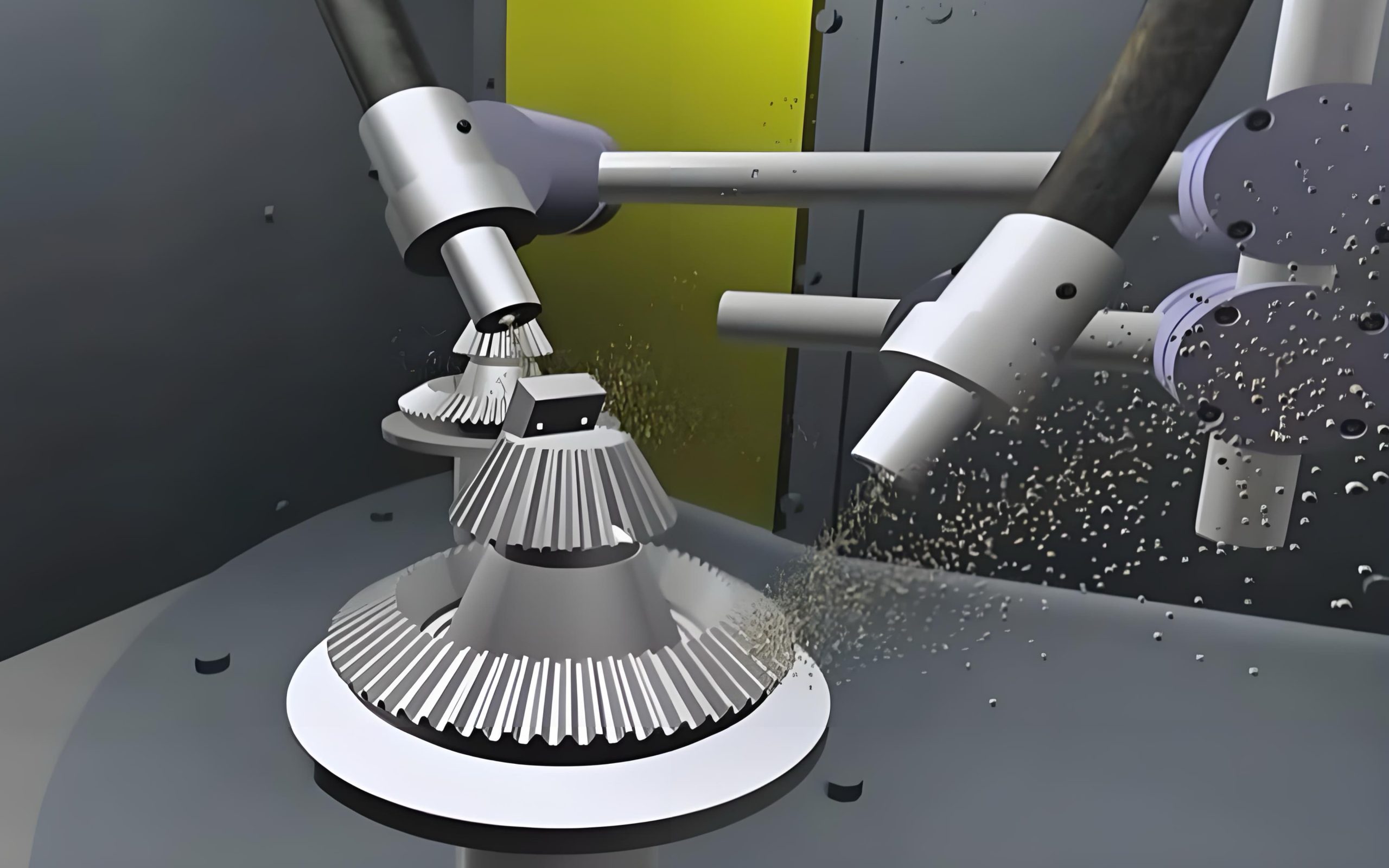
Black Beauty sandblast media is a widely used industrial abrasive produced from processed coal slag. It is valued for aggressive cleaning power, relatively low cost, and suitability for large-scale structural cleaning tasks where efficiency and economy matter. This page dives deep into the composition, manufacturing, grades, performance characteristics, recommended operating parameters, environmental and safety aspects, and practical selection advice for black beauty sandblasting media.
If you want a broad overview of abrasive choices and how they compare, consult our pillar resource: The Ultimate Guide to Sandblasting Media. For a close sibling comparison see Black Diamond Sandblasting Media.
1. Overview — what is Black Beauty sandblast media?
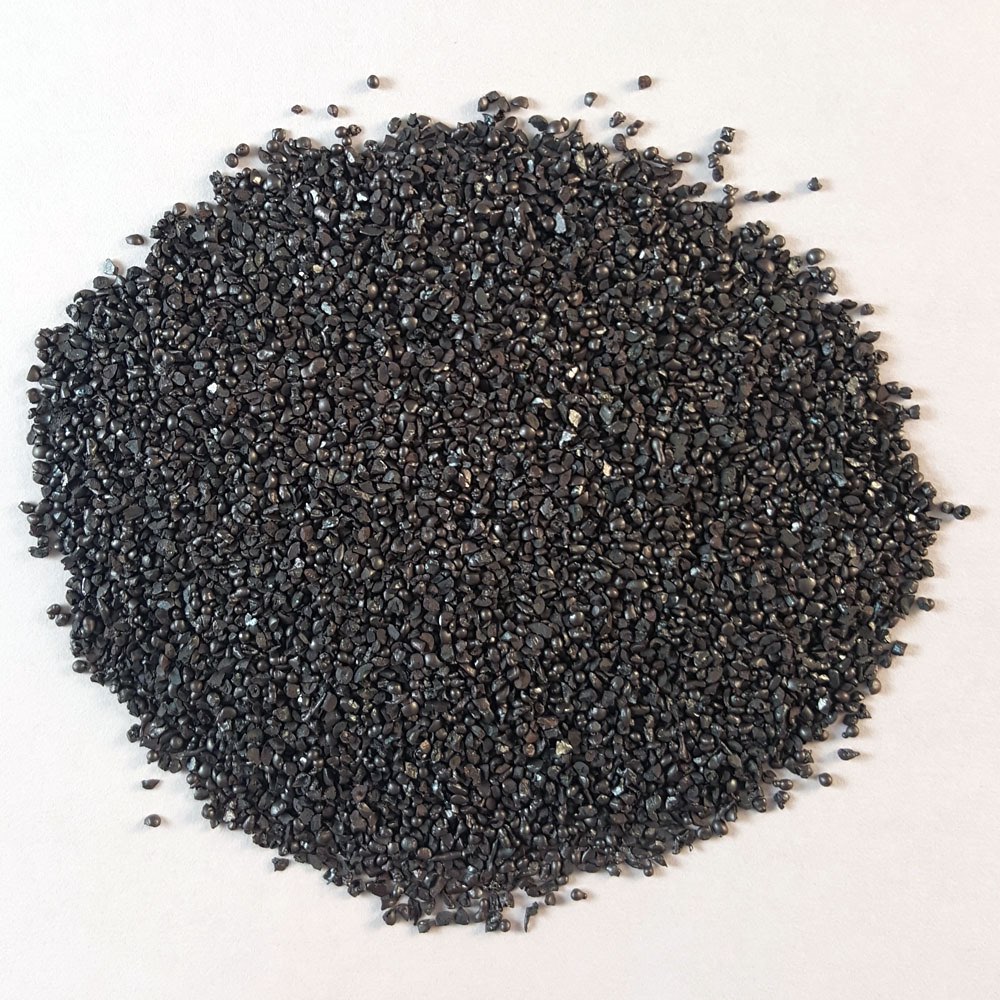
Black Beauty is a trademarked style name commonly used to refer to processed coal slag abrasives that are dark black in color and designed specifically for blast cleaning of heavy industrial surfaces. Derived from the vitrified residue of coal combustion or from coal-fired power plant slag, the material is crushed, classified, and graded to produce an abrasive suitable for dry blasting operations.
Compared with natural mineral abrasives such as garnet or manufactured abrasives such as aluminum oxide, black beauty offers an attractive cost/performance balance for jobs like ship hull maintenance, structural steel refurbishment, pipeline cleaning and heavy equipment restoration.
2. Composition and physical properties
Typical coal slag based Black Beauty abrasives are complex mixtures; though composition varies by source and processing, typical constituents include silica (SiO2), alumina (Al2O3), iron oxides (FeO, Fe2O3), calcium oxide (CaO), and trace elements derived from the original coal feedstock.
| Property | Typical Value / Range | Significance |
|---|---|---|
| Bulk density | ~2.6–2.8 g/cm³ | Relates to momentum and cutting power per particle |
| Mohs hardness | ~6.0–7.0 | Aggressive enough for heavy rust/paint removal while less hard than Al₂O₃ |
| 颜色 | Deep black | Visual identification and brand recognition |
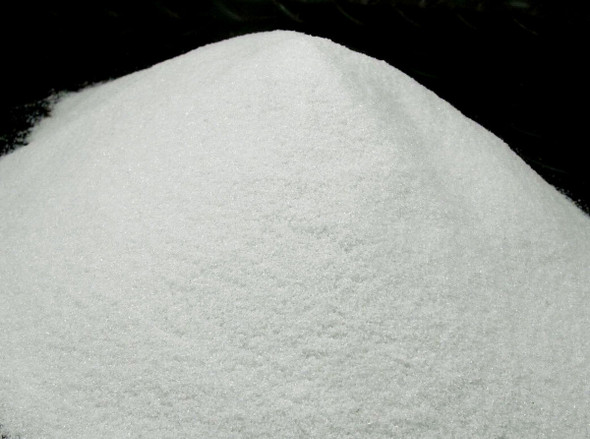
| Typical particle shape | Angular to sub-angular | Angularity improves cutting/scouring action |
| Particle size (common grades) | 12–80 grit (coarse to fine) | Multiple grades permit matching to surface condition |
| Silica content (free crystalline silica) | Low to negligible in processed products | Reduces silica-related health hazards when properly processed |
Note: composition varies by manufacturer and feedstock. High-quality black beauty products are processed to reduce free crystalline silica and heavy metal contamination and are screened to consistent gradations.
3. Manufacturing process and quality controls
The processing chain for Black Beauty abrasive commonly includes:
- Collection of coal slag or vitrified furnace residue from power stations or industrial boilers.
- Initial crushing to break up large slag chunks.
- Magnetic separation (if necessary) to remove ferrous tramp metal.
- Screening and classification into predefined grit sizes.
- Further attrition/air-classifying to remove fines and dust.
- Optional washing or beneficiation to limit soluble contaminants.
- Packaging and quality inspection (size distribution, hardness tests, chemical assays).
Reputable suppliers will provide certificates confirming particle size distribution, chemical analysis (especially free silica content), and compliance with common industrial standards. If occupational or environmental regulations are strict in your operating region, request lab results demonstrating low free crystalline silica and absence of regulated heavy metals.
4. Grades and recommended uses
Black Beauty abrasives are typically supplied in several standard grades. The grade selection is central to matching cleaning aggressiveness to substrate tolerance.
| Grade (example) | Typical Mesh / Grit | Primary Use Cases |
|---|---|---|
| Coarse | ~12–24 (very coarse) | Heavy scale/paint removal on structural steel, ship hulls |
| Medium | ~24–40 | General structural steel cleaning, pipelines, tanks |
| Fine | ~40–80 | Lightly oxidized surfaces, paint feathering, final cleanup (not for delicate finishes) |
Practical guidance: coarse grades remove material quickly but generate a deeper profile; fine grades are slower but leave a more uniform finish. For many industrial coatings, a medium grade that produces a 2–3 mil (50–75 µm) anchor profile is desirable.
5. Performance characteristics — cutting, profile, and productivity
Key performance outcomes when using Black Beauty media:
- High material removal rate: Angular particles and moderate density deliver strong cutting efficiency on rust, heavy scale and thick coatings.
- Predictable anchor profile: When specified grade and nozzle settings are used, Black Beauty reliably creates an anchor profile suited for most industrial coatings.
- Moderate dust generation: Processed coal slag tends to produce less ultrafine dust than some other slag products but generally more than garnet or glass beads; proper dust collection is essential.
- Reuse potential: Recyclability is moderate — depending on grade and process, Black Beauty can be reclaimed and reused a few cycles, though it fractures and generates fines over use.
For productivity benchmarking, many contractors find Black Beauty to deliver comparable or slightly better coverage rates than garnet at lower cost per ton for heavy cleaning jobs.
6. Recommended operating parameters
The following parameters are recommended starting points for dry abrasive blasting with Black Beauty. Always test on representative samples and adjust based on results.
| 参数 | 建议范围 | Notes |
|---|---|---|
| Blast pressure (nozzle) | 80–120 psi (5.5–8.3 bar) | Higher pressures increase removal rate but may over-profile softer substrates |
| Nozzle diameter | 3/8″ to 3/4″ (10–19 mm) | Match to compressor capacity and desired throughput |
| Stand-off distance | 18–36 inches (450–900 mm) | Closer distances increase cutting force and depth |
| Traverse speed | Depends on surface and grit; control for uniformity | Use consistent passes to avoid uneven profile |
| Humidity / moisture | Keep media dry (less than 1% moisture) | Moisture causes clumping and inconsistent feed |
A controlled blast test is essential: measure anchor profile (e.g., with a surface comparator or profilometer), inspect for substrate damage, and evaluate coating adhesion before proceeding with full production.
7. Typical industrial applications
Black Beauty excels where aggressive, cost-effective cleaning is required. Representative applications include:
- Shipbuilding and marine maintenance: removal of marine growth, corrosion and old coatings prior to repainting.
- Structural steel and bridge work: fast preparation of large surface areas for protective coatings.
- Tank and vessel refurbishment: cleaning interior surfaces prior to lining or coating.
- Pipeline maintenance: on-site removal of scale and internal/external corrosion (with appropriate containment).
- Automotive and heavy equipment: restoration of frames, chassis and large assemblies where dimension tolerance is not critical.
Conversely, Black Beauty is not recommended for delicate substrates (thin aluminum panels, precision components, or decorative finishes) where softer or spherical media (like glass bead or plastic media) are preferred.
8. Advantages and economic considerations
Key advantages of Black Beauty media:
- Cost efficiency: Lower per-ton cost compared to premium manufactured abrasives—important for large jobs.
- High cutting performance: Good removal rates shorten job cycles.
- Consistency: Processed and graded product provides repeatable results.
- Reduced free silica: Properly processed slag typically has low free crystalline silica, reducing serious silica exposure risks relative to natural sand (however, monitoring and PPE remain mandatory).
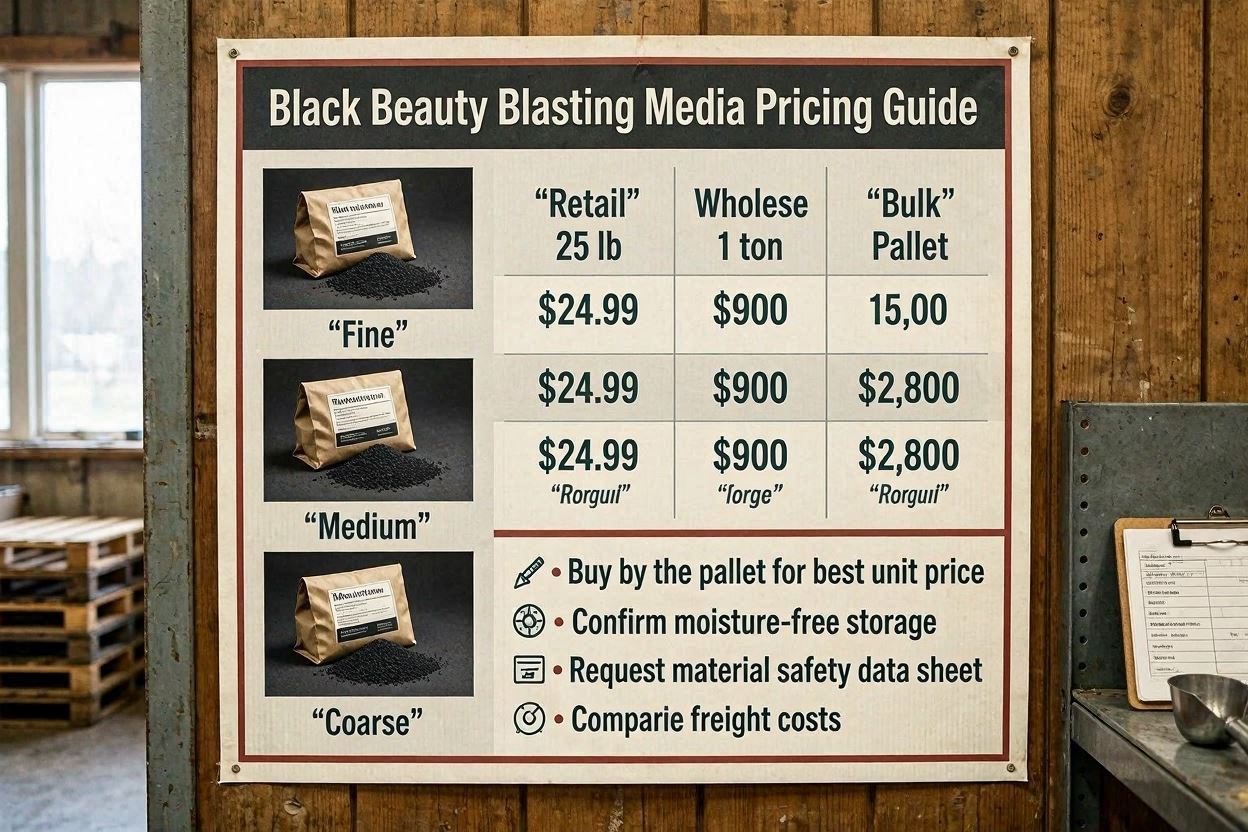
When evaluating total cost of ownership, account for media cost, media consumption rate, operator time, containment and dust collection costs, and disposal or recycling logistics.
9. Limitations and safety considerations
Although Black Beauty is effective, it has limitations and safety implications that must be addressed:
- Not for delicate finishes: Avoid on thin, soft metals or precision components.
- Dust and airborne particulates: While processed products can be lower in dust than raw slag, blasting still generates respirable particulate matter—use appropriate local exhaust ventilation (LEV) and respirators.
- Containment and environmental controls: Outdoor jobs may require containment to prevent runoff or dispersion of spent abrasive; check local environmental regulations.
- Waste handling: Spent media mixed with paint or hazardous residues can be classified as regulated waste—plan disposal accordingly.
- PPE: Full blast PPE (blast helmet with supplied air or properly rated respirator, hearing protection, protective clothing and gloves) is mandatory.
Regulatory compliance: operators should follow applicable standards, such as OSHA respiratory protection and dust control guidance, and local environmental agency requirements for waste disposal.
10. Comparison: Black Beauty vs. Black Diamond and other media
Below is a concise comparison to help you decide between Black Beauty and other common media:
| Media | Hardness (Mohs) | Reusability | Dust | Cost | Best Use |
|---|---|---|---|---|---|
| Black Beauty | ~6–7 | Moderate | Moderate | Low | Heavy structural cleaning |
| Black Diamond | ~6–7.5 | Moderate | Moderate | Low–Medium | Durable alternative to slag for similar tasks |
| 石榴石 | ~7.5–8 | Medium | Low | Medium | Eco-friendlier blasting, marine prep |
| 氧化铝 | ~9 | High | Low–Medium | High | Precision, high-performance cleaning |
In many heavy industrial contexts, Black Beauty and Black Diamond offer competitive performance for the price. If a slightly tougher, more wear-resistant slag is needed, Black Diamond grades (or similar vitrified slag products) can be considered as a step up—compare specifications before purchase.
11. How to choose the right Black Beauty grade
Use this simple decision workflow:
- Define your substrate and acceptable profile: steel, thickness, required anchor pattern for coating.
- Select target removal rate and finish: heavy scale vs light paint feathering.
- Pick grade: coarse for thick coatings/scale (12–24 grit), medium for general cleaning (24–40 grit), fine for lighter cleanup (40–80 grit).
- Set operating parameters: start with 80–100 psi and 18–30″ stand-off; adjust based on test patch.
- Test and validate: measure surface profile and adhesion test after coating trial.
If uncertain, conduct a small controlled test or ask the supplier for a trial sack to evaluate on a representative part of the structure.
12. Environmental impact and recycling
Environmental considerations for Black Beauty:
- Byproduct utilization: Coal slag is an industrial byproduct — using it as an abrasive repurposes waste but requires responsible processing to reduce contaminants.
- Recycling: Spent Black Beauty can often be screened and reused several times in closed-loop systems, though it generates fines that must be removed.
- Waste classification: Spent abrasive contaminated with hazardous coatings may be regulated—segregation and testing are essential prior to disposal.
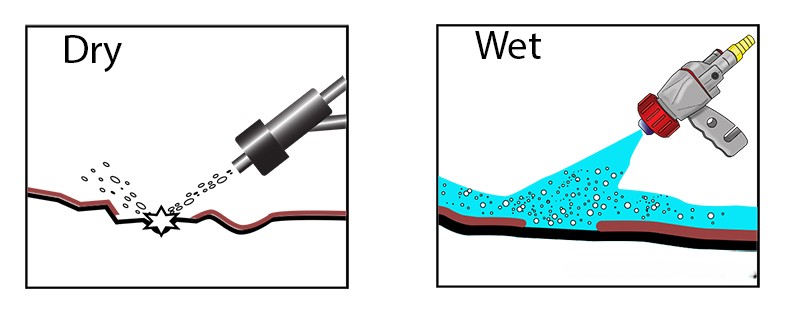
- Dust control: HEPA-rated vacuum systems and water suppression where permitted reduce airborne particulates.
Always evaluate local environmental regulations and maintain documentation for source, use, and disposal of spent abrasive.
13. FAQ (frequently asked questions)
Q: What is Black Beauty sandblast media made of?
A: It is primarily processed coal slag — vitrified residue from coal combustion — that is crushed, sized, and refined to create angular abrasive particles suitable for blasting.
Q: Is Black Beauty safe to use?
A: When sourced from reputable suppliers and used with appropriate PPE and dust control, Black Beauty is a safe and effective abrasive. Confirm that the product has low free crystalline silica and request supplier quality tests if necessary.
Q: How does Black Beauty compare with Black Diamond?
A: Both are coal-slag derived; Black Diamond products are often processed for improved durability. Performance differences depend on exact grade and processing—compare supplier specs for hardness, size distribution and contaminants.
Q: What grit size should I choose for structural steel?
A: For heavy rust and thick coatings, coarse (12–24 grit) is typical. For general pre-coating prep, medium (24–40 grit) is commonly used to produce a 2–3 mil anchor profile.
14. Conclusion and next steps
Black Beauty sandblast media is a cost-effective and productive abrasive choice for heavy industrial cleaning and surface preparation. Its balance of cutting performance, reasonable dust characteristics, and low cost per ton make it a frequent choice for contractors handling large surface areas where budget and speed matter most.
For broader context on abrasive selection and grit sizing, visit the pillar overview: The Ultimate Guide to Sandblasting Media. If you want to compare performance and lifecycle costs with higher-durability slag alternatives, see Black Diamond Sandblasting Media.
If you need a supplier recommendation, test plan, or specification sheet for project tendering, prepare a short test brief (substrate, existing coating, desired profile, environmental constraints) and request sample packs from multiple reputable suppliers to validate performance under your actual operating conditions.
© All technical content above is provided for informational purposes. Always follow local regulations and supplier datasheets when selecting, handling, or disposing of blasting abrasives.
过滤器