What Is Sandblasting? A Complete Engineer-Level Guide
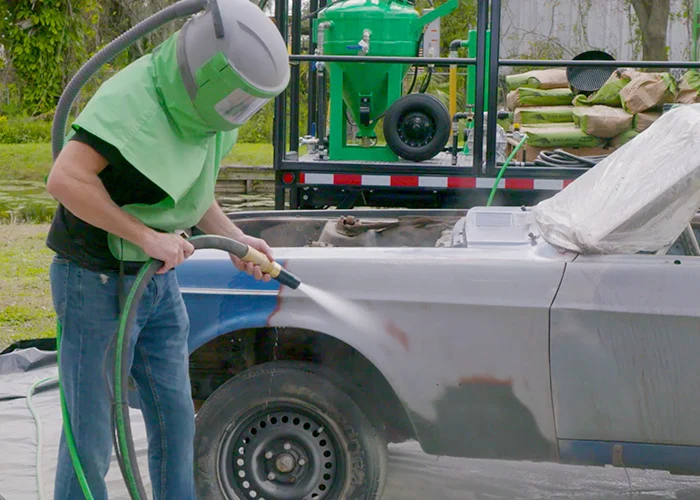
Sandblasting, also known as abrasive blasting, is a surface treatment process that uses high-velocity abrasive media propelled by compressed air, water, or centrifugal wheels to clean, roughen, polish, or prepare a surface for coating.
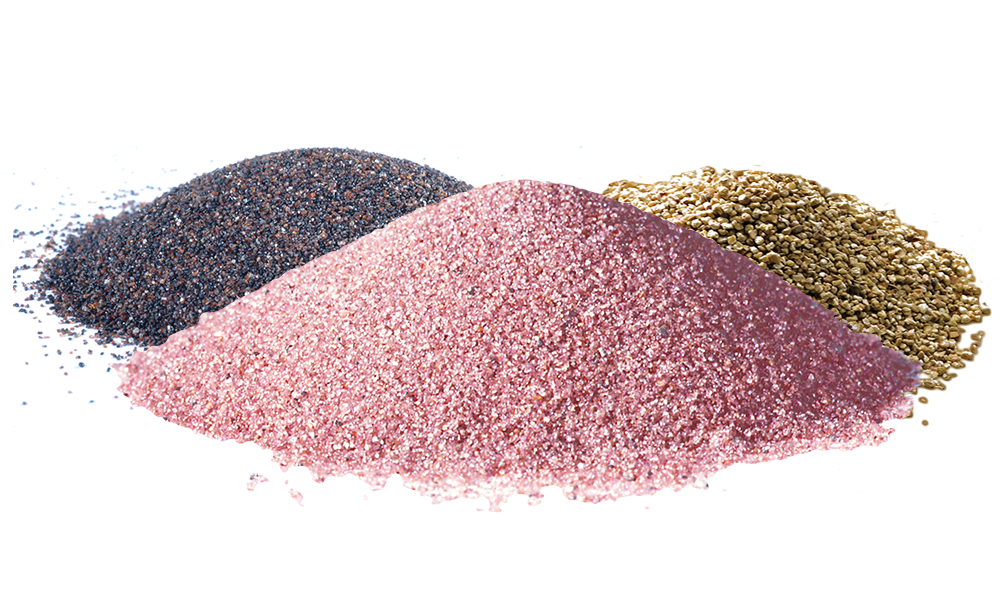
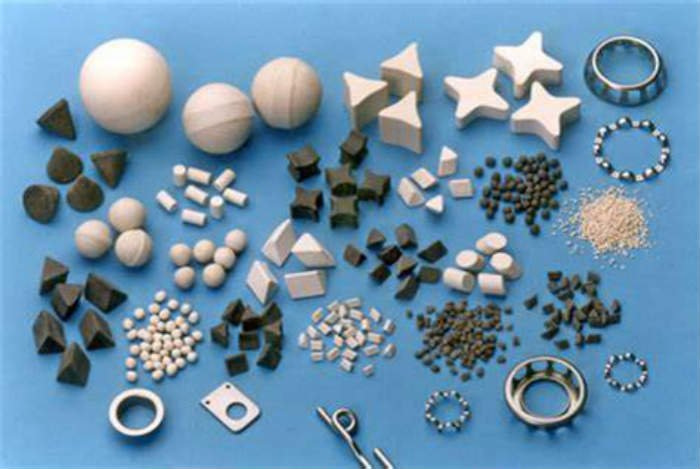
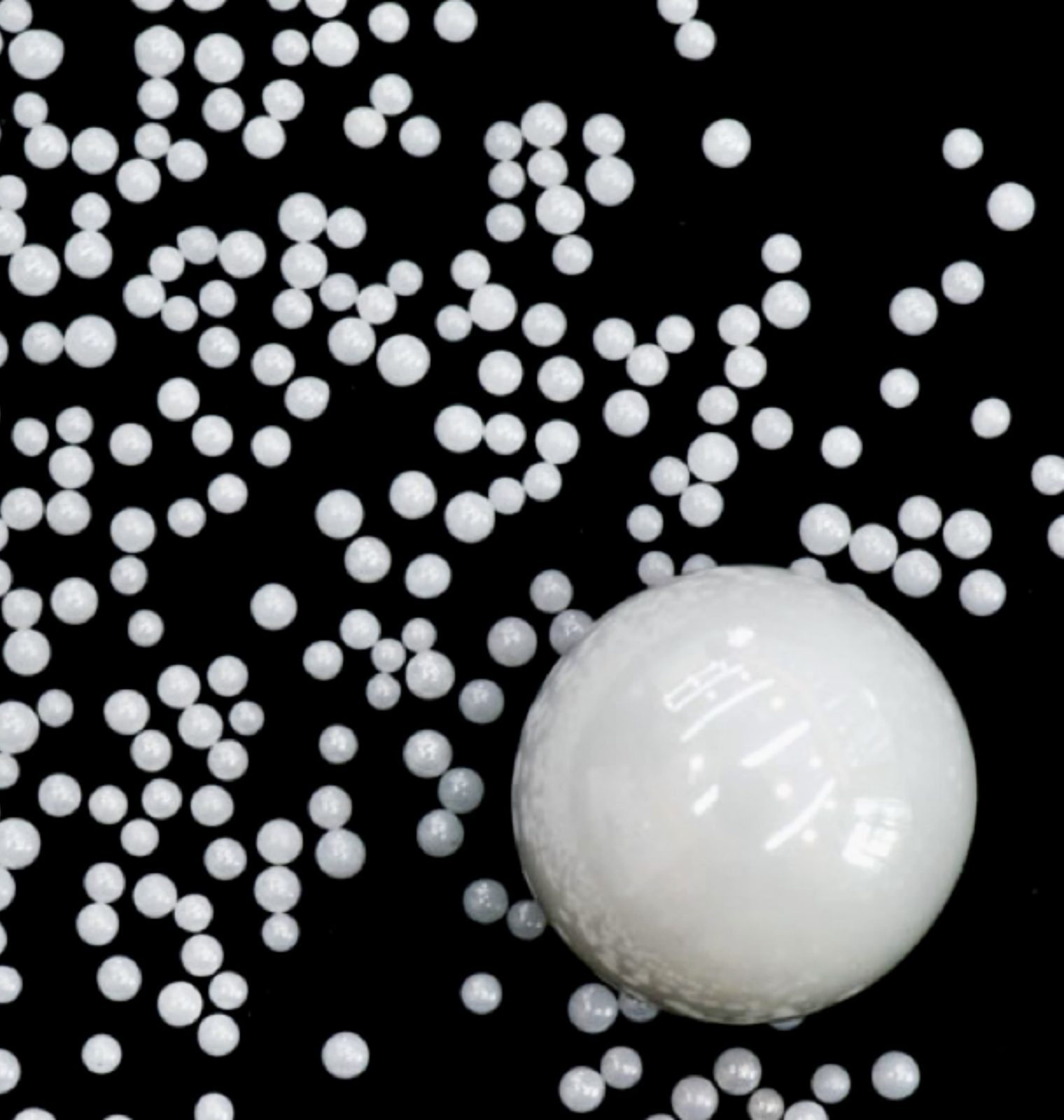
Although the name “sandblasting” suggests the use of sand, modern industrial blasting rarely uses traditional silica sand due to safety restrictions. Instead, engineered abrasives such as garnet, aluminum oxide, steel grit, and glass bead are used for higher efficiency, consistent performance, and lower health risks.
This article provides a deep technical explanation of sandblasting: its definition, mechanisms, abrasive types, equipment structure, applications, surface standards, parameter selection, safety requirements, and engineering-level design considerations.
Unlike simple internet articles, this guide is written with the level of detail expected by engineers, surface finishing technicians, and industrial coating specialists.
Table of Contents
- Definition of Sandblasting
- A Brief History of Abrasive Blasting
- How Sandblasting Works: Technical Mechanism
- Sandblasting Equipment and Components
- Types of Abrasive Media
- Key Technical Parameters in Sandblasting
- Surface Profile and Roughness Standards
- Industrial Applications of Sandblasting
- Advantages of Sandblasting
- Limitations and Considerations
- Safety Requirements and PPE Standards
- Sandblasting vs Other Surface Prep Methods
- Questions fréquemment posées
- Conclusion
1. Definition of Sandblasting
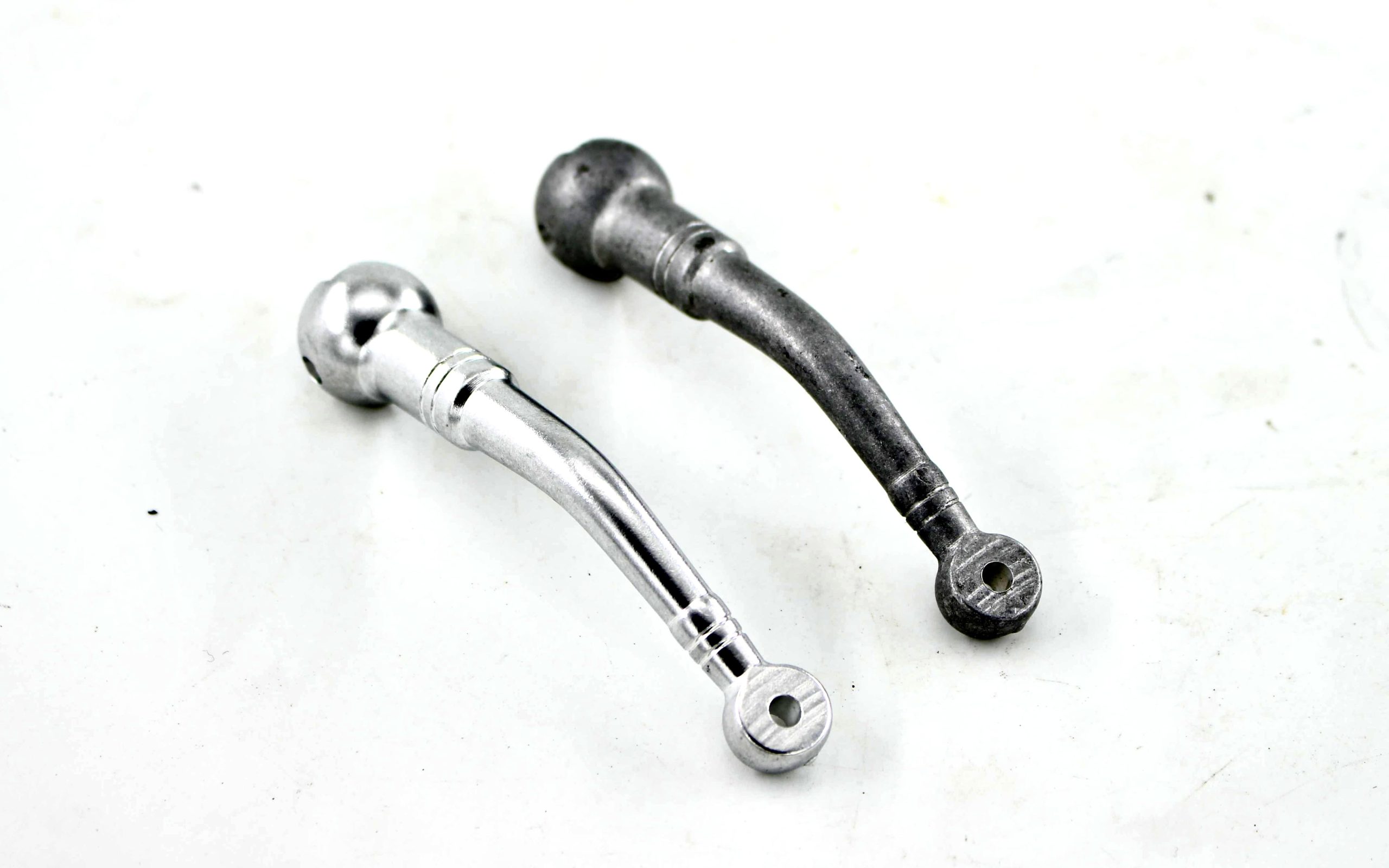
Sandblasting is the process of propelling abrasive media at high speed to impact a work surface. The continuous impact removes contaminants, rust, oxidation layers, paint, scale, and creates a uniform surface profile suitable for further processing.
The term is commonly used interchangeably with abrasive blasting, although “sandblasting” historically referred specifically to using silica sand.
Modern sandblasting is used in industries such as aerospace, automotive, metal fabrication, shipbuilding, electronics, semiconductor processing, stone carving, and powder coating.
The process modifies the surface physically through micro-cutting, abrasion, plastic deformation, and impact erosion.
Key Characteristics of Sandblasting
- High-speed abrasive impact (50–300 m/s)
- Removal of corrosion, paint, scale, and other contaminants
- Creation of controlled surface roughness (20–125 μm)
- Surface activation for coating adhesion
- Full control over abrasive type, size, hardness, and speed
2. A Brief History of Abrasive Blasting
The concept of abrasive blasting dates back to the late 1800s when Benjamin Chew Tilghman patented the first sandblasting machine in 1870.
It was initially used for cleaning metal parts and etching glass. By the early 1900s, the technique became standard in shipyards and industrial coating applications.
However, the widespread use of silica sand caused severe respiratory health issues (silicosis), which led to regulatory restrictions throughout the 20th century. The modern industry has since shifted to safer synthetic abrasives and introduced dustless, wet, and vacuum blasting systems.
3. How Sandblasting Works: Technical Mechanism
The mechanism of sandblasting involves converting the potential energy of compressed air or kinetic energy of centrifugal wheels into abrasive particle velocity.
When the abrasive impacts the substrate surface, the energy transfer causes micro-fracturing, shearing, cutting, or polishing depending on media hardness and shape.
3.1 The Physics of Abrasive Impact
Abrasive impact behavior depends on:
- Particle velocity (m/s): Higher velocity increases cutting power.
- Particle size (μm or mesh): Controls aggression and depth of profile.
- Particle hardness (Mohs scale): Determines ability to cut the substrate.
- Impact angle (degrees): 30–45° ideal for cutting; 90° ideal for cleaning.
The abrasive removes surface material by:
- Micro-cutting (sharp abrasives)
- Peening or hammering (rounded abrasives)
- Fracturing and chipping (brittle abrasives)
3.2 Air Pressure and Flow
Typical industrial blasting uses:
- 60–120 PSI air pressure for steel surfaces
- 30–60 PSI for delicate metals like aluminum
- 150–200 CFM airflow for single-nozzle operation
3.3 Nozzle Velocity
Abrasive leaving the nozzle typically reaches:
- 100–250 m/s for air blasting
- 50–120 m/s for wet blasting
- 80–100 m/s for wheel blasting
4. Sandblasting Equipment and Components
A complete sandblasting system includes multiple components working together to deliver controlled abrasive impact.
4.1 Air Compressor
The air compressor provides the pressure and flow needed to accelerate abrasive. Industrial blasting commonly requires:
| Tank Size | Airflow (CFM) | Pressure (PSI) |
|---|---|---|
| 185 CFM | 185 CFM | 90–120 PSI |
| 375 CFM | 375 CFM | 100–150 PSI |
| 750 CFM | 750 CFM | 150 PSI |
4.2 Blast Pot
The blast pot stores abrasive and meters it into the air stream. Key specifications include:
- Capacity: 50–600 lbs
- Pressure rating: 150–250 PSI
- Abrasive metering valves (Fina, Thompson, micro-valve)
4.3 Hoses and Couplings
Blast hoses must withstand abrasion and are typically:
- 1”–1.5” inner diameter
- Static-dissipative
- Reinforced multi-layer rubber
4.4 Nozzles
Nozzles determine velocity and media flow. Types include:
- Venturi nozzles (increased velocity)
- Straight bore nozzles (precision blasting)
- Wide fan nozzles (large surface area)
5. Types of Abrasive Media
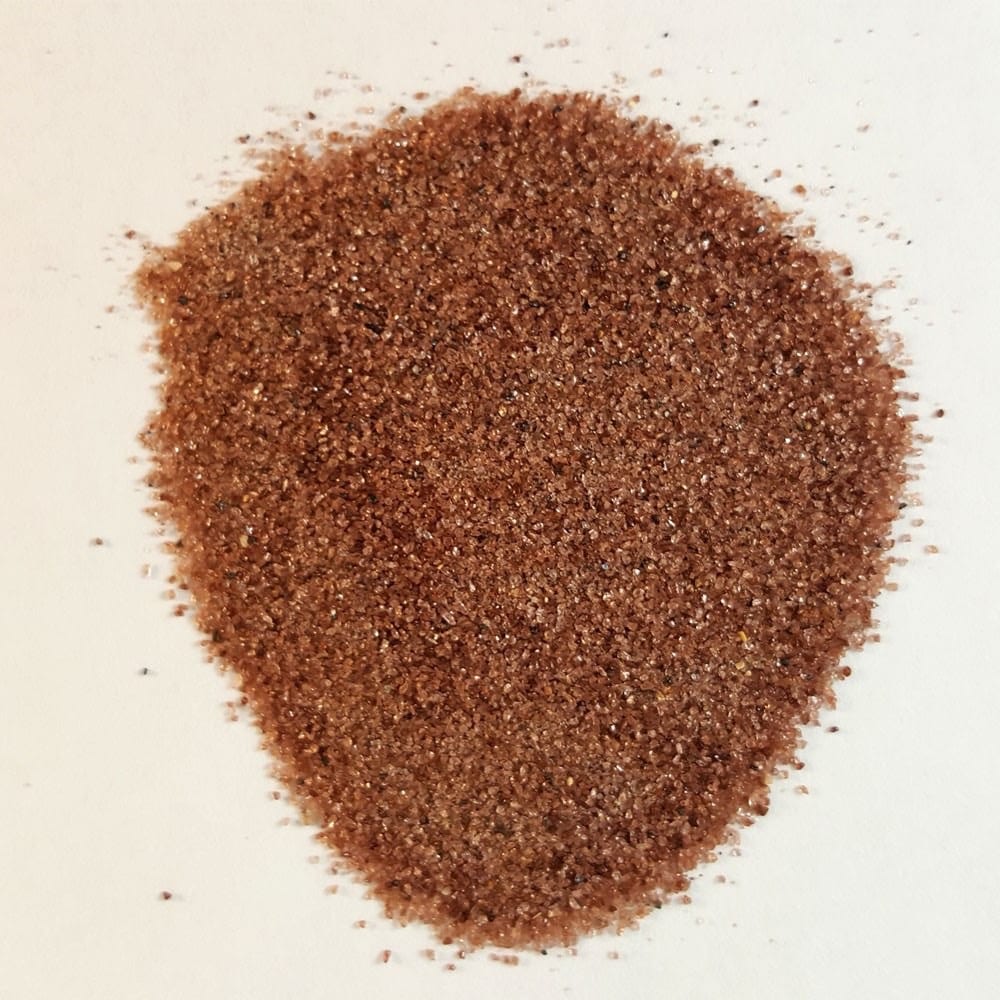
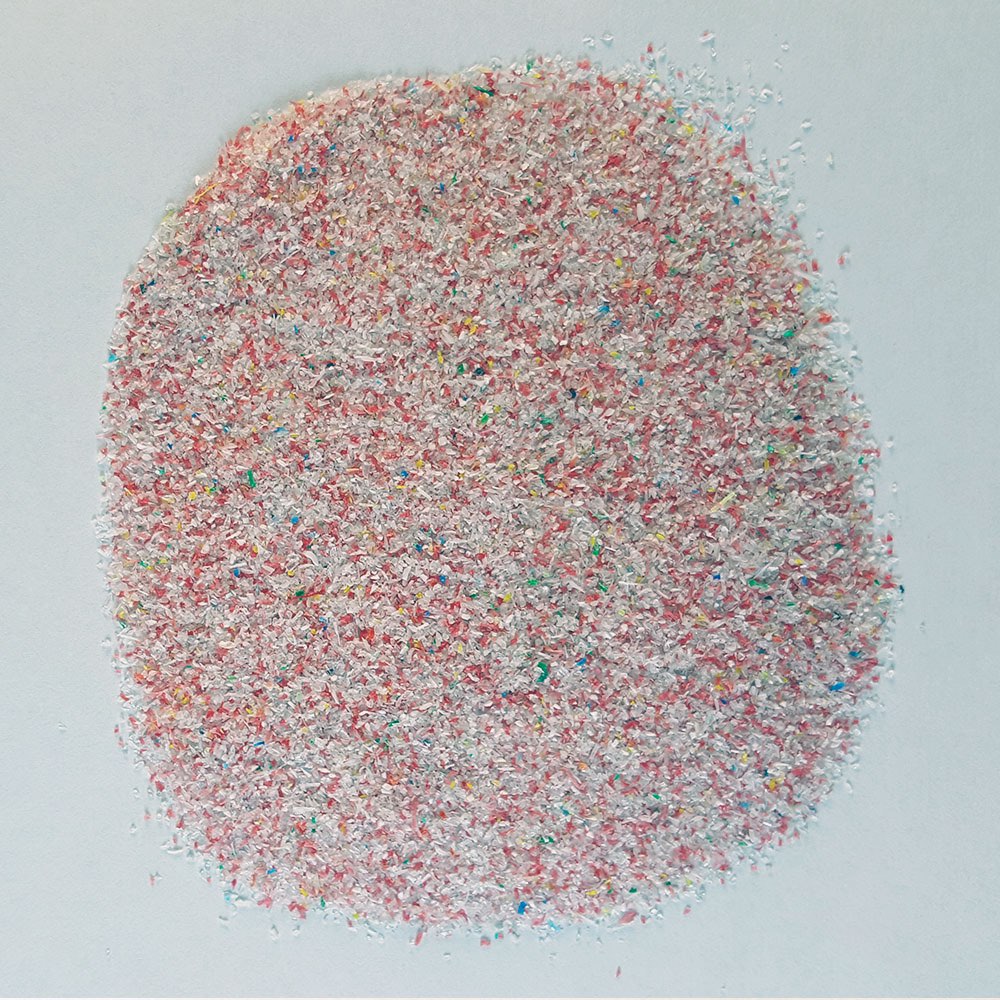
Abrasive media is the heart of sandblasting. Each abrasive has specific hardness, density, shape, and recyclability characteristics.
| Type d'abrasif | Hardness (Mohs) | Typical Use |
|---|---|---|
| Grenat | 7.5–8 | Metal surface prep, coating removal |
| Oxyde d'aluminium | 9 | Aggressive cutting, hard metals, blasting cabinets |
| Grain d'acier | 8 | Heavy rust removal, shipbuilding |
| Perles de verre | 6 | Peening, polishing, matte finishes |
| Crushed Glass | 5–6 | Décapage de la peinture |
| Walnut Shell | 3 | Delicate substrates, wood restoration |
| Supports en plastique | 3–4 | Aircraft components, composite surfaces |
6. Key Technical Parameters in Sandblasting
Precise control of parameters determines blasting quality.
6.1 Air Pressure
- Steel: 80–120 PSI
- Aluminum: 30–50 PSI
- Wood: 20–40 PSI
6.2 Nozzle Distance
- Ideal: 150–300 mm
- Too close: causes warping or deep gouges
- Too far: reduces efficiency
6.3 Impact Angle
- 90°: cleaning and scale removal
- 30°–45°: cutting and profiling
7. Surface Profile & Roughness Standards (SA / SSPC / NACE)
Surface preparation standards are essential for coating adhesion.
7.1 ISO 8501 / Sa Standards
- Sa 1: Light blast cleaning
- Sa 2: Commercial blast cleaning
- Sa 2.5: Near-white blast (most common)
- Sa 3: White metal blast
7.2 Roughness (Rz) Values
Typical profiles:
- Steel structure coating: 50–75 μm
- Powder coating prep: 20–40 μm
- Heavy-duty epoxy: 75–125 μm
8. Industrial Applications of Sandblasting
8.1 Metal Surface Preparation
Steel beams, pipelines, ship hulls, automotive frames.
8.2 Coating Removal
Paint, rust, epoxy, mill scale.
8.3 Manufacturing and Fabrication
Surface activation before welding, bonding, plating.
8.4 Stone, Glass, and Art Applications
Glass etching, stone carving, decorative matte finishes.
8.5 Aerospace and Precision Components
Non-destructive cleaning using plastic or walnut media.
9. Advantages of Sandblasting
- Consistent, controllable surface profile
- High productivity and speed
- Compatible with most materials
- Removes rust, paint, and contaminants efficiently
- Improves coating adhesion dramatically
10. Limitations and Considerations
- Dust generation (unless using wet/vacuum systems)
- Potential deformation of thin metals
- Abrasive consumption costs
- Requires skilled operation for uniform results
11. Safety Requirements and PPE Standards
Sandblasting presents hazards including dust inhalation, high noise levels, rebound particles, and high-pressure equipment. Proper PPE is mandatory.
- NIOSH-approved respirators
- Blast suits and gloves
- Hearing protection (≥85 dB environments)
- Eye protection and face shields
- Ventilation and dust extraction systems
Silica sand is banned in many countries due to silicosis risk, making alternative abrasives the standard for safety.
12. Sandblasting vs Other Surface Preparation Methods
| Method | Effectiveness | Cost | Precision |
|---|---|---|---|
| Sablage | ★★★★★ | Medium | Haut |
| Chemical Stripping | ★★★☆☆ | Haut | Medium |
| Grinding | ★★★★☆ | Faible | Faible |
| Laser Cleaning | ★★★★★ | Very High | Very High |
13. Frequently Asked Questions
Is sandblasting the same as abrasive blasting?
Yes, sandblasting is a type of abrasive blasting. The modern industry prefers the term “abrasive blasting.”
What abrasive is best?
Garnet and aluminum oxide are most commonly used due to performance and safety.
Is sandblasting safe?
It is safe with proper PPE, ventilation, and non-silica abrasives.
Can sandblasting damage metal?
Thin metals can warp if pressure is too high. Parameter control is essential.
Conclusion
Sandblasting is one of the most efficient, reliable, and versatile surface preparation processes in modern industry. By using controlled high-velocity abrasive impact, it removes contaminants, improves coating adhesion, prepares surfaces for fabrication, and restores materials to like-new condition.
With advancements in abrasive materials, dustless technology, and safety equipment, sandblasting remains a core technique in metalworking, construction, transportation, and manufacturing.
A deep understanding of abrasive selection, equipment design, blast parameters, and safety standards ensures consistent high-quality results in all industrial applications.
Filtres