Sand Blasted Aluminum: Pre-Anodizing Bead Blast Specifications (MIL-A-8625)
Aluminum is softer than steel and easily over-blasted. This guide covers compatible media, the MIL-A-8625 pre-anodizing specification, bead blast windows for uniform matte anodized finishes, and the defects to avoid on aluminum substrates.
Why Aluminum Demands a Different Approach
Aluminum has roughly half the hardness of mild steel (95 HB vs 150 HB). This means identical blast parameters produce significantly deeper craters, faster material removal, and higher risk of distortion in thin sections. Specifying “sandblasting” for aluminum the same way you would for steel produces over-blasted, warped, contaminated parts.
This article covers the specific aluminum workflow. For the general sand blasting framework, see the pillar guide on sand blasted surface.
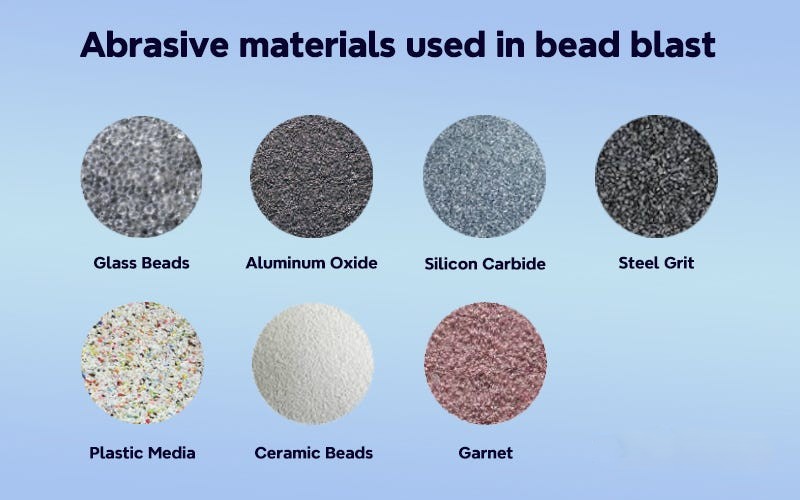
Compatible Media for Aluminum
Preferred
- Glass bead #100–#170 — uniform cosmetic matte
- Aluminum oxide #120–#180 — when additional anchor pattern is required
- Ceramic bead — peening fasteners
Avoid on aluminum
- Steel grit / steel shot — ferrous embedment, galvanic corrosion
- Coarse aluminum oxide — over-blast, distortion
- Sable de silice — silicosis risk and over-aggressive
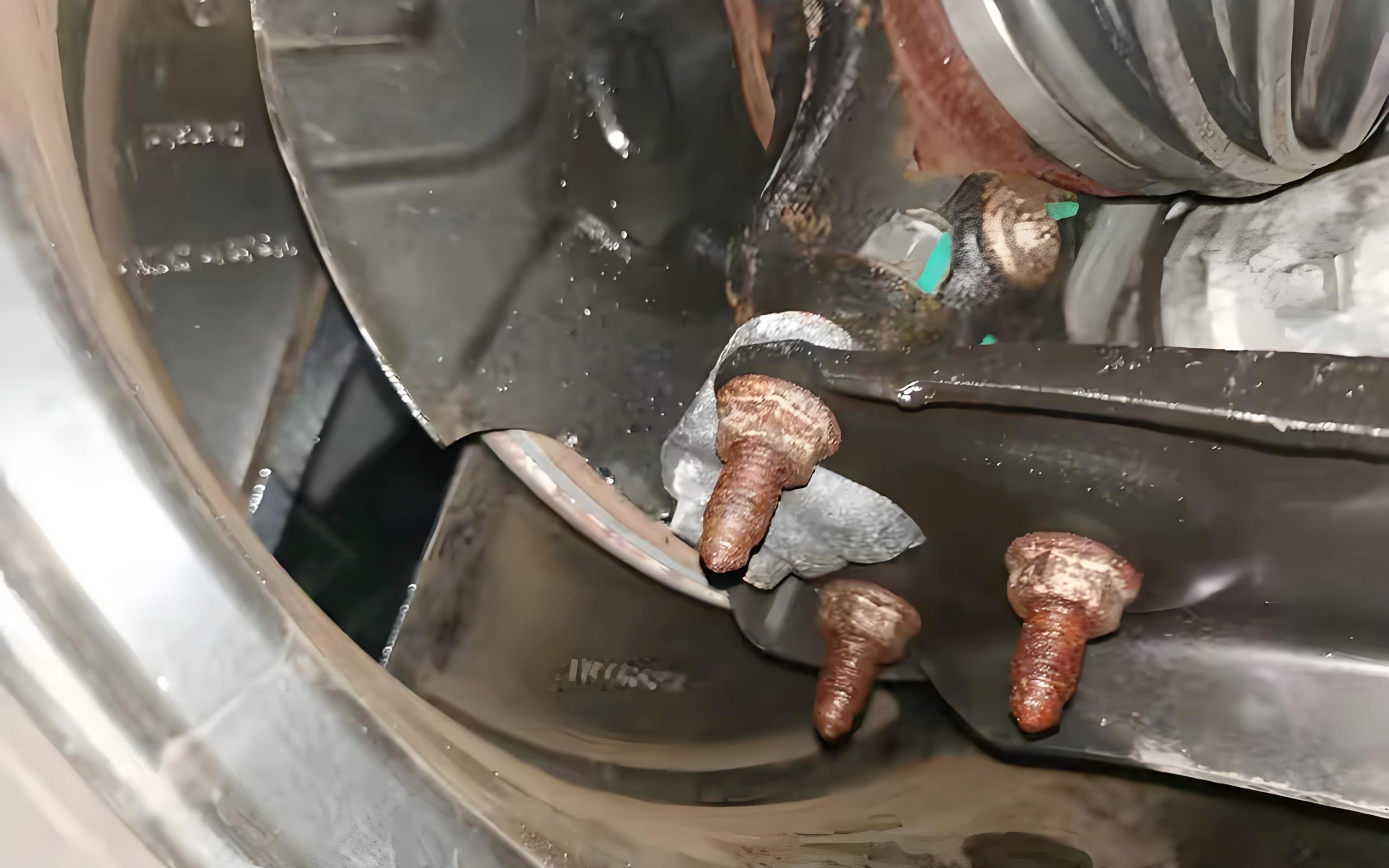
Like stainless, aluminum cannot tolerate iron contamination from steel media. The galvanic couple between embedded steel and the surrounding aluminum drives rapid pitting corrosion in service.
MIL-A-8625 Specification
MIL-A-8625 (now superseded by MIL-PRF-8625F but still widely referenced) covers anodic coatings for aluminum and aluminum alloys. It defines three primary types:
| Type | Processus | Typical Use |
|---|---|---|
| Type I | Chromic acid anodize | Aerospace structural, paint base |
| Type II | Sulfuric acid anodize | General industrial, decorative dyed |
| Type III | Hardcoat anodize | Wear-resistant, military hardware |
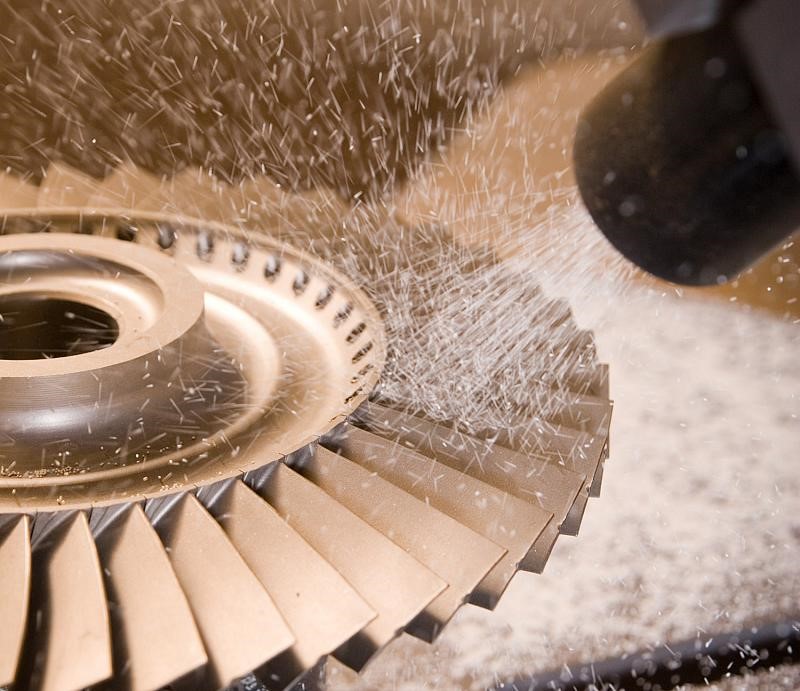
The pre-anodize surface preparation requirements are typically specified in supplemental drawings or quality documents rather than MIL-A-8625 itself. The de facto industry practice is glass bead blasting at controlled pressure to produce a uniform matte texture that anodizes into the distinctive premium matte finish seen on consumer electronics and aerospace structural panels.
Bead Blast Parameters for Aluminum
| Paramètres | Aluminum Setting | Steel Setting |
|---|---|---|
| Pressure (at nozzle) | 40–70 psi | 80–110 psi |
| Standoff distance | 250–350 mm | 250–350 mm |
| Impact angle | 75° | 75° |
| Media (typical) | Glass bead #100–#170 | Aluminum oxide #80 |
| Resulting Ra | 0.6–1.2 µm | 1.8–2.3 µm |
The lower pressure on aluminum is essential. At 90 psi, glass bead on 6061-T6 produces visible distortion in sections below 3 mm thickness. At 60 psi, the same media on the same alloy produces clean uniform matte without distortion.
For aluminum below 1.5 mm thickness, consider rotary blast tables or oscillating racks that minimize dwell time in any single location. Static blasting on thin aluminum commonly produces ripple-style distortion.
Applications aérospatiales
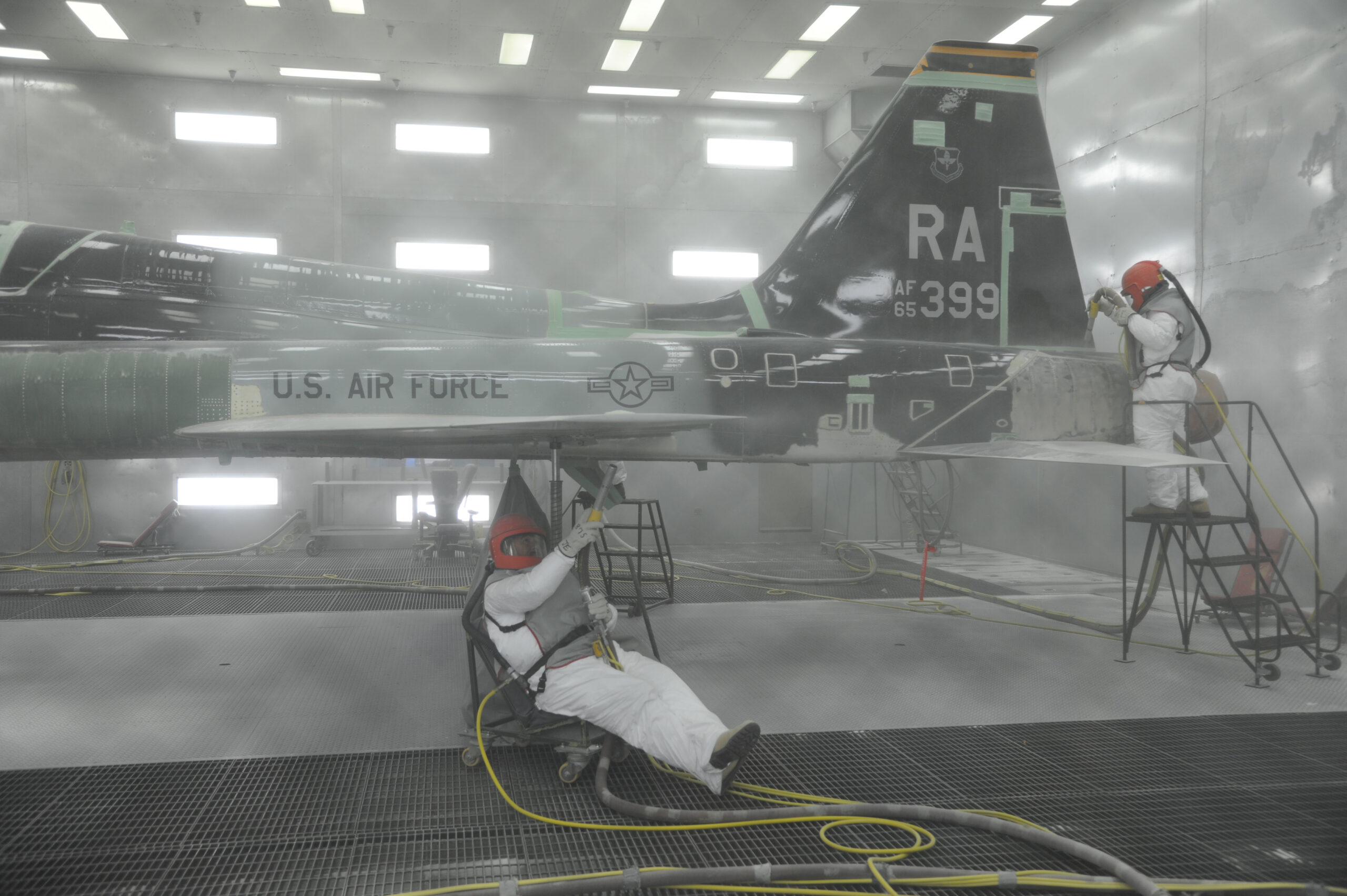
Aerospace structural aluminum (7075-T6, 2024-T3, 6061-T6) is routinely sand blasted before primer application:
- Glass bead #150 at 50 psi produces Ra ~0.7 µm — preferred for primary structure
- Aluminum oxide #180 at 40 psi produces Ra ~1.0 µm — used where additional anchor is required
- Subsequent treatments include chromic acid anodize, sulfuric acid anodize, or chromate conversion coating
For the broader process and comparison context, see our guide on sandblasting vs shot blasting vs bead blasting.
Common Aluminum Defects
- Warping/distortion — excessive pressure on thin sheet
- Embedded media — common with worn glass bead
- Iron contamination — from shared equipment with carbon steel work
- Galled surface — from over-dwell on soft alloys (1100, 3003)
- Inconsistent matte appearance — operator overlap variation
Defects and remediation for all materials are covered in our reference on common sand blasted surface defects.
Questions fréquemment posées
Can you sandblast aluminum?
Yes, but with adjusted parameters. Glass bead is the dominant media; pressure runs 40–70 psi (vs 80–110 psi for steel). Aluminum oxide can be used when additional anchor pattern is needed. Steel grit and steel shot must never be used due to galvanic corrosion risk.
What media should I use to bead blast aluminum?
Glass bead #100–#170 is the standard for cosmetic and pre-anodize finishes. Aluminum oxide #120–#180 is used when more anchor pattern is required for downstream coating.
What pressure should I use on aluminum?
40–70 psi at the nozzle. The lower pressure (vs 80–110 psi for steel) prevents over-blasting, warping, and excessive surface work. Below 40 psi, blasting becomes inefficient; above 70 psi, distortion risk grows quickly on thin sheet.
What is the typical Ra for bead-blasted aluminum?
0.6–1.2 µm with glass bead #100–#170 at 50–60 psi. Premium consumer electronics often target the 0.5–0.7 µm range; aerospace pre-anodize targets the 0.8–1.0 µm range.
Why does my aluminum warp during blasting?
Most often, pressure is too high or dwell time too long. Aluminum’s lower hardness means more energy goes into plastic deformation rather than substrate removal. Reduce pressure to 50–60 psi and increase traverse speed.
Request an Abrasive Blasting Media Sample
Jiangsu Henglihong Technology Co., Ltd. supplies certified aluminum oxide, garnet, glass bead, steel grit, and steel shot to global industrial buyers. Request a sample with full batch documentation for technical evaluation.
Request a Sample →Filtres