Garnet Surface Profile Guide: Achieving the Right Mils & Microns
Coating adhesion lives or dies on the anchor profile. Here’s how garnet grade, pressure and technique combine to hit the exact mils your specification calls for.
Talk to a Specialist →What Surface Profile Is
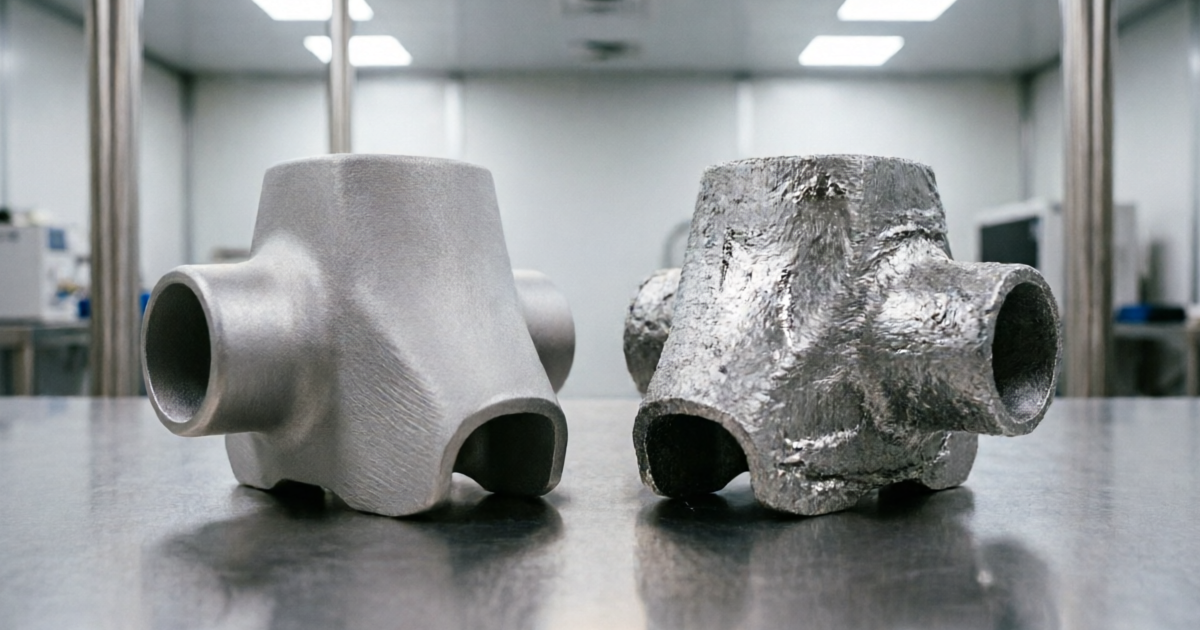
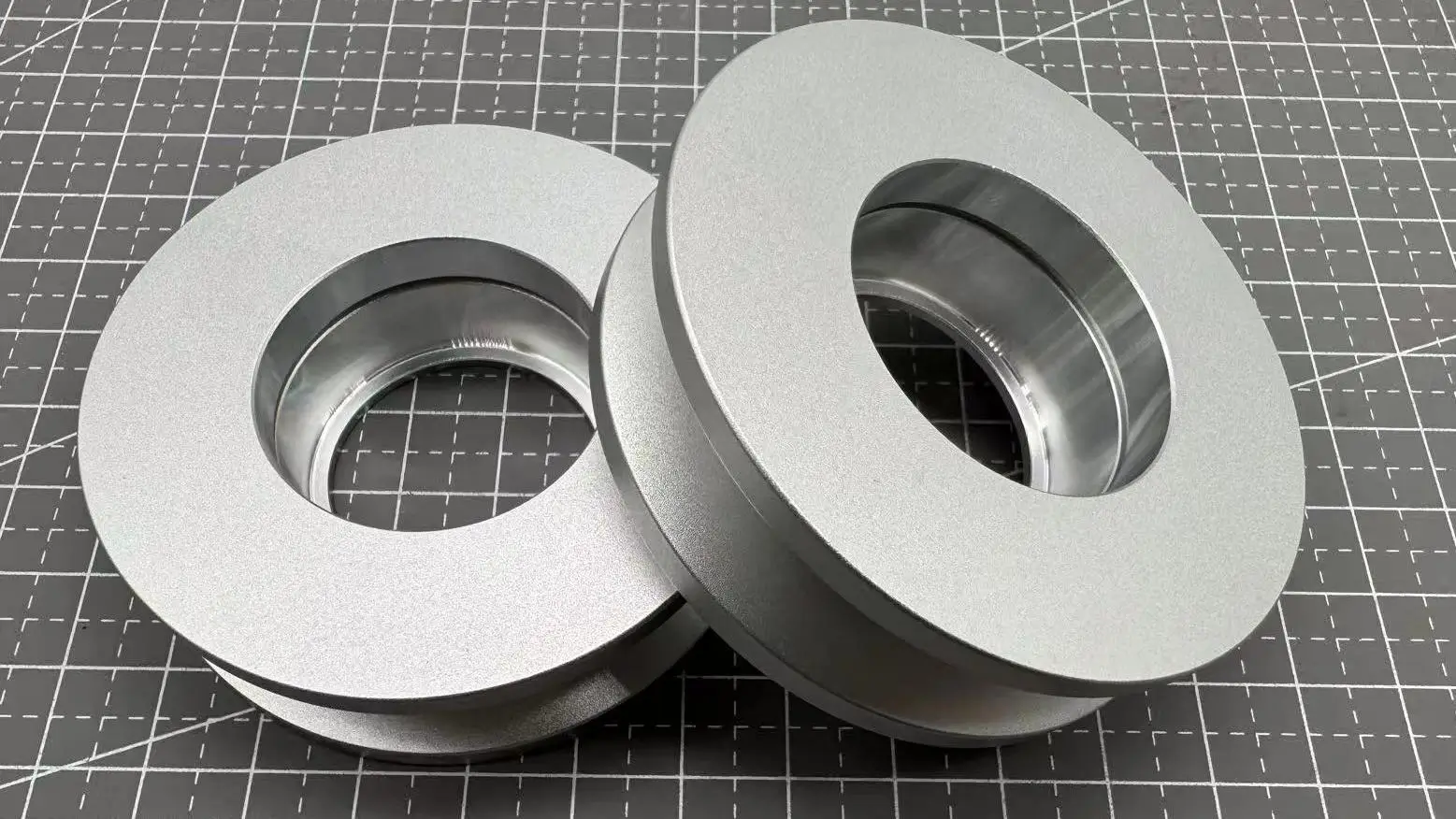
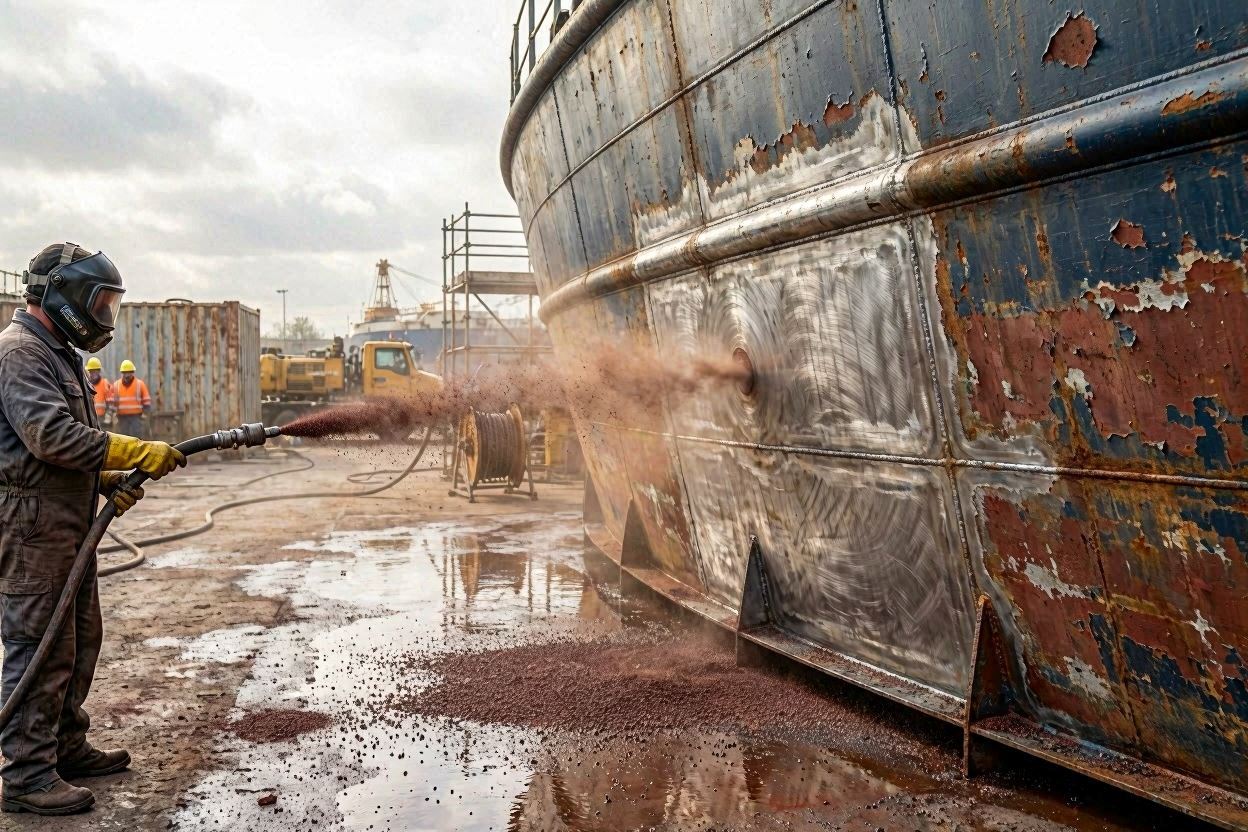
Surface profile — also called anchor pattern or surface roughness — is the peak-to-valley texture created when abrasive strikes the substrate. It is measured in mils (thousandths of an inch) or microns, where 1 mil equals 25.4 microns. The profile gives a coating the mechanical key it needs to bond; too shallow and the coating peels, too deep and peaks may protrude through thin films and rust.
Getting it right is the entire reason for grade selection — which we cover in detail in our garnet mesh size chart.
Cleanliness Standards
Profile works alongside a cleanliness standard that defines how much rust and scale must be removed. The most common references are:
- ISO 8501-1 — visual cleanliness grades such as Sa 2½ (near-white) and Sa 3 (white metal).
- SSPC-SP 10 / NACE No. 2 — the widely used near-white metal standard.
- SSPC-SP 5 / NACE No. 1 — white metal, the most demanding.
Your coating manufacturer’s data sheet specifies both the cleanliness grade and the target profile range. Always blast to the spec, not to habit.
Grade-to-Profile Table
| Garnet Grade | Typical Profile | Suited Coating Type |
|---|---|---|
| 20/40 | 3.5–4.5 mil (90–115 µm) | Heavy epoxies, thermal spray |
| 30/60 | 2.5–3.5 mil (65–90 µm) | General protective coatings |
| 80 | 1.5–2.5 mil (40–65 µm) | Thin-film and high-build paints |
| 120 | 1.0–2.0 mil (25–50 µm) | Precision, non-ferrous coatings |
Remarque : figures are typical guides. Actual profile shifts with nozzle pressure, standoff distance and substrate hardness — always verify with replica tape or a profile gauge.
Controlling the Profile
Beyond grade selection, three variables let you fine-tune the result:
- Air pressure — higher pressure deepens the profile and speeds cutting; back off to protect thin substrates.
- Standoff & angle — closer nozzle and a steeper angle increase impact energy.
- Abrasive flow — a controlled, metered flow gives a more uniform pattern than overloading the stream.
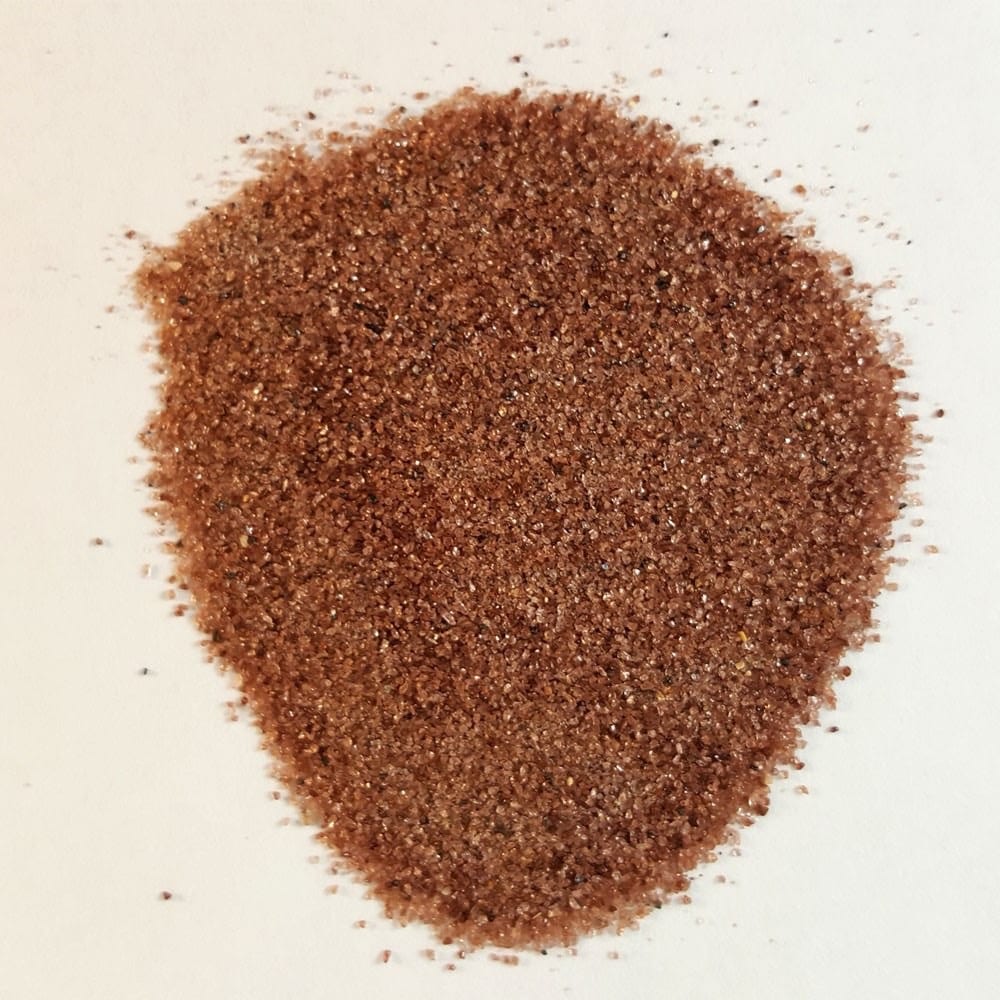
Garnet’s sharp, consistent grains make the profile predictable with few rogue peaks — one of its biggest advantages over slag and recycled abrasives. For the full material context, see our guide to garnet abrasive blast media.
Questions fréquemment posées
How do I measure surface profile?
Common methods are replica (testex) tape read with a micrometer, or a digital profile depth gauge, both giving a reading in mils or microns.
What profile do most coatings need?
Many general protective coatings target 2.5–3.5 mil, achievable with 30/60 garnet, but always follow the coating manufacturer’s data sheet.
Does a deeper profile always mean better adhesion?
No. An over-deep profile can leave peaks exposed through thin coatings, causing premature rust. Match the profile to the coating thickness.
Hit Your Profile Spec First Time
Jiangsu Henglihong Technology supplies consistently graded garnet so your profile stays predictable batch to batch. Request a recommendation and quote.
Get a Quote →Filtres