Aerospace Industry Applications – Precision Surface Treatment Solutions
Introduction to Aerospace Applications
Surface treatment in aerospace manufacturing is far more than a finishing step—it’s an essential engineering process that directly influences structural reliability, aerodynamic efficiency, and long-term durability. The industry deals with high-strength alloys such as titanium, Inconel, stainless steel, and aluminum-lithium composites, all of which require precise surface modification to perform optimally under stress, heat, and vibration.
The surface layer of an aerospace component is often the first line of defense against fatigue, corrosion, and erosion. Even microscopic imperfections can act as stress concentrators, leading to catastrophic failures over repeated load cycles. By controlling surface morphology, residual stress, and cleanliness through abrasive processes, engineers ensure the integrity and longevity of critical parts.
Main keyword: aerospace surface treatment

Processes Used in Aerospace Industry
The aerospace industry applies a range of advanced surface treatment methods tailored to specific materials and component geometries. The most commonly used include:
1. Shot Peening
Shot peening is one of the most critical surface strengthening methods in aerospace manufacturing. It introduces beneficial compressive stresses that delay crack initiation and growth. Components such as turbine discs, landing gear shafts, and fastener holes are routinely treated with controlled shot peening using zirconia or ceramic beads.
Typical parameters include:
- Almen intensity: 0.006A–0.012A
- Coverage: 100–200%
- Media size: 0.3–0.8 mm
These values are carefully adjusted to material hardness (typically 35–55 HRC) to avoid over-peening or surface distortion.
2. Deburring
Machined and drilled aerospace parts often contain sharp burrs that can compromise assembly fit or create fatigue hotspots. Vibratory or ultrasonic deburring processes using fine ceramic or plastic media ensure edge precision within ±0.02 mm. Automated robotic deburring is increasingly adopted for consistent quality control, especially for complex engine or landing gear parts.
3. Surface Polishing
Polishing in aerospace goes beyond visual finish. Mirror-level polishing (Ra < 0.05 μm) is often required on turbine blades, sealing rings, and aerodynamic surfaces to reduce friction, improve gas flow, and minimize heat accumulation. This process also eliminates micro-defects that could propagate under cyclic loading.
4. Etching and Surface Preparation
Etching prepares metallic and composite surfaces for bonding or coating applications. It’s commonly used on aluminum alloys and composite panels to improve adhesion of protective coatings. When combined with controlled abrasive blasting, surface energy and cleanliness are optimized for long-term performance.
Secondary keywords: aerospace shot peening, aerospace polishing, aerospace deburring

Media Selection for Aerospace Components
In aerospace applications, selecting the right abrasive media is crucial to achieving both mechanical and metallurgical goals. The ideal media must balance cutting aggressiveness, impact energy, and contamination resistance. Below is a technical comparison of common media types used in aerospace surface treatments:
| Type de média | Chemical Composition | Hardness (HV) | Applications | Avantages |
|---|---|---|---|---|
| Perles en zircone | ZrO₂ + Y₂O₃ | 1200–1300 | Shot peening, fatigue strengthening | High density, stable under heat, low contamination |
| Supports en céramique | Al₂O₃ + Silicate matrix | 1000–1200 | Deburring and edge finishing of Inconel parts | Durable, consistent cut rate, suitable for automation |
| Supports en plastique | Urea or Polyester-based | 100–200 | Polishing composites and aluminum skins | Gentle cutting action, non-metallic contamination-free |
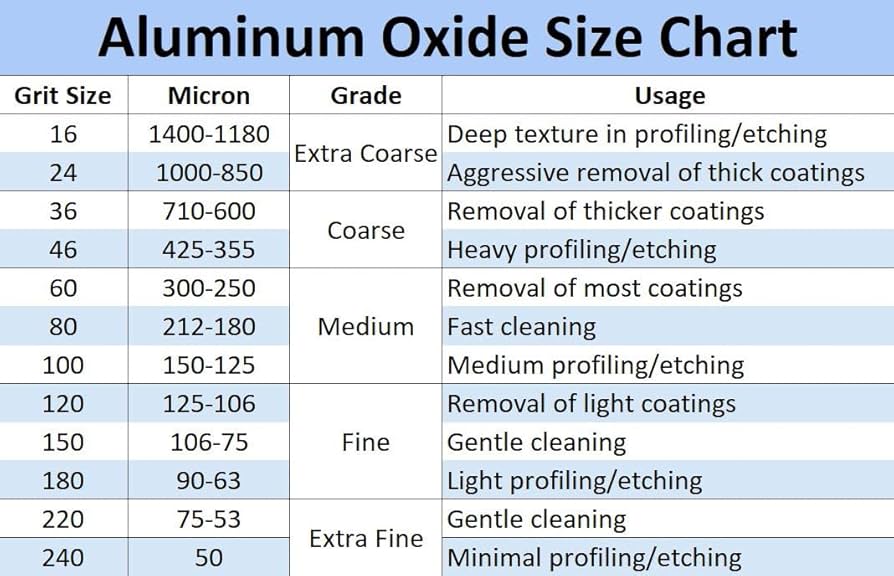
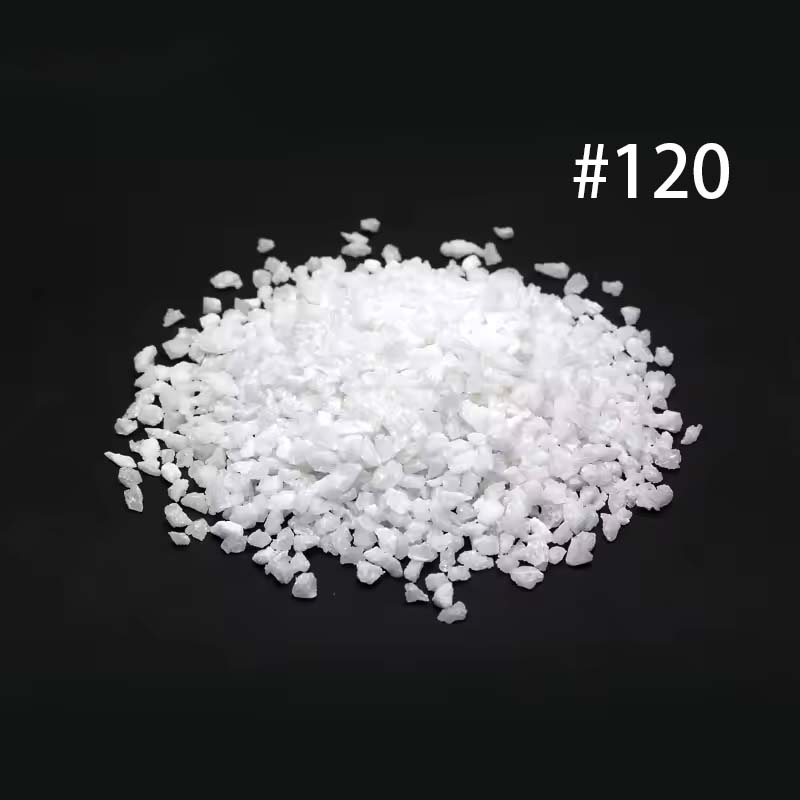
| Oxyde d'aluminium | Al₂O₃ (fused) | 1800–2000 | Surface cleaning and coating removal | High aggressiveness, reusable, effective on hard alloys |
Each aerospace-grade media must comply with standards such as AMS 2430 (Shot Peening Media) and SAE J441 for media size classification. Moreover, contamination control is paramount—ferrous contamination can trigger galvanic corrosion in aluminum parts, making non-ferrous media like zirconia beads the preferred option.
To explore in-depth media properties and performance comparisons, visit the Media Comparison section.
Case Studies: Aerospace Surface Treatment in Action
Case 1: Turbine Blade Shot Peening
Titanium turbine blades are subjected to high centrifugal stress and temperature fluctuations. By applying zirconia bead shot peening (intensity: 0.008A–0.010A), engineers achieved a residual compressive stress of −650 MPa at 100 μm depth. Fatigue life improved by 180%, and microscopic crack propagation decreased by over 70% compared to untreated samples. These results were confirmed through X-ray diffraction (XRD) residual stress analysis.

Case 2: Aluminum Fuselage Panel Polishing and Cleaning
Aluminum-lithium alloy fuselage panels were polished using fine ceramic media and subsequently cleaned using low-pressure glass bead blasting. The process reduced surface roughness from Ra 1.2 μm to Ra 0.2 μm, enhancing paint adhesion and reducing aerodynamic drag by 3.6% in wind tunnel tests. This optimization led to measurable fuel savings in commercial operation.
Case 3: Composite Part Surface Preparation
Composite components such as fairings and interior panels were prepared for coating using a dual-stage process: plastic media blasting followed by chemical etching. This approach improved adhesive strength by 25% (ASTM D1002 test) without introducing fiber damage. The non-metallic nature of the plastic media ensured compliance with FOD (Foreign Object Debris) standards.
These case studies demonstrate how data-driven control of process parameters and media selection directly correlates with measurable performance gains in aerospace engineering.
Technical Considerations for Process Optimization
To ensure repeatable and certifiable results, aerospace surface treatment operations integrate advanced monitoring and traceability systems. Key considerations include:
- Media size and sphericity: Must remain within ±5% tolerance to maintain uniform impact energy.
- Process validation: Almen strip testing and microhardness measurements ensure compliance with aerospace standards.
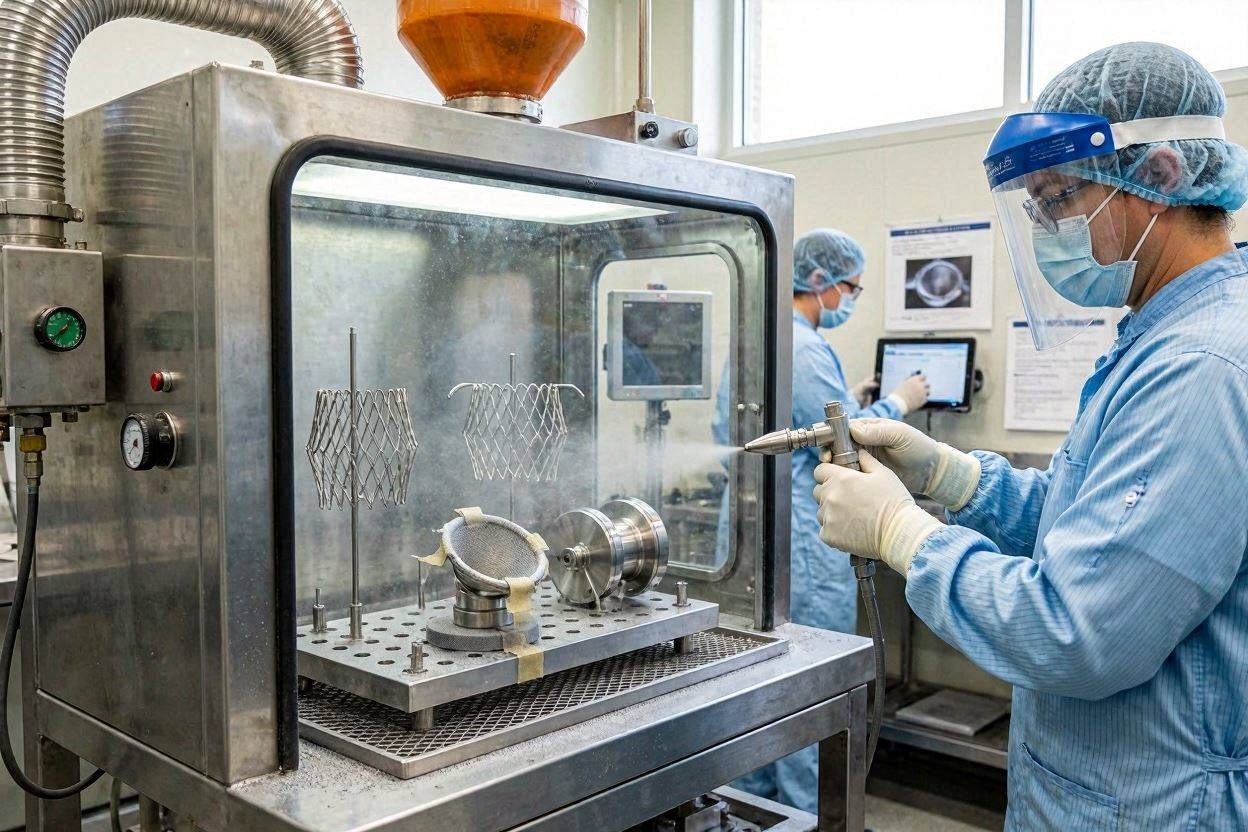
- Environmental control: Cleanroom-level filtration systems prevent contamination during polishing or peening of sensitive components.
- Automation and robotics: Multi-axis robotic systems provide consistent coverage and reduce operator-induced variability.
- Quality certification: Processes typically conform to AS9100 and NADCAP accreditation requirements.
These considerations are vital not only for maintaining quality but also for ensuring traceability—a key requirement in aerospace supply chains.
Conclusion: Advancing Aerospace Surface Integrity
The precision and consistency of aerospace surface treatment define both the safety and efficiency of modern aircraft. From the microscopic compressive stresses in turbine blades to the smooth aerodynamic skins of fuselage panels, every process step matters. As new materials and manufacturing technologies like additive manufacturing (AM) continue to evolve, surface treatment techniques must also adapt to address new challenges such as micro-porosity, layer adhesion, and complex geometries.
Through the strategic use of advanced abrasive media—particularly zirconia and ceramic formulations—engineers can optimize fatigue strength, enhance coating performance, and reduce maintenance costs across an aircraft’s lifecycle.
Enhance the Reliability of Your Aerospace Components
Explore advanced abrasive media and surface finishing solutions tailored for the aerospace industry. Discover how precision surface treatment can elevate performance and ensure long-term safety.
Filtres