Introduction to Abrasive Media Comparison
In modern industrial processes, choosing the right abrasive media can be the difference between achieving a high-quality surface finish and struggling with inconsistent results. Abrasive media comparison is not simply about material hardness—it also encompasses wear resistance, cost efficiency, and compatibility with specific finishing techniques.
Different abrasive media types perform differently depending on the industry. For example, aerospace manufacturers often require precision deburring and polishing, while automotive companies focus on durability and cost efficiency. This makes an abrasive media selection guide essential for engineers, procurement managers, and surface treatment specialists.

Factors to Consider When Choosing Abrasive Media
When selecting industrial abrasive media, several technical and economic factors should be evaluated:
1. Material Hardness
Hardness directly influences cutting speed and aggressiveness. Media like oxyde d'aluminium offer higher hardness compared to plastic media, making them ideal for heavy-duty applications.
2. Wear Resistance
High wear resistance ensures longer service life, reducing replacement frequency. For instance, zirconia beads are well-known for their extended durability compared to ceramic alternatives.
3. Cost and Lifespan
Cost analysis should not only consider purchase price but also lifecycle cost. Cheaper abrasive media may require more frequent replacement, reducing ROI over time.
4. Applicability to Surface Treatment Processes
Different surface treatment processes—deburring, polishing, cleaning, or peening—demand specific abrasive properties. A ceramic vs plastic media comparison highlights how process compatibility can drive selection.
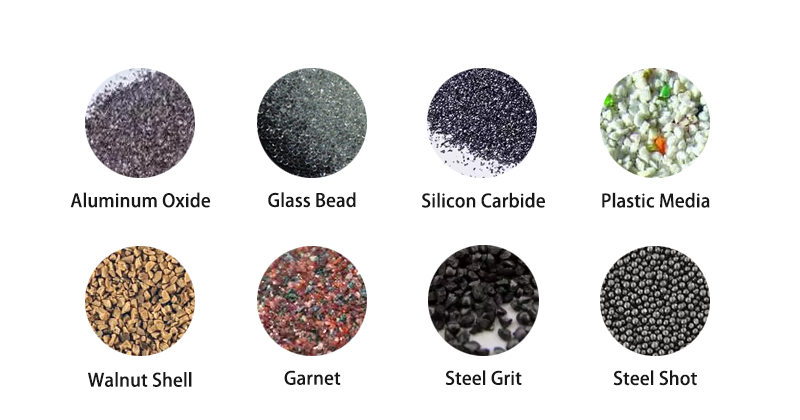
Overview of Media Types
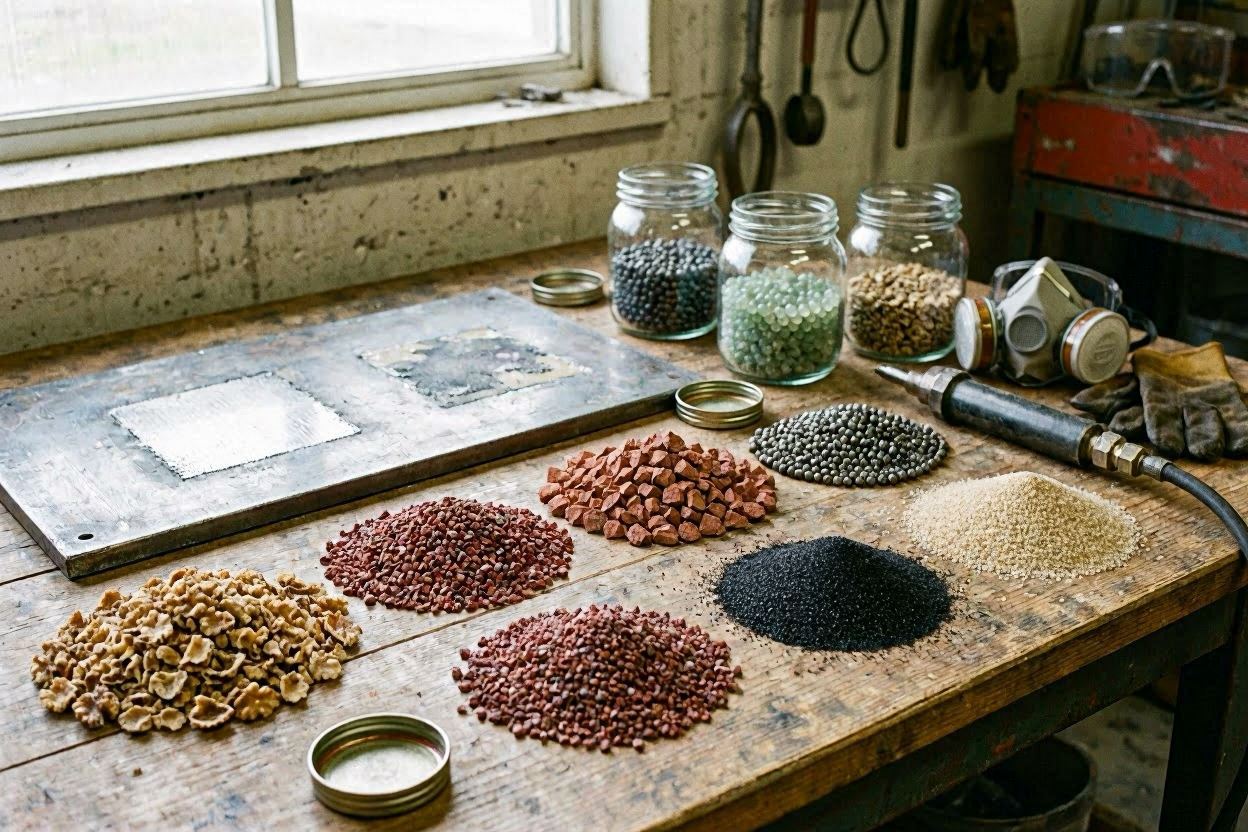
Below is an overview of the most widely used abrasive media types in industrial applications:
- Ceramic Media: High hardness, good for heavy cutting and deburring.
- Zirconia Beads: Extremely durable, excellent wear resistance, suitable for high-energy mills.
- Aluminum Oxide: Versatile, cost-effective, suitable for blasting and grinding.
- Plastic Media: Lightweight, gentle action, best for delicate or precision components.
For more details, visit our Abrasive Media Product Page.
Comparison Table
The table below provides a direct abrasive media comparison across critical performance metrics:
| Type de média | Dureté | Résistance à l'usure | Suitable Processes | Cost | Lifespan |
|---|---|---|---|---|---|
| Supports en céramique | Haut | Medium | Deburring, Polishing | Modéré | Medium |
| Perles en zircone | Very High | Excellent | High-Energy Milling, Grinding | Haut | Long |
| Oxyde d'aluminium | Haut | Haut | Blasting, Surface Cleaning | Faible | Medium |
| Supports en plastique | Faible | Faible | Precision Components, Electronics | Faible | Short |
How to Select the Right Media for Your Application
The choice of abrasive media depends on multiple criteria such as part material, finishing process, and industry standards. Below are some guidelines:
- Aérospatiale : Zirconia beads for precision and durability.
- Automotive: Ceramic media for cost-effective deburring.
- Electronics: Plastic media to avoid surface damage.
- General Manufacturing: Aluminum oxide for versatility and affordability.
Frequently Asked Questions (FAQ)
Q1: How do I choose the right media for deburring and polishing?
For aggressive deburring, ceramic media is typically recommended. For fine polishing, plastic media or zirconia beads may be more appropriate depending on part requirements.
Q2: Which abrasive media is best for cost efficiency?
Aluminum oxide provides a good balance between cost and performance, making it ideal for many general applications.
Q3: Can I use the same media for different industries?
While some media like aluminum oxide are versatile, specialized industries (e.g., aerospace) may require tailored solutions for compliance with strict standards.
Request a Quote
Need help selecting the right abrasive media for your production line? Contact our technical team for a customized recommendation.
Filtres