Industry Applications – Real-World Use Cases of Abrasive Media and Surface Treatment
From automotive manufacturing to aerospace engineering and precision electronics, these processes determine not only the surface appearance but also the structural integrity, fatigue resistance, and long-term reliability of critical parts.
Introduction to Industry Applications
Surface finishing and abrasive blasting processes have become indispensable tools for achieving precision and quality in manufacturing.
The correct combination of media type, size, and process parameters can drastically alter a component’s functionality, friction coefficient, corrosion resistance, and fatigue life.
Today’s industries rely heavily on abrasive technologies to produce components that meet increasingly strict engineering and environmental standards.
Real-world industry applications of abrasive media include polishing, deburring, cleaning, etching, coating removal, and strengthening of parts used in highly demanding environments.
These applications are not only functional but also strategic — influencing production efficiency, cost management, and quality assurance across the entire supply chain.
 The following sections explore how abrasive media applications are adapted to the specific requirements of automotive, aerospace, electronics, and industrial machinery sectors, along with detailed surface treatment case studies and insights into best practices.
Benefits of Seeing Real-World Applications
Understanding how abrasive media performs in real-world industrial conditions provides valuable insights into selecting the right materials and optimizing processes.
These case-based examples bridge the gap between theory and practice, enabling engineers and manufacturers to validate methods that consistently yield superior results.
1. Building Technical Confidence
When engineers review actual surface treatment case studies, they gain confidence that specific abrasive materials and techniques can achieve consistent results under real operating conditions.
Documented applications reveal measurable outcomes such as improved surface roughness (Ra reduction from 1.2 μm to 0.4 μm), enhanced corrosion resistance, and prolonged component life cycles.
2. Guiding Process Selection
Observing how different abrasive media performs under specific pressure, speed, and temperature conditions allows decision-makers to choose processes tailored to their production needs.
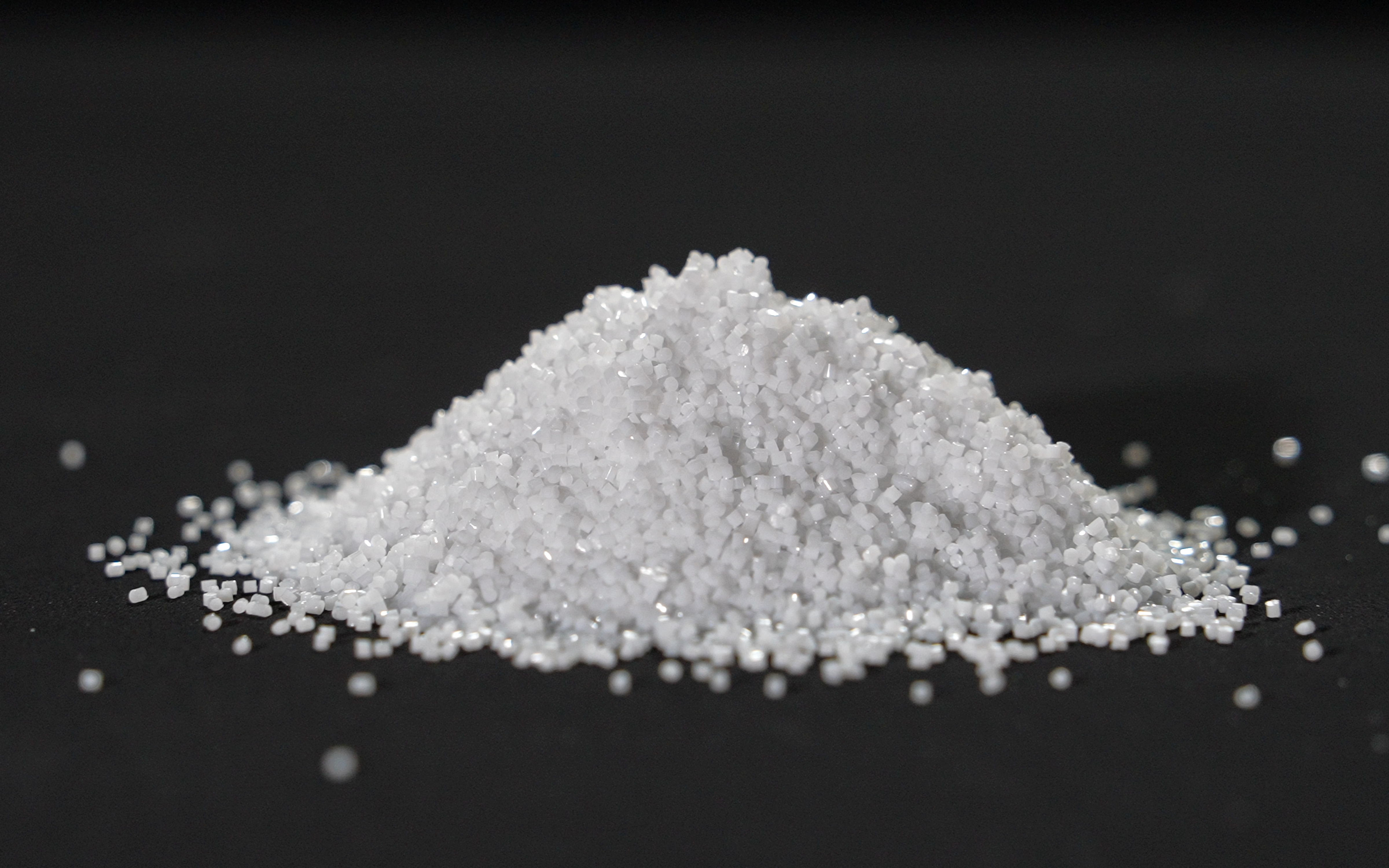
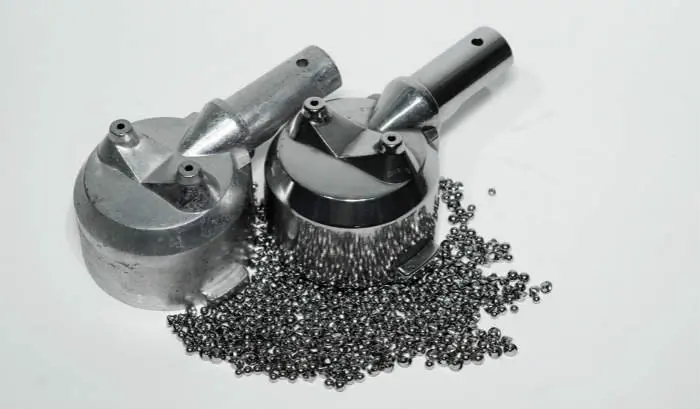
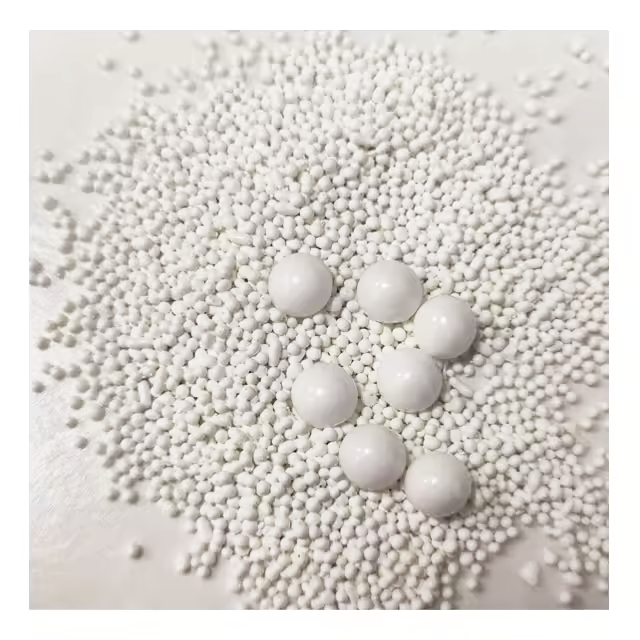
For example, ceramic beads are ideal for hard alloys and stainless steel, while plastic media is more suitable for delicate aluminum or zinc components that require gentle finishing.
3. Visualizing Before-and-After Improvements
Real-world demonstrations make the benefits tangible. Photographs and surface scans of treated parts clearly show smoother textures, improved coating adhesion, and uniform surface color after blasting or polishing.
These results translate directly into product quality, customer satisfaction, and brand reliability.

4. Promoting Knowledge Transfer
By studying documented surface finishing case studies, companies can replicate proven techniques, minimize experimental errors, and train their technical teams effectively.
The value lies not only in the results but in understanding the “why” behind each process adjustment—pressure settings, nozzle distance, or media flow rate.
Overview of Industries Covered
The application of abrasive media extends across nearly every manufacturing field. Each industry has unique material challenges, geometry constraints, and finishing goals that dictate the selection of surface treatment methods.
Below are four primary sectors where abrasive media delivers measurable improvements in performance and durability.
1. Automotive Industry
Automotive components demand a balance between performance, cost, and appearance. Abrasive processes such as deburring, shot peening, and polishing are applied to engine blocks, brake systems, and body panels to enhance surface integrity.
Consistent finishing prevents premature wear and improves energy efficiency by reducing friction losses.
Read more about Automotive Industry Applications
2. Aerospace Industry
In aerospace manufacturing, even microscopic surface defects can lead to catastrophic failure. Shot peening and fine polishing are used to increase fatigue resistance and achieve surface uniformity on turbine blades, landing gear, and fuselage components.
Every surface treatment step must comply with international standards such as SAE AMS2430 or MIL-S-13165.
Read more about Aerospace Industry Applications
3. Electronics and Precision Manufacturing
Miniaturized components like PCB connectors and micro-sensors require highly controlled polishing and cleaning to avoid damage.
Abrasive blasting with fine-grade ceramic or plastic media removes micro-burrs without altering dimensions.
In precision optics, finishing processes achieve mirror-like surfaces with Ra values below 0.05 μm.
Read more about Electronics & Precision Manufacturing Applications
4. Industrial Machinery
Heavy-duty equipment such as gears, shafts, and pump housings benefit from surface treatments that enhance wear resistance and minimize fatigue stress.
Abrasive cleaning removes oxide layers, while peening compresses the surface to increase hardness and delay crack propagation.
Read more about Industrial Machinery Applications
How to Apply These Insights
Translating industry case studies into practical knowledge requires understanding both materials and process behavior.
Each application presents unique challenges related to geometry, coating type, and production volume.
The following recommendations are derived from real industrial experiences and can guide engineers toward consistent and optimized surface results.
1. Align Media Hardness with Substrate
The abrasive media’s hardness should complement the workpiece material.
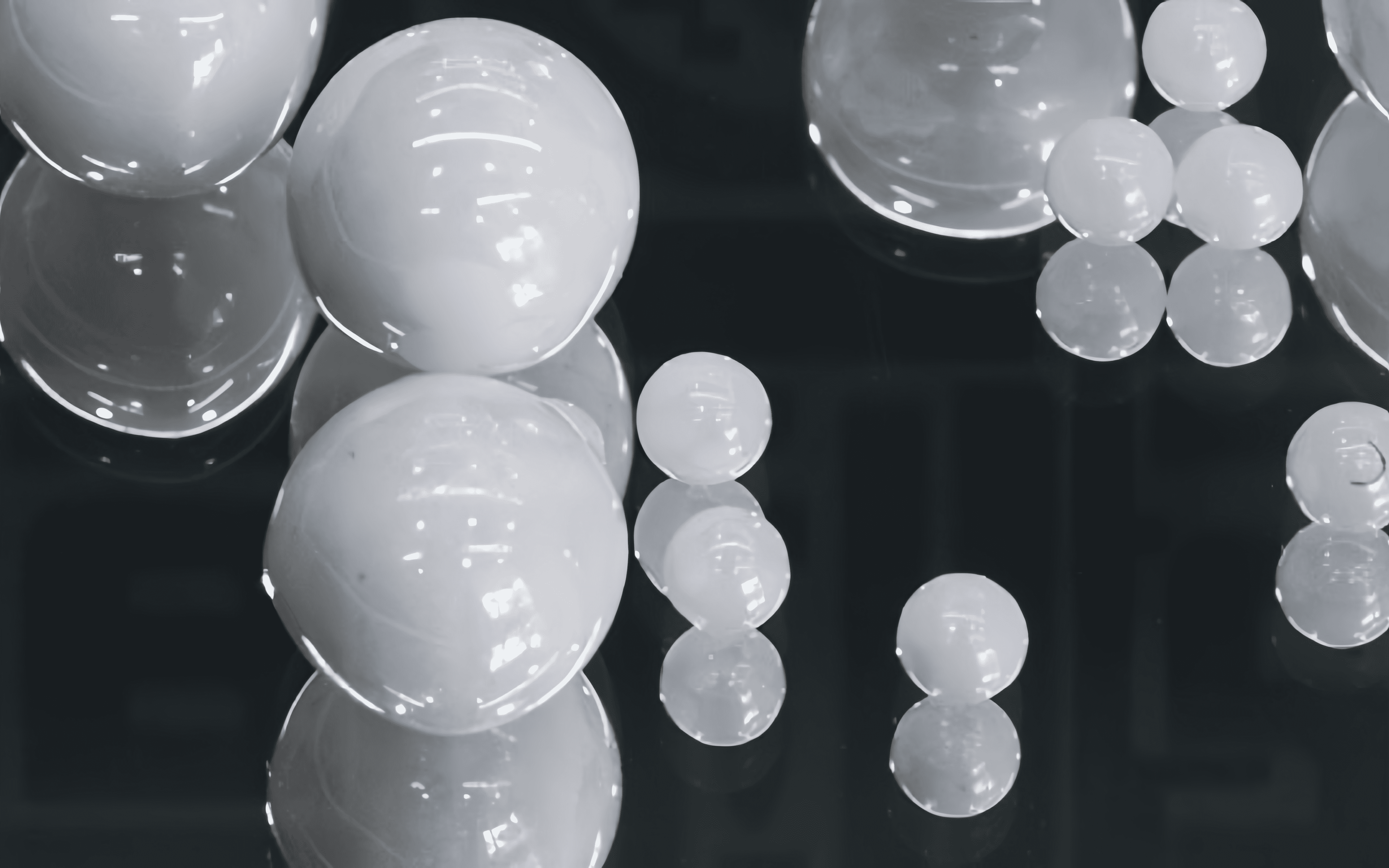
For example, zirconia beads with a Mohs hardness of approximately 8 are ideal for high-strength alloys, whereas aluminum oxide with slightly lower hardness provides controlled abrasion for general finishing.
Overly hard media may cause micro-cracking, while too soft media results in insufficient cleaning.
2. Optimize Process Parameters
Key process parameters include pressure (typically 0.2–0.6 MPa for shot peening), nozzle distance (100–200 mm), and cycle duration.
These variables directly influence energy transfer, surface deformation, and final finish quality.
Advanced monitoring systems now record temperature, pressure, and vibration data to detect process drifts in real time.
3. Conduct Controlled Experiments
Before full-scale production, pilot testing under controlled conditions ensures reproducibility.
Testing 5–10 sample parts under different media types and pressures allows engineers to establish a process “window” where surface uniformity and dimensional stability are both maintained.
4. Integrate Surface Analytics
Modern manufacturing integrates optical profilometry and scanning electron microscopy to evaluate surface quality.
Data-driven surface analytics help link process parameters to final part performance, enabling predictive maintenance and design optimization.
5. Continuous Improvement Culture
The most successful surface treatment facilities treat every project as a learning opportunity.
Documenting results, failures, and adjustments creates a knowledge base that supports ongoing process refinement and staff training.
Need guidance selecting the right abrasive media?
Preguntas frecuentes
1. Why are abrasive media applications so important in manufacturing?
Abrasive media determine how efficiently material removal, surface texturing, and finishing are achieved.
Proper application ensures optimal bonding strength for coatings, extended component life, and reduced maintenance costs.
2. How can I choose the right abrasive media for my process?
Media selection depends on several factors: substrate hardness, surface roughness target, part geometry, and desired finish level.
Engineers should also consider recyclability, contamination risk, and environmental compliance.
3. What surface metrics should be monitored?
Commonly measured parameters include Ra (average roughness), Rz (mean peak-to-valley height), gloss value, and reflectivity.
Each parameter provides quantitative feedback to validate surface performance.
4. Can abrasive media applications be automated?
Yes, many modern finishing systems are fully automated with programmable robotic arms and closed-loop control.
Automation improves consistency, reduces human error, and increases production throughput.
5. Are there environmental considerations?
Sustainable finishing systems use recyclable media and dust collection units to reduce emissions.
Using non-toxic materials like ceramic beads or plastic media also helps comply with environmental safety regulations.
Filtros