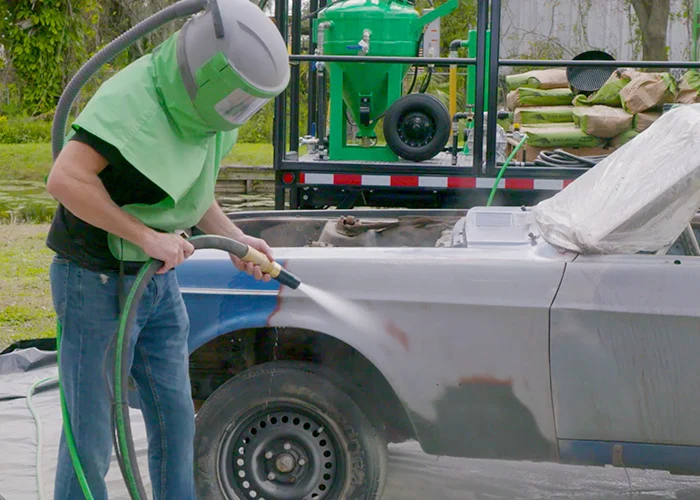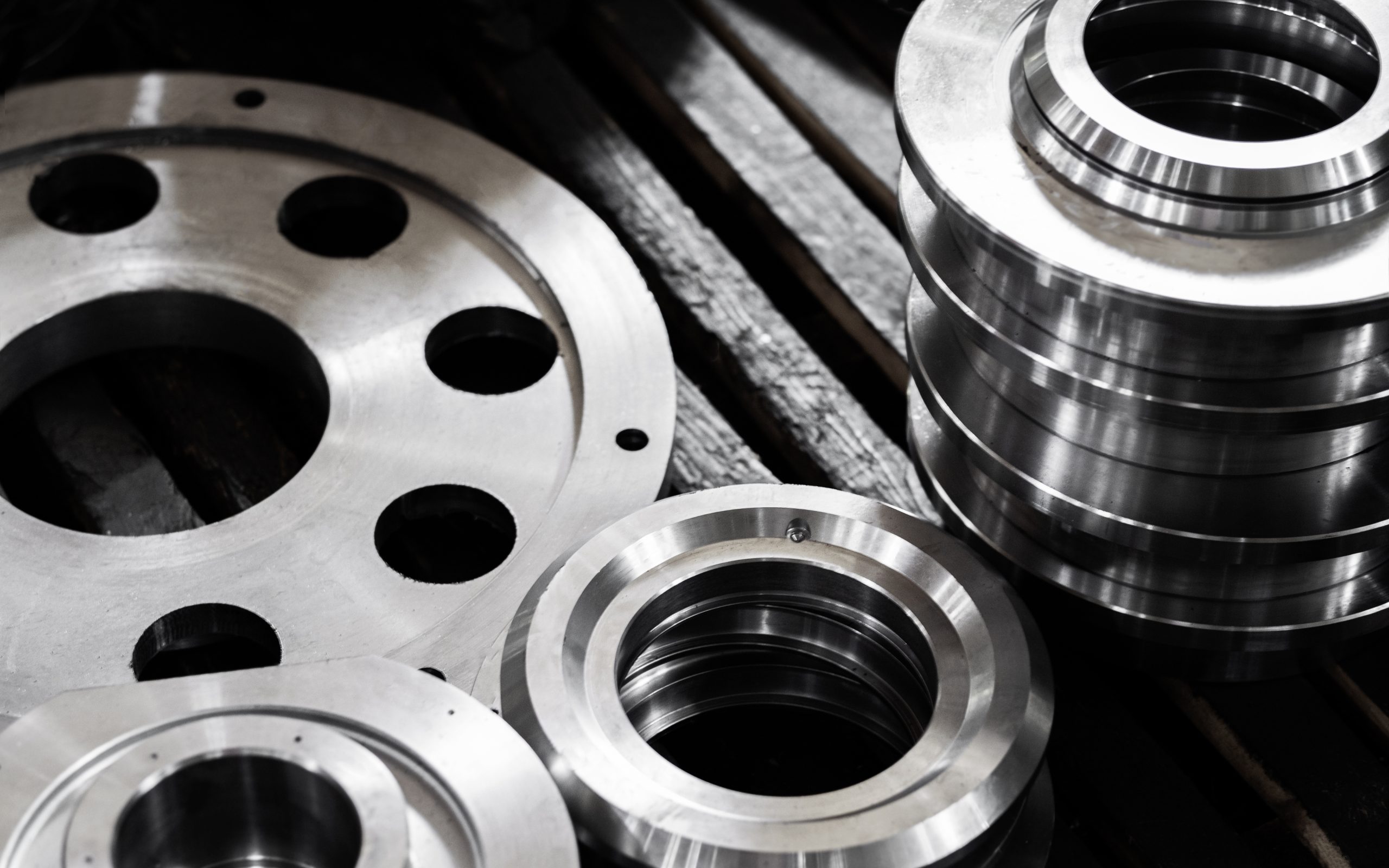
Choosing the right media is one of the most important decisions in a shot peening program. The media controls how much energy reaches the part, how evenly complex surfaces are covered, how quickly the process drifts, and how much contamination is introduced into the work cell. Two options often considered for demanding work are ceramic shot peening beads and zirconia beads.
Quick answer
Ceramic shot peening beads are usually the practical starting point when you need a spherical, clean, reusable media with stable coverage and controlled impact for aerospace, automotive, medical, and general industrial parts. Zirconia beads can be attractive when a process needs very high wear resistance, a premium finish, or a particularly tough bead for repeated circulation. The correct choice still depends on the alloy, target intensity, nozzle or wheel equipment, part geometry, and contamination limits.
What ceramic and zirconia beads have in common
- Spherical particles can produce more repeatable contact than irregular grit.
- Both can be selected in multiple particle sizes to match the part and machine.
- Both are suitable for controlled blasting and shot peening when the process is validated.
- Both should be screened and replenished on a defined schedule so broken or undersize particles do not change the process.
Ceramic beads vs. zirconia beads: key differences
| Factor | Perlas cerámicas de granallado | Cuentas de circonio |
|---|---|---|
| Typical goal | Balanced impact, coverage, surface uniformity, and operating cost | High durability, clean appearance, and demanding repeated use |
| Forma de las partículas | Spherical | Spherical or engineered spherical, depending on grade |
| Process control | Good when size distribution and machine settings are controlled | Good, with strong resistance to breakdown in suitable applications |
| Contamination focus | Low embedment is possible with correct media and parameters | Useful where non-ferrous or appearance-sensitive surfaces need a clean media stream |
| Best buying question | Can the grade achieve the required intensity and coverage? | Will longer media life justify the higher material cost? |
When ceramic shot peening beads are the better fit
Ceramic media is a strong candidate for parts that need uniform coverage without an aggressive cutting action. A round bead rebounds efficiently and can reach curved or detailed areas more consistently than a sharp abrasive. This makes ceramic shot useful for aluminum alloys, stainless components, precision castings, and parts where dimensional change or visible scratches must be tightly controlled.
Start with ceramic beads when your priorities are:
- A clean, uniform finish after peening or light surface treatment.
- Reliable coverage on complex geometry and recessed features.
- Low particle embedment and easier housekeeping than some metallic media.
- A reusable media stream with a manageable cost per cycle.
- A grade that can be documented in a repeatable work instruction.
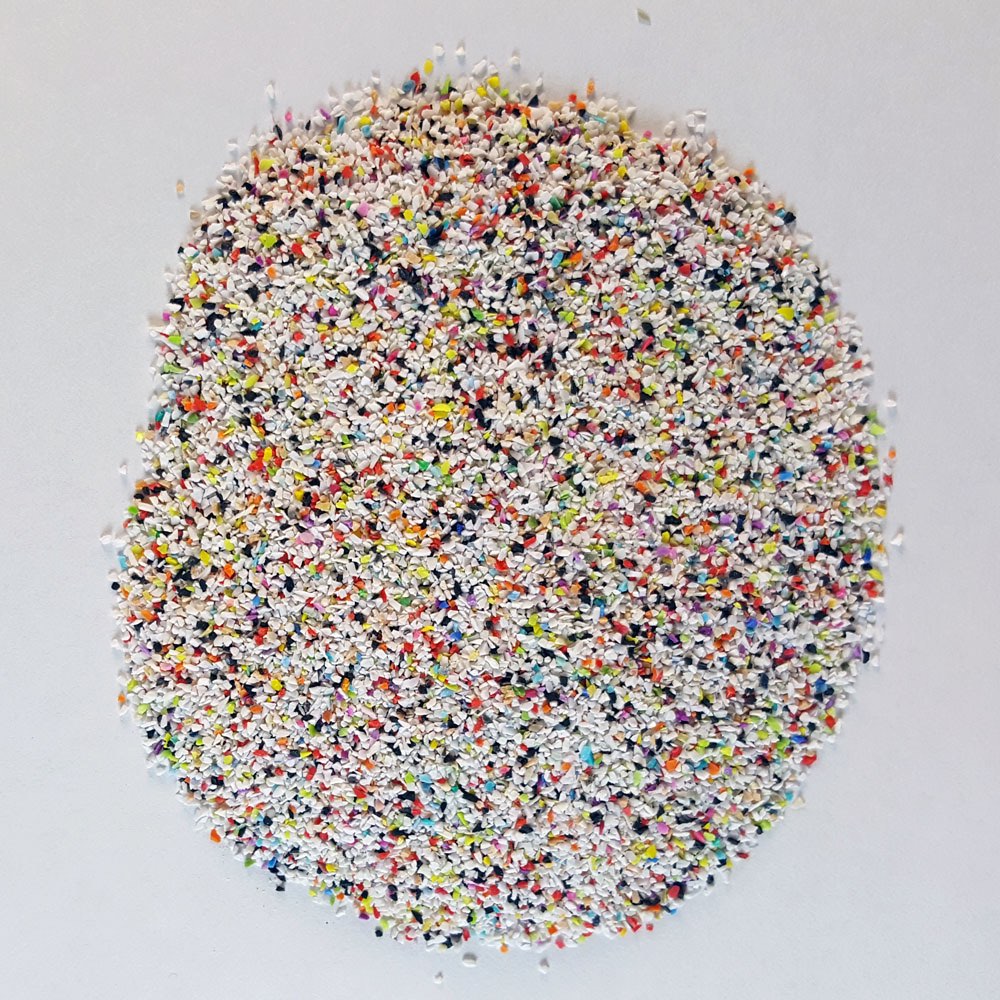
HLH Series Z ceramic shot blasting media is available in sizes from Z100 through Z850. The product page lists a spherical grain shape, a Mohs hardness of 7, and a zirconia-silica-alumina composition. Always confirm the exact grade and size against your own test results and customer specification before production release.
When zirconia beads are the better fit
Zirconia beads are often considered when the media will circulate continuously, when breakdown would quickly change the finish, or when the part is especially sensitive to ferrous contamination. Their value is not simply “more hardness.” The real question is whether the bead keeps its shape and performance long enough to reduce process drift, media changeovers, and rework.
Zirconia can make sense for:
- High-utilization blast cabinets or automated lines.
- Appearance-critical components that need a consistent satin or matte finish.
- Non-ferrous alloys where iron transfer must be minimized.
- Applications where media life and stable particle shape matter more than the lowest purchase price.
How to select the right bead size
- Define the target. Record the required peening intensity, coverage, roughness, and dimensional limits.
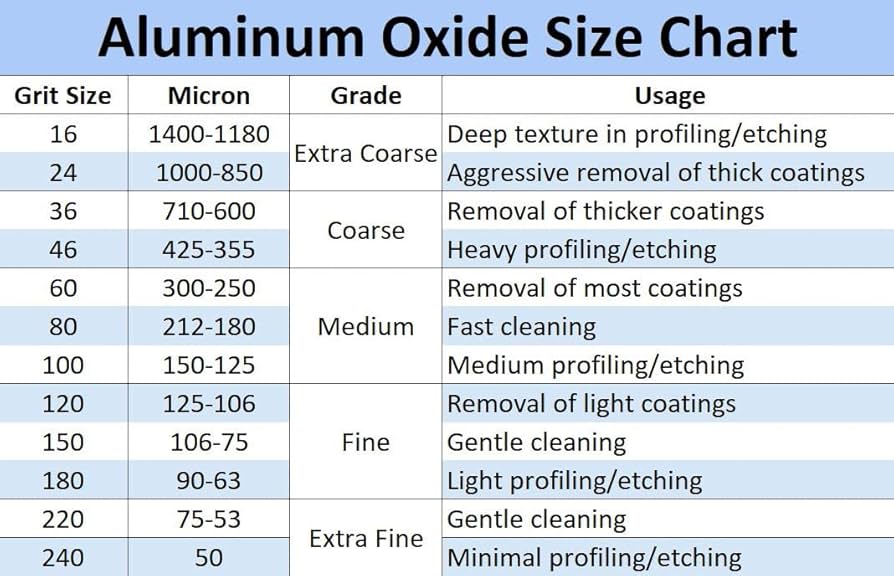
- Match the size to the geometry. Larger beads deliver more mass per impact; smaller beads can enter narrow features and usually create a finer texture.
- Check the machine. Verify nozzle diameter, air pressure or wheel speed, media flow, separator settings, and dust collection capacity.
- Run a controlled trial. Use the same alloy, heat treatment, masking, and part orientation as production.
- Measure and document. Check intensity, coverage, roughness, visual appearance, and any dimensional change. Keep a retained sample of the starting media.
Compare cost per cycle, not price per bag
A useful purchasing calculation is total media cost per accepted part. Include purchase price, consumption rate, separator losses, disposal, cleaning, downtime, and rework. A media grade that costs more per kilogram may still be economical if it keeps its shape longer and reduces process adjustments. Conversely, a premium bead is not automatically better if the part only needs a light, low-intensity treatment.
Frequently asked questions
Are ceramic beads and zirconia beads the same?
No. “Ceramic” describes a family of non-metallic media. Zirconia beads are a specific ceramic-based product family. Composition, density, hardness, strength, and manufacturing route vary by grade.
Can these beads be used for both blasting and shot peening?
Some grades are designed for both, but the machine settings and acceptance criteria are different. Use a grade whose technical data and supplier guidance match the intended process, then validate it on the actual component.
How often should media be replaced?
Do not replace on calendar time alone. Track particle-size distribution, breakdown, dust loading, consumption, and measured process output. Replace or top up when the media stream no longer meets the validated window.
Need help selecting shot peening media?
Share the alloy, part geometry, target finish or intensity, equipment type, and current media with HLH. The team can recommend a trial size and provide a sample for testing. See the HLH Series Z ceramic shot peening media page or request a quotation for a tailored abrasive solution.
For a dedicated product overview, see ceramic shot for shot peening from Henglihong.
Filtros