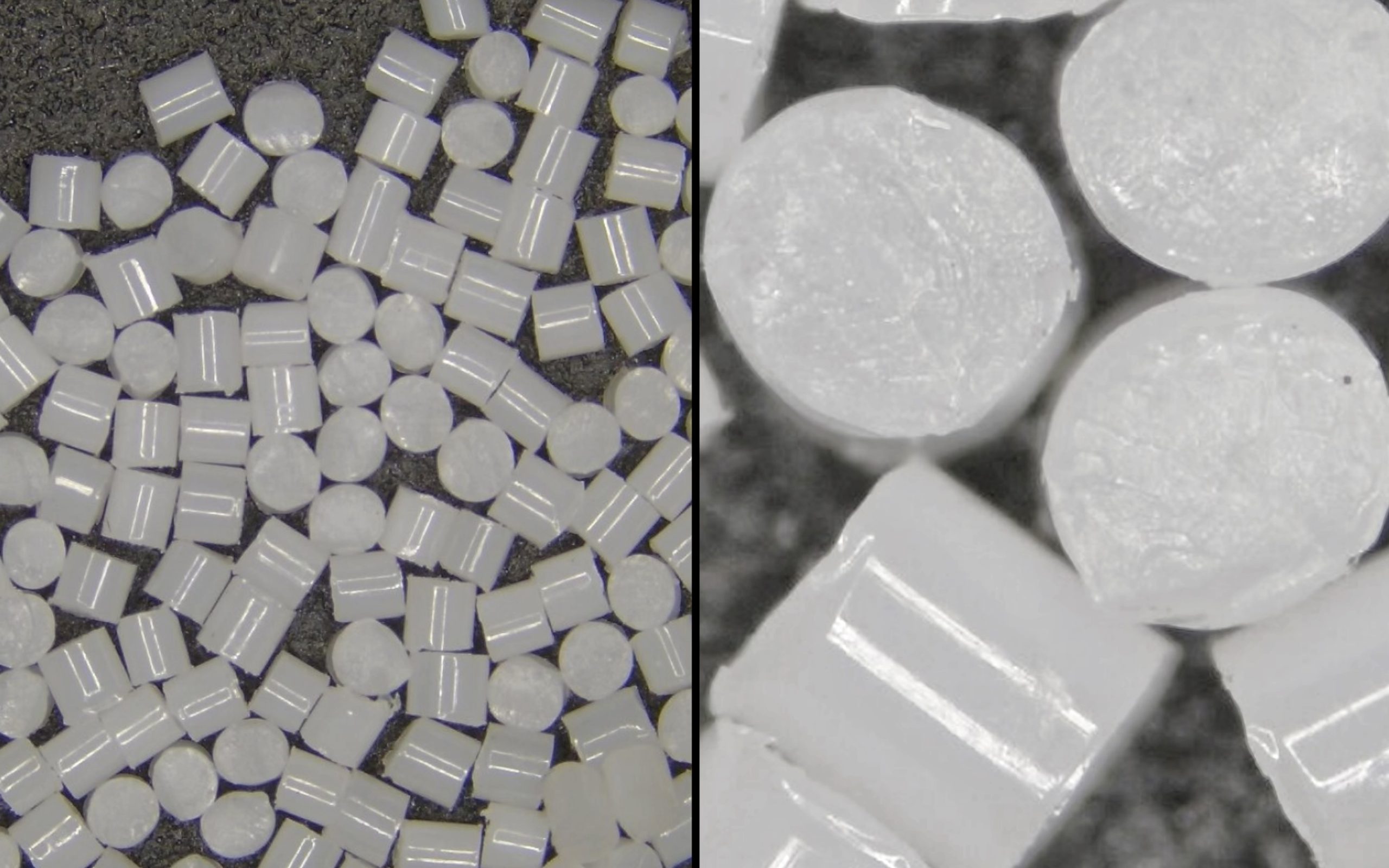
Glass Bead Sandblasting Media: Achieving Smooth Satin Finishes
1. Introduction
Glass bead blasting, also known as bead peening, is widely used in industries ranging from automotive and aerospace to electronics and decorative metalwork. Its primary advantage lies in the ability to clean and finish surfaces while minimizing substrate damage. Professionals use glass beads to remove rust, oxidation, and old coatings while simultaneously polishing and enhancing the surface profile for subsequent coating adhesion.
2. Properties of Glass Bead Media
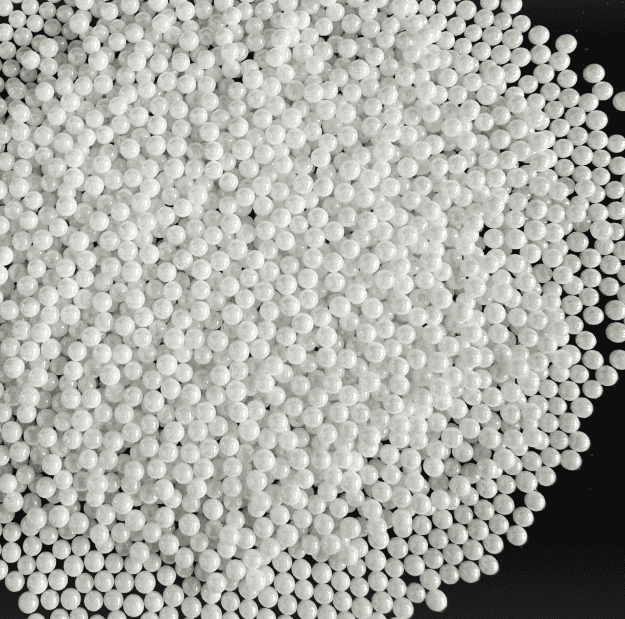
Glass beads are made from soda-lime glass, resulting in a smooth, spherical particle structure. Key properties include:
- Mohs-Härte: 5–6, providing a moderate hardness suitable for delicate surfaces
- Die Form: Spherical, reducing the risk of substrate erosion and scratches
- Die Dichte: 2.4–2.6 g/cm³, allowing for efficient blasting and media flow
- Wiederverwendbarkeit: Can typically be reused 3–5 cycles depending on contamination and wear
- Dust Generation: Low, improving operator safety and minimizing cleanup
3. Technical Specifications
| Parameter | Specification |
|---|---|
| Partikelgröße | 0.1–1.0 mm (100–140 mesh) |
| Schüttdichte | 2.4–2.6 g/cm³ |
| Mohs-Härte | 5–6 |
| Shape | Spherical / Round |
| Reusability | 3–5 cycles |
| Feuchtigkeitsgehalt | Less than 0.5% |
4. Applications of Glass Bead Media
4.1 Metal Surface Finishing
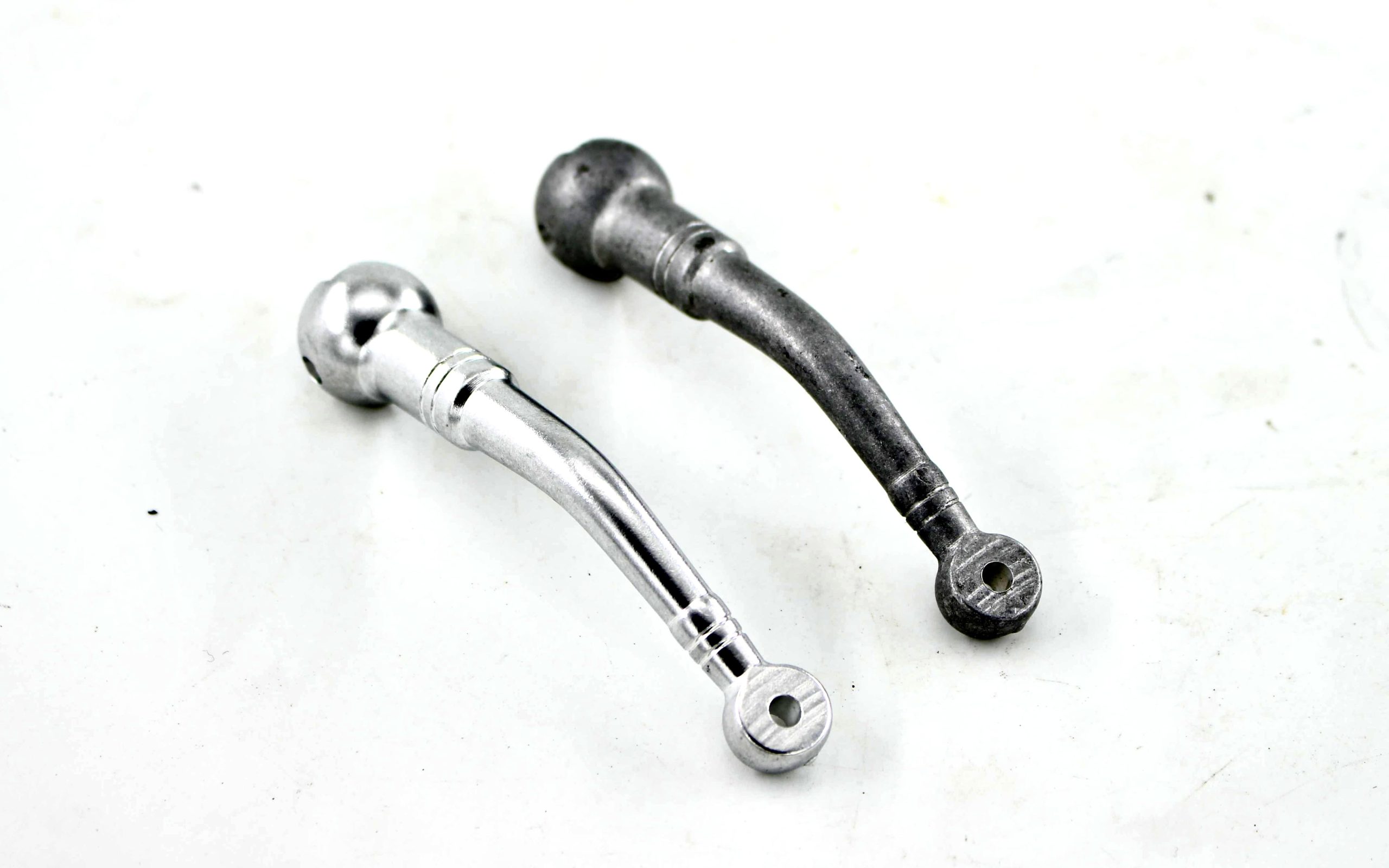
Glass beads are ideal for stainless steel, aluminum, brass, and other metals where a smooth, satin finish is desired. They are used to:
- Remove light rust, oxidation, and coatings without damaging the substrate
- Polish weld seams and edges for a uniform appearance
- Enhance surface profile for painting, anodizing, or plating
4.2 Automotive and Aerospace Components
Glass beads are preferred for precision components in the automotive and aerospace sectors due to their non-aggressive abrasive nature. They are commonly used for:
- Surface cleaning and preparation of engine components, chassis, and turbine blades
- Deburring delicate metal parts and removing residual coatings
- Providing uniform satin finishes to improve aesthetic and functional performance
4.3 Plastic and Composite Materials
Plastic media often complements glass beads, but for certain sensitive plastics and composite materials, glass beads alone are optimal. They provide gentle surface cleaning without cracking, scratching, or altering dimensions.
4.4 Decorative Applications
Glass beads are widely used in decorative metalwork, jewelry finishing, and furniture restoration. They polish and refine surfaces, enhancing luster without aggressive material removal.
4.5 Rust and Coating Removal
For lightly corroded or painted surfaces, glass beads effectively remove surface contaminants while smoothing the substrate. They are not suitable for heavily rusted steel or concrete, where harder abrasives such as aluminum oxide or Black Diamond are recommended (Aluminum Oxide Media, Black Diamond Media).
5. Blasting Equipment and Process Parameters
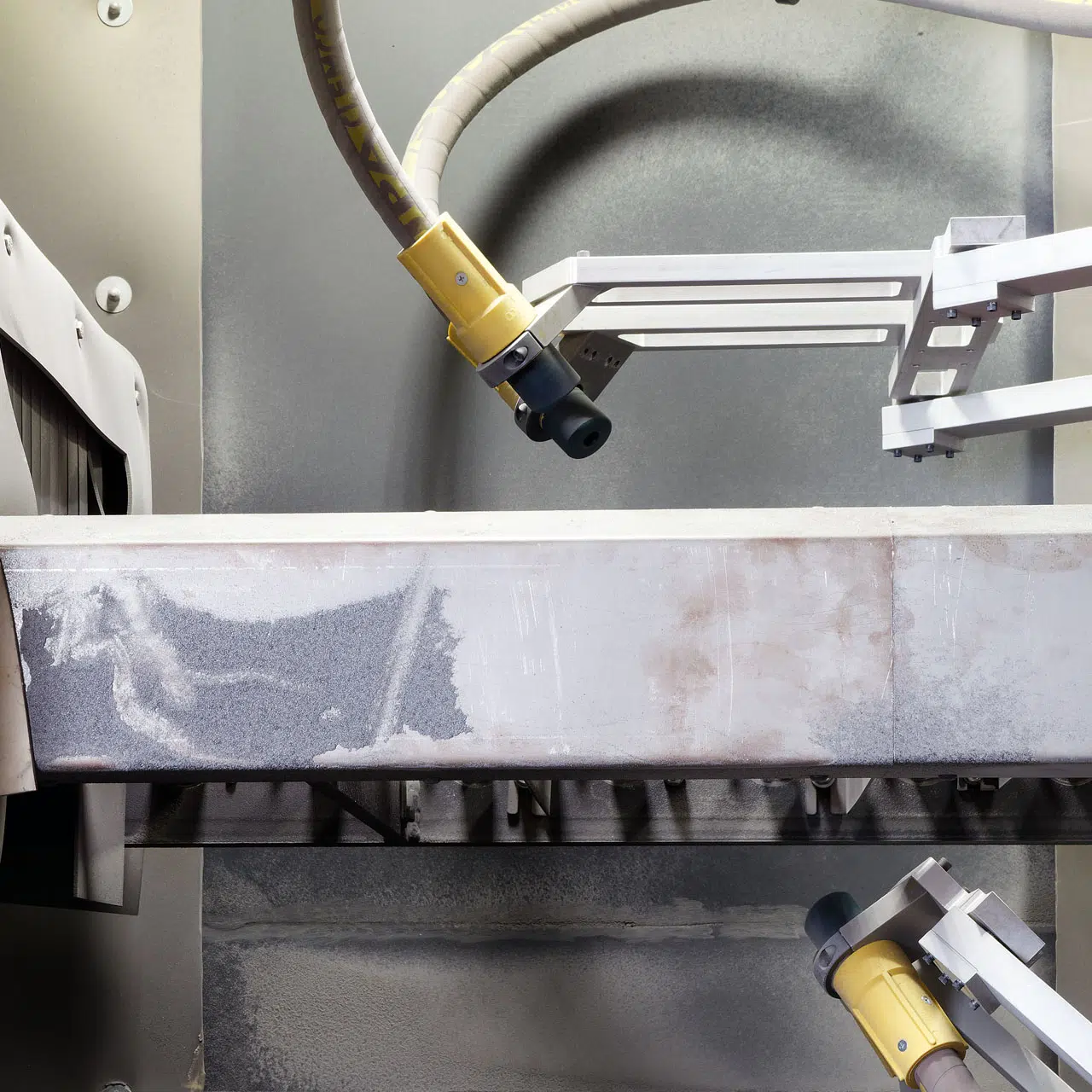
Glass bead blasting requires proper equipment and parameter selection for optimal results:
- Air Pressure: 40–100 PSI depending on surface hardness and component sensitivity
- Nozzle Size: 3/8″–1/2″ for hand blasting; specialized nozzles for automated systems
- Blasting Angle: 45–60° recommended for uniform finishing; 90° for localized cleaning
- Distance: 6–12 inches from surface to ensure consistent results
- Equipment Types: Pressure blast cabinets, suction blast units, automated robots
6. Advantages of Glass Bead Media
- Produces a smooth, satin finish with minimal surface erosion
- Reduces dust generation and improves operator safety
- Reusable, reducing operational costs
- Non-contaminating and suitable for sensitive or precision components
- Compatible with coatings, plating, and painting operations
7. Comparison with Other Media
| Medienart | Mohs-Härte | Partikelform | Best Applications | Reusability |
|---|---|---|---|---|
| Glasperlen | 5–6 | Round/Spherical | Polishing, satin finish, delicate metals/plastics | 3–5 cycles |
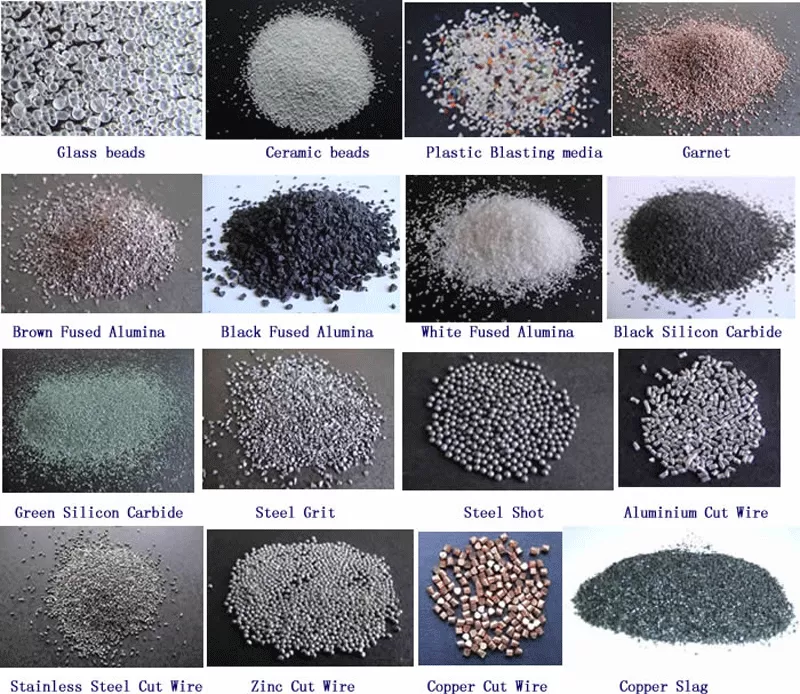
| Aluminium-Oxid | 9 | Eckig | Rust, heavy-duty metal cleaning | 4–6 cycles |
| Granat | 7–8 | Eckig | Moderate cleaning, waterjet cutting | 2–4 cycles |
| Coal Slag | 6-7 | Eckig | Steel, concrete | 2–3 cycles |
| Plastische Medien | 3–4 | Varied (spherical/irregular) | Delicate surfaces, aerospace, automotive | 5–10 cycles |
8. Safety Considerations
- Wear PPE including respirators, goggles, gloves, and protective clothing
- Ensure proper ventilation or dust collection even with low-dust media
- Inspect blasting equipment and hoses regularly to prevent accidents
- Store beads in a dry, clean environment to maintain quality
9. Environmental Considerations
Glass beads are recyclable and environmentally friendly. Used beads can be filtered, cleaned, and reused multiple times. Their low dust generation reduces air contamination, and they do not introduce toxic residues, making them ideal for environmentally conscious operations.
10. Tips for Optimal Results
- Adjust pressure and nozzle distance based on substrate sensitivity
- Test media on a small area before full-scale application
- Combine with masking and protective coatings for selective finishing
- Monitor media wear to maintain consistent surface finish
- Coordinate with subsequent coating or painting processes for maximum adhesion and finish quality
11. Summary and Recommendations
Glass bead sandblasting media is a high-quality solution for achieving smooth, satin finishes on metals, plastics, and delicate surfaces. Its spherical particles provide uniform polishing without substrate damage, making it suitable for decorative, aerospace, automotive, and precision applications. While it is not ideal for heavy rust or concrete, it complements other abrasives such as aluminum oxide, Black Diamond, or garnet for comprehensive surface preparation.
12. Related Resources
Filter