Deburring Process Guide – Industrial Surface Finishing
Introduction to Deburring
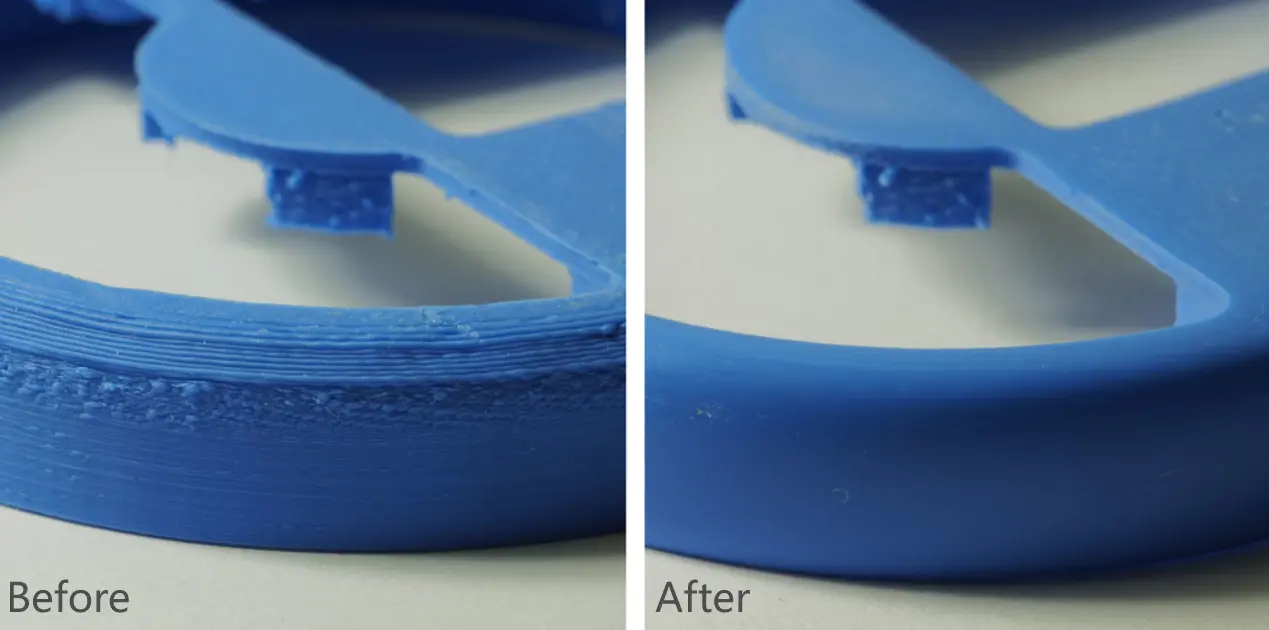
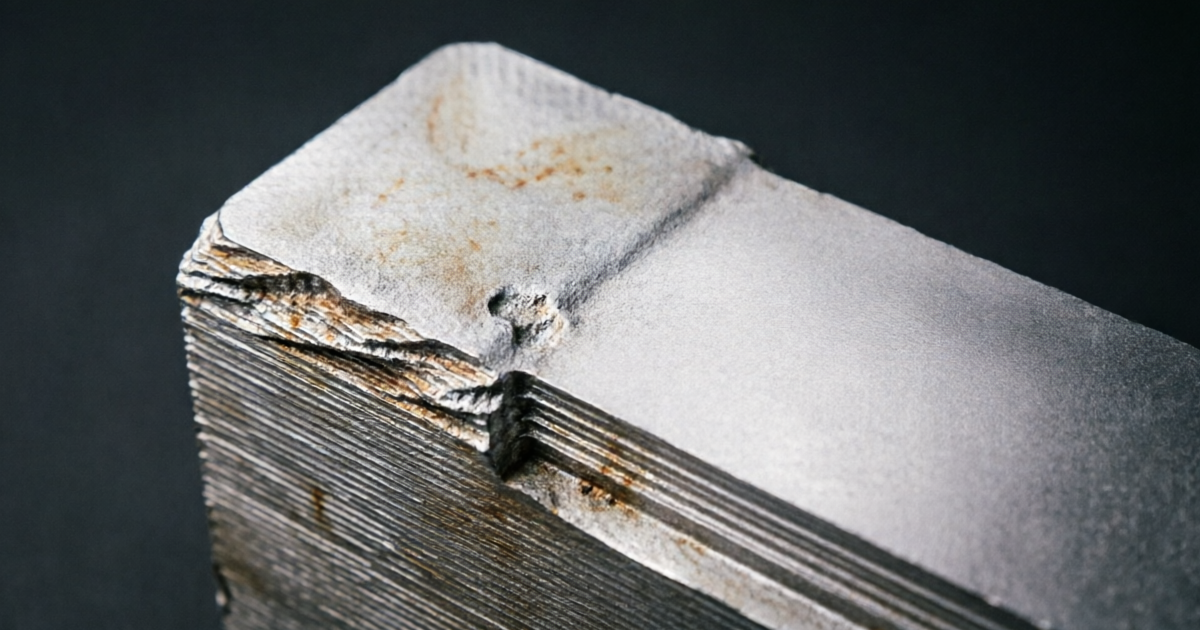
Deburring is the removal of unwanted material, sharp edges, or burrs formed during manufacturing. Proper deburring enhances assembly fit, reduces stress concentrators, and improves component safety. Common burr sources include machining, stamping, punching, and casting.

Deburring is an essential step in surface treatment workflows. For a comprehensive understanding of how deburring fits into overall surface preparation, see the surface treatment processes guide.
Deburring Techniques
Industrial deburring techniques are categorized as follows:
- Vibratory finishing and tumbling — mass finishing for batches of small to medium parts
- Manual deburring — files, brushes, abrasive sticks for precision areas
- Edge conditioning and micro-deburring — for aerospace or medical components
- Electrochemical deburring — using controlled anodic dissolution for internal passages
Vibratory and Tumbling Process
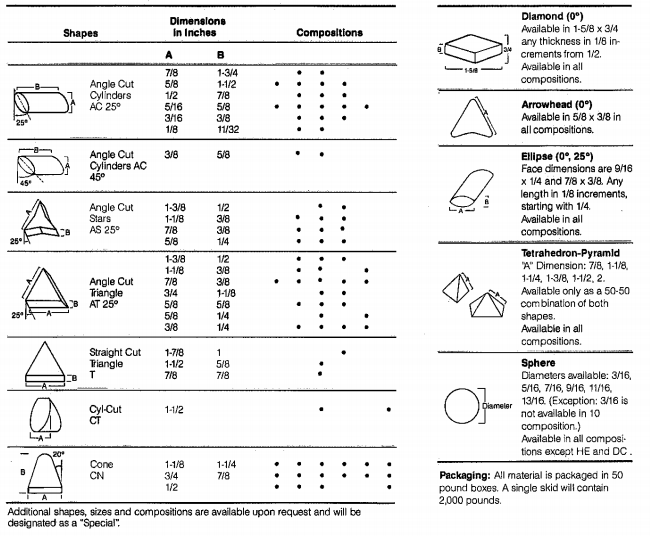
Vibratory finishing uses high-frequency vibrations with abrasive media to remove burrs, polish, or smooth parts. Tumbling operates on a slower rotary motion with similar media. Key variables include:
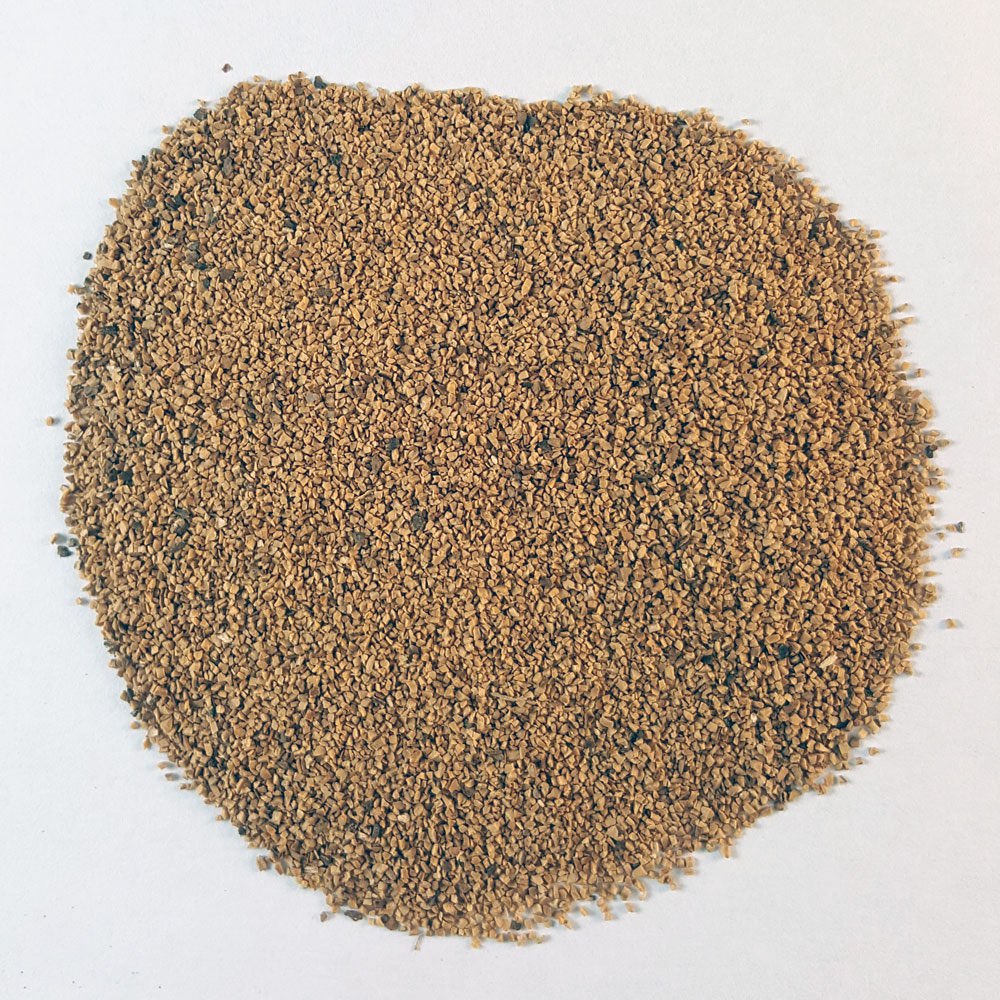
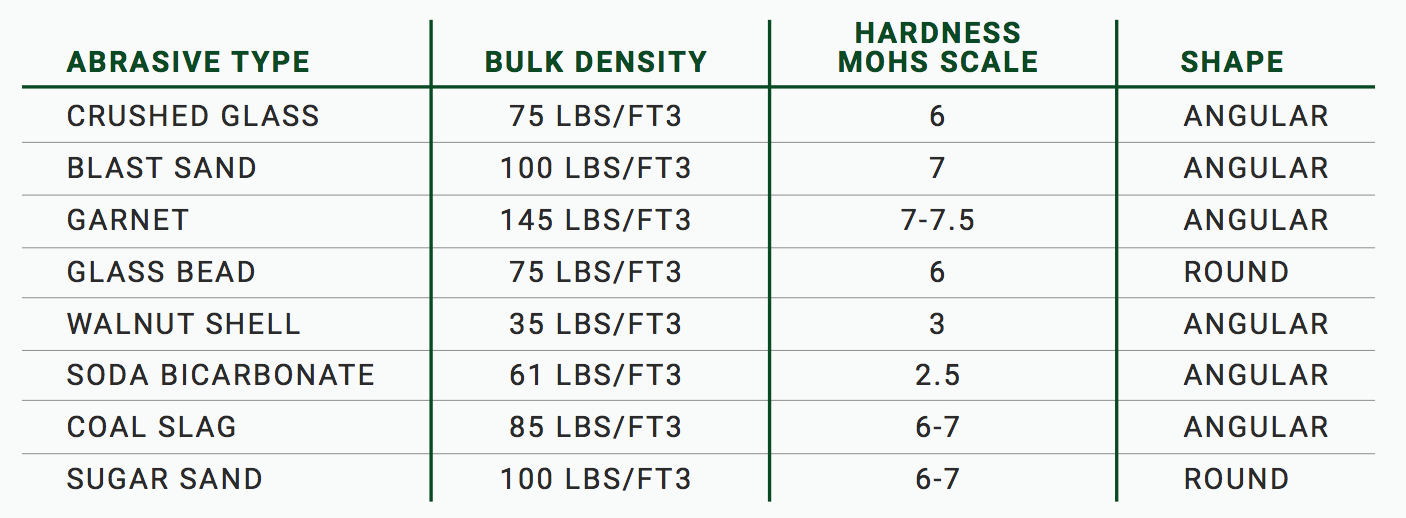
- Media type: ceramic, plastic, or stainless steel depending on material and burr size
- Media-to-part ratio: typically 2:1 to 5:1 by volume
- Compound: lubricants or mild abrasives to enhance finish
- Cycle time: 10–120 minutes based on part complexity
Manual and Specialized Methods
Manual deburring is used for precision parts, complex geometries, or small batches. Techniques include:
- Hand files or deburring knives for sharp edges
- Abrasive sticks for internal bores and threads
- Wire brushes or micro-abrasive tools for intricate surfaces
Process Parameters
- Vibration frequency: 1200–2200 rpm
- Media size: 5–20 mm for vibratory finishing
- Compound concentration: 0.2–0.5% by volume
- Temperature: maintain ambient to 40°C to prevent material warping
Pilot Protocol
- Select representative sample parts
- Run small batch using target media and cycle parameters
- Inspect edges, internal cavities, and surface finish
- Adjust cycle time, media, or compound as needed
- Document results and determine full production parameters
Quality Control Metrics
| KPI | Unit | Target / Acceptable | Measurement Method |
|---|---|---|---|
| Burr height | mm | <0.05 | Microscope / visual measurement |
| Surface roughness (Ra) | μm | 0.5–1.2 | Profilometer |
| Dimensional deviation | mm | <0.05 | CMM / calipers |
| Media wear | % per 1000 parts | ≤ supplier spec | Weigh media pre/post batch |
Safety Considerations
- Wear gloves, eye protection, and hearing protection for vibratory machines
- Ensure dust collection for media wear particles
- Follow ergonomics guidelines for manual deburring
Applications & Case Studies
1. Aerospace components: micro-deburring of turbine blades achieved burr height <0.02 mm with ceramic media.
2. Automotive brackets: vibratory finishing removed stamping burrs efficiently, prepared for painting.
3. Medical implants: manual and electrochemical deburring used to maintain precise tolerances and smooth surfaces.
Filter