OSHA Silica Rule & Eco-Friendly Alternatives to Silica Sand for Blasting
The OSHA Respirable Crystalline Silica standard effectively eliminated silica sand from regulated industrial blasting in North America. This guide covers the rule, its global counterparts, and the compliant media alternatives that have replaced silica in modern operations.
Why Silica Was Banned from Industrial Blasting
Crystalline silica from sandblasting has caused occupational silicosis since the process was invented in 1870. Early 20th-century operators routinely developed fatal lung disease within 5–15 years of exposure. Modern occupational health regulation has progressively tightened until silica sand is no longer commercially viable for industrial blasting in regulated markets.
For the historical arc of how the industry transitioned away from silica, see our guide on the history and evolution of abrasive blasting. For the broader sand blasting context, see the pillar guide on sand blasted surface.
The OSHA Respirable Crystalline Silica Standard
OSHA published the modern silica standard in 2016 with two parallel regulations:
- 29 CFR 1910.1053 — general industry and maritime
- 29 CFR 1926.1153 — construction
Key provisions:
- Permissible Exposure Limit (PEL): 50 µg/m³ respirable crystalline silica as an 8-hour time-weighted average
- Action Level: 25 µg/m³ — triggers medical surveillance and exposure assessment
- Engineering controls required — water suppression, ventilation, enclosed cabinets — wherever feasible
- Respiratory protection — supplied-air respirators for any blasting that produces detectable crystalline silica
- Medical surveillance — for workers exposed above the action level for 30 days/year
- Written exposure control plan — mandatory for covered employers
Penalties for non-compliance escalate quickly: a willful violation can exceed USD 150,000 per instance, and repeated violations can trigger criminal liability.
Global Silica Regulations
| Jurisdiction | Limit | Status of Silica Sand Blasting |
|---|---|---|
| United States (OSHA) | 50 µg/m³ | Heavily restricted |
| EU (Directive 2017/2398) | 100 µg/m³ | Restricted; banned in several member states |
| United Kingdom (HSE) | 100 µg/m³ | Effectively banned for abrasive blasting |
| Canada (CCOHS) | 25 µg/m³ (lowest) | Province-by-province; mostly banned |
| Australia (Safe Work) | 50 µg/m³ (reduced 2020) | Heavily restricted |
| Germany (TRGS 559) | 50 µg/m³ | Banned for free silica blasting |
| China (GBZ 2.1-2019) | 700 µg/m³ (total dust, partial) | Increasingly restricted in coastal industrial zones |
In regions with strict regulation, silica sand has been replaced almost entirely by engineered alternatives. In less-regulated markets, compliant media is increasingly specified by international buyers and class societies regardless of local law.
Compliant Media Alternatives
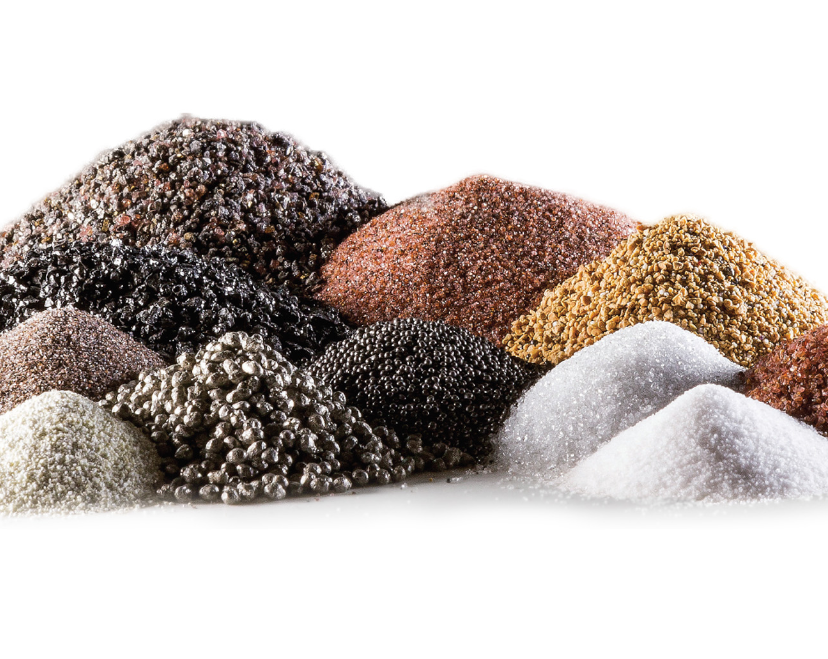
石榴石
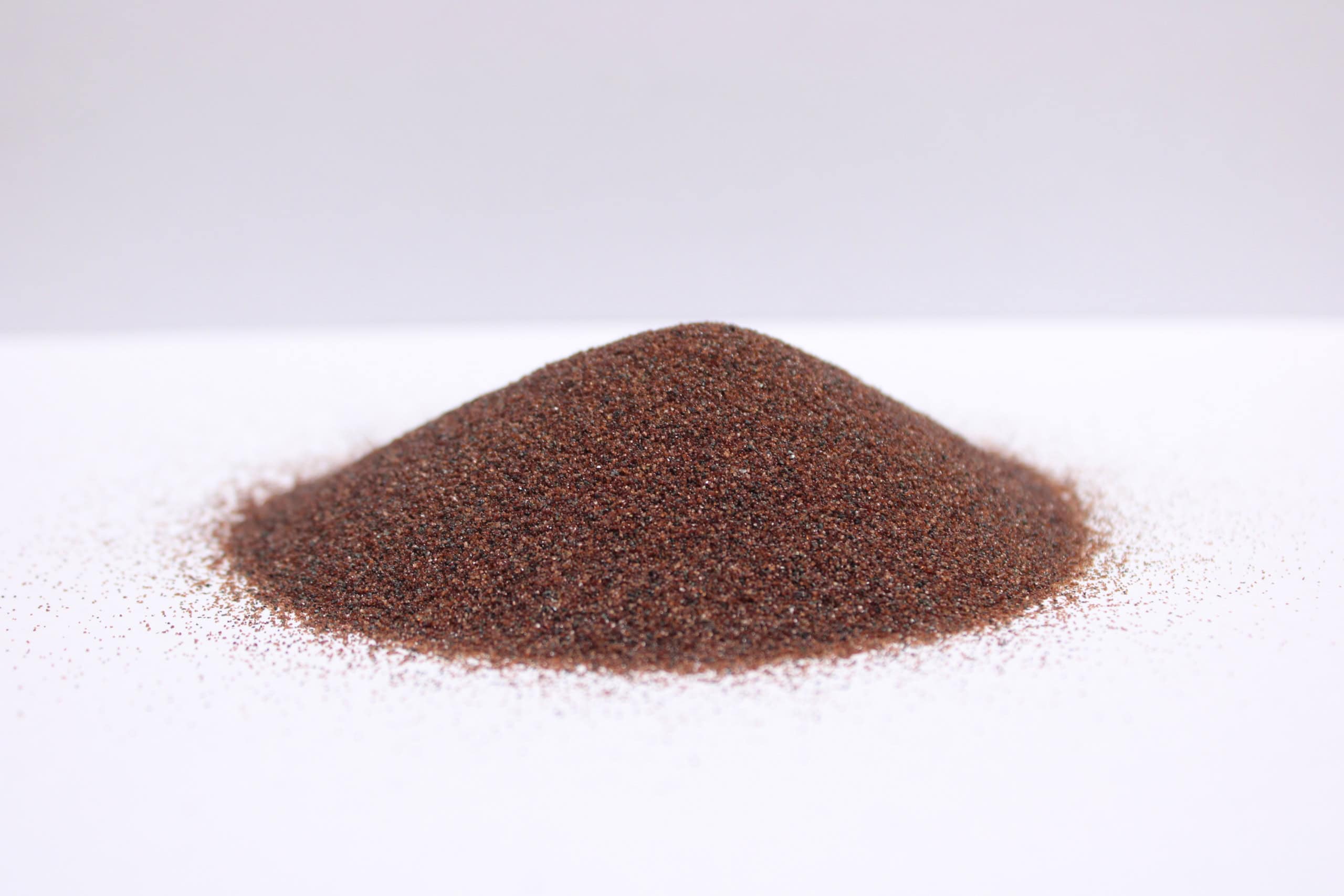
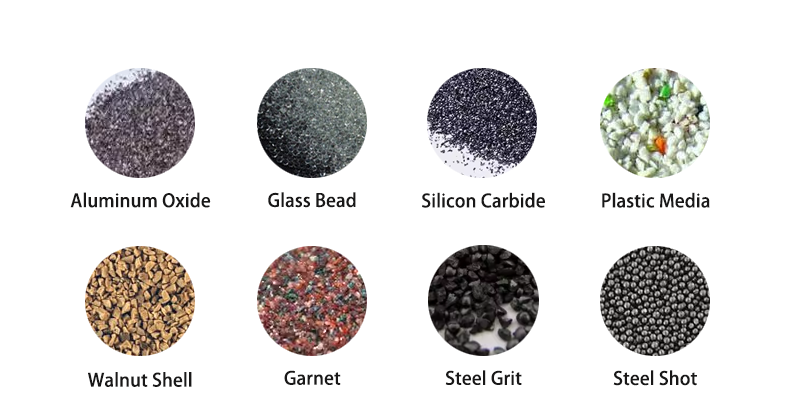
Natural mineral, < 1% silica. Mohs 7.5. Low dust, recyclable 3–5 cycles. Industry standard for marine and pipeline work.
氧化铝
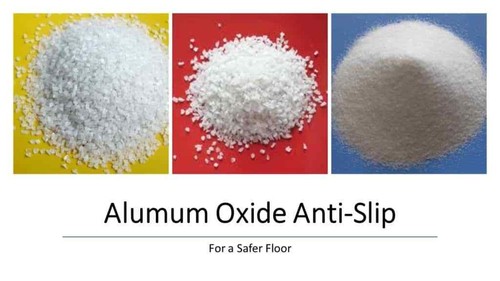
Synthetic, zero silica. Mohs 9. Aggressive cutting, long media life (15–20 cycles). Standard for aerospace and coating prep.
Glass Bead
Engineered amorphous glass, < 1% crystalline. Mohs 5.5–6. Cosmetic matte finish. Standard for stainless and aluminum.
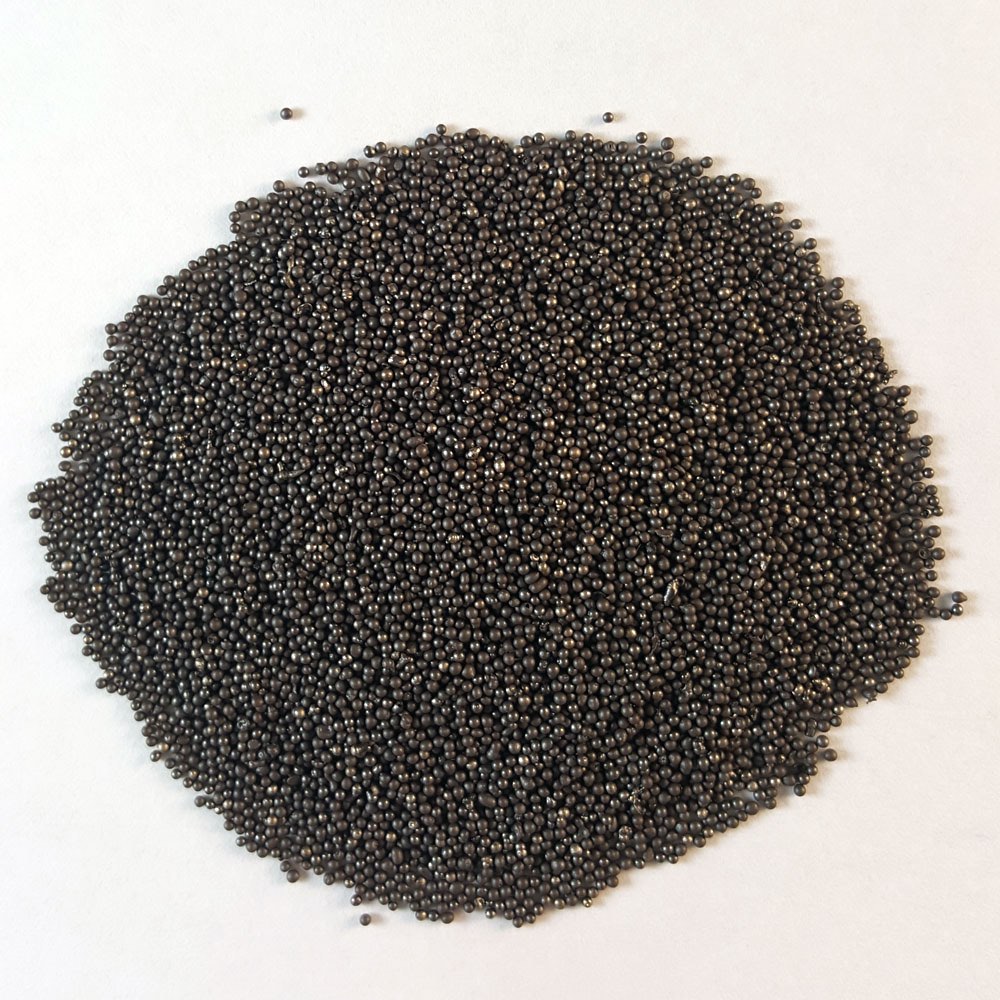
Steel Grit / Shot
Metallic, zero silica. Mohs 7. Recyclable 100+ cycles in closed-loop systems. Standard for shipyards and heavy fab.
Engineered Slag
Iron silicate / coal slag. Variable crystalline silica content — verify with supplier. Lower cost but single-use.
Soft Media (Plastic, Walnut)
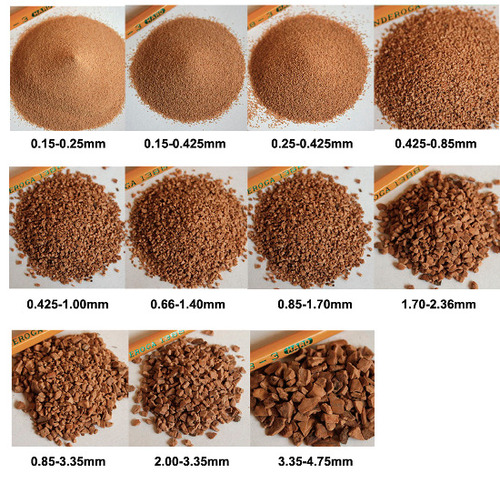
Polymer or organic shells for delicate substrates (aircraft, paint stripping). Zero silica. Limited applications.
Jiangsu Henglihong Technology Co., Ltd. manufactures the four most-used compliant media — aluminum oxide, garnet, glass bead, and steel grit — with batch certification documenting silica content, conductivity, hardness, and particle size distribution.
Compliance Considerations
Even with compliant media, blasting operations must implement engineering and administrative controls:
- Enclosed blast cabinets or rooms with proper ventilation and dust collection
- Water-injection or vapor abrasive systems for field work where containment is impractical
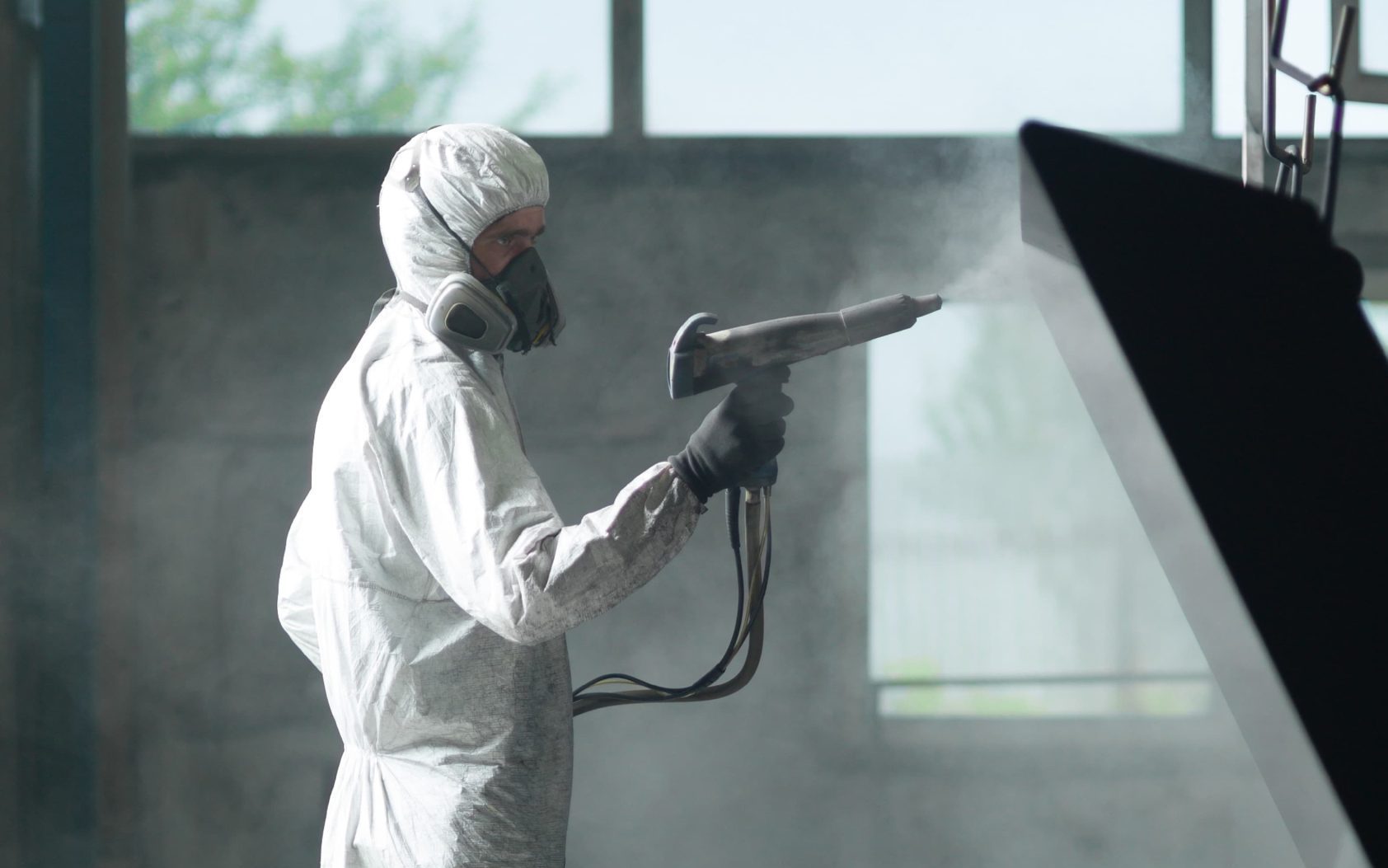
- Respiratory protection — supplied-air respirators for operators
- Air monitoring — periodic personal sampling and area monitoring
- Medical surveillance — pulmonary function tests, chest x-rays at required intervals
- Hazard communication — labeled containers, SDS access, worker training
The compliance burden is significant but manageable. Modern blasting operations bake compliance into equipment selection (closed-loop cabinets, dust collectors) and operator training (PPE, exposure monitoring) as standard practice.
Compliance Economics
The economics of switching from silica to compliant media have shifted decisively in favor of the alternatives:
- Silica sand: Cheap per ton but single-use; total compliance overhead (PPE, ventilation, monitoring, medical surveillance) often exceeds material cost.
- 石榴石 2–3× silica price per ton, but reusable 3–5 times and dramatically lower compliance burden.
- Steel grit (closed-loop): Higher unit cost but lowest effective cost per square meter at scale.
The full economic comparison is detailed in our sand blasted surface cost guide.
Frequently Asked Questions
Is silica sand banned for sandblasting?
In the United States, the OSHA respirable crystalline silica standard (29 CFR 1910.1053 / 1926.1153) makes silica sand effectively non-viable for industrial blasting. Similar regulations restrict or ban silica sand in the EU, UK, Canada, Australia, and many other regulated markets.
What is the OSHA silica exposure limit?
The OSHA Permissible Exposure Limit (PEL) is 50 µg/m³ respirable crystalline silica as an 8-hour time-weighted average. The Action Level (which triggers medical surveillance and exposure assessment) is 25 µg/m³.
What is the best silica-free abrasive blasting media?
Garnet, aluminum oxide, glass bead, and steel grit are the four most-used compliant alternatives. The ‘best’ depends on the application: garnet for marine, aluminum oxide for aerospace and stainless prep, glass bead for cosmetic and aluminum, steel grit for high-volume shipyard work.
Does coal slag contain silica?
Coal slag and copper slag products contain variable amounts of crystalline silica depending on source. Reputable suppliers provide silica content certification — typically below 1% for engineered slag products, though some natural sources are higher. Verify with the supplier.
Can I use silica sand outside the United States?
Most major industrial economies — EU, UK, Canada, Australia, Germany, Norway, and others — have regulations that effectively restrict or ban silica sand blasting. International buyers and class societies often specify compliant media regardless of local law.
Request an Abrasive Blasting Media Sample
Jiangsu Henglihong Technology Co., Ltd. supplies certified aluminum oxide, garnet, glass bead, steel grit, and steel shot to global industrial buyers. Request a sample with full batch documentation for technical evaluation.
Request a Sample →过滤器