Ceramic vs Plastic Tumbling Media: Engineering Comparison, Cost Analysis & Selection Logic
Fundamental Material Differences Between Ceramic and Plastic Media
The core distinction between ceramic and plastic tumbling media lies in density, hardness, and abrasive retention. These intrinsic properties directly control cutting force, contact mechanics, and media lifespan.
| Property | 陶瓷介质 | 塑料介质 |
|---|---|---|
| 体积密度 | 1.8–2.6 g/cm³ | 1.1–1.5 g/cm³ |
| 硬度 | High | Low to medium |
| Abrasive Retention | Strong, sintered | Embedded in resin |
| Typical Wear Rate | Low | Medium to high |
Cutting Mechanism Comparison
Ceramic media removes material primarily through micro-cutting and controlled fracture of burr roots. Each impact delivers higher localized energy due to greater mass and stiffness. Plastic media, by contrast, relies on lower-energy abrasive sliding and polishing action, making it gentler but slower.
This difference explains why ceramic media excels in deburring and edge definition, while plastic media is preferred for delicate parts requiring minimal geometry change.
Material Removal Rate (MRR) Comparison
| 媒体类型 | Relative MRR | Typical Cycle Time |
|---|---|---|
| 陶瓷介质 | High | 30–90 min |
| 塑料介质 | Low | 90–240 min |
For parts with measurable burrs (>0.05 mm), ceramic media typically reduces total cycle time by 40–70% compared with plastic media.
Surface Finish and Edge Control
Plastic media produces softer contact and distributes pressure over larger surface areas, resulting in excellent edge preservation and minimal rounding. Ceramic media, when improperly selected, can over-round edges; however, with correct shape and size selection, ceramic media can deliver consistent Ra results suitable for anodizing and coating.
Shape-driven edge behavior is discussed in detail in Ceramic Tumbling Media Shapes, while size-related risks are addressed in Ceramic Media Size Chart.
Performance on Aluminum Parts
Aluminum finishing is often the deciding factor between ceramic and plastic media. Plastic media is frequently chosen for cosmetic aluminum parts due to its gentleness. However, for CNC-machined aluminum with defined burrs, plastic media alone may be insufficient.
Ceramic media formulated specifically for aluminum combines controlled cutting with reduced aggressiveness, achieving burr removal without excessive deformation. A detailed aluminum-focused comparison is provided in Ceramic Media for Aluminum.
Media Lifespan and Cost per Part
Although ceramic media typically has a higher initial purchase price, its longer lifespan and higher removal efficiency often result in lower cost per finished part.
| Cost Factor | 陶瓷介质 | 塑料介质 |
|---|---|---|
| Initial Cost | Higher | Lower |
| Wear Rate | Low | Higher |
| Replacement Frequency | Low | High |
| Cost per Part (High Volume) | Lower | Higher |
Process Stability and Repeatability
Ceramic media provides more stable cutting behavior over time due to slower shape degradation and consistent abrasive exposure. Plastic media gradually loses cutting efficiency as abrasive grains are worn or pulled out of the resin matrix, often requiring frequent process adjustments.
When Plastic Media Is the Better Choice
- Thin-walled or highly delicate parts
- Very tight dimensional tolerances
- Cosmetic-only surface blending
- Final-stage polishing after ceramic processing
When Ceramic Media Is the Better Choice
- Measurable burr removal required
- High production volumes
- Shorter cycle time targets
- Pre-anodizing or coating preparation
Decision Matrix: Ceramic vs Plastic Media
| Application Condition | Recommended Media | 原因 |
|---|---|---|
| Heavy CNC burrs | Ceramic | Higher cutting efficiency |
| Light edge blending | Plastic | Better geometry preservation |
| High-volume production | Ceramic | Lower cost per part |
| Cosmetic aluminum parts | Plastic or fine ceramic | Reduced surface risk |
Integration with Ceramic Tumbling Media Pillar
This comparison page completes the decision framework within our Ceramic Tumbling Media pillar. Final media selection should always consider shape, size, material composition, and process goals as a unified system rather than isolated variables.
Recommended Image and Diagram Placement
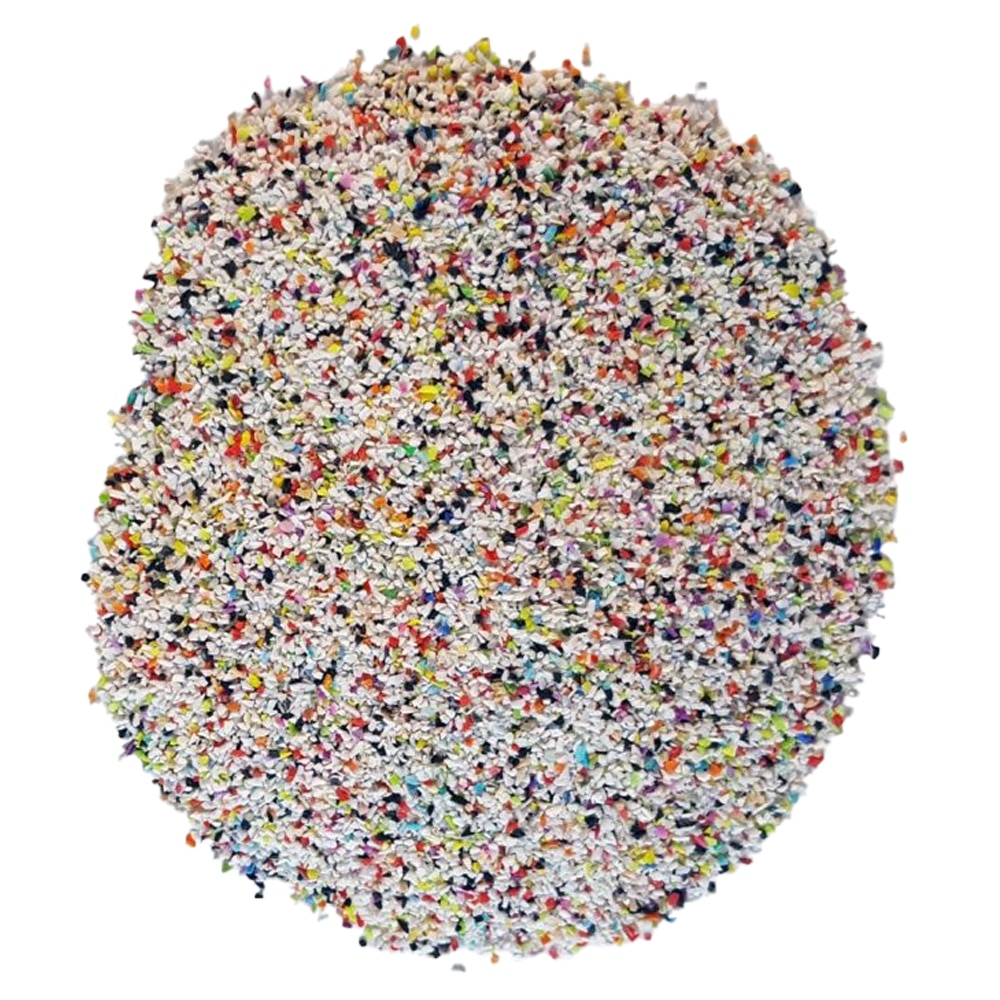
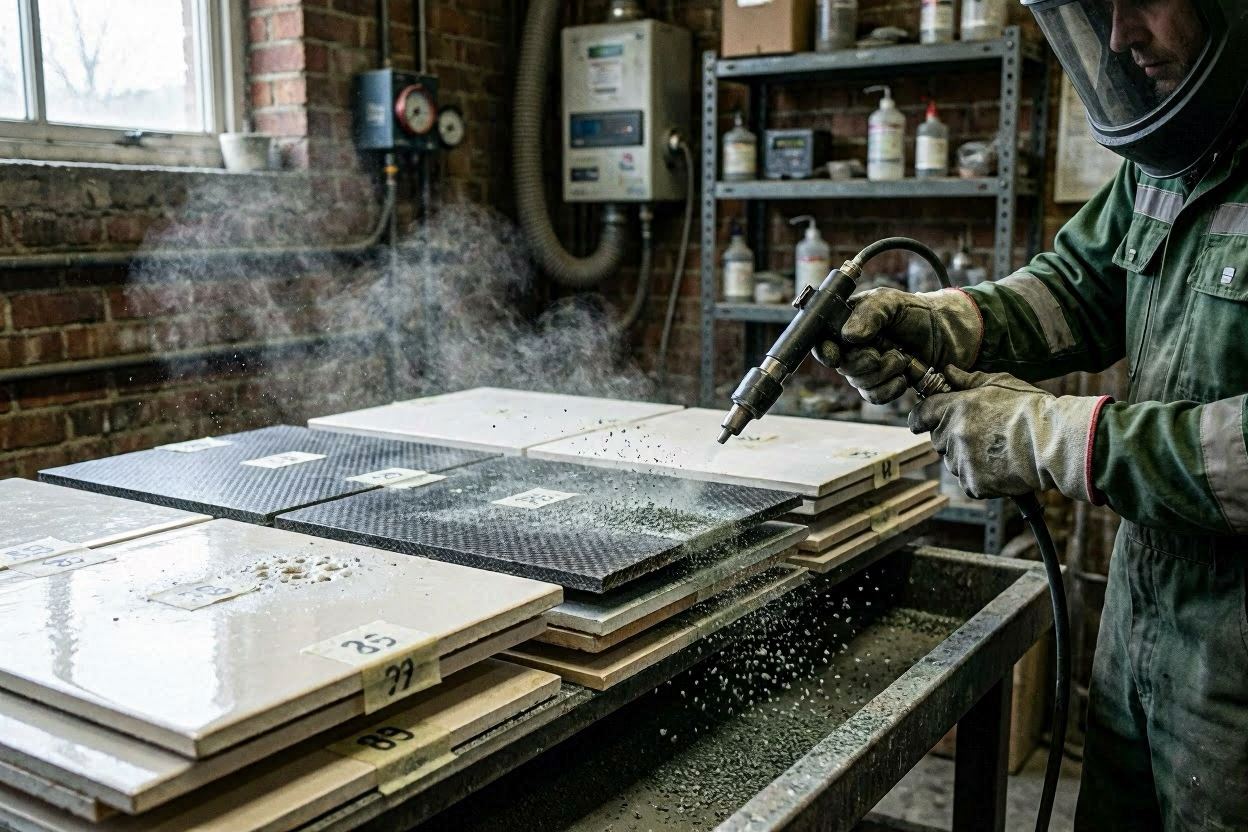
[Image Placeholder] Ceramic vs plastic media surface interaction comparison [Diagram Placeholder] Cost per part vs production volume chart [Video Placeholder] Side-by-side vibratory finishing comparisonRequest a Media Selection Recommendation
If you are evaluating ceramic versus plastic media for a specific application, provide your part material, burr condition, tolerance limits, and production volume. Our technical team can recommend an optimized media strategy based on test data and process experience.
过滤器