Etching Process & Safety – Industrial Surface Finishing Techniques
Primary keyword: etching process · Secondary: chemical etching, electrochemical etching, mechanical etching, industrial finishing
Introduction to Etching
Etching is the controlled removal of material from a surface to achieve desired texture, pattern, or surface functionality. It is widely used in electronics, metal fabrication, aerospace, and medical devices. Proper etching improves surface adhesion, cleanliness, and functional performance.
Etching is part of broader surface treatment processes and should be coordinated with cleaning, deburring, and surface prep to avoid contamination or over-etching.
Gravure chimique
Chemical etching uses acids or reactive chemicals to remove surface material. Key factors include:
- Solution composition: concentration, additives, and inhibitors
- Temperature control: ensures consistent etch rates
- Dwell time: adjusted to reach target depth without undercutting
- Agitation: improves uniformity and prevents gas bubble formation
Electrochemical Etching
Electrochemical etching (electropolishing) uses anodic dissolution in an electrolyte under controlled voltage/current. Key parameters:
- Current density: determines etch rate and surface smoothness
- Electrolyte composition: typically phosphoric or sulfuric acids for metals
- Temperature: maintain 25–50°C for stable results
- Time: monitored to avoid over-thinning or feature loss
Mechanical Etching
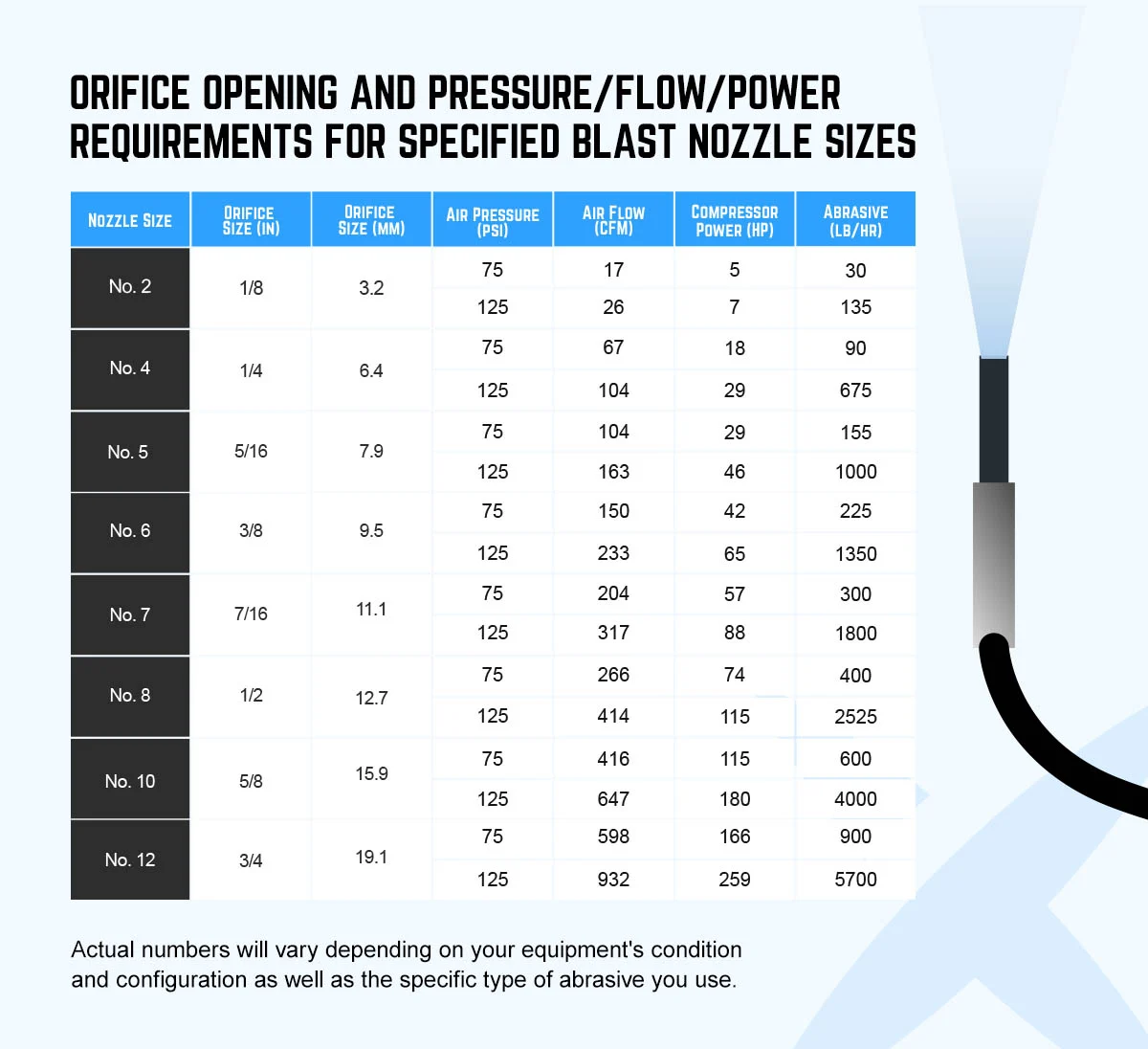
Mechanical etching uses abrasives, brushes, or micro-abrasive blasting to selectively remove material. Key considerations:
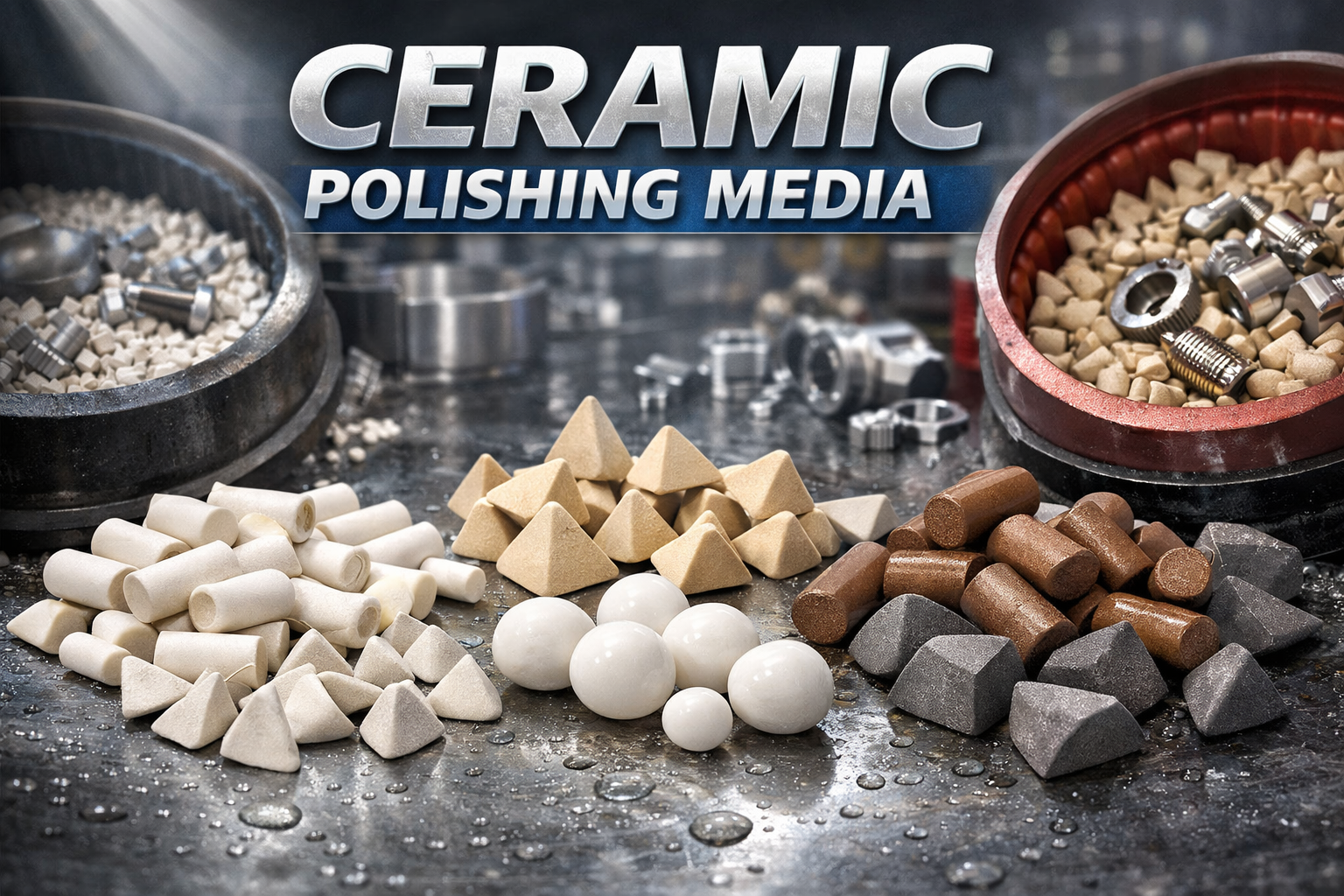
- Media type: fine ceramic or steel shot
- Pressure/force: tuned to avoid excessive material removal
- Surface masking: protects areas that should not be etched
Process Parameters
| Etching Method | Key Parameter | Fourchette recommandée |
|---|---|---|
| Chemical | Acid concentration | 5–20% by volume (depends on metal) |
| Chemical | Temperature | 25–50°C |
| Chemical | Dwell time | 5–30 min |
| Electrochemical | Current density | 0.5–5 A/dm² |
| Mechanical | Blast pressure | 2–5 bar |
Pilot Protocol
- Run a small batch of parts with selected etching method
- Measure surface roughness and depth of etch
- Verify uniformity and absence of undercutting or edge erosion
- Adjust parameters as needed to meet target specifications
- Document batch results and finalize standard process
Quality Control Metrics
- Etch depth: measured by micrometer or profilometer
- Surface roughness (Ra): target 0.3–1.0 μm
- Visual uniformity: no streaks, pitting, or undercutting
- Dimensional stability: within tolerance (typically ±0.05 mm)
Safety & Waste Handling
- Wear chemical-resistant gloves, aprons, goggles, and face shields
- Ensure local exhaust ventilation and fume capture for acids
- Neutralize spent acids before disposal according to regulations
- Separate hazardous etchant waste from regular industrial waste
Applications & Case Studies
1. PCB manufacturing: chemical etching removed copper to form traces with ±10 μm accuracy.
2. Aerospace: electrochemical etching created controlled surface roughness to enhance coating adhesion.
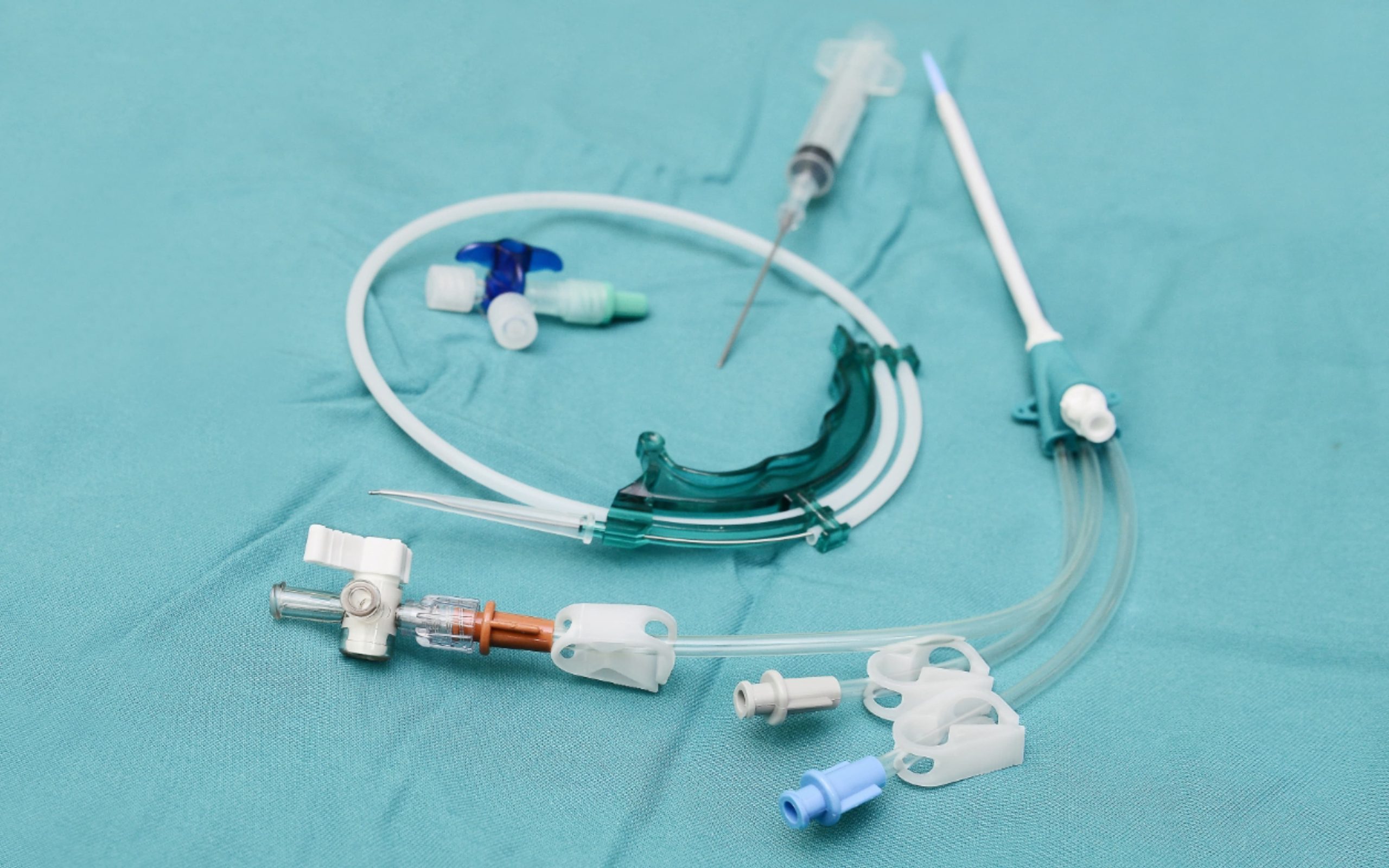
3. Medical implants: mechanical micro-etching removed micro burrs while maintaining dimensional precision.
Filtres